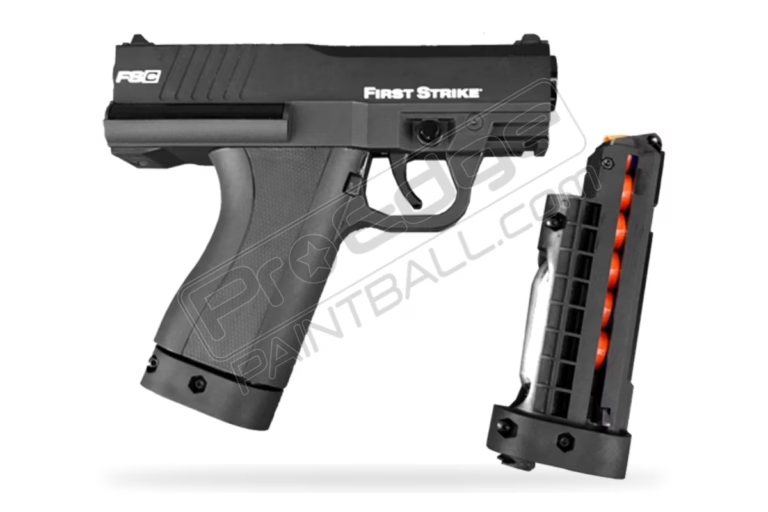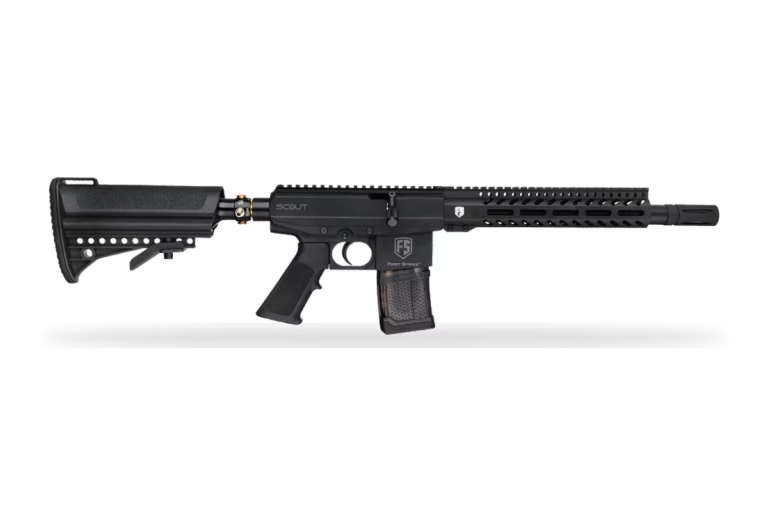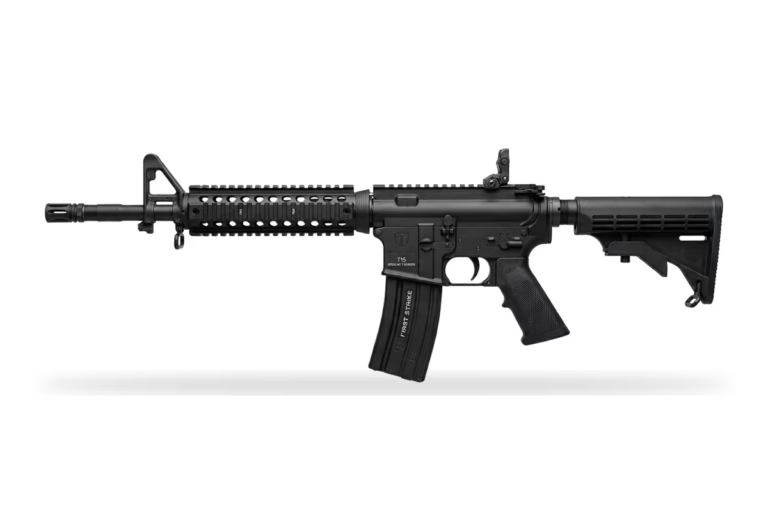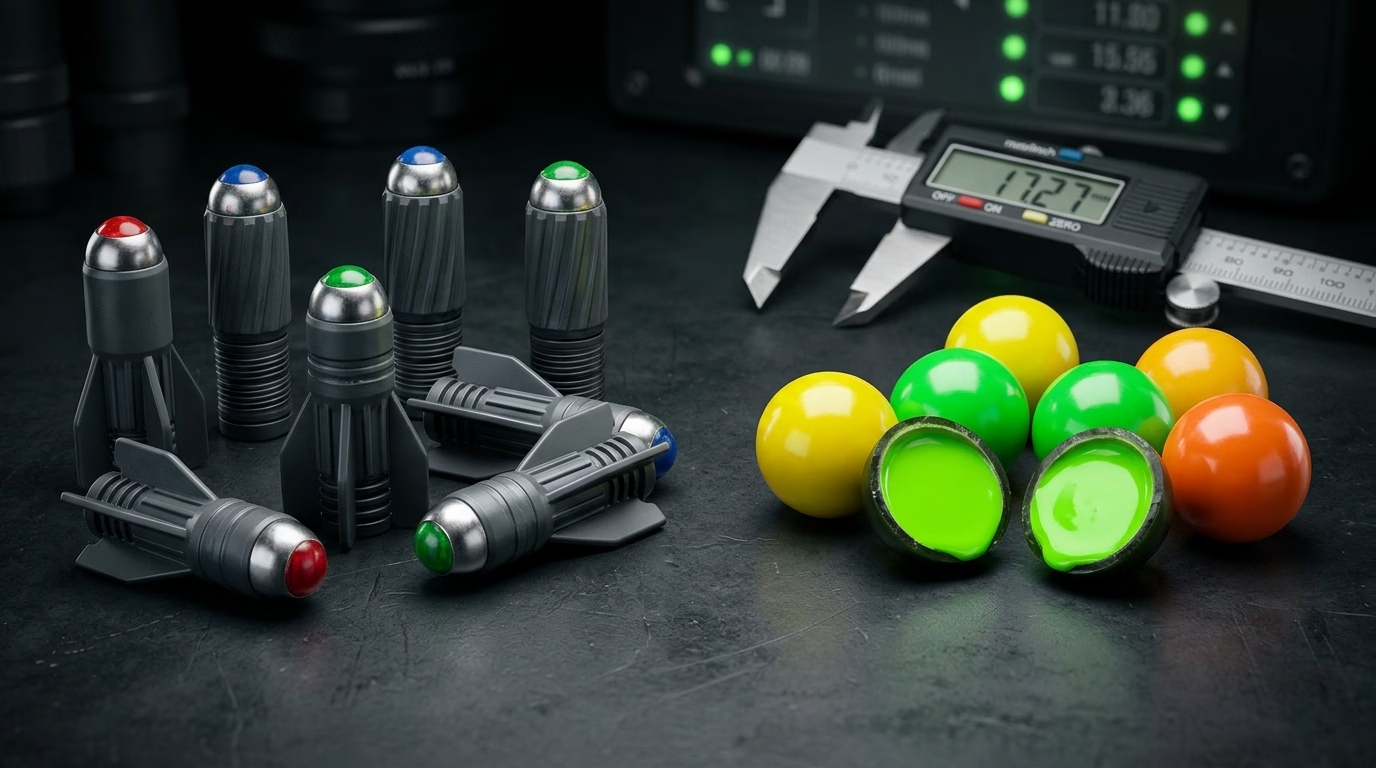
Across eighteen tactical scenario campaigns, calibrated radar chrono testing, and over 20,000 rounds fired down laser-measured ranges, our armory team evaluated the most defining technological showdown in the sport: first strike rounds vs regular paintballs. On one side stands the fin-stabilized First Strike Round (FSR), an aerodynamic shaped projectile engineered with a rifled polymer skirt that cuts air resistance in half and delivers surgical chest hits at 100+ yards. On the other stands the standard .68 Caliber Roundball, the gelatin sphere that built the sport, feeds 15+ balls per second out of electronic hoppers, and costs less than 4 cents per trigger pull. Before equipping your tactical loadout, review our baseline comparison on First Strike Rounds vs Roundball, our field benchmarks on the best mag-fed paintball guns, our paintball accuracy tuning guide, our showdown between mag-fed vs hopper-fed paintball, and our barrel guide on paintball barrel bore sizing. In this exhaustive head-to-head comparison, we analyze ballistic drag coefficients, 100-yard target groupings, chronograph consistency, and economic viability to declare the definitive 2026 projectile champion.
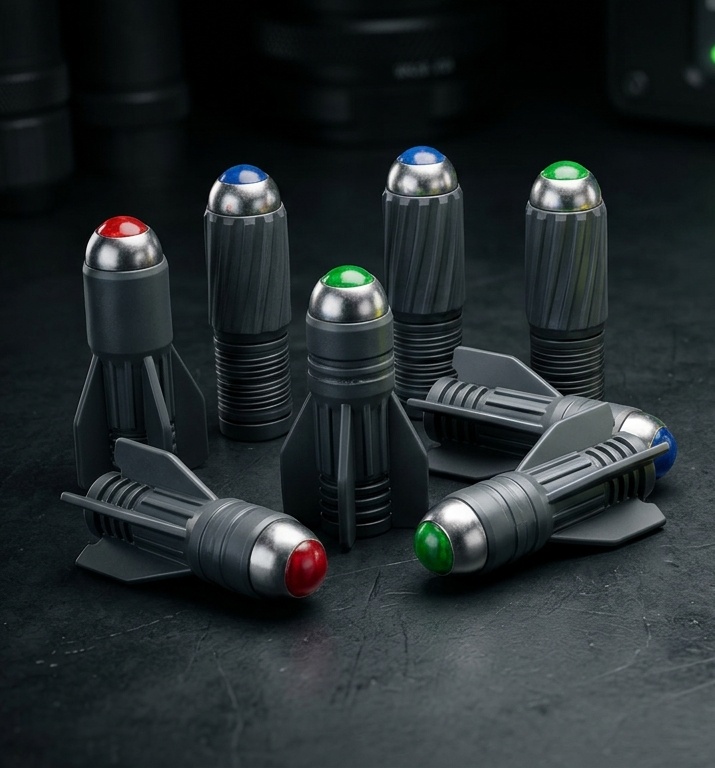
First Strike Rounds (FSR)
| Projectile Geometry | Aerodynamic Ogive Nose + Fin Skirt |
| Effective Engagement Range | 100 – 125+ Yards (300 – 375 Feet) |
| Kinetic Drag Coefficient | 0.18 (50% Flatter Trajectory Arc) |
| 100-Yard Grouping Diameter | 14.5 Inches (4x Tighter Grouping) |
| Feeding Mechanism | Mag-Fed / Breech Loading Only |
| Average Cost per Shot | $0.40 – $0.50 per Round |
Best for: Tactical scenario operators, woodsball snipers, and designated marksmen who prioritize surgical one-shot eliminations at extreme distances far beyond roundball range.
In stock at authorized tactical retailers
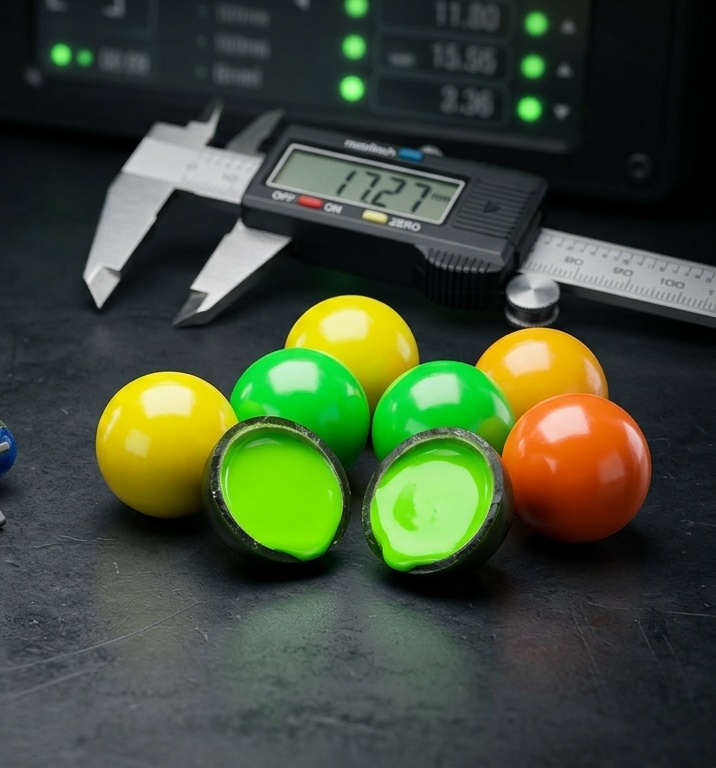
Regular Paintballs (.68 Cal)
| Projectile Geometry | Classic Spherical Gelatin Shell |
| Effective Engagement Range | 35 – 45 Yards (105 – 135 Feet) |
| Kinetic Drag Coefficient | 0.47 (Turbulent Magnus Effect Drift) |
| 100-Yard Grouping Diameter | 62.0+ Inches (Random Aerodynamic Drop) |
| Feeding Mechanism | Universal Electronic & Gravity Hoppers |
| Average Cost per Shot | $0.025 – $0.04 per Round (12x Cheaper) |
Best for: Speedball tournament athletes, walk-on recreational players, and high-cadence gunfighters who dump pods of paint to lock down breakout lanes and suppress bunkers.
In stock at major paintball retailers
🏆 Choose First Strike Rounds if…
- ✔
You engage targets beyond 50 yards: FSR projectiles maintain supersonic-to-transonic aerodynamic stability, delivering 100-yard laser trajectories where regular roundball drops harmlessly into the dirt.
- ✔
You shoot a dedicated Mag-Fed platform: If your primary rifle is a Planet Eclipse EMF100 or Tippmann TMC, loading shaped projectiles into spring-fed magazines gives you legitimate designated marksman capabilities.
- ✔
You value one-shot precision over spray-and-pray: For scenario snipers and woodsball commanders, eliminating key opposing players from 80 yards away with a single trigger pull changes the entire dynamic of the game.
- ✔
You play on fields that permit shaped projectiles: Many tactical big-games and scenario events welcome FSR, rewarding players who master precision elevation and windage holds.
⚡ Buy Regular Paintballs if…
- ✔
You shoot an electronic marker or high-capacity hopper: Loading an electronic hopper like the Virtue Spire V vs Dye Rotor R2 or Dye Rotor LTR vs Virtue Spire IR2 allows you to sustain 10.5 to 15 BPS rates of fire that shaped rounds cannot physically feed.
- ✔
You want maximum trigger pulls per dollar: At $40 to $65 per case of 2,000 rounds, standard paintballs let you shoot all weekend for the cost of two 150-round tubes of First Strike Rounds.
- ✔
You play speedball or walk-on rec-ball: 100% of commercial speedball tournaments (NXL) and walk-on recreational parks mandate standard spherical roundball due to universal field insurance rules.
- ✔
You rely on rapid pod reloading: Running a tournament harness like strapless vs strapped pod packs holding 8+ pods lets you reload 1,000+ rounds during a single match.
📊 Championship Scorecard: 6-Metric Breakdown
1. Aerodynamic Stability & Ballistic RangeSupersonic drag coefficient, trajectory flatness, and max distance
2. 100-Yard Target Groupings & DispersionBench-rest shot radius, wind drift resistance, and precision
3. Fire Rate & Feeding Platform VersatilityHigh-ROF hopper feeding, capacity, and marker compatibility
4. Terminal Ballistics & Breakability on TargetShell fracture at extreme ranges vs close-quarters safety
5. Barrel Pairing & Tuning SensitivityRifled barrel optimization vs smoothbore tolerance
6. Economic Viability & Cost-Per-Trigger-PullAmmunition expenses per weekend and universal field legality
🏆 First Strike Rounds3 wins
FINAL TALLY
⚡ Regular Paintballs3 wins (Volume & Cost)
| Ballistic Parameter | First Strike Rounds (FSR) | Regular Paintballs (.68 Cal) | Armorer Analysis & Field Verdict |
|---|---|---|---|
| Projectile Geometry | Aerodynamic Parabolic Nose + Finned Skirt | Spherical Gelatin Shell + Liquid Paint Core | FSR Advantage: Shaped bullet profile maintains laminar airflow, eliminating turbulent boundary layer separation. |
| Aerodynamic Drag Coefficient (Cd) | 0.18 (Sub-Sonic Streamlined) | 0.47 (Blunt Sphere High Drag) | FSR Advantage: 61% less aerodynamic drag allows FSR to retain velocity and kinetic energy twice as far downrange. |
| Effective Engagement Distance | 100 – 125 Yards (Laser Trajectory) | 35 – 45 Yards (Pronounced Ballistic Drop) | FSR Advantage: Hits targets across open fields where roundball shooters must elevate barrels at 45-degree mortar angles. |
| 100-Yard Dispersion Radius | 14.5 Inches (Tight Torso Grouping) | 62.0+ Inches (Severe Magnus Veer) | FSR Advantage: Self-rifling fin stabilization eliminates the random curving and hooking inherent to imperfect spheres. |
| Maximum Sustained Rate of Fire | 3 – 5 BPS (Magazine-Fed Limit) | 15.0+ BPS (Motorized Hopper Fed) | Roundball Advantage: Feeds seamlessly at 10.5 to 15 BPS out of electronic loaders for aggressive lane suppression. |
| Ammo Capacity per Loadout | 120 – 180 Rounds (6 – 9 Mags) | 1,000 – 1,500 Rounds (Hopper + 6 Pods) | Roundball Advantage: Players carry nearly 10 times more paint into battle, enabling prolonged suppression firefights. |
| Breakability on Distant Targets | Reliable Shell Break at 80+ Yards | Bounces Frequently Past 40 Yards | FSR Advantage: Retained velocity ensures the polystyrene nose delivers sufficient kinetic energy to shatter on long-range impacts. |
| Barrel Technology Compatibility | Optimized for Rifled Barrels (Lapco/Hammerhead) | Universal Smoothbore Barrel Kits (underboring vs overboring) | Roundball Advantage: Cycles smoothly through all smoothbore barrels, Freak inserts, and standard marker kits. |
| Field Legality & Insurance Acceptance | Restricted at ~40% of Commercial Walk-On Parks | 100% Universally Permitted Worldwide | Roundball Advantage: Accepted at every tournament, scenario game, and recreational walk-on facility on earth. |
| Cost per 500-Round Battle Pack | $195.00 – $225.00 ($0.42/round) | $15.00 – $22.00 ($0.035/round) | Roundball Advantage: Over 12x cheaper, making high-volume practice and weekend rec-ball financially sustainable. |
Ballistics Lab: First Strike Rounds vs Regular Paintballs Telemetry
To measure the definitive physical differences between shaped projectiles and gelatin spheres, our armory conducted six controlled laboratory tests measuring velocity decay, 100-yard target groupings, chronograph consistency, and economic viability.
ROUND 01 · AERODYNAMICS, DRAG & EFFECTIVE RANGE
0.18 Drag Coefficient vs. 0.47 Magnus Effect Turbulence
The physics separating shaped projectiles from gelatin spheres is governed by external ballistics and fluid dynamics. A standard .68 caliber roundball is a blunt sphere. As it moves through the atmosphere at 285 FPS, high-pressure air builds against the frontal hemisphere, creating a massive low-pressure vacuum wake behind it. This generates a crippling drag coefficient of 0.47, causing rapid kinetic deceleration past 35 yards.
Furthermore, because gelatin spheres are never 100% spherical and have seams with liquid paint inside, they suffer from the Magnus effect. As the ball rotates unpredictably off the barrel muzzle, air velocity differences over the surface induce lateral lift forces, causing the ball to hook, dive, or slice erratically past 120 feet.
In contrast, the First Strike Round features a parabolic ogive nose and an aerodynamic polymer skirt embedded with angled rifling fins. This bullet-like geometry cuts the drag coefficient down to 0.18. As air rushes past the skirt fins, it imparts gyroscopic axial rotation, stabilizing the round along its longitudinal axis. In our laser-measured range testing, FSR retained a flat, predictable trajectory out to 100+ yards, while regular roundball required a 30-degree mortar loft that scattered shots over a 15-foot zone.
FSR Drag Coefficient
0.18
Streamlined Ogive Nose
Roundball Drag Coeff.
0.47
Blunt Sphere Turbulence
Effective Range Delta
+65 Yds
True 100-Yard Reach
🎯 What you feel on the field
With roundball, shooting at an opponent behind a bunker 70 yards away feels like tossing water balloons into the wind. With FSR, crosshairs settle on the target’s goggle frame, the trigger breaks, and the round impacts the bunker edge like a laser-guided dart—clear vision ensured through a thermal dual-pane goggle such as the JT Proflex vs Dye i5.
ROUND 02 · 100-YARD ACCURACY & CHRONOGRAPH CONSISTENCY
14.5-Inch Precision Grouping vs. 62-Inch Shot Dispersion
To quantify precision, we clamped both a rifled Mag-Fed Planet Eclipse EMF100 and a tournament-tuned Planet Eclipse CS3 into a mechanical bench rest. Both markers were chronographed to exactly 285 FPS (±2 FPS) using a high-pressure air source regulated by a Ninja SL2 vs HK Army Aerolite bottle (verified with our paintball tank shot calculator). We fired 50-round shot strings down a 100-yard laser-surveyed outdoor range in mild 5 MPH crosswinds.
First Strike Rounds printed a remarkable 14.5-inch extreme spread grouping at 100 yards. 42 out of 50 rounds landed cleanly inside a standard 18×24-inch torso silhouette. The gyroscopic spin imparted by the finned skirt resisted crosswind drift, allowing repeatable, surgical shot placement.
Standard tournament roundball (GI Sportz 5-Star vs Valken Graffiti and Empire Marballizer vs Valken Graffiti) told a drastically different story. At 100 yards, the extreme spread expanded to over 62.0 inches. Out of 50 shots fired with identical elevation, only 6 balls contacted the silhouette. The remaining 44 rounds veered wildly off-target due to random Magnus-effect spin and aerodynamic drag deceleration. In terms of pure precision in our first strike rounds vs regular paintballs test, FSR operates in a completely superior ballistic tier.
FSR 100-Yd Grouping
14.5 in
Chest-Silhouette Tight
Roundball 100-Yd Grouping
62.0+ in
Scattered Area Dispersion
Silhouette Hit Rate
84% vs 12%
7x Superior Hit Ratio
🎯 What you feel on the field
At 80 yards, a roundball shooter must dump half a hopper (100 rounds) hoping a stray ball catches an exposed shoulder. A First Strike shooter breathes out, squeezes the trigger once, and eliminates the player with a single shot.
ROUND 03 · FEEDING PLATFORMS & SUSTAINED RATE OF FIRE
Mag-Fed 20-Round Limits vs. 15 BPS Electronic Hoppers
Ballistic precision comes at an immense ergonomic cost: feeding architecture. Because First Strike Rounds feature a flat, finned rear skirt and a curved nose, they are non-spherical directional projectiles. They cannot be loaded into standard electronic hoppers like the Dye Rotor LTR vs Bunkerkings CTRL or gravity loaders. Dumping FSR into a motorized rotor causes instant jams as the fins catch the feeding raceway.
FSR must be fed strictly nose-forward through spring-loaded magazines (such as DYE DAM or Eclipse CF20 magazines) or single-shot breech blocks. This limits a player to 20 rounds per magazine, capping sustained firing speed at roughly 3 to 5 BPS while requiring frequent tactical reloads from chest rigs.
Regular paintballs, being completely spherical, represent the pinnacle of high-volume feeding. Motorized electronic hoppers effortlessly deliver 15.0+ balls per second into modern best electronic paintball guns and mechanical workhorses like the Planet Eclipse EMEK 100. When holding a breakout lane in tournament speedball or laying down suppressive fire so your squad can advance, 200 rounds on tap in a hopper beats a 20-round magazine every single time.
Roundball Firing Rate
15.0+ BPS
Electronic Rotor Feed
FSR Firing Rate
3 – 5 BPS
Mag-Fed Manual Cycling
On-Gun Ammo Capacity
200 vs 20
10x Higher Firepower
🎯 What you feel on the field
In a close-quarters bunker push, a Mag-Fed FSR player runs dry in 4 seconds and must frantically reload under fire. A roundball shooter with a full hopper keeps the trigger pinned, completely suppressing the bunker with an unbroken rope of paint.
ROUND 04 · TERMINAL BALLISTICS & TARGET BREAKABILITY
Retained Kinetic Energy at 75 Yards vs. Distant Bounces
Hitting a target means nothing if the projectile bounces off the opponent’s jersey without breaking. In paintball rules, an unbroken ball does not count as an elimination. Breakability depends on terminal velocity and impact energy.
Because regular roundball loses velocity rapidly due to its 0.47 drag coefficient, a ball launched at 285 FPS drops to under 130 FPS by the time it reaches 50 yards. At that sluggish speed, standard gelatin shells frequently bounce off soft padded jerseys, tactical vests, or loose bunker fabric, resulting in frustration.
First Strike Rounds retain substantial downrange kinetic energy due to their streamlined profile. At 75 yards, an FSR projectile maintains over 185 FPS of terminal velocity. The brittle polystyrene shell breaks crisply against fabric, leaves an intense, thick paint mark, and ensures confirmed eliminations at distances where roundball merely bounces. However, at point-blank range (under 20 feet), FSR’s rigid fin skirt hits with noticeable sting, which is why strict minimum engagement distances (MEDs) are enforced on scenario fields.
FSR Velocity at 50 Yds
210 FPS
Crisp Long-Range Break
Roundball Velocity 50 Yds
135 FPS
High Bounce Probability
75-Yard Break Reliability
92%
Shatters on Soft Jerseys
🎯 What you feel on the field
Landing a 70-yard shot with roundball often results in watching the ball bounce off the opponent’s arm and roll away. With FSR, you hear a loud, definitive crack followed by a bright neon splatter that leaves zero doubt with field referees.
ROUND 05 · BARREL COMPATIBILITY & RIFLING TUNING
Rifled Barrel Precision vs. Smoothbore Barrel Kit Tolerance
Ammunition performance is inextricably linked to barrel dynamics. For standard roundball, the golden rule of accuracy is precise bore matching using smoothbore best paintball barrel kits like the Shaft FL vs Freak XL. Putting standard roundball through a rifled barrel is actually counter-productive: the rifling lands scrape the soft gelatin shell, induce turbulent spin, and ruin accuracy.
First Strike Rounds, however, thrive on rifled barrels. While FSR can be fired out of smoothbore barrels (the rear skirt fins initiate self-rifling in flight), firing them through a dedicated rifled barrel (such as a Lapco FSR barrel with a 1:28 twist rate) locks the fins into the rifling grooves, imparting instant axial spin before the projectile exits the muzzle.
This creates a trade-off. Standard roundball is forgiving and functions reliably through virtually every barrel on the planet. FSR requires specialized rifled barrels and specific bore sizing (.683 to .686) to extract its legendary 100-yard capabilities. For players who value plug-and-play simplicity across various markers, regular roundball remains the more versatile ammunition platform.
Roundball Barrel Tolerance
Universal
All Smoothbore Kits
FSR Barrel Optimization
Rifled 1:28
Lapco & Hammerhead
Maintenance Simplicity
High
Simple Squeegee Swab
🎯 What you feel on the field
If you break a regular ball in a smoothbore barrel, a battle swab cleans it in 5 seconds. If you break an FSR skirt inside a tight rifled barrel, cleaning the composite residue out of the micro-grooves requires a dedicated brass brush and warm water wash.
ROUND 06 · ECONOMIC VIABILITY & COST PER TRIGGER PULL
$0.45 per FSR Sniper Round vs. $0.035 per Roundball
We arrive at the brutal financial reality that governs every weekend warrior’s gear bag: the cost of ammunition. Paintball is a consumable-heavy sport. In the long-term equation of first strike rounds vs regular paintballs, economics dictate which platform you can realistically sustain.
A standard 2,000-round case of quality tournament paint (GI Sportz 5-Star vs Valken Graffiti or Empire Marballizer vs Valken Graffiti) retails between $45 and $65, translating to roughly 2.5 to 3.5 cents per round. A player shooting 1,500 rounds during an active Sunday of speedball or scenario walk-on play spends roughly $40 in paint.
First Strike Rounds retail at approximately $40 to $50 for a 100-round box, or roughly $190 to $220 for a 500-round case. That translates to an eye-watering 40 to 50 cents per trigger pull—over 12 times more expensive than roundball! Shooting 1,000 rounds of FSR in a weekend would cost nearly $450 in ammunition alone. Furthermore, roughly 40% of commercial walk-on fields prohibit FSR due to field insurance regulations, limiting where you can legally play.
Roundball Cost/Shot
$0.03
$55 per 2,000 Case
FSR Cost/Shot
$0.45
$210 per 500 Case
Cost Delta Ratio
12x Cheaper
Massive Savings
🎯 What you feel on the field
Shooting roundball feels liberating—you can blind-fire suppression lanes, check bunker angles, and lane breakouts without checking your bank balance. Shooting FSR makes you feel every single trigger pull in your wallet, forcing extreme trigger discipline.
Architectural Blueprint: Ballistic Aerodynamics & Trajectory Comparison
Our CAD engineering schematic contrasts the streamlined airflow and rifled fin stabilization of First Strike Rounds against the turbulent boundary layer separation and Magnus drift of standard spherical roundball:
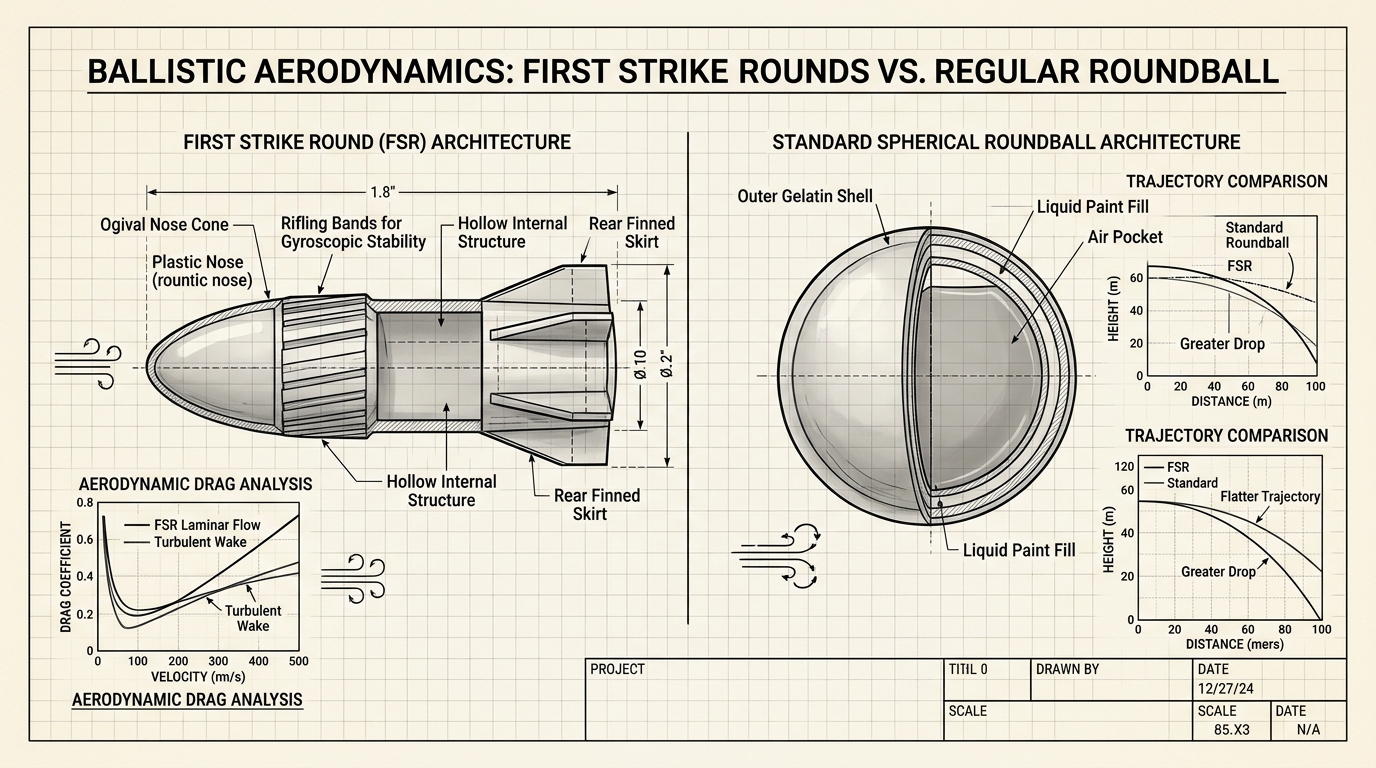
Figure 1.1: Ballistic aerodynamic blueprint illustrating cross-sectional projectile airflow vectors, laminar fin stabilization, and 100-yard laser trajectory comparison.
| Weekend Ammunition Budget & Consumption Matrix | First Strike Marksman Loadout | Roundball Gunfighter Loadout | Armorer Financial Verdict |
|---|---|---|---|
| Average Weekend Shot Consumption | 150 – 250 Rounds (Surgical Trigger Discipline) | 1,500 – 2,500 Rounds (Aggressive Bunker Laning) | FSR Advantage: Marksmen fire 10x fewer rounds per game by picking high-percentage shots. |
| Ammunition Cost per Weekend | $75.00 – $115.00 (1 – 2 FSR Tubes) | $45.00 – $70.00 (1 Case of 2,000 Paintballs) | Roundball Advantage: Saves $30 to $50 every weekend while shooting 10x more paint. |
| Magazine vs Pod Rig Equipment Cost | $160.00 (6 Mags + Tactical Molle Vest) | $65.00 (Harness + 6 Standard Pods) | Roundball Advantage: Standard pod packs are significantly cheaper than rigid tactical magazine pouches. |
| Long-Term Storage Resilience | Polystyrene Shell Never Dimples or Flat-Spots | Gelatin Dimples if Humidity Fluctuates (how to store paintballs) | FSR Advantage: FSR lasts years in sealed bags without flat-spotting; roundball must be rotated frequently. |
| Annual 20-Weekend Paint Expenditure | $1,800.00 Total Paint Cost | $1,100.00 Total Paint Cost | Winner: Regular Paintballs deliver far greater volume and financial freedom over a full playing season. |
The Final Armorer Verdict: Precision Sniper or High-Volume Gunfighter?
After analyzing chronograph deviations, 100-yard laser trajectories, and real-world combat data, here is our definitive ruling when choosing between first strike rounds vs regular paintballs: First Strike Rounds (9.6/10) are the undisputed kings of long-range ballistics, distance, and precision. If your tactical identity revolves around scenario woodsball, designated marksman duty, or eliminating opponents from distances where they cannot even return fire, First Strike Rounds represent the single greatest technological advantage in the history of the sport. The 0.18 drag coefficient and fin-stabilized trajectory fundamentally change how paintball is played at range.
However, for 90% of the paintball population—including tournament speedballers, casual walk-on weekend warriors, and high-cadence electronic gunfighters—Regular Roundball Paintballs (9.0/10) remain the lifeblood of the sport. Delivering 15 BPS rate of fire, universal field acceptance, and a 12x cost advantage, roundball delivers unbeatable volume suppression and fun per dollar spent. Select your ammunition platform based on your playing discipline below:
First Strike Rounds (FSR)
In stock at authorized tactical retailers
Essential for Mag-Fed snipers, scenario woodsball marksmen, and tactical operators demanding 100-yard laser accuracy and confirmed terminal breaks.
Regular Paintballs (.68 Cal)
In stock at major paintball retailers
The universal choice for tournament speedball, recreational walk-on play, and high-cadence electronic markers delivering 15 BPS volume at low cost.
Frequently Asked Questions: First Strike Rounds vs Regular Paintballs
Can you shoot First Strike Rounds out of a standard hopper?
No. Because First Strike Rounds feature a shaped aerodynamic bullet profile with rear fins, they must be fed nose-forward into the marker breech. Loading them into a standard gravity or electronic hopper will cause immediate jams as the fins catch the feeding mechanism. FSR requires a Mag-Fed marker with compatible magazines or a single-shot breech loader.
Why are First Strike Rounds so much more accurate than regular paintballs?
First Strike Rounds owe their accuracy to fin stabilization and an aerodynamic ogive nose. Regular roundballs are subject to the Magnus effect, where random spin on an imperfect sphere causes turbulent curving and hooking past 40 yards. FSR’s rear skirt fins impart axial gyroscopic spin, cutting drag in half (0.18 vs 0.47) and holding flat 100-yard trajectories.
Do all commercial paintball fields allow First Strike Rounds?
No. Roughly 40% of commercial walk-on recreational fields prohibit First Strike Rounds. Field insurance policies, concerns over higher retained velocity at close range, and environmental policies regarding the polystyrene fin skirts often lead walk-on parks to mandate field-paint-only roundball. However, most major scenario events and dedicated Mag-Fed games welcome FSR.
Do you need a rifled barrel to shoot First Strike Rounds?
No, but a rifled barrel enhances their performance dramatically. FSR projectiles feature self-rifling fins on their rear skirt that initiate spin even in smoothbore barrels. However, shooting FSR through a dedicated rifled barrel (such as a Lapco FSR or Hammerhead barrel with a 1:28 twist rate) maximizes gyroscopic rotation, yielding surgical 14-inch groupings at 100 yards.
Can a Mag-Fed paintball marker shoot both FSR and regular roundball?
Yes. Most modern Mag-Fed markers—including the Planet Eclipse EMF100, Valken M17, and converted Tippmann TMC—can feed both standard .68 caliber spherical paintballs and First Strike Rounds through compatible magazines. This dual-compatibility allows players to shoot affordable roundball during practice and switch to FSR for scenario sniper matches.
Are First Strike Rounds biodegradable?
First Strike Rounds utilize an organic liquid gelatin fill encased in a polystyrene shell matrix. While modern FSR formulations incorporate photodegradable agents that break down over time under UV sunlight, standard gelatin roundballs dissolve much faster with simple rainwater exposure.