Executive Field Guide: What to Wear to Paintball in Summer
The Golden Rule: The greatest physical hazard in summer paintball isn’t the sting of a 300 FPS paintball—it is heat exhaustion. Wearing heavy cotton hoodies or thick denim jeans creates an internal heat trap exceeding 104°F (40°C), drastically increasing the risk of heat cramps and hyperthermia while blinding your vision with sweat-soaked mask foam. In 80°F to 95°F+ heat, you must trade rigid heavy padding for loose-draping, moisture-wicking synthetic technical fabrics that dissipate heat via evaporative cooling while absorbing ball impact energy.
Every summer, paintball field staging areas witness the exact same beginner mistake: new players arrive dressed in heavy fleece hoodies, thick winter jackets, and rigid blue jeans under the mistaken belief that thick layers are required to survive paintball hits. Within twenty minutes of sprinting under blazing 90°F (32°C) sunshine, their goggles fog into an opaque wall of white condensation, their heart rate spikes dangerously, and nausea sets in from heat exhaustion.
Knowing what to wear to paintball in summer requires balancing two opposing physical forces: ballistic impact dispersion and thermodynamic heat dissipation. You need enough fabric coverage to prevent direct skin breaks, abrasive turf burns, and stinging welts, but the clothing must allow your body’s sweat to evaporate freely into the surrounding air. In this definitive engineering and field-tested guide, we break down the science of hot-weather paintball apparel, examine the 5 critical body zones, and reveal how summer heat fundamentally changes your marker’s gas mechanics.
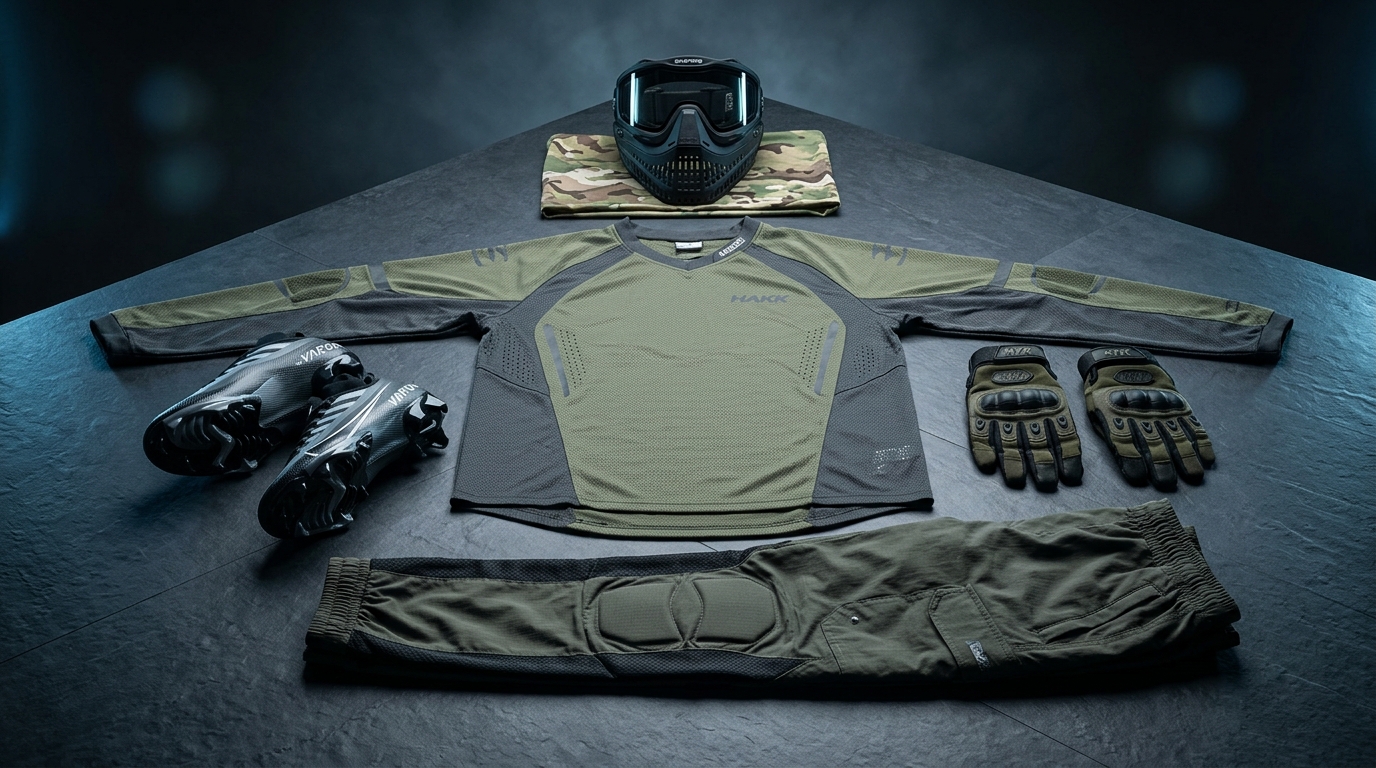
Studio photography loadout: A high-performance summer paintball setup featuring a ventilated micro-mesh jersey, ripstop jogger pants with Cordura knees, a dual-pane thermal goggle system with wicking sandana, armored gloves, and turf cleats.
The Physics of Summer Paintball: Heat Dissipation vs. Impact Deceleration
To dress intelligently for a high-intensity summer tournament or woodsball scenario, you must first understand the fundamental physics of how heat, fabric, and paintball impacts interact on your body.
1. The Evaporative Cooling Mechanism vs. The “Cotton Heat Trap”
When you sprint between bunkers in 85°F to 100°F (29°C to 38°C) heat, your metabolic energy expenditure spikes your core internal temperature. Your body regulates this heat primarily through latent heat of vaporization: for every gram of sweat evaporated from your skin surface, approximately 2,426 joules of thermal energy are drawn away from your bloodstream.
Here is why traditional clothing fails catastrophically:
- 100% Heavy Cotton (The Sauna Trap): Cotton is a hydrophilic cellulose fiber that absorbs up to 2,700% of its weight in moisture without drying. Once soaked with sweat, a cotton hoodie or t-shirt collapses flat against the skin, creates an airtight vapor barrier, and halts evaporative cooling entirely. Your core body temperature continues climbing, leading directly to heat cramps and heat exhaustion.
- Engineered Synthetics (Poly-Spandex & Micro-Mesh): Hydrophobic polyester and nylon micro-fibers use capillary wicking action. Sweat is pulled away from the dermal layer and dispersed across a broad external surface area exposed to ambient breezes, accelerating evaporation while maintaining airflow.
2. Terminal Velocity and Kinetic Energy Dispersion
A standard .68 caliber paintball weighs approximately 3.2 grams and leaves the barrel at 280 to 300 feet per second (FPS)—equivalent to roughly 190 to 205 mph. Upon impact, it delivers approximately 11 to 13 joules of kinetic energy over a small 0.68-inch surface area.
Beginners assume that heavy padding is required to absorb this energy. However, ballistic impact physics demonstrates that a loose-fitting, unpadded technical jersey creates a “draping buffer” (an air gap between the outer fabric and your skin). When a high-velocity paintball strikes a loose garment:
- The outer fabric ripples and decelerates the projectile over several extra milliseconds.
- The kinetic energy is partially converted into fabric displacement before contact reaches the skin.
- The slick, angled surface of a synthetic jersey dramatically increases the probability of a “bounce” (deflection without shell rupture), keeping you in the game without taking an elimination.
3. Summer Gas Dynamics: Ambient Heat Effect on CO2 vs. HPA
Summer heat does not just affect your body—it fundamentally impacts your marker’s propulsion system and paintball shell integrity. If you are playing during June, July, or August, you must understand how ambient temperatures alter internal operating pressures.
Technical E-E-A-T Breakdown: Summer Temperature vs. Gas Mechanics
- CO2 Phase Transition Hazards: Carbon dioxide exists inside a tank as a liquid-vapor equilibrium. At a comfortable 70°F (21°C), CO2 maintains a vapor pressure of approximately 850 PSI. When a black aluminum CO2 tank sits in direct summer sunlight on an 95°F day, surface metal temperatures easily exceed 120°F (49°C). Under the ideal gas relationship (P × V = nRT), internal pressure surges drastically beyond 1,200 to 1,500 PSI. This pressure spike causes marker chronograph velocity to creep dangerously from 280 FPS up to 330+ FPS, blows out internal urethane O-rings, and can rupture the tank’s 1.8K safety burst disc. Read our detailed comparison in our CO2 vs. HPA Paintball Tanks Guide.
- Regulated HPA Consistency: In contrast, Compressed Air (HPA) stores nitrogen/air strictly in a single gaseous phase at 3,000 or 4,500 PSI. An ambient temperature rise from 70°F to 95°F increases tank pressure by only about 4% to 5%, which is completely neutralized by the tank regulator’s internal Belleville spring stack, delivering an ultra-consistent 800 to 850 PSI output pressure to your marker’s inline regulator. Calculate your exact shot efficiency under hot weather with our Paintball Tank Shot Calculator.
- Gelatin Shell Softening: Standard paintball shells are manufactured from organic gelatin and PEG (polyethylene glycol). In high summer humidity and heat exceeding 85°F, gelatin absorbs ambient moisture and softens into an elastic “rubbery” consistency. This makes balls far less likely to break on opponents (causing bounce frustration) and can lead to barrel swells where .684 caliber paint expands to .690, resulting in barrel breaks if you run an overly tight barrel insert.
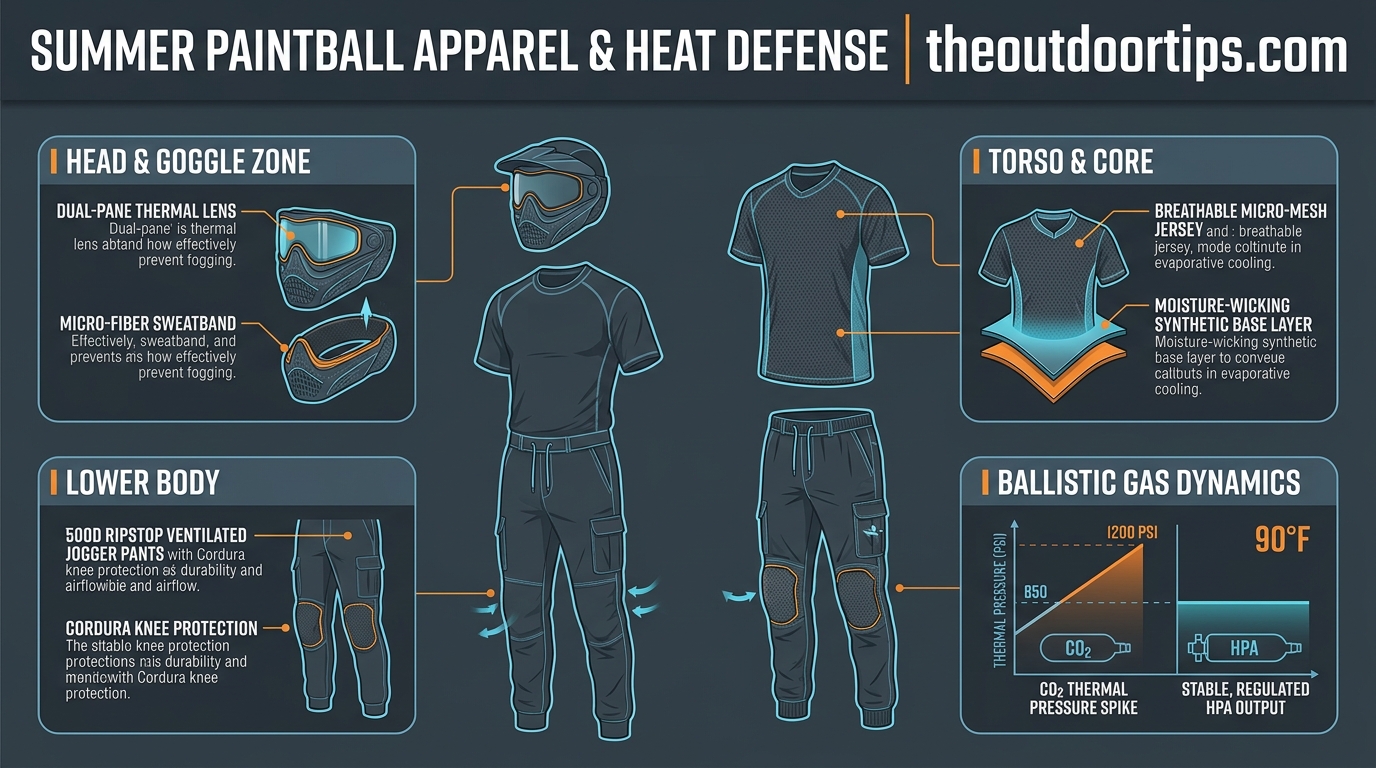
Technical anatomy of summer paintball protection: Core body zoning, moisture-wicking evaporative layers, and the thermal gas expansion curve of CO2 vs. HPA in direct summer heat (Courtesy of theoutdoortips.com).
The 5-Zone Summer Paintball Layering Protocol
To stay fully protected from bruises while avoiding heat stroke, build your gear around this field-tested 5-zone technical apparel system:
Zone 1: The Head, Face & Goggle Anti-Fog System
Your goggle system is the most critical piece of equipment on the field. In summer, your forehead produces massive amounts of perspiration. If that sweat drips downward into the top brow foam of your mask, it saturates the foam, floods the internal air cavity, and instantly condenses against the inner lens.
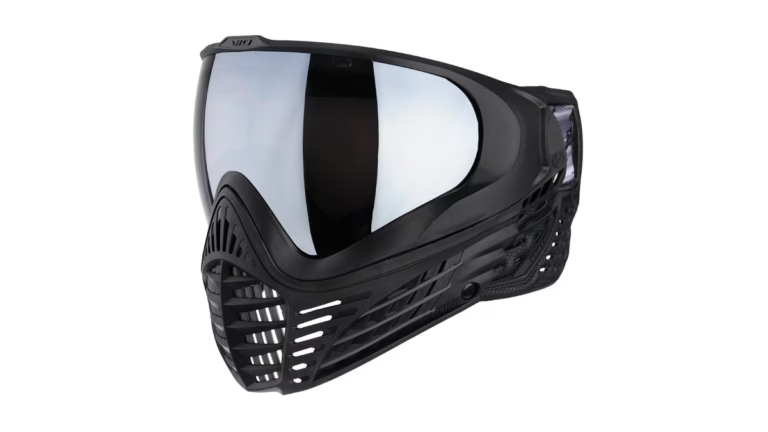
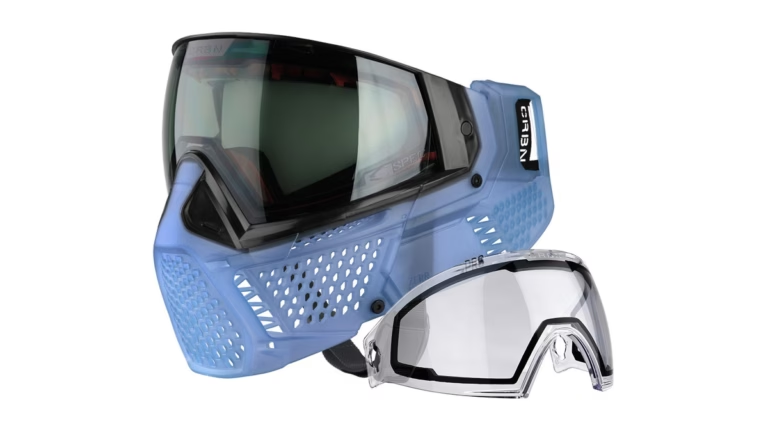
- Dual-Pane Thermal Lens (Mandatory): Never step onto a summer paintball field wearing a single-pane rental mask. A true dual-pane thermal lens features an insulating air gap between the outer and inner panes, preventing thermal bridging and stopping fog in its tracks.
- Moisture-Wicking Headwrap or Sandana: A dedicated paintball sandana or sports headband equipped with a terry-cloth or microfiber sweatband absorbs perspiration across your brow before it ever touches your mask foam. The lightweight mesh tail also shields the sensitive back of your neck from sunburn and stinging bunker hits.
- Visor Attachment: Always clip on your goggle’s included low-profile visor during summer play. The visor blocks direct overhead sunlight from baking the top goggle seal and prevents intense solar glare from impairing your peripheral sightlines.
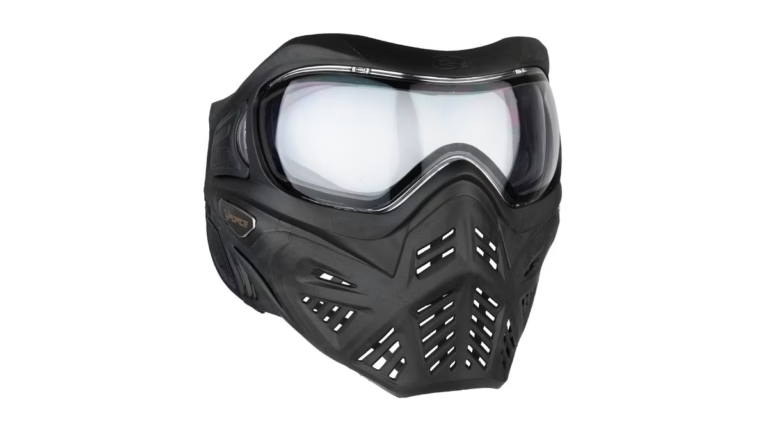
Looking for the Best Anti-Fog Summer Optics? Compare the industry benchmarks in our in-depth Dye i5 vs. Empire EVS Comparison and our tournament-proven V-Force Grill Review, or browse the complete Best Paintball Masks Guide (Top Anti-Fog Picks).
Zone 1 Top Pick: V-Force Grill Thermal Goggle System
Tournament-grade dual-pane spherical thermal lens with maximum lower blade venting for speech clarity and rapid breath heat exhaustion. Features QuickChange click-lock lens system and ClickDry replacement foam.
Zone 2: Torso & Upper Body (The “Micro-Drape” Method)
Many beginners ask: “Can I just play paintball in a short-sleeve t-shirt in summer?” While you certainly can, exposed bare forearms are vulnerable to abrasive turf burns when diving, painful direct hits that leave bleeding welts, and severe UV sunburn. The correct solution is a lightweight, long-sleeve technical garment.
- Ventilated Micro-Mesh Technical Jersey: Modern tournament jerseys (from manufacturers like HK Army, Dye, and Infamous) are constructed from 100% perforated polyester mesh along the underarms, flank ribs, and back. They provide full long-sleeve skin coverage to prevent scrapes while letting ambient breezes flow straight through to cool your torso.
- Ultralight Compression Rashguard Base Layer: Wearing a thin polyester-spandex compression long-sleeve (such as Under Armour HeatGear) beneath your jersey acts as a secondary sweat-wicking skin. It accelerates sweat evaporation, eliminates jersey chafing against sweaty skin, and provides an extra micro-fraction of ball deceleration.
- Skip the Tactical Plate Carrier: Thick military-style tactical plate carriers or dense chest protectors act like radiant ovens in 90°F heat (female players seeking anatomical torso defense should review our specialized guide on what a girl should wear to paintball). If you desire chest protection, choose a modern perforated padded compression shirt designed specifically for speedball.
Zone 2 Top Pick: HK Army Freeline Micro-Mesh Technical Jersey
Constructed with engineered dry-fit poly micro-mesh venting across the full back and flanks. Offers loose athletic drape to induce ball bounces while letting breezes pull heat away from your chest and shoulders.
Zone 3: Hands, Wrists & Neck Protection
Hand and neck shots are among the most sensitive impacts in paintball because these areas have thin skin and dense nerve clusters.
- Ventilated Armored Gloves: Direct knuckle hits from 20 feet away can easily break skin. Avoid heavy winter tactical gloves or rubber work gloves that turn your hands into sweatboxes. Choose summer paintball gloves featuring breathable four-way stretch mesh on the dorsal side, armored silicone or TPR knuckle protection, and perforated synthetic suede palms for a secure trigger grip even when marker grips are covered in sweat.
- Low-Profile Breathable Neck Protector: A hit directly to the Adam’s apple or trachea can leave a painful welt and cause breathing difficulty. In summer, avoid thick bulky neoprene neck braces that trap neck heat. Instead, wear a low-profile, perforated neoprene neck collar or a lightweight moisture-wicking neck gaiter folded over twice.
Zone 4: Lower Body, Legs & Knees (The Modern Jogger Revolution)
For decades, recreational players wore heavy surplus BDU pants or stiff denim jeans. Today, the entire paintball competitive scene has shifted to lightweight athletic jogger pants.
- Paintball Jogger Pants (500D Ripstop + Four-Way Stretch): Modern paintball joggers (such as Dyzana Core or HK Army TRK AIR) combine durable 500D abrasion-resistant nylon on the shins and knees with breathable four-way stretch fabric through the groin, thighs, and calves. They weigh less than half of traditional tactical pants, dry in minutes, and feature elastic ankle cuffs that won’t drag in mud or snag on branches.
- Padded Slide Shorts (Groin & Hip Protection): A paintball hit to the inner groin or pelvic bone is debilitating. Wear compression slide shorts with integrated EVA foam hip pads and a built-in athletic cup pocket beneath your joggers. They keep your thighs from chafing when sprinting in humid conditions and protect your hips during aggressive slides into snake bunkers.
- Separate Neoprene Knee Pads: Rather than relying on bulky built-in pant padding that traps heat, wear standalone breathable knee pads (such as Dye or Exalt knee pads). They stay firmly anchored to your joint during slides and can be peeled off immediately after a match during cool-down breaks.
Zone 4 Top Pick: Dyzana Core & HK Army TRK AIR Paintball Joggers
Engineered specifically for hot weather: waterproof zipper pockets, ballistic reinforced knees, moisture-wicking crotch gusset, and elasticated ankles. Ultra-lightweight and rip-resistant on hard turf.
Zone 5: Footwear & Technical Athletic Socks
A paintball field in summer is a dynamic mix of baked, dry hardpack dirt, loose gravel, dry leaves, and slippery artificial speedball turf.
- Molded Turf Cleats or Trail Running Shoes: Heavy combat boots or work boots with steel toes are an immense liability in summer: they weigh 3 to 4 pounds, cause severe blister formation through trapped sweat, and severely slow down your sprint speed. Molded rubber soccer/lacrosse cleats or rugged trail running shoes (such as Salomon Speedcross) provide superior explosive traction without suffocating your feet. (Worried about ruined footwear? Check our material testing guide on does paintball stain shoes? for stain risk percentages and cold-water wash protocols).
- Merino Wool or Synthetic Moisture-Wicking Socks: Avoid 100% thick cotton tube socks. Once wet from perspiration, cotton bunches up inside your shoe and causes friction blisters within two hours. Synthetic athletic socks (polypropylene or merino wool blends) pull moisture away from your toes and cushion high-friction strike zones.
The 5 Deadly Clothing Mistakes to Avoid in Summer Paintball
Critical Safety Warnings: Never Wear These Items
- Heavy Cotton Hoodies: The #1 rookie error. A cotton hoodie acts like a personal sauna. In 85°F+ heat, it restricts thermoregulation, causes heat exhaustion, and soaks goggle foam within 15 minutes of play.
- Denim Jeans: Rigid blue jeans have zero four-way stretch for lunging or sliding, become intensely heavy when wet from sweat or paint, and chafe the inner thighs until raw.
- Shorts and Bare Legs: While tempting in the heat, playing in shorts leaves your shins exposed to poison ivy, stinging nettles, rough wood splinters, and painful 300 FPS paintball welts that easily break the skin.
- Single-Pane Rental Masks: Single-pane lenses have zero thermal insulation. In summer humidity, your warm breath and forehead sweat will instantly fog the glass, effectively blinding you and creating a major eye injury hazard.
- Dark Heavy Black Tactical Vests: Black tactical nylon absorbs 90%+ of radiant solar heat, rapidly elevating your chest and back surface temperature while constricting full chest expansion during heavy breathing.
Summer Paintball Apparel Comparison Table (2026 Picks)
Compare the top summer paintball apparel options across breathability, durability, impact protection, and price:
Verified Summer Paintball Gear Deals
Ready to upgrade your hot-weather gear bag? Check verified availability and current discount pricing across trusted retailers:
Hydration & Field Heat Exhaustion Protocol
No apparel strategy will save you if you fail to manage your biological hydration. In intense 90°F heat, an active paintball player expels 1.5 to 2.5 liters of fluid per hour through sweat and respiration.
- The Pre-Hydration Rule: Start hydrating 24 to 48 hours before your weekend game day. Drinking a gallon of water on the morning of play only leads to stomach sloshing and cramping.
- Electrolytes over Plain Water: Sweating leaches essential sodium, potassium, and magnesium ions from your bloodstream. Drinking only distilled or pure tap water during 6 hours of heavy play dilutes your blood sodium (hyponatremia), triggering intense calf cramps and dizziness. Mix an electrolyte replenishment packet (such as Liquid I.V. or Nuun) into every second water bottle.
- Hydration Backpack Bladders: For woodsball and scenario players who remain in the field for 60 to 90-minute missions, carry a low-profile 1.5-liter or 2-liter hydration pack (CamelBak style). Having a hands-free bite valve allows you to take small sips during breaks without removing your protective mask on the live field.
- Recognizing Early Heat Exhaustion Symptoms: If you or a teammate experience sudden cessation of sweating, pale clammy skin, intense throbbing headache, or lightheadedness, stop playing immediately. Move to a shaded staging area, remove the marker and pack, apply cold wet towels to the neck and armpits, and elevate the feet.
Frequently Asked Questions (FAQ)
Can I wear shorts to play paintball in the summer?
You can, but it is strongly discouraged by experienced players. Playing in shorts leaves your lower legs completely exposed to direct paintball hits (which easily cause painful bleeding skin breaks), thorn scratches, poison ivy, and painful friction burns when sliding. Instead, wear modern lightweight paintball joggers made from breathable ripstop fabric. They keep you just as cool as shorts while providing complete leg protection.
Does getting shot in a thin summer jersey hurt more?
Contrary to popular belief, wearing a loose-fitting micro-mesh summer jersey does not significantly increase impact pain compared to heavy clothes. A loose jersey creates an air gap (“drape buffer”) that decelerates the paintball upon impact and greatly increases the probability of a bounce. Furthermore, paintballs soften in warm summer temperatures (85°F to 90°F+), breaking more readily and dispersing their kinetic energy outward rather than biting into the flesh like cold winter paint.
How do I keep my paintball mask from fogging in 90°F heat?
Three critical steps: First, ensure your mask features a genuine dual-pane thermal lens (never a single-pane lens). Second, wear a moisture-wicking headwrap or terry-cloth sandana across your forehead to absorb sweat before it drips into your goggle foam. Third, keep your mask on your face during breaks or let it air-dry naturally—never wipe the inner thermal lens with a wet shirt, as this ruins the factory anti-fog coating. For a full tutorial, check our guide on How to Clean Paintball Mask Lenses Step-by-Step.
What colors should I wear for woodsball in summer?
For summer woodsball, choose olive drab, ranger green, foliage green, or transitional camouflage patterns like MultiCam Tropic. In full summer, forest canopies are dense with vibrant green foliage; wearing dark black or desert tan makes your silhouette stand out starkly against green leaves. Also ensure your fabric has a matte finish to prevent sunlight reflection.
What is the single most important clothing item for summer paintball?
A high-quality dual-pane thermal goggle system paired with a dedicated moisture-wicking headwrap. If you cannot see because your mask is fogged or flooded with sweat, you cannot play effectively or safely. Invest in a premium ventilated mask first, followed by breathable ripstop jogger pants and a micro-mesh jersey.
Final Verdict: Maximizing Performance and Safety on the Summer Field
Playing paintball in the summer offers some of the most thrilling outdoor competition of the year, provided you respect the elements. Leave your heavy cotton hoodies, thick blue jeans, and bulky work boots at home. By adopting a modern 5-zone technical layering protocol—featuring a moisture-wicking headwrap, ventilated micro-mesh jersey, 500D ripstop joggers, armored lightweight gloves, and aggressive turf cleats—you achieve the ultimate equilibrium of maximum breathability, unhindered agility, and full ballistic protection.
For more foundational gear recommendations, explore our comprehensive guide on What to Wear for Paintball: Must-Have Gear, compare winter conditions in our Cold Weather Paintball Gear Guide, or choose your marker setup in our Best Paintball Guns for Beginners.