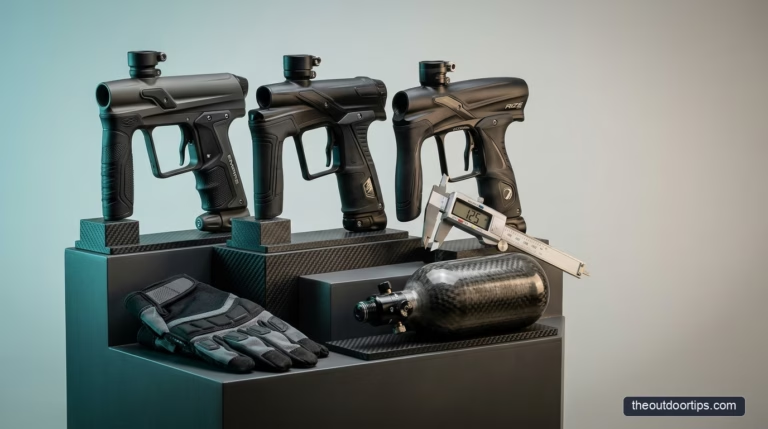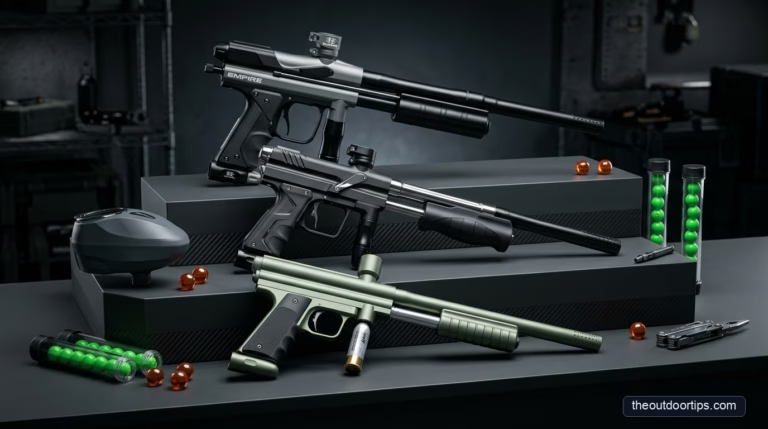
Playing paintball in the snow is one of the most thrilling, tactical experiences in the sport. Fresh powder transforms familiar woodsball fields into silent, high-contrast battlegrounds with wide-open sightlines. But sub-freezing temperatures drastically alter paintball physics: standard summer paint turns brittle, $\text{CO}_2$ tanks lose pressure, lens fogging spikes, and unsealed electronics risk water damage from melting snow.
⚡ Quick Answer: Can You Play Paintball in the Snow?
Yes, you can absolutely play paintball in the snow. However, you must make four non-negotiable gear adjustments to avoid broken paint, frozen markers, and dangerous fogging:
- 1. Switch to High-Pressure Air (HPA): Never run CO2 in the snow. Compressed air delivers steady 800–850 PSI output regardless of sub-freezing cold, whereas CO2 pressures collapse.
- 2. Use Winter-Formula Paintballs: Standard gelatin shells shatter inside the barrel below 40°F. Winter paint uses specialized cold-resistant shells and non-freezing PEG fills.
- 3. Mandatory Dual-Pane Thermal Mask: Single-pane rental masks will fog instantly in snowy conditions. A certified thermal lens (like the V-Force Grill) is essential for safety.
- 4. Dress in 3 Technical Layers: Synthetic moisture-wicking base layer + fleece insulation + water-resistant outer shell with deep-lug waterproof boots.
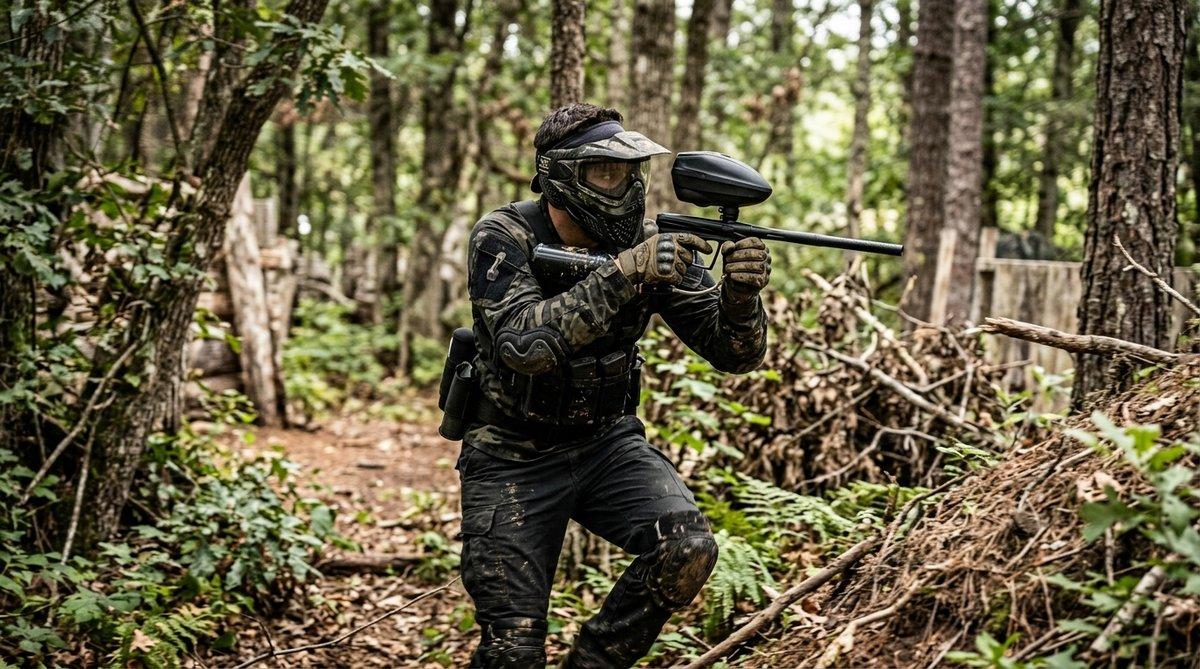
❄️ Winter Paintball Survival Guide: Explore our complete head-to-toe cold-weather loadout in our Best Paintball Gear for Cold Weather (2026 Field Guide).
Summer vs. Snow Paintball: Key Differences Breakdown
Here is what changes when you step onto a snow-covered paintball field compared to a standard summer day:
| Factor | Summer Conditions (70°F+) | Snow & Winter Conditions (<32°F) |
|---|---|---|
| Propellant Gas | CO2 or HPA work normally | HPA Only (CO2 freezes & drops pressure) |
| Paintball Shells | Flexible gelatin; breaks on impact | Standard paint turns brittle; use Winter Grade |
| Marker Lubrication | Standard Dow 33 grease or oil | Thin 100% Synthetic Oil (Prevents bolt stick) |
| Goggle Fogging Risk | Moderate (Sweat-driven) | Extreme (Cold glass + warm breath = instant fog) |
| Electronic Battery Life | 10,000+ shots per 9V battery | Drops by 40–50% (Keep spares in inner pocket) |
| Field Sound Profile | Leaves rustle; footsteps easily heard | Snow dampens sound; stealth flanking is easier |
The 4 Critical Snow Paintball Challenges (And How to Solve Them)
1. Paintball Chemistry: Do Paintballs Freeze in the Snow?
A common myth is that paintballs “freeze into solid ice balls” in the winter. In reality, paintballs are filled with non-toxic, water-soluble polyethylene glycol (PEG) or mineral oil, which has a freezing point far below water (typically below $15^\circ ext{F}$ or $-10^\circ ext{C}$).
The real issue is the outer gelatin shell. Standard summer gelatin absorbs cold moisture, turning brittle like fine crystal glass. When struck by a marker’s bolt or accelerated down a cold barrel, summer paint shatters inside the breach.
❄️ The Pro Winter Paint Strategy:
- Buy Winter-Formula Paint: Brands like Valken Graffiti Winter Formula or GI Sportz Frostbite use cold-tempered shells that retain flexibility down to $20^\circ ext{F}$.
- The Insulated Cooler Trick: Store your unopened paint bags inside an insulated beverage cooler at room temperature ($65^\circ ext{F}$ to $70^\circ ext{F}$). Only load paint into your hopper immediately before walking onto the field.
- Avoid White Paint Fills: Always select bright neon fills (orange, yellow, or pink) so field referees can easily verify valid breaks against white snow.
2. Air System Physics: Why CO2 Fails in the Snow
Liquid carbon dioxide ($ ext{CO}_2$) relies entirely on ambient thermal heat to expand into pressurized gas. When outdoor temperatures drop into freezing snow:
- $ ext{CO}_2$ tank output pressure collapses from a healthy 800 PSI down to 350–450 PSI.
- Rapid firing draws cold liquid into the marker, freezing urethane O-rings and electronic solenoids.
- Velocity fluctuates violently, causing shots to drop short after just 30 feet.
The Solution: Switch to a High-Pressure Air (HPA) Compressed Air Tank. Compressed air is stored as a true mechanical gas and is unaffected by freezing temperatures, maintaining rock-solid 800–850 PSI output regardless of sub-zero snow. Read our detailed CO2 vs. HPA Paintball Guide to understand the full physics.

Ninja 48/3000 Aluminum HPA Air System
The ultimate winter air source. Engineered with an ultra-reliable Belleville spring regulator made in the USA, providing stable pressure delivery in freezing snow.
- Pressure Output: Consistent 800-850 PSI in all temperatures
- Reliability: Eliminates freezing solenoid O-rings and velocity drop-offs
- Standard Spec: Fits all modern mechanical and electronic markers
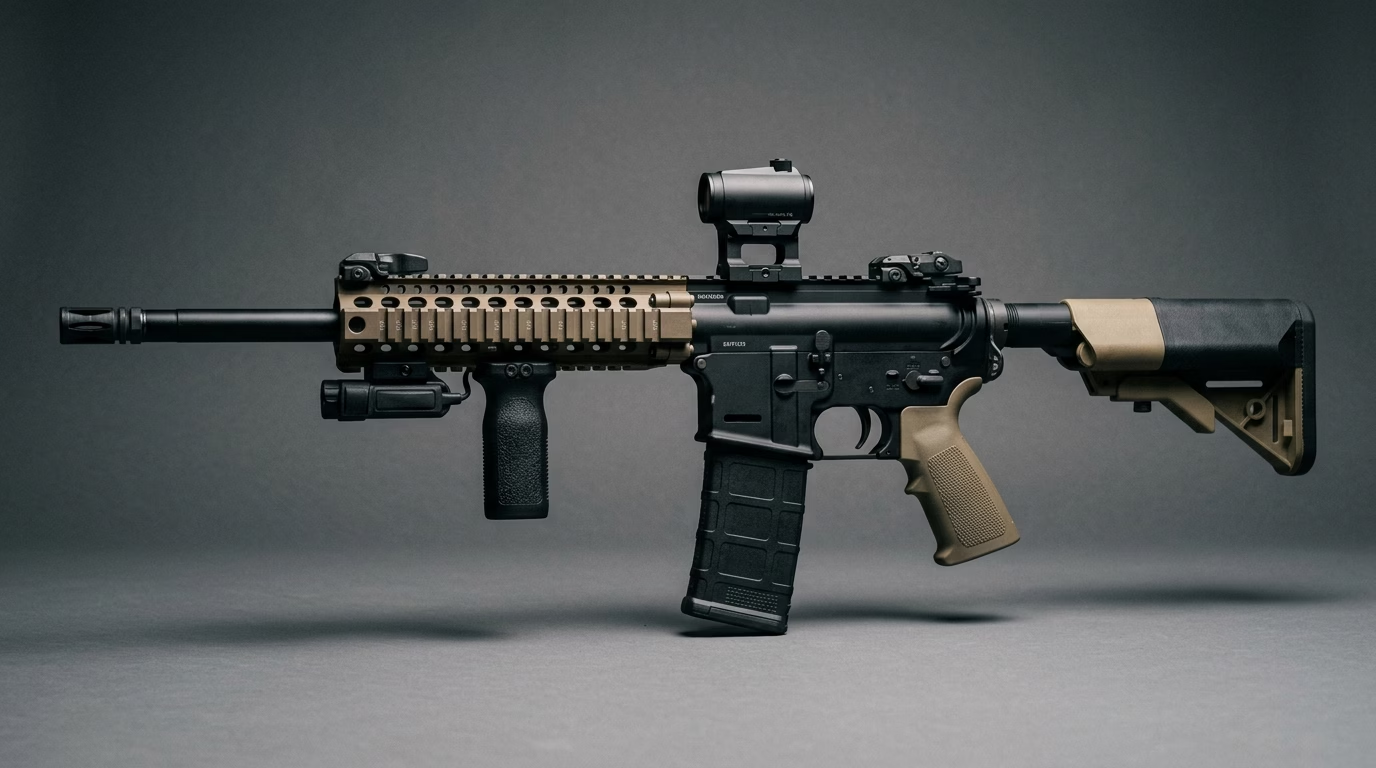
3. Marker Reliability & Lubrication in Sub-Freezing Weather
Standard paintball grease (thick Dow 33 or silicone paste) stiffens into a sticky paste in freezing snow. This causes “bolt stick”—where the bolt fails to cycle forward or resets too slowly, causing low-velocity first shots and cycling skips.
Winter Marker Prep Checklist:
- Swap Grease for Thin Synthetic Oil: Clean your bolt and rammer completely of old grease. Apply 3 to 4 drops of 100% synthetic light paintball oil (e.g. Gold Cup). Synthetic oil maintains its fluid viscosity down to $-20^\circ ext{F}$.
- Choose Mechanical Over Complex Electronics (see our ranked guide to the best paintball guns for cold climates): Mechanical markers with robust spool valves or blowback bolts (such as the Planet Eclipse EMEK 100 or Tippmann Cronus) perform flawlessly in the snow because they require zero batteries and have no sensitive circuit boards that short when wet.
- Slight Over-Boring: Cold weather causes gelatin shells to shrink and become brittle. Use a slightly larger barrel bore (e.g., .689 instead of .684) so fragile winter paint does not experience tight friction upon leaving the breach.
For more detailed tuning steps, read our complete guide on How to Keep Your Paintball Gun From Freezing Up.
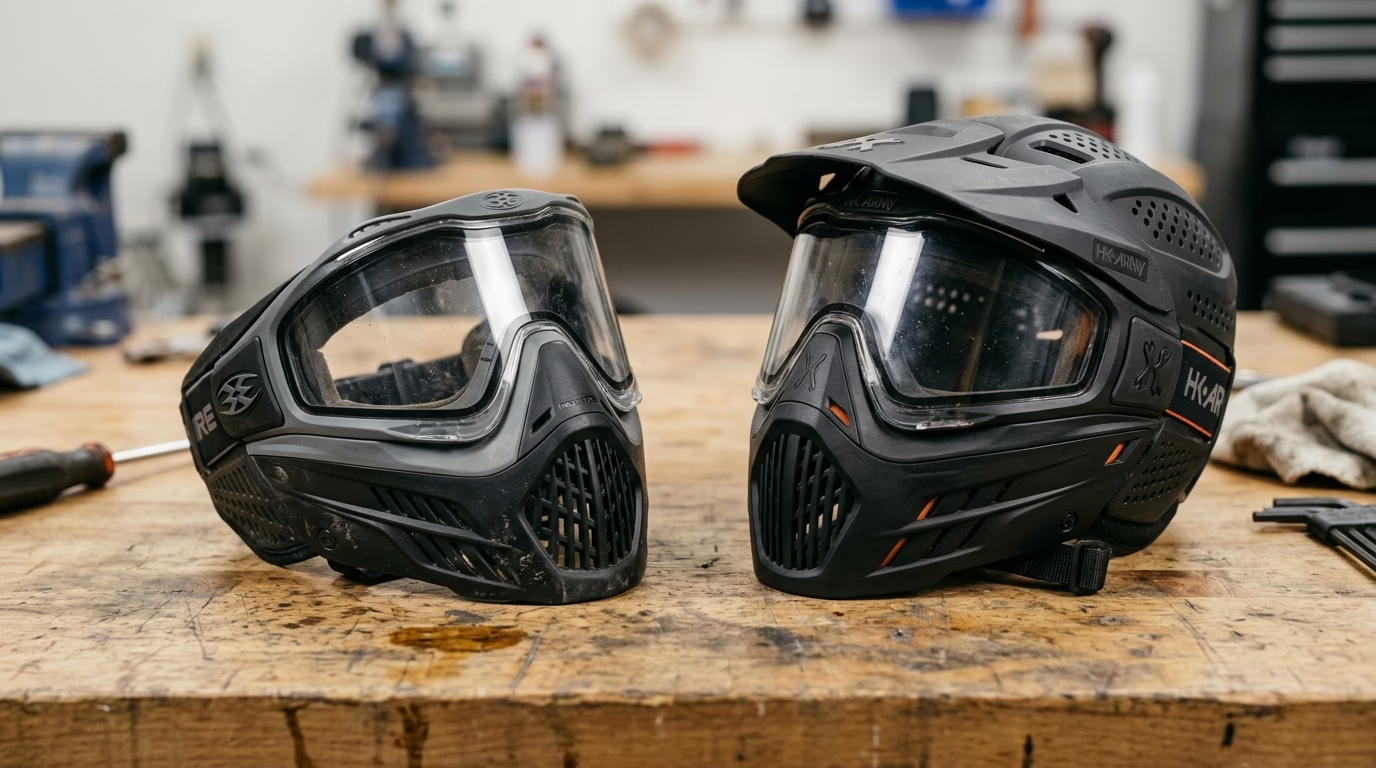
4. Mask Fogging & Vision Safety
When you sprint through deep snow, your body generates intense heat and heavy breathing. When that warm, humid air hits a freezing mask lens, moisture condenses instantly, creating blinding white fog. Never wipe the inside of a fogged lens on the field with a dirty glove—this scratches the thermal coating and creates a massive eye safety hazard.
The Only Safe Solution: You must wear a Dual-Pane Thermal Lens Goggle. A dual-pane thermal system works like a double-glazed window: an insulating pocket of air separates the cold outer lens from the warm inner lens, completely neutralizing thermal condensation. Learn more in our head-to-head comparison of V-Force Grill vs. HK Army Thermal Masks.
What to Wear for Snow Paintball: The 3-Layer System
Staying warm and dry during 4 to 6 hours in the snow requires technical layering. Avoid heavy cotton hoodies or jeans, which soak up melting snow, trap sweat, and cause rapid hypothermia when resting between matches.
1. Base Layer (Moisture-Wicking Compression)
Your base layer must wick sweat off your skin to keep your core dry during sprints. Polyester-elastane thermal compression tops and bottoms (like Under Armour ColdGear or Thermajohn) trap heat without holding moisture.
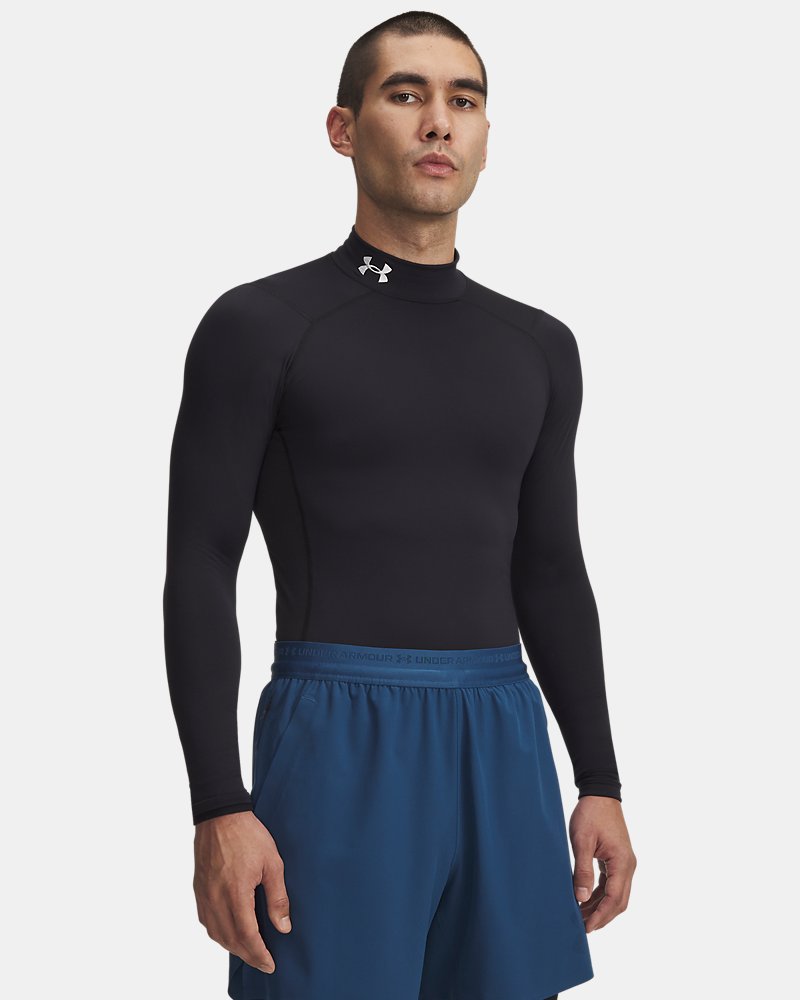
Under Armour ColdGear Compression Mock
Dual-layer fabric with an ultra-warm brushed interior and a smooth, fast-drying exterior. Keeps your core insulated without restricting marker shouldering.
- Material: 87% Polyester / 13% Elastane thermal knit
- Wicking: Transports sweat away from skin instantly
- Fit: 4-way stretch compression with mock neck seal
2. Mid Layer (Breathable Insulation)
A lightweight micro-fleece quarter-zip or breathable softshell jacket provides thermal retention between games while allowing vapor to vent during heavy gameplay.
3. Outer Shell & Snow Camouflage
Wear water-resistant, durable ripstop paintball pants and an outer jersey or jacket. In deep snow, a white or winter-camo windbreaker creates incredible camouflage against frosted trees and snowdrifts.
4. Tactical Winter Gloves & Footwear
Your extremities lose heat fastest. Cold, numb fingers ruin your trigger reaction time. Pair a set of thermal tactical gloves with TPR knuckle armor and deep-lug waterproof trail boots with Merino wool socks.
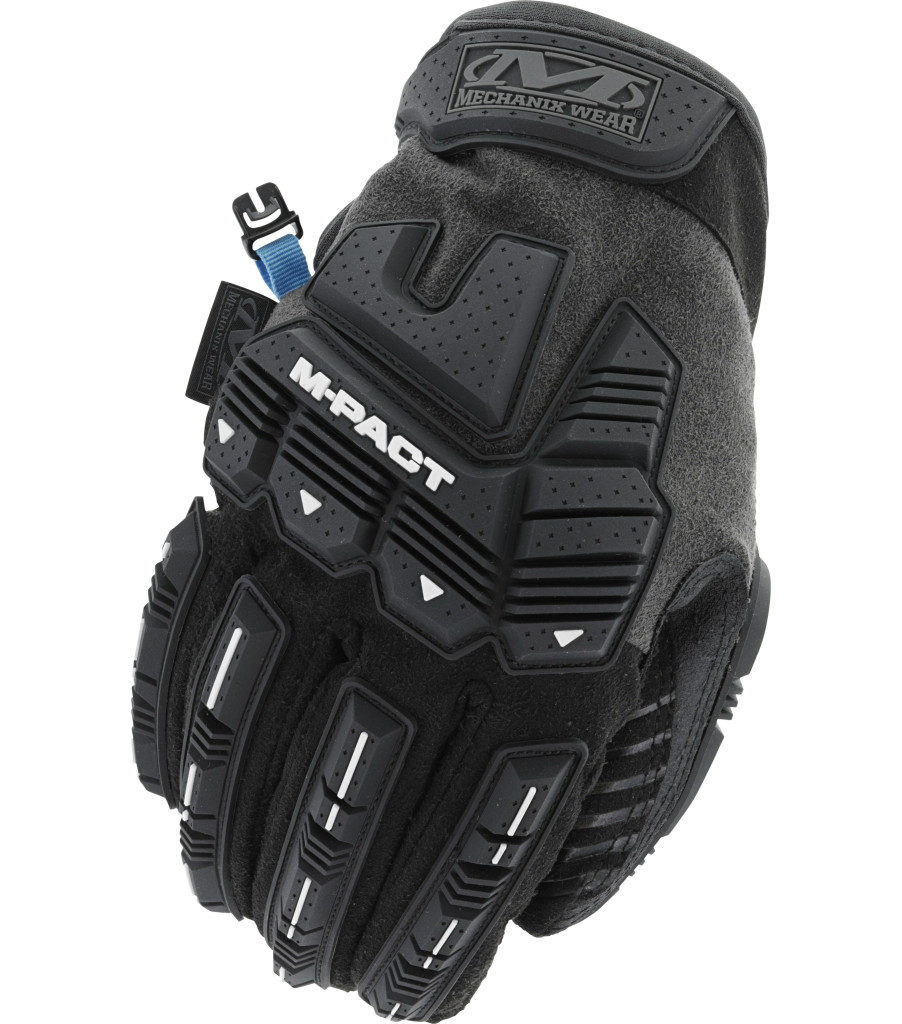
Mechanix Wear ColdWork M-Pact Winter Gloves
Engineered for cold-weather tactical operations. Features C40 3M Thinsulate insulation, waterproof SoftShell back, and flexible TPR knuckle impact armor.
- Insulation: 3M Thinsulate keeps hands warm down to sub-freezing temps
- Dexterity: Ergonomic palm contour preserves delicate trigger feel
- Impact Guard: Thermoplastic Rubber (TPR) protects against close-range bunker hits
Snow Woodsball Tactics: How to Win in Winter Terrain
Snow changes how tactical woodsball is played. Use these 4 field strategies to dominate:
- Exploit the Acoustic Dampening: Fresh snow absorbs acoustic vibrations. Footsteps, loader clicks, and breathing are virtually silent, making wide flanking maneuvers through outer tree lines devastatingly effective.
- Watch for Foot Trails: Opponents cannot hide where they have traveled in fresh snow. Scan for disturbed powder leading into bunkers or thickets to pinpoint sniper ambushes.
- Controlled Footwork Around Bunkers: Never sprint full speed into a snow-covered bunker. Packed snow turns to slick ice under paintball traffic, leading to dangerous slide-outs. Use low, deliberate center-of-gravity steps.
- Keep Barrel Plugs / Squeegees Clean: If you drop your marker in the snow, immediately check the barrel tip. Packed snow inside a barrel creates a lethal obstruction that will burst the next paintball and spray your lens with paint.
Post-Game Snow Protocol: Protecting Your Gear
The biggest threat to paintball gear in the winter happens after the game when you bring frozen equipment into a warm staging room:
- Brush Off All Snow Outdoors: Before entering a heated vehicle or staging lodge, use a dry towel or soft brush to sweep all snow off your marker, hopper, and pod pack. If you bring snow into a warm room, it melts into liquid water that seeps into electronic grips and solenoids.
- Dry Thermal Mask Foam: Never pack a wet goggle into a sealed gear bag. Let the open-cell face foam air-dry at room temperature to prevent mold and foam separation.
- Disassemble and Oil: Pull out your marker bolt, dry off condensation, and apply 2 drops of fresh synthetic oil to the striker and breach O-rings before storing.
Frequently Asked Questions (FAQ)
Does getting shot with a paintball hurt more in the snow?
If you are shooting cold, brittle summer paint that hardens before breaking, impacts can feel slightly sharper. However, because players wear 3 layers of thermal clothing, tactical jackets, and beanies in the winter, the extra padding actually absorbs the majority of impact energy, making winter paintball generally less painful than summer play.
Can snow damage an electronic paintball marker?
Yes. If melting snow enters the grip frame, micro-switch trigger harness, or circuit board, it can cause short circuits and solenoid failure. If you plan to play in active snowfall, use a mechanical marker like the Planet Eclipse EMEK 100 or seal your electronic grip seams with waterproof silicone tape.
What temperature is too cold for paintball?
Most commercial paintball fields remain open down to $15^\circ ext{F}$ to $20^\circ ext{F}$ ($-7^\circ ext{C}$ to $-9^\circ ext{C}$). Below $15^\circ ext{F}$, even specialized winter paint begins to freeze, O-rings lose elasticity, and the risk of frostbite on exposed fingers increases dramatically.
Final Verdict: Embrace the Winter Snow Season
Playing paintball in the snow is an exhilarating experience that every player should try at least once. With the right preparation—Winter Formula Paint, a reliable HPA tank, a dual-pane thermal goggle, and technical thermal layers—you can stay warm, shoot straight, and enjoy an unforgettable day of high-action winter tactical paintball.