In our cold-weather drift logs below the Kentucky Dam turbine boils and sultry July nights pinning live green sunfish above Green River sycamore logjams, we have proved time and again why the best catfish fishing spots in kentucky belong among the top trophy catfishing waters in North America. Framed by the mighty Ohio, Tennessee, Cumberland, and Green rivers—plus sprawling reservoirs like Kentucky Lake, Lake Barkley, and Barren River Lake—Bluegrass waters hold 106-pound Blue Catfish, 97-pound Flathead Catfish, and 32-pound Channel Catfish.
Because productive kentucky catfishing spans six-knot Ohio River lock tailwaters and calm central-Kentucky reservoir coves, matching terminal lead weight and bait freshness to each watershed separates slow afternoons from personal-best trophies. Heavy 8- to 12-ounce no-roll sinkers loaded with bloody skipjack herring dominate Olmsted and Kentucky Dam scour holes, whereas 2-ounce Santee Cooper drift rigs with cut gizzard shad excel across Barkley and Taylorsville flats. Below are verified GPS launches, depth contours, 2026 KDFWR rules, and winning tactics for catfish in kentucky.
✔ 2026 KDFWR Rules & Rigs Verified
Kentucky Catfishing At a Glance: Top Waters & Winning Rigs
- #1 Trophy Waterway: Ohio River at Olmsted Dam (106.90 lb state-record Blue Catfish water) & Kentucky Dam Tailrace (30–58 ft scour holes).
- Peak Bite Windows: Spring canal & tailrace surges at 52–64°F (April–May), summer night Flatheads at 74–86°F, and fall shad runs (54–68°F).
- 2026 KDFWR Bag & Size Limit: Unlimited harvest under trophy size statewide; Daily Trophy Cap: max 1 Channel ≥28″, max 1 Blue ≥35″, max 1 Flathead ≥35″ per day.
- Primary Winning Setup: Ugly Stik Catfish Special 7’6″ + Abu Garcia C3 6500 / Penn Battle IV 6000 + 65 lb Braid + Heavy Slip-Sinker / Santee Rig.
Best Catfish Fishing Spots in Kentucky: 2026 Waterway & GPS Matrix
Before hitching the boat or packing bank rod holders, compare all eight premier catfish in kentucky fisheries across target species, holding structure, top baits, and public launch access below.
| Lake / River Section | Primary Target Species | Key Structure / Dam Tailrace | Best Bait / Lure | Public Ramp / Bank Access |
|---|---|---|---|---|
| Kentucky Lake & Dam Tailrace | Blue Catfish, Channel Catfish, Flathead | 20–55 ft Kentucky Dam turbine boils, Barkley Canal & Tennessee River ledges | Fresh cut skipjack herring, gizzard shad & live sunfish | Kentucky Dam Village Marina, Canal Ramp & Tailwater Park |
| Lake Barkley & Dam Tailrace | Blue Catfish, Channel Catfish, Flathead | 18–48 ft Barkley Dam tailwaters, Cumberland channel drops & riprap bays | Cut skipjack, gizzard shad, chicken liver & live bluegill | Barkley Dam Tailwater Ramp, Lake Barkley State Resort & Eddy Creek |
| Ohio River — Olmsted & Paducah | Blue Catfish, Flathead Catfish, Channel | 30–60 ft lock tailwater scour holes, wicket boils & barge wing dikes | Fresh bloody skipjack herring, goldeye & live suckers | Paducah Riverfront Ramp, Ballard WMA & Metropolis/Brookport access |
| Ohio River — McAlpine (Louisville) | Blue Catfish, Flathead Catfish, Channel | 22–48 ft Falls limestone ledges, hydro boils & Shippingport eddies | Fresh skipjack herring, shad, live sunfish & creek chubs | Cox Park Ramp, Shawnee Park & Falls of the Ohio Clarksville shore |
| Green River & Green River Lake | Flathead Catfish, Channel Catfish, Blue Catfish | 12–30 ft river logjams, Robinson Creek flats & Green River arm ledges | Live green sunfish, chubs, cut shad & nightcrawlers | Green River Lake State Park, Lone Valley & Rochester Dam ramps |
| Taylorsville Lake (Spencer Co.) | Channel Catfish, Flathead Catfish, Blue Catfish | 8–24 ft Van Buren & Chowning Lane riprap, Possum Ridge & Salt River arm | Chicken liver, nightcrawlers, raw shrimp, cut shad & dip bait | Possum Ridge Boat Ramp (ADA pier), Van Buren & Chowning Lane |
| Barren River Lake (Barren/Allen) | Channel Catfish, Flathead Catfish, Blue Catfish | 12–28 ft Beaver Creek & Narrows channel swings, bluff points & riprap | Fresh cut shad, chicken liver, stink bait & live sunfish | Barren River Lake State Resort Park, Walnut Creek & Peninsula Ramp |
| Lake Cumberland (Upper Arms) | Flathead Catfish, Channel Catfish, Blue Catfish | 15–35 ft Wolf Creek, Fishing Creek & South Fork canyon ledges & timber | Live sunfish/shad, cut shad, nightcrawlers & crawfish | Lake Cumberland State Resort Park, Conley Bottom & Burnside Marina |
Detailed Waterway Breakdowns, GPS Launches & Field Logs
Every destination below includes an interactive Google Map centered on verified public launch access, exact GPS coordinates, water specs, and firsthand Angler Field Log notes from Kentucky waters.
1. Kentucky Lake & Kentucky Dam Tailrace (Marshall / Livingston County)
Anchoring western Kentucky’s legendary Land Between the Lakes corridor, 160,300-acre Kentucky Lake and the turbulent Tennessee River tailwaters immediately below Kentucky Dam stand among the premier destinations for best catfish fishing spots in kentucky. Whenever Tennessee Valley Authority (TVA) turbines surge, millions of threadfin and gizzard shad get swept through the spillway gates, stacking trophy Blue Catfish and hard-fighting Channel Catfish along the concrete lock walls, wing dikes, and 35- to 55-foot scour holes downstream toward Paducah. Upstream on the main lake, the 1.5-mile Barkley-Kentucky Canal and submerged Tennessee River channel drops hold massive summer and fall catfish schools.
Below Kentucky Dam, match your lead to turbine generation: when two or three turbines are running, 6- to 10-ounce flat no-roll sinkers on sinker slides keep fresh skipjack herring fillets pinned along 35-foot limestone ledges, whereas slack water calls for slow-drifting 2-ounce Santee Cooper rigs over mussel beds. In April and May, focus on the Barkley-Kentucky Canal where warming current draws thousands of migrating Blues and Channels through the narrow cut. Both boaters and shore anglers enjoy outstanding access along the paved tailwater fishing walls—just obey USACE safety buoys near the powerhouse boils.
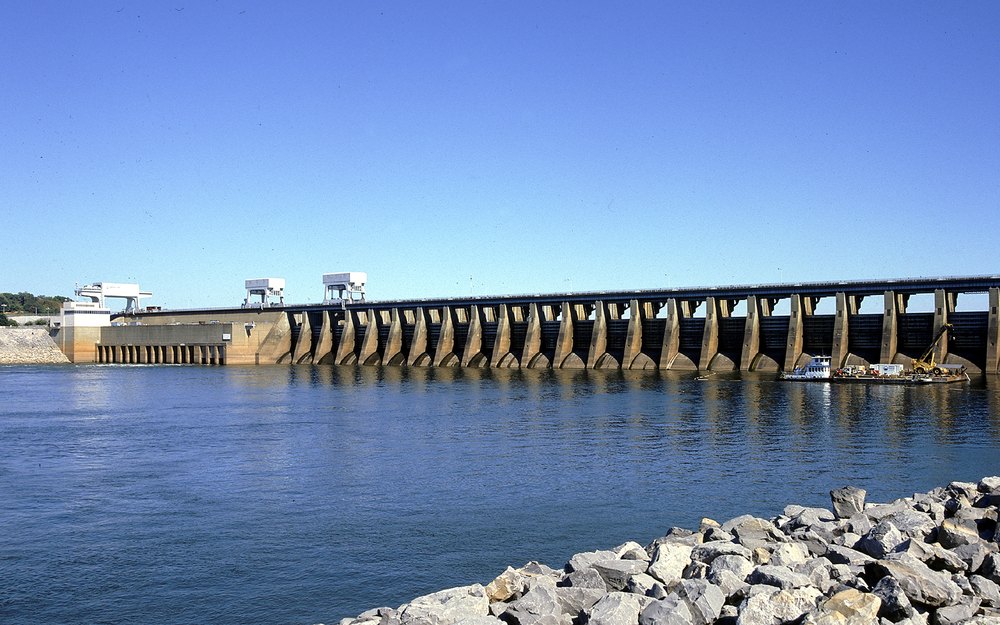
Verified Launch GPS: 37.0131, -88.2686
Spot Water & Access Specs
- Target Species: Trophy Blue Catfish (15–80+ lb), Channel Catfish (3–18 lb), Flatheads
- Water Footprint: 160,300-acre Tennessee River impoundment + roaring Kentucky Dam tailrace
- Productive Depth: 20 to 55 ft tailwater scour holes, Barkley Canal & main-river ledges
- Current Force: Variable TVA/USACE turbine generation (2–5 knots); 4–10 oz river leads
- Top Local Baits: Fresh bloody skipjack herring, cut gizzard shad & live green sunfish
- Public Access: Kentucky Dam Tailwater Access, Kentucky Dam Marina & Kenlake State Park
Angler Field Log: Drifting three-way skipjack rigs 600 yards below Kentucky Dam on a steady 3-turbine release (58°F water), we worked the 38-foot rock shelf bordering the navigation channel. Two hours of controlled bumping put eleven Blue Catfish in the net from 14 to 42 pounds, plus a bonus 21-pound Flathead tight to the riprap.
2. Lake Barkley & Barkley Dam Tailrace (Lyon / Livingston County)
Running parallel to Kentucky Lake just east of the Land Between the Lakes peninsula, 57,920-acre Lake Barkley carries slightly darker, more nutrient-rich Cumberland River water that warms faster in spring and grows remarkably thick Channel, Blue, and Flathead Catfish. Below Barkley Dam near Grand Rivers, USACE discharge gates create oxygenated tailrace eddies where 20- to 60-pound Blues pin baitfish against submerged rock wing walls. On the main reservoir, shallow stump-filled bays like Eddy Creek and Little River hold spawning Channel Cats on riprap banks in late May before pulling out to 20- to 32-foot Cumberland River channel ledges all summer.
Because Lake Barkley’s flooded river bends hold plenty of old timber and mussel beds, we run 65-pound braided mainline with a 50-pound monofilament abrasion leader and 2.5-inch Santee peg floats to keep cut gizzard shad suspended four inches off bottom snags while drifting at 0.6 mph. In June, shore anglers can score fast Channel Catfish coolers along marina riprap and bridge causeways using chicken liver or dip baits under slip-floats. When fishing south toward the Tennessee border, remember Kentucky’s statewide trophy limit (1 Blue/Flathead >= 35″ and 1 Channel >= 28″ daily) and verify reciprocal line boundaries.
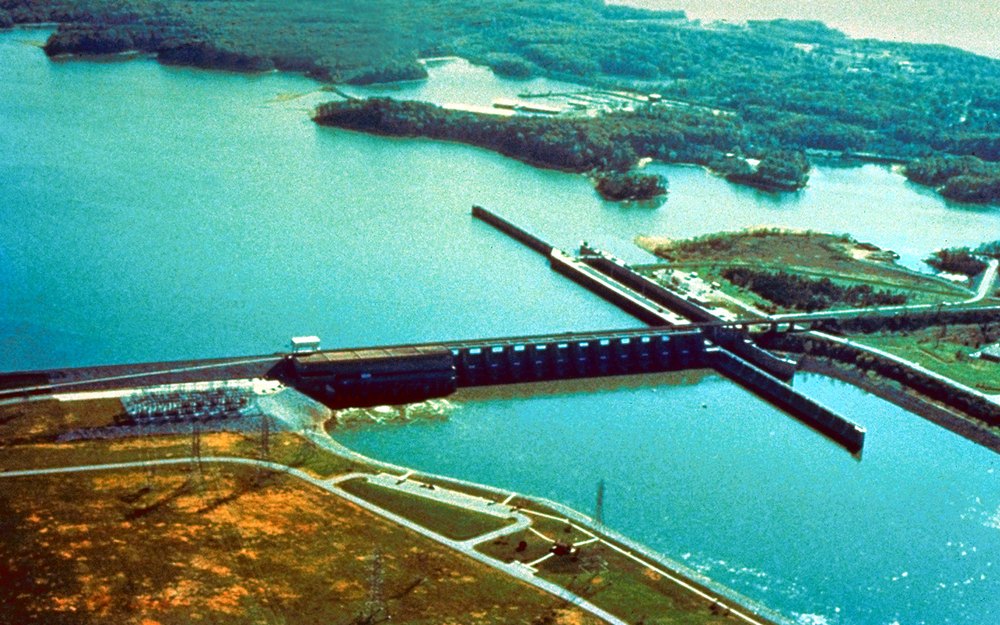
Verified Launch GPS: 37.0225, -88.2211
Spot Water & Access Specs
- Target Species: Blue Catfish (12–70 lb), Channel Catfish (3–16 lb), Flatheads (15–50 lb)
- Water Footprint: 57,920-acre Cumberland River reservoir + high-flow USACE tailwater
- Productive Depth: 18 to 48 ft Cumberland River channel ledges, bay mouths & dam apron
- Current & Clarity: More stained than Kentucky Lake; 3–8 oz leads in tailrace, 1–3 oz on lake
- Top Local Baits: Fresh cut skipjack herring, gizzard shad, dip bait & live sunfish
- Public Access: Barkley Dam Tailwater Park, Kuttawa Harbor & Lake Barkley State Resort
Angler Field Log: Anchoring below Barkley Dam at first light in late April with 61°F water, we lobbed 5-ounce pyramid weights baited with fresh skipjack chunks along the 26-foot gravel bar off the west lock wall. Consistent rod-tip thumps produced nine Channel Cats up to 11 pounds and four stout Blue Catfish topped by a 33-pounder.
3. Ohio River at Olmsted Locks & Dam / Paducah (Ballard / McCracken County)
Down at Kentucky’s far western tip where the Tennessee and Cumberland rivers empty into the lower Ohio River above Olmsted Locks & Dam (River Mile 964.4), anglers encounter the heaviest Blue Catfish water in the Commonwealth. This exact tailwater stretch produced Glynn Grogan’s 106.90-pound (106-lb 14-oz) Kentucky state-record Blue Catfish in October 2018, and massive 40- to 90-pound Blues still prowl the 35- to 60-foot scour holes below Olmsted and Smithland dams year-round. Colossal barge traffic and deep rock wing dikes create textbook hydraulic eddies where trophy catfish feed without fighting the six-knot main current.
Respecting lower Ohio River hydraulics is mandatory: spool 80-pound braided mainline onto high-capacity reels (Abu Garcia C3 6500 or Penn Battle IV 6000/8000), tie on 80-pound monofilament leaders, and pack 8- to 14-ounce bank or no-roll sinkers to hold bottom behind Olmsted’s scour ledges. Use our catfish sinker weight calculator before dropping anchor so your bait sits motionless in the seam rather than rolling into rock snags. Always stay outside restricted USACE lock exclusion buoys and keep watch for fifteen-barge towboats.
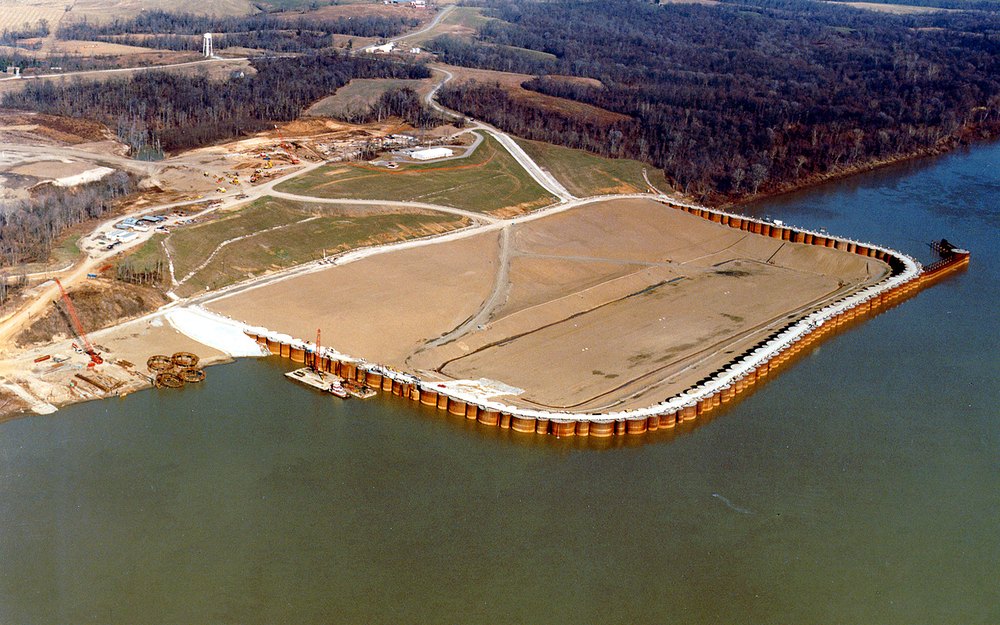
Verified Launch GPS: 37.1819, -89.0644
Spot Water & Access Specs
- Target Species: Triple-Digit Blue Catfish (25–106+ lb), Flatheads (20–60 lb), Channels
- Record Heritage: 106.90 lb (106 lb 14 oz) KY State Record Blue Catfish (Olmsted, Oct 2018)
- Productive Depth: 30 to 60 ft dam scour pockets, rock dike eddies & Tennessee confluence
- Current Force: Massive 4 to 6-knot lower Ohio flow requiring 8–14 oz no-roll/bank leads
- Top Local Baits: Fresh cut skipjack herring heads/steaks, river drum & live bullheads
- Public Access: Paducah Riverfront Boat Ramp, Metropolis Ramp & Ballard County access
Angler Field Log: Anchoring along a 44-foot wing-dike scour pocket below Olmsted on a crisp 49°F November morning, we deployed 10-ounce no-roll leads with whole bloody skipjack heads on 10/0 inline circle hooks. An hour into the set, the starboard heavy rod folded to the gunwale—delivering a 57-pound Blue Catfish after a twelve-minute tug-of-war in heavy boil current.
4. Ohio River at McAlpine Locks & Dam / Falls of the Ohio (Jefferson County)
Running right past downtown Louisville at River Mile 606.8, McAlpine Locks & Dam and the historic Falls of the Ohio limestone rapids form one of the most productive urban trophy fisheries for kentucky catfishing. As Ohio River flows drop 26 feet over ancient Devonian limestone shelves into deep tailwater scour pools, massive schools of skipjack herring, mooneye, and gizzard shad stack inside the hydro boils—drawing 20- to 65-pound Blue Catfish and bruising Flatheads within sight of the Louisville skyline. Shore anglers can also wade and fish the rocky Indiana-side Falls ledges when water levels are low and safe.
From a boat launched at Cox Park or Shawnee Park, target the distinct current seam where fast whitewater from the tainter gates meets slower back-eddies along Shippingport Island, running 6- to 8-ounce no-roll sinkers with fresh bloody skipjack fillets. During hot July and August evenings, slide downstream below the hydro discharge and pitch live bluegill or creek chubs tight against submerged limestone shelves for 25- to 45-pound Flatheads. Always verify Louisville river gauge heights and lock horn warnings before approaching tailwater zones.
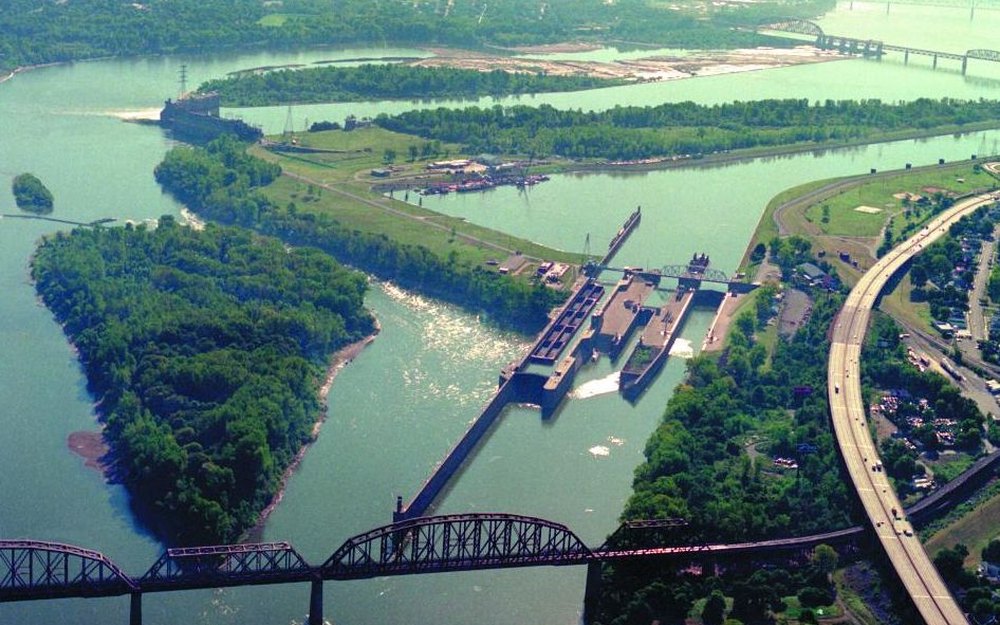
Verified Launch GPS: 38.2689, -85.7789
Spot Water & Access Specs
- Target Species: Blue Catfish (15–70 lb), Flathead Catfish (15–55 lb), Channel Catfish
- Tailrace Zone: McAlpine Locks & Dam (River Mile 606.8) & fossilized limestone Falls
- Productive Depth: 22 to 48 ft limestone drop-offs, hydro tailrace seams & outside bends
- Current Force: Strong 3 to 5-knot tailrace boils; 5–10 oz flat no-roll sinkers
- Top Local Baits: Fresh cut skipjack, gizzard shad & live 5–7 in. sunfish/chubs
- Public Access: Cox Park Boat Ramp, Shawnee Park Ramp & Falls of the Ohio State Park IN
Angler Field Log: Working the lower McAlpine seam in early September (76°F water) with 6-ounce flat leads and fresh cut skipjack caught on Sabiki rigs in the boils, we anchored on a 31-foot limestone ledge. Four hours of steady action produced seven Blue Catfish up to 34 pounds and a 24-pound Flathead.
5. Green River & Green River Lake (Taylor / Muhlenberg County)
Steeped in Bluegrass catfishing history as the river that yielded Esker Carroll’s 97-pound Kentucky state-record Flathead in 1956, the Green River system—spanning 8,210-acre Green River Lake near Campbellsville down through the deep, timber-lined main river pools toward Rochester and Calhoun—remains unmatched for big-river Flatheads and reservoir Channel Cats. On Green River Lake, the Green River arm and Robinson Creek arm feature flooded creek channels flanked by mudflats that load up with 3- to 12-pound Channel Catfish every summer. Downriver along the flowing Green River pools, massive submerged sycamore logjams and 25-foot outside-bend holes shelter true 40- to 70-pound Flatheads.
To wrestle big Green River Flatheads out of dense river logjams, step up to 65- or 80-pound braided mainline with a 60-pound monofilament leader, anchor thirty yards upstream of a submerged rootball, and suspend a lively 6-inch green sunfish or creek chub right in front of the wood pile after dark. On Green River Lake itself, drift 1.5-ounce slip-sinkers tipped with cut shad, chicken liver, or nightcrawlers across 10- to 18-foot flats adjacent to the old river channel. Check KDFWR’s 1-fish-per-day trophy cap (>= 35″ Flathead/Blue, >= 28″ Channel) before keeping a big spawner.
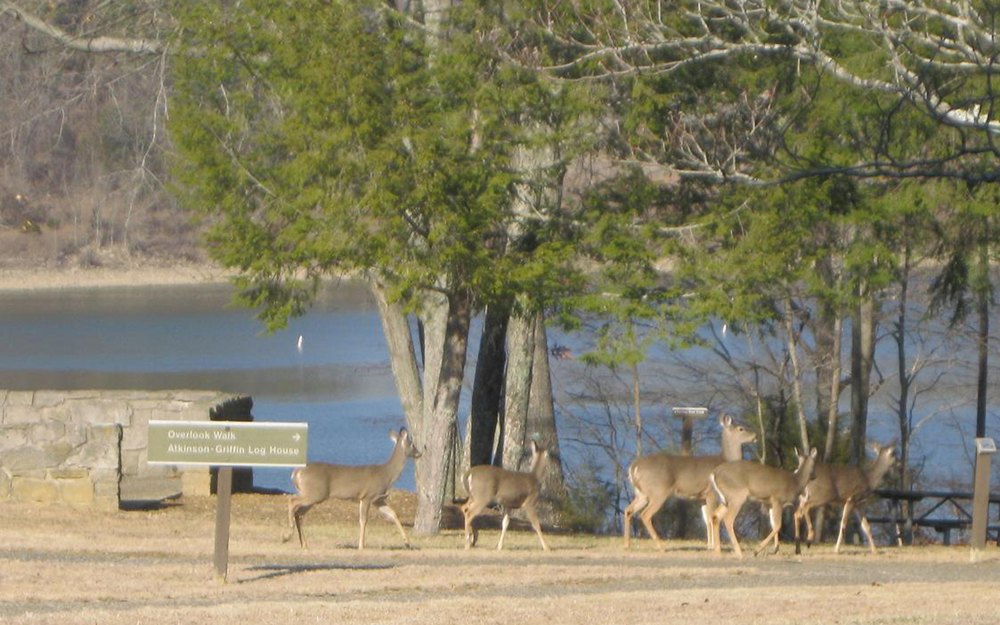
Verified Launch GPS: 37.2467, -85.3442
Spot Water & Access Specs
- Target Species: Giant Flathead Catfish (15–80+ lb), Channel Catfish (3–15 lb), Blues
- Record Heritage: 97.00 lb Kentucky State Record Flathead Catfish (Green River, 1956)
- Productive Depth: 12 to 30 ft submerged river bends, logjams & Robinson Creek flats
- Current & Cover: Deep, slow-moving timber pools on river; stump flats on 8,210-acre lake
- Top Local Baits: Live 5–7 in. sunfish/chubs/carp (Flatheads); nightcrawlers & shad (Channels)
- Public Access: Green River Lake State Park Ramp, Lone Valley, Smith Ridge & river ramps
Angler Field Log: Anchoring above a deep outside-bend timber jam on the lower Green River in late June (75°F water), we dropped two live bluegill on 8/0 circle hooks into 21 feet of slow eddy current. At 10:40 PM, our heavy rod doubled under a thick 36-pound Flathead that tested every strand of 80-pound braid before sliding into the net.
6. Taylorsville Lake (Spencer County)
Located right between Louisville and Lexington in Spencer County, 3,050-acre Taylorsville Lake is central Kentucky’s go-to destination for fast-action Channel Catfish from both boat and shoreline. Impounded along the fertile Salt River valley, Taylorsville packs a dense gizzard shad forage base and miles of rocky riprap around boat ramps, bridge abutments, and the dam face—prime spawning and feeding terrain for 2- to 12-pound Channel Catfish plus hefty Flatheads. In June, rocky banks around the Van Buren and Chowning Lane ramps come alive with aggressive spawners.
Bank anglers without a boat can fish comfortably from the ADA-accessible platform at Possum Ridge Boat Ramp or hike the steep riprap along the dam face, rigging 1-ounce egg sinkers or slip-floats with chicken livers, nightcrawlers, or garlic-soaked shrimp. From a boat or kayak, idle up the Salt River arm past Van Buren and drift 1.5-ounce Santee Cooper rigs baited with fresh cut shad along 12- to 20-foot creek-channel edges. Because there is no daily creel limit on Channel Catfish under 28 inches in Kentucky, Taylorsville is unbeatable for filling a summer fish-fry cooler.
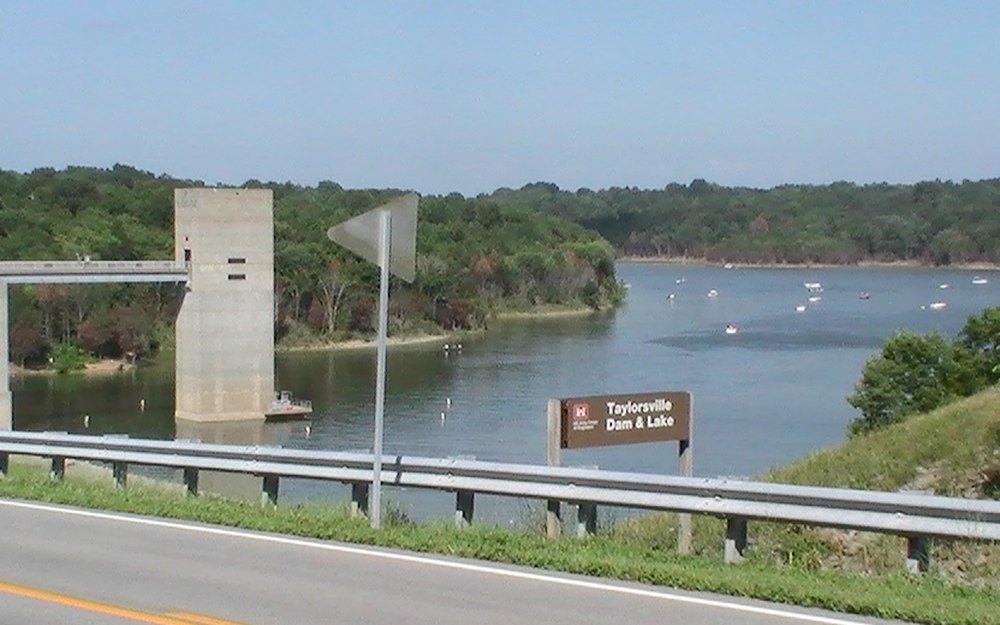
Verified Launch GPS: 38.0156, -85.2994
Spot Water & Access Specs
- Target Species: Abundant Channel Catfish (2–14 lb), Flathead Catfish, stocked Blues
- Lake Footprint: 3,050-acre central Kentucky USACE reservoir along the Salt River
- Productive Depth: 8 to 24 ft flooded creek bends, riprap shorelines & dam face rocks
- Shore Access: Outstanding bank access at Possum Ridge ADA pier, Van Buren & dam
- Top Local Baits: Chicken livers, nightcrawlers, garlic shrimp, stink baits & cut shad
- Public Access: Possum Ridge Ramp, Van Buren Boat Ramp & Chowning Lane Ramp
Angler Field Log: Working the riprap points near Van Buren Ramp at dawn in mid-June (73°F water) with slip-floats and chicken-liver/nightcrawler combos, we targeted 8- to 13-foot rocky drop-offs. Ninety minutes of steady bites put ten plump Channel Catfish from 2.5 to 7 pounds in the cooler.
7. Barren River Lake (Barren / Allen County)
Sprawling across 10,000 acres in Barren and Allen counties near Glasgow, Barren River Lake is a south-central Kentucky staple celebrated for high-volume Channel Catfish, stout night-prowling Flatheads, and an expanding KDFWR-stocked Blue Catfish population. Fed by Barren River, Skaggs Creek, and Beaver Creek, the reservoir offers long, winding creek arms, rocky bluff points around The Narrows, and accessible shoreline near Barren River Lake State Resort Park. When daytime recreational boat traffic ramps up in July and August, experienced locals shift to after-dark anchoring along major creek-channel swings.
For summer night Channel Catfish limits, anchor on a 14- to 22-foot channel drop inside Beaver Creek or Skaggs Creek, fanning four rods rigged with 1.5-ounce slip-sinkers and fresh cut gizzard shad or prepared stink baits. If you want a 25-pound-plus Flathead, keep one or two heavier 7’6″ rods rigged with 65-pound braid and lively 5-inch bluegill pinned tight to flooded timber points near The Narrows. For stocked Blue Catfish, slow-drift Santee shad rigs across open 20- to 28-foot main-basin flats at dawn.
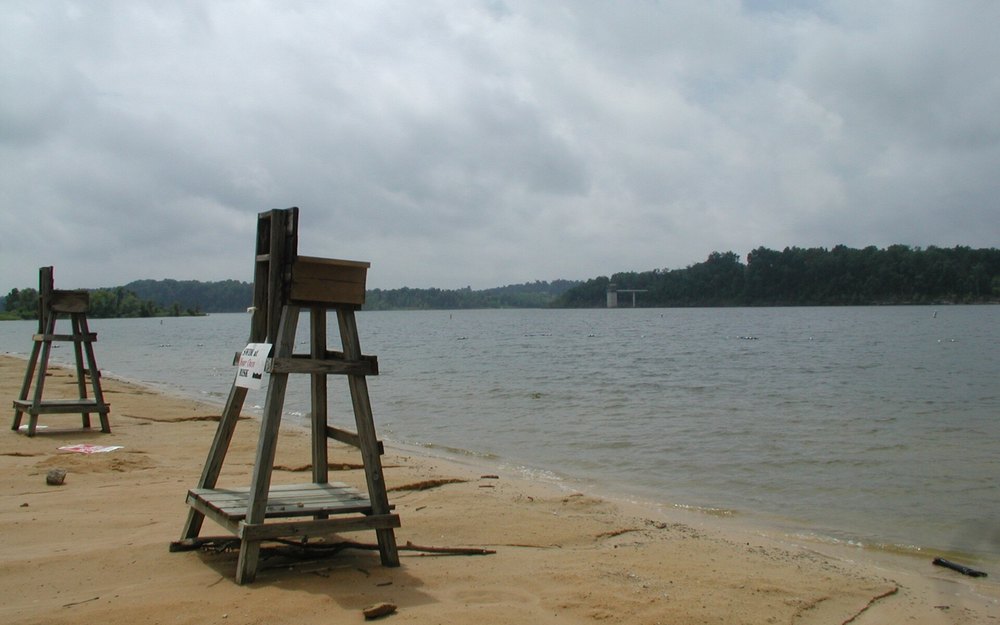
Verified Launch GPS: 36.8906, -86.1244
Spot Water & Access Specs
- Target Species: Channel Catfish (3–15 lb), Flathead Catfish (12–45 lb), stocked Blues
- Lake Footprint: 10,000-acre south-central USACE reservoir near Glasgow & Bowling Green
- Productive Depth: 12 to 28 ft Beaver Creek arm, Skaggs Creek & main-channel swings
- Peak Bite Style: Renowned summer night-fishing reservoir along creek channels & points
- Top Local Baits: Fresh cut gizzard shad, chicken liver, dip baits & live 5-in. bluegill
- Public Access: Barren River State Resort Park, Narrows Ramp, Walnut Creek & Peninsula
Angler Field Log: Anchoring along a 17-foot Beaver Creek channel bend after sunset in late July (80°F surface temp), we split rods between cut gizzard shad and live bluegill. By 1:00 AM we had landed twelve Channel Catfish up to 8 pounds plus a 23-pound Flathead off the timbered point.
8. Lake Cumberland & Upper Creek Arms (Russell / Wayne County)
Covering 65,530 acres across south-central Kentucky, Lake Cumberland is world-famous for striped bass and walleye in its crystal-clear lower canyon—yet its stained upper riverine arms around Burnside, Pitman Creek, Fishing Creek, and the South Fork harbor exceptional, under-pressured Flathead and Channel Catfish populations. Steep sandstone bluffs, submerged rockslides, and flooded timber pockets give big Flatheads ambush cover right next to deep 30-foot channel drops loaded with gizzard and threadfin shad.
Skip the ultra-clear main basin near Wolf Creek Dam at midday and concentrate instead in the upper creek arms above Conley Bottom and Burnside after rainstorms or during low-light hours. Anchor along rocky bluff bends dropping from 12 to 28 feet, pitching live 5-inch sunfish on 50-pound mono leaders for prowling Flatheads and fresh cut shad chunks for Channel Catfish. Note that the tailrace directly below Wolf Creek Dam turns icy cold (48–54°F) for trout, so warm-water catfish anglers stay up in the main reservoir’s upper tributaries.
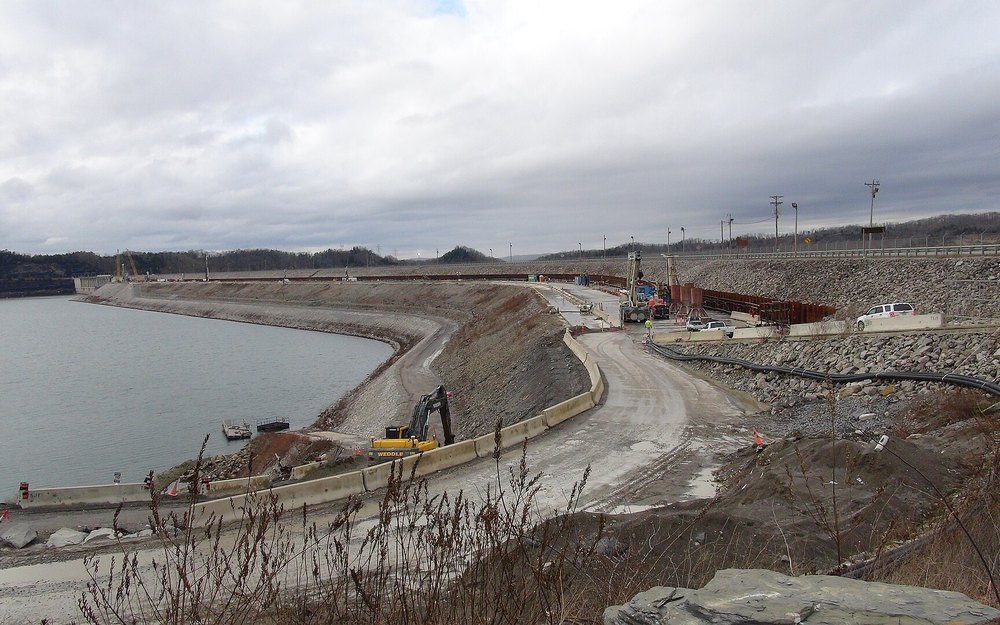
Verified Launch GPS: 36.8714, -85.1456
Spot Water & Access Specs
- Target Species: Flathead Catfish (12–50 lb), Channel Catfish (4–16 lb), Blue Catfish
- Lake Footprint: 65,530-acre deep canyon reservoir impounded by Wolf Creek Dam
- Productive Depth: 15 to 35 ft stained upper creek arms (Fishing Creek, Burnside, South Fork)
- Clarity Factor: Lower basin is ultra-clear; upper riverine arms hold stained catfish cover
- Top Local Baits: Live 5–7 in. bluegill/shad (Flatheads); cut shad & nightcrawlers (Channels)
- Public Access: Lake Cumberland State Resort Park, Burnside Marina, Conley Bottom & Waitsboro
Angler Field Log: Setting up along a shaded rock-and-timber bluff in Fishing Creek arm on a warm June evening (76°F surface temp), we fished live bluegill under heavy slip-floats 14 feet down over a 26-foot drop. Dusk triggered three solid bites, including a 21-pound Flathead and four 5- to 8-pound Channel Catfish on cut shad.
Species Biology, Terminal Rigging & 2026 Tactical Blueprint
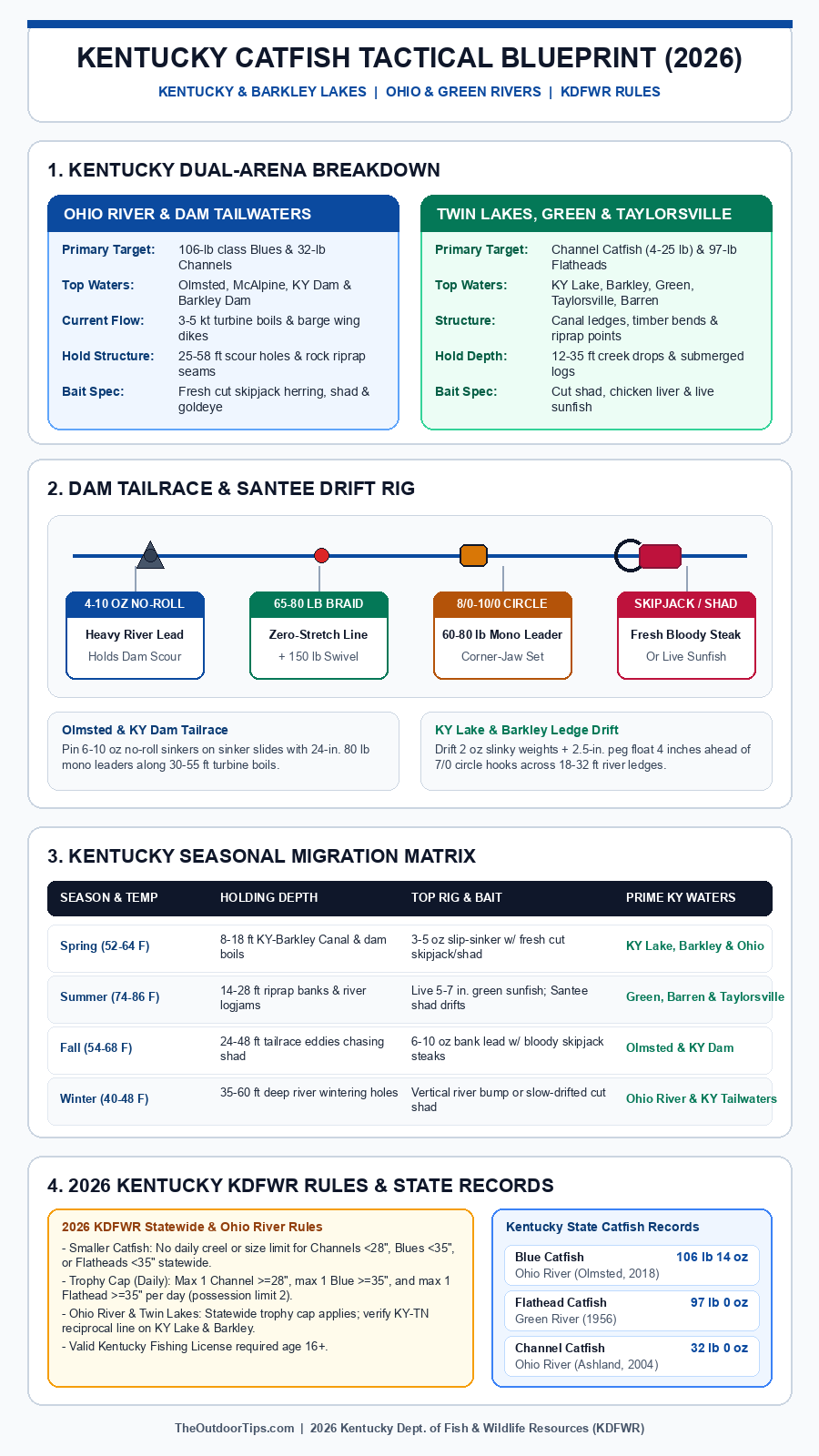
Mastering kentucky catfishing starts with matching your terminal hardware to dam tailrace boils versus main-lake channel ledges. Below Olmsted, McAlpine, Kentucky Dam, and Barkley Dam, heavy 6- to 12-ounce flat no-roll sinkers on sinker slides keep fresh bloody skipjack herring steaks anchored inside 30- to 55-foot scour holes. When drifting across Lake Barkley, Kentucky Lake, or Barren River Lake ledges, drop down to 1.5- to 2.5-ounce slinky weights and add a 2.5-inch Santee peg float four inches ahead of a 7/0 inline circle hook to hover cut gizzard shad cleanly above zebra-mussel beds and submerged stumps.
For predatory Flatheads on the Green River and Lake Cumberland’s upper arms, skip processed stink baits completely and fish lively 5- to 7-inch green sunfish, creek chubs, or bluegill on 50- to 80-pound monofilament leaders just upstream of outside-bend logjams after dark. Need exact sinker weight, spool capacity, or knot strength numbers before tying on? Dial in your terminal setup using our sinker weight calculator, reel line capacity calculator, knot strength matcher, and complete catfish bait guide.
Catching Fresh Skipjack Herring in Kentucky Dam Tailwaters
On the Tennessee, Cumberland, and Ohio rivers, fresh skipjack herring is liquid gold for trophy Blue Catfish. Veteran Kentucky river captains spend the first forty-five minutes of morning casting 1/16-ounce white curly-tail grubs, silver spoons, or Sabiki rigs directly into tailrace current boils below Kentucky Dam, Barkley Dam, and McAlpine to fill livewells with silver skipjack. Slice each fish behind the gill plate into thick, bloody fillets with the tough skin intact so your 8/0 or 10/0 circle hook stays locked during heavy casts into four-knot seams. Keep extra skipjack packed over ice slush rather than soaking in warm bucket water so the oils and scent trails stay potent all day.
Watch Our Heavy River & Santee Drift Catfish Rigging Demonstration
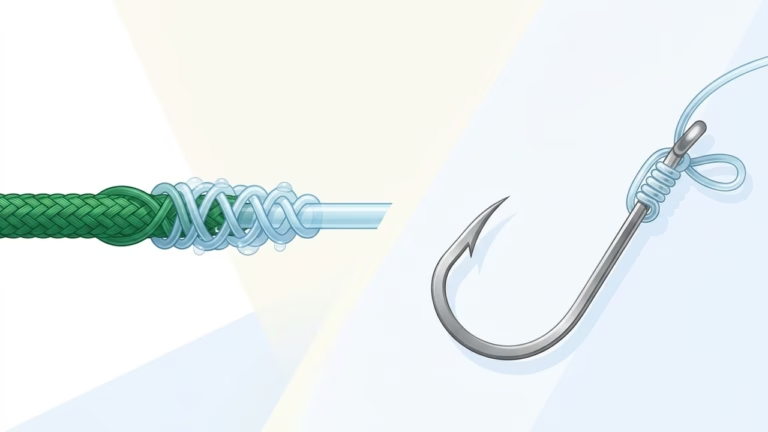
Transitioning cleanly between heavy 8-ounce Ohio River tailrace anchors and 2-ounce Santee drifts on Kentucky Lake or Barkley takes thirty seconds once you dial in leader length and swivel hardware. Watch our rigging demonstration below:
Recommended Kentucky Catfish Tackle & Rig Loadout (2026 Field Picks)
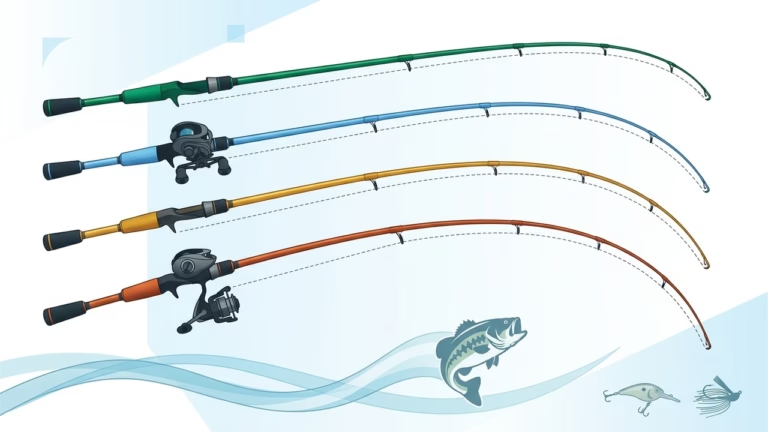
From wrenching sixty-pound Ohio River Blues out of Olmsted rock boils to drifting cut shad across Barkley ledges, dependable rod backbone and zero-stretch braid keep trophy fish out of submerged cover:
| Gear Component | Recommended Model | Exact Spec (Power / Ratio / LB) | Why It Works in Kentucky | Check Live Price |
|---|---|---|---|---|
| Catfish Rod | Ugly Stik Catfish Special 7’6″ MH / Heavy | 7’6″ 1-pc / 2-pc, Heavy Action, 15–50 lb | Glass-graphite tip reads light Channel bites while holding backbone for 10 oz Olmsted leads. | |
| Heavy Reel | Abu Garcia Ambassadeur C3 6500 / Penn Battle IV 6000 | 5.3:1 Gear Ratio, 20–25 lb Drag, Clicker | Loud bait-clicker and brass gears survive Kentucky Dam turbine boils and 60-lb Ohio River Blues. | |
| Mainline & Leader | 65–80 lb Braid + 50–80 lb Mono Leader | 0.41 mm Braid + 0.70–0.85 mm Abrasion Mono | Zero-stretch braid turns Green River Flatheads out of logjams while thick mono resists mussel beds. | |
| Hooks & Weights | Gamakatsu Octopus Circle 6/0–10/0 + No-Roll Sinkers | Inline Offset-Free Circle + 2–12 oz No-Roll | No-roll flat lead resists rolling in 5-knot Ohio River scour; inline circle hooks pin corner-jaw clean. |
Kentucky Seasonal Hydrology & Bite Windows
Across Kentucky’s four-season river and reservoir cycle, spring canal migrations, summer turbine schedules, and autumn shad movements dictate where catfish stage:
| Season & Water Temp | Where Catfish Hold in Kentucky | Highest-Percentage Presentation | Prime Kentucky Water |
|---|---|---|---|
| Spring (52–64°F) | 8–18 ft KY-Barkley Canal & dam tailrace seams | 3–5 oz slip-sinker w/ fresh cut skipjack & gizzard shad | KY Lake, Barkley & Ohio |
| Summer (74–86°F) | 14–28 ft riprap banks & river logjams at night | Live 5–7 in. sunfish/chubs for Flatheads; Santee shad drifts | Green, Barren & Taylorsville |
| Fall (54–68°F) | 24–48 ft tailrace eddies chasing migrating shad | 6–10 oz bank lead w/ fresh bloody skipjack steaks | Olmsted, McAlpine & KY Dam |
| Winter (40–48°F) | 35–60 ft deep river wintering scour holes | Vertical river bumping or slow-drifted cut shad along ledges | Ohio River & KY Tailwaters |
Beyond the eight flagship waters profiled above, central and eastern Kentucky anglers also score solid Channel and Flathead action along the Kentucky River lock pools (Locks 1 through 14), Nolin River Lake, Rough River Lake, and Cave Run Lake. During warm spring rises and early summer inflows, Kentucky River lock walls below Carrollton, Frankfort (Lock 4), and Beattyville concentrate hungry Channel and Flathead Catfish inside calm lock-approach eddies and submerged limestone shelves. On highland and timber-heavy reservoirs like Cave Run Lake and Nolin River Lake, we switch away from heavy river bank weights and deploy 2-ounce sliding egg sinkers paired with 30-pound fluorocarbon leaders and 6/0 circle hooks—fan-casting fresh cut gizzard shad along standing timber flats at 14 to 22 feet or suspending live creek chubs under slip-bobbers tight to rocky bluffs after dark. These secondary Bluegrass waters carry far less tournament boat pressure than the western tailraces while consistently producing 10-to-25-pound Channel and Flathead Catfish from May through October.
Tailrace Generation Safety, Sonar Reading & Trophy Catch-and-Release
Fishing below Kentucky Dam, Barkley Dam, McAlpine, and Olmsted requires constant awareness of USACE and TVA generation schedules and spillway warning horns. Before dropping an anchor in heavy tailwater boils, always wear an auto-inflatable PFD, inspect your bow cleat, and rig a quick-release anchor buoy with a floating poly ball so you can unclip immediately if a barge tow approaches or submerged timber snags your rode—and keep a sharp serrated knife within arm’s reach at the helm at all times. Stay cleanly outside restricted spillway red-buoy lines and watch for sudden two-to-four-foot turbine surges when additional generators come online.
On modern side-imaging and down-imaging sonar, Kentucky tailrace Blue Catfish rarely hug dead flat mud during active generation; instead, we look for thick, arched fish marks stacked along the downstream edge of wing-dike scour holes, bridge pilings, and 30-to-50-foot bedrock ledges where baitfish get pinned by reverse eddies. When drift-fishing or vertical bumping through those deep scour troughs, match your lead weight precisely to your drift speed so your sinker ticks bottom every three to five seconds without dragging behind the boat. Bank anglers hunting best catfish fishing spots in kentucky without a boat can fish safely from the paved Kentucky Dam and Barkley Dam tailwater fishing walls, Taylorsville’s Possum Ridge ADA platform, and Louisville’s Cox Park shoreline. When releasing 35-inch-plus trophy Blues or Flatheads under KDFWR’s one-fish trophy cap, never hoist a heavy fish vertically by the jaw; cradle its belly horizontally with wet hands, measure quickly on a damp bump board, and hold the fish upright in calm shoreline eddy water until it kicks free under its own power.
2026 Kentucky KDFWR Regulations, Trophy Caps & Reciprocal Rules
Always verify current notices in the KDFWR Fishing & Boating Guide prior to keeping any catch:
- Smaller Catfish (Statewide & Ohio River): No daily creel or size limit for Channel Catfish under 28 inches, Blue Catfish under 35 inches, or Flathead Catfish under 35 inches.
- Trophy Size Limits (Daily & Possession): Anglers may keep only 1 Channel Catfish ≥28″, 1 Blue Catfish ≥35″, and 1 Flathead Catfish ≥35″ per day (possession limit is 2 of each trophy size).
- Kentucky Lake & Lake Barkley (KY-TN Reciprocal Agreement): Valid Kentucky licenses are recognized in designated reciprocal zones, but watch state-line markers if drifting south into Tennessee waters.
- Licensing: Valid Kentucky Fishing License required for residents and non-residents age 16+.
Free Interactive Angling Calculators & Rig Matchers
Dial in exact lead weight for Ohio River tailraces, verify reel backing capacity, and time solunar bite windows before launching:
Catfish Sinker Weight Calculator
Compute exact pyramid or no-roll sinker ounce weight for 1 to 6-knot Ohio and Tennessee currents.
Reel Line Capacity Calculator
Verify exact 65 lb braid yards and mono backing needed on Abu C3 6500 or Penn Battle IV spools.
Solunar & Bite Time Calculator
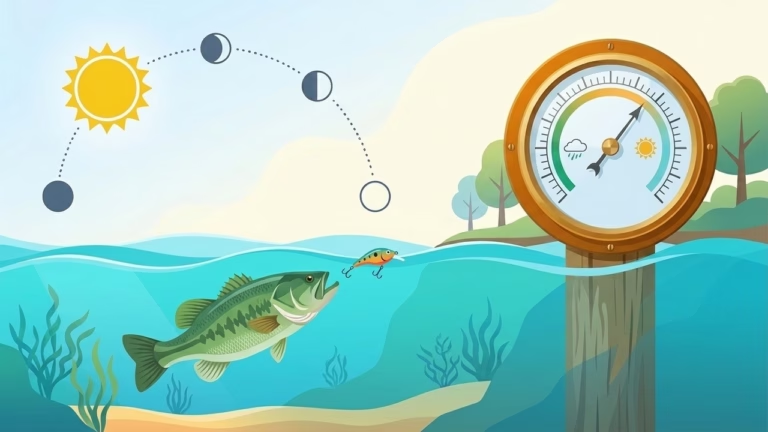
Time your night Flathead and tailrace Blue Catfish sets around peak barometric and moon feeding windows.
Final Captain’s Verdict: Picking Your #1 Kentucky Catfish Trip
If your goal is breaking your personal-best Blue Catfish weight in 2026, book your launch below Olmsted Locks & Dam on the Ohio River or drift the Kentucky Dam tailrace with 8-ounce no-roll sinkers, 65-pound braided mainline, and fresh bloody skipjack herring. Chasing a true Bluegrass river Flathead? Anchor live green sunfish or 6-inch river chubs after dark above outside-bend logjams on the Green River or limestone shelves below McAlpine Dam, keeping your drag locked tight enough to turn big fish out of timber before they wrap your leader. For fast, family-friendly coolers of chunky Channel Catfish under 28 inches, Lake Barkley, Taylorsville Lake, Barren River Lake, and Lake Cumberland deliver nonstop action from the spring spawn right through late autumn—and checking KDFWR’s 1-fish trophy limits before leaving the ramp keeps every trip 100% legal and sustainable for future generations of Kentucky anglers.
Before pulling away from the dock, double-check TVA or USACE tailrace generation schedules, verify your 65-pound braided mainline for any nicks from riprap or zebra mussels, and pack an aerated baitwell capable of keeping fresh skipjack herring and live sunfish kicking strong through summer heat. Whether you are drifting deep Ohio River barge channels at dawn or soaking live baits along Green River timber bends at midnight, dialing in weight, current speed, and fresh local forage puts trophy Kentucky whiskers in your net all season long.
Kentucky Catfishing FAQs
What are the 2026 Kentucky KDFWR catfish creel and size limits?
Kentucky allows unlimited harvest of smaller catfish statewide (no daily or size limit for Channel Catfish under 28 inches, Blue Catfish under 35 inches, or Flathead Catfish under 35 inches). However, KDFWR enforces strict daily trophy caps across all waters including the Ohio River, Kentucky Lake, and Lake Barkley: anglers may keep only 1 Channel Catfish 28 inches or longer, 1 Blue Catfish 35 inches or longer, and 1 Flathead Catfish 35 inches or longer per day (possession limit is 2 of each trophy size).
Where is the #1 trophy Blue Catfish spot in Kentucky?
The Ohio River tailwaters below Olmsted Locks & Dam near Paducah (which produced Kentucky’s 106.90-pound state-record Blue Catfish in 2018) and the tailrace below Kentucky Dam on the Tennessee River are Kentucky’s top two trophy Blue Catfish waters.
What is the best bait for catfish in Kentucky tailraces and lakes?
Fresh bloody cut skipjack herring—caught on Sabiki rigs or small white jigs right in dam tailwaters—is the #1 bait for trophy Blue Catfish below Kentucky Dam, Barkley Dam, Olmsted, and McAlpine. Fresh cut gizzard shad, chicken liver, and shrimp excel for Channel Catfish on Taylorsville and Barren River lakes, while live 5- to 7-inch green sunfish and creek chubs dominate for Green River Flatheads.
Do I need a Tennessee license on Kentucky Lake or Lake Barkley?
Under the Kentucky-Tennessee Reciprocal Agreement, valid Kentucky fishing licenses are honored in designated reciprocal portions of Kentucky Lake and Lake Barkley, but anglers should always verify exact state-line boundaries and check current KDFWR/TWRA rules if running far south into Tennessee waters.