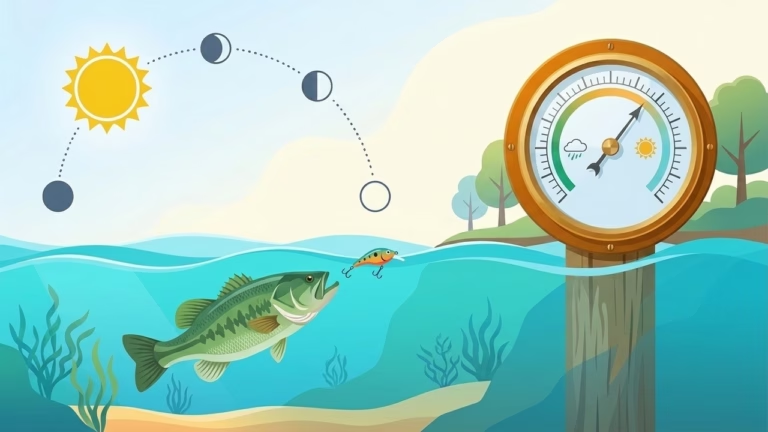

Choosing the right catfish bait comes down to matching water temperature, river current, and your target species—whether you are targeting trophy river Blue Catfish, ambush-feeding Flatheads, or fast-biting Channel Catfish.
Top Live Baits for Trophy Catfish
Fresh, active live bait triggers predatory strikes from giant Flathead and Blue Catfish that routinely ignore dead or prepared offerings.
- Gizzard & Threadfin Shad: Live shad netted fresh from the same reservoir or tailrace provide natural oils and erratic flash that attract both Channel and Blue Catfish.
- Bluegill & Green Sunfish: Hardy panfish rigged behind the dorsal fin or through the lips on an 8/0 circle hook are the #1 live bait for trophy Flathead Catfish near submerged timber and riprap.
- Nightcrawlers & Redworms: A reliable year-round option for Channel Catfish in farm ponds, small creeks, and springtime shallow flats.
- Crawfish & Live Minnows: Ideal in rocky river eddies and dam tailraces where catfish forage heavily on crustaceans during late spring and summer.
Best Cut Baits for Blue & Channel Catfish
When current picks up or water cools below 60°F, oily cut bait releases a concentrated scent trail downstream that draws heavy-bodied river cats into your spread.
- Skipjack Herring: Widely considered the premier tournament cut bait for giant Blue Catfish in major river systems. Slice fresh fillets into 1.5- to 2-inch chunks or fish the head whole on a Santee Cooper rig.
- Fresh Cut Shad: Easily sourced on most lakes and rivers; cut into clean chunks to bleed natural scent oil across channel ledges and wing dams.
- Goldeye & Mooneye: Tough-skinned, oily river baitfish that stay securely on large circle hooks even in heavy tailrace currents.
Stink Baits, Punch Baits & Prepared Offerings
For fast-paced action with Channel Catfish under 10 pounds, commercial punch baits and homemade dough baits outfish larger cut baits—especially in warm summer lakes.
- Dip & Punch Baits: Fibrous cheese- and blood-based formulas pressed onto treble hooks or sponge tubes disperse strong scent plumes immediately upon hitting bottom.
- Garlic-Scented Chicken Liver & Dough Baits: Wrapping soft chicken liver in spawn netting or mixing garlic powder into bread/flour dough keeps bait on the hook during long bank casts.
- Sweet Corn & Hot Dog Chunks: Budget-friendly options for stocked ponds and casual bank sessions targeting eater-sized Channel Catfish.
Matching Bait Selection to Catfish Species
- Channel Catfish: Opportunistic omnivores that hit dip baits, stink baits, chicken liver, nightcrawlers, and small cut shad.
- Blue Catfish: Primarily drift- and ledge-oriented predators favoring fresh cut skipjack herring, cut shad, and live shad.
- Flathead Catfish: Strict live-bait predators that strongly prefer live bluegill, bullheads, creek chubs, and big shiners fished near heavy cover at night.
Catfish Forage, Nutrition & What Makes Catfish Grow Faster
Whether managing a private catfish pond or locating wild trophy fish, catfish growth rate depends directly on dietary protein availability, optimal water quality, and balanced population density.
The Nutritional & Protein Factor
Protein is the primary driver of muscle development and rapid weight gain in catfish. In private ponds and aquaculture settings, balanced diets rich in fishmeal, forage fish, and high-protein pellets supply essential amino acids, lipids, vitamins, and minerals. In wild rivers, abundant forage fish—especially shad, herring, and sunfish—explain why tailrace and big-river Blue and Flathead populations reach trophy weights much faster than overcrowded farm ponds.
Water Quality, Temperature & Stocking Density
Metabolism and feeding aggression accelerate when water temperature stays in the ideal warm-water range with high dissolved oxygen, neutral pH, and low ammonia. Conversely, overcrowding creates intense competition for food, elevates stress, and stunts average fish size—giving anglers a clear clue why productive, well-oxygenated river channels with plentiful baitfish consistently hold bigger catfish.
Final Thoughts:
Keep fresh cut shad or skipjack ready for big-river Blue Catfish, lively panfish on standby for nocturnal Flatheads, and punch bait or worms packed for fast Channel Catfish action.