In our summer night-drift logs across Lake Oconee’s drowned timber channels and autumn live-bait anchor sets tucked behind massive Altamaha River cypress bends, we have verified why the best catfish fishing spots in georgia stand in a league of their own across the Southeast. Spanning cool Blue Ridge foothill reservoirs down to blackwater coastal rivers emptying into the Atlantic, Georgia produces triple-digit Blue Catfish (state record 110 lbs 6 oz), massive eighty-pound Flathead Catfish, and abundant forty-pound-class Channel Catfish within easy driving distance of every major Georgia metro area.
Because Georgia’s river systems blend steep hydro-electric tailraces with slow, snag-choked coastal plains oxbows, serious georgia catfishing demands matching your sinker geometry and bait selection precisely to the watershed. Controlled Santee Cooper float drifts with fresh cut gizzard shad dominate deep Piedmont impoundments like Oconee, Sinclair, and Clarks Hill, whereas pinning lively six-inch bream behind four-ounce no-roll weights along outer logjams unlocks giant Altamaha and Coosa River Flatheads. Below, we share verified GPS boat ramps, hydrographic depth targets, 2026 Georgia DNR regulations, and our proven terminal setups for catfish in georgia.
✔ 2026 Regulations & Rigs Verified
Georgia Catfishing At a Glance: Top Waters & Winning Rigs
- #1 Trophy Blue Catfish Water: Chattahoochee River below Walter F. George Dam (110 lb 6 oz GA record) & Lake Oconee main timber channels (22–48 ft).
- #1 Trophy Flathead Water: Altamaha River outside cypress bends (Doctortown to Darien, 83 lb GA record) & Coosa River lock walls.
- Peak Bite Windows: Pre-spawn shad runs at 60–70°F (April–May) and hydro-generation afternoon currents in 75–86°F summer heat.
- 2026 GA DNR Bag & Size Rules: Zero statewide minimum size or daily creel limit on Blue, Flathead, Channel, or White Catfish (valid GA fishing license age 16+ required).
- Primary Winning Setup: Ugly Stik Catfish Special 7’6″ + Abu Garcia C3 6500 / Penn Battle IV 6000 + 65 lb Braid + Santee Cooper Rig.
Best Catfish Fishing Spots in Georgia: 2026 GPS & Waterway Matrix
Before hitching the boat or packing bank rods, compare all eight premier catfish in georgia destinations across target species, holding depth, top fresh or live baits, and exact public launch ramps below.
| Lake / River Section | Primary Target Species | Key Structure / Dam Tailrace | Best Bait / Rig | Public Ramp & GPS Map |
|---|---|---|---|---|
| 1. Altamaha River: Doctortown to Darien (Wayne/McIntosh) | Flathead (to 83 lb), Blue & Channel Cat | 15-35 ft outside cypress bends & oxbows | 4-6 oz no-roll sinker, live bream/bullheads | 📍 Map & Ramp (31.6530° N, 81.8320° W) |
| 2. Lake Oconee & Wallace Dam Tailrace (Greene/Putnam) | Trophy Blue Catfish (20-65+ lb), Channel Cat | 22-48 ft timber edges & river channel | Santee drift rig w/ fresh cut gizzard shad | 📍 Map & Ramp (33.3610° N, 83.2490° W) |
| 3. Lake Sinclair & Sinclair Dam Tailrace (Baldwin/Putnam) | Blue Catfish, Flathead & winter Channels | 18-42 ft warm discharge & creek drops | 2-4 oz slip-sinker w/ cut shad & chicken | 📍 Map & Ramp (33.1440° N, 83.2040° W) |
| 4. Coosa River & Mayo’s Bar Lock (Floyd County) | Flathead (20-55 lb), Blue & Channel Cat | 14-32 ft lock walls, gravel shoals & eddies | 3-5 oz bank lead, live shad/sunfish chunks | 📍 Map & Ramp (34.2530° N, 85.1770° W) |
| 5. Chattahoochee River & Walter F. George Tailrace (Clay/Muscogee) | Blue Catfish (110+ lb State Record Class) | 25-55 ft powerhouse tailrace & eddies | 6-8 oz bank lead, 9/0 circle, skipjack/shad | 📍 Map & Ramp (31.6220° N, 85.0600° W) |
| 6. Clarks Hill / Thurmond Dam & Savannah River (Columbia/Lincoln) | Trophy Blues, Flatheads & Big Channels | 20-50 ft main lake humps & spillway seams | Santee float drift w/ fresh herring/shad | 📍 Map & Ramp (33.6580° N, 82.1990° W) |
| 7. Flint River & Lake Blackshear (Crisp/Dougherty) | Flathead Catfish, Channel & White Catfish | 10-26 ft limestone ledges & cypress flats | 2-4 oz slip-sinker w/ live bream & cut bait | 📍 Map & Ramp (31.9540° N, 83.9140° W) |
| 8. Lake Lanier: Chattahoochee & Chestatee Arms (Hall/Forsyth) | Channel Catfish (5-20 lb), Flathead & Blues | 18-40 ft creek channel bends & docks | 1.5-3 oz Santee rig w/ cut blueback herring | 📍 Map & Ramp (34.3310° N, 83.8290° W) |
1. Altamaha River: Doctortown to Darien (Wayne & McIntosh Counties)
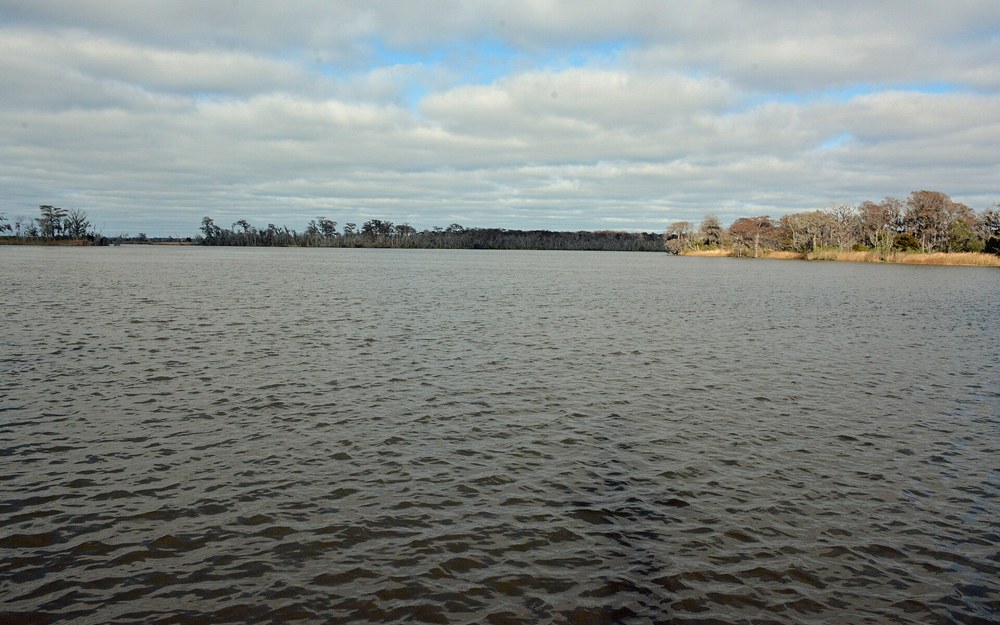
📍 Jaycee Landing Boat Ramp, Jesup GA (GPS: 31.6530° N, 81.8320° W)
Spot Water & Access Specs
- Target Species: Flathead Catfish (20-83 lb), Blue Catfish (15-60+ lb), Channel Catfish
- Record Heritage: Official Georgia State Record Flathead (83 lbs) & Channel Catfish (44 lbs 12 oz)
- Productive Depth: 15 to 35 ft outside river bends, cypress root scour holes & oxbow mouths
- Prime Structure: Sunken timber logjams, undercut clay banks, tidal creek junctions below Jesup
- Top Local Baits: Live 5-8 in. bluegill/bream, bullheads, fresh cut mullet & gizzard shad
- Public Launch: Jaycee Landing Boat Ramp (Jesup), Altamaha Regional Park & Barrington Park
Angler Field Log: Anchoring twenty yards upriver of a massive submerged cypress blowdown below Doctortown during a steady July sunset, we pinned lively five-inch hand-caught bream onto 8/0 circle hooks behind 5-ounce flat no-roll sinkers. Just thirty minutes past full dark, a 46-pound Altamaha Flathead crushed the outer channel rod and peeled twenty yards of tight 65-pound braid before turning.
Formed where the Oconee and Ocmulgee rivers merge above Hazlehurst and rolling unimpeded for 137 wild miles to the Atlantic Ocean near Darien, the Altamaha River reigns supreme as Georgia’s most iconic riverine monster factory. Free from mainstem hydro dams along its entire length, this massive coastal blackwater-to-clay corridor sustains staggering populations of giant Flathead Catfish alongside spreading 40- to 60-pound Blue Catfish and thick river Channel Cats—having produced both Georgia’s 83-pound state-record Flathead and 44-pound-12-ounce Channel Catfish record.
Tracking down trophy Flatheads from Jaycee Landing near Jesup down past Barrington Park requires disciplined side-scan reconnaissance along sharp outside bends. When high summer water warms past 78°F, apex Flatheads slide deep inside tangled hardwood logjams and washed-out root balls resting in 16 to 32 feet of slack back-eddy current. Position your boat securely 25 yards upstream of the wood pile, then fan-cast three heavy rods along the front shadow edge, the deeper outer channel drop, and the quiet slack swirl trailing downstream.
Unlike scavenging Channel Catfish that swarm dead stink baits, true Altamaha Flatheads demand kicking live bait—making 5- to 8-inch sunfish, small bullheads, or lively golden shiners hooked lightly behind the dorsal fin (or through the upper lip in brisk current) non-negotiable. Run a simple heavy Carolina slip rig: 65- to 80-pound braided mainline, a 4- to 6-ounce flat no-roll sinker that refuses to tumble down clay banks, a heavy 150-pound barrel swivel, and an 18-inch 60- to 80-pound monofilament abrasion leader tied to an 8/0 or 9/0 circle hook.
Keep two critical coastal variables top of mind before running the lower Altamaha below Everett City: first, river levels fluctuate wildly with upstream Piedmont rainfall, so verify the USGS Doctortown river gauge before launching (rising floodwater pushes fish tight into flooded swamp timber edges). Second, remember that non-native Flatheads and Blues alter native redbreast sunfish balances—never relocate live Altamaha catfish into neighboring coastal rivers like the Satilla or Ogeechee.
2. Lake Oconee & Wallace Dam Tailrace (Greene & Putnam Counties)
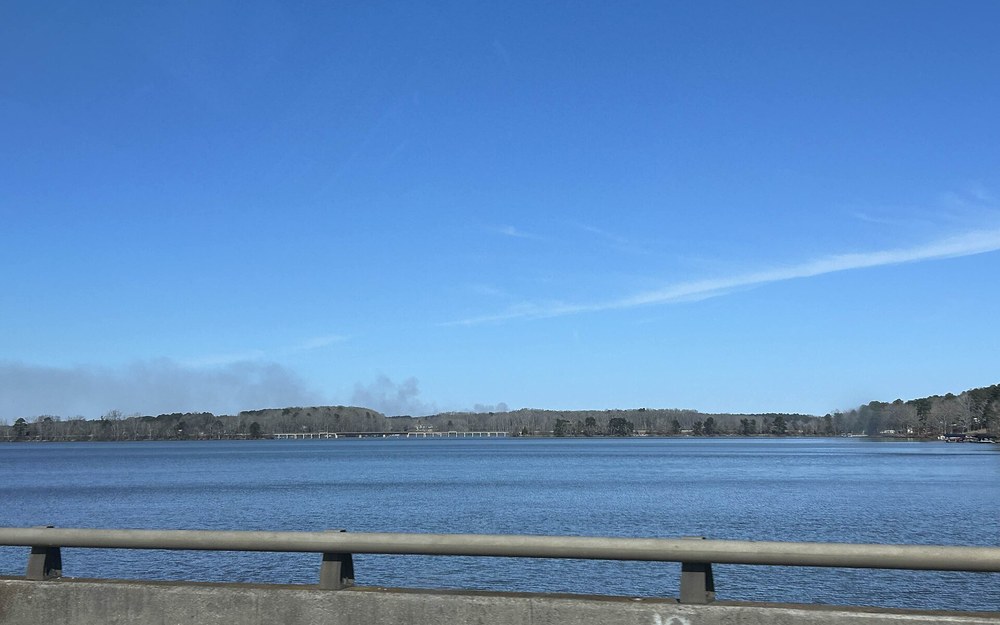
📍 Sugar Creek Marina Boat Ramp, Buckhead GA (GPS: 33.3610° N, 83.2490° W)
Spot Water & Access Specs
- Target Species: Trophy Blue Catfish (15-65+ lb), Channel Catfish, occasional Flatheads
- Lake Size & Zone: 19,050-acre Georgia Power reservoir with massive standing flooded timber flats
- Prime Structure: Oconee & Apalachee River arms, Sugar Creek timber humps, Wallace Dam pumpback
- Top Technique: Controlled slow-trolling / drifting Santee Cooper peg-float rigs at 0.4-0.7 mph
- Top Local Baits: Fresh-caught cut gizzard shad, threadfin shad, white bass chunks
- Public Launch: Sugar Creek Boat Ramp, Lawrence Shoals Park & Long Shoals Public Ramp
Angler Field Log: Drifting our bow-mounted trolling motor at 0.5 mph across a 28-foot main-lake timber ridge just north of the I-20 bridge as Wallace Dam began pump-back generation, we staggered six planar-spread Santee rigs baited with fresh butterflied gizzard shad. Three rods loaded up simultaneously in twenty minutes, putting 22-, 29-, and 37-pound Blue Catfish across the boat deck.
Stretching across 19,050 acres between Greensboro and Eatonton, Lake Oconee stands out nationwide as an absolute clinic in big-reservoir Blue Catfish drift fishing. Because Georgia Power deliberately left thousands of acres of mature hardwood forest standing beneath the surface when Wallace Dam impounded the Oconee and Apalachee rivers, nutrient-rich forage shad thrive along miles of submerged timber edges, sharp creek channel swings, and main-lake bridge riprap—producing regular 30- to 65-pound Blue Catfish season after season.
The hidden engine driving Lake Oconee’s legendary bite is Georgia Power’s pump-back hydroelectric operation at Wallace Dam. Unlike stagnant summer reservoirs where mid-lake fish turn sluggish under afternoon heat, Oconee’s reversible turbines regularly push water back and forth between Lake Oconee and downstream Lake Sinclair, creating measurable subsurface currents across lower-lake channel ledges. Whenever generation or pump-back current switches on, check your sonar immediately along 22- to 40-foot channel drops from Sugar Creek down to Lick Creek—suspended Blues drop rapidly to the bottom to ambush disoriented shad.
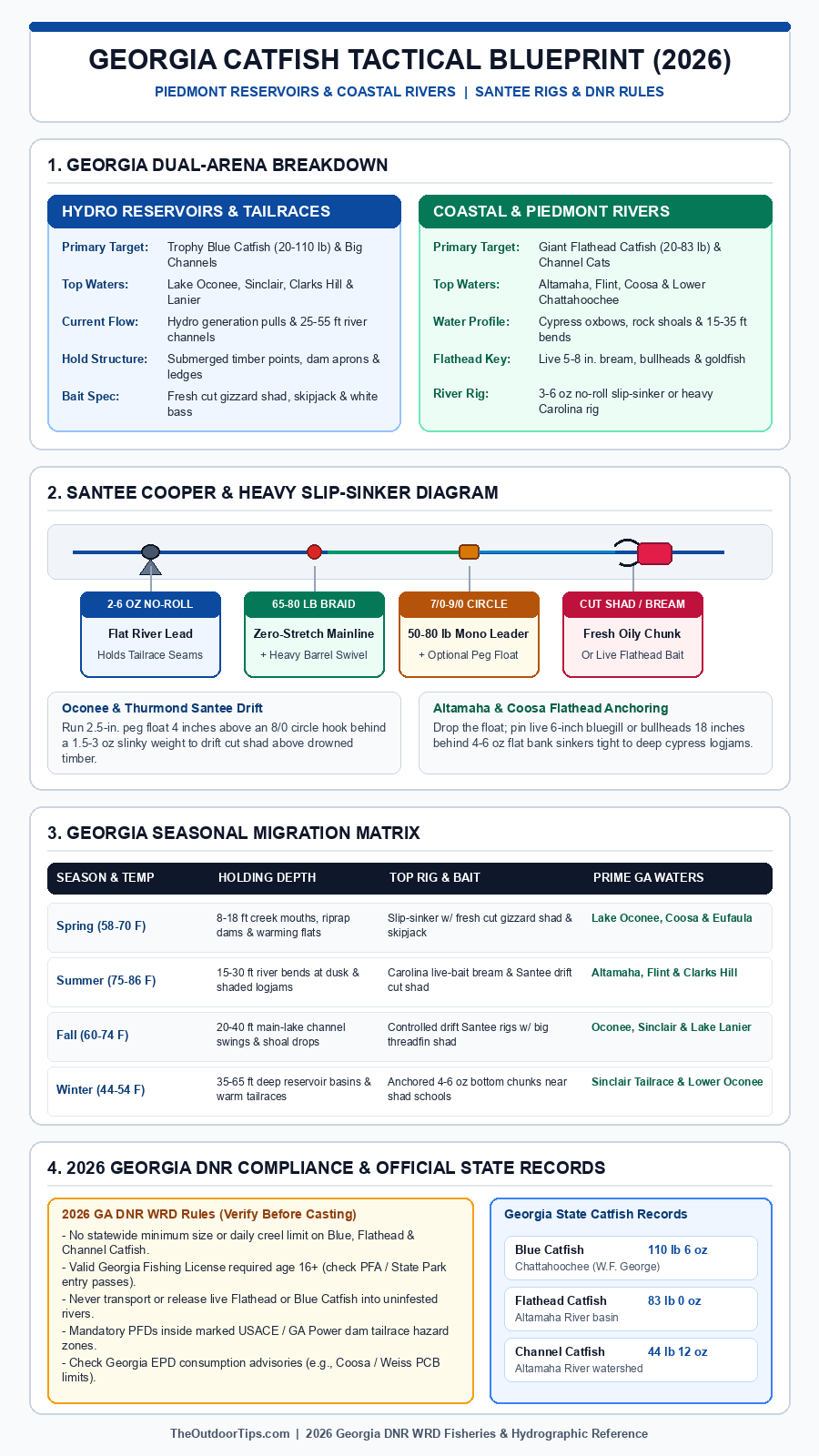
Because snagging exposed hooks inside Lake Oconee’s flooded timber fields will empty a tackle box rapidly without proper rigging, tournament captains here swear by the Santee Cooper drift rig. Slide a 2-ounce flexible slinky weight (or snag-less drag sinker) above a barrel swivel, run a 26-inch 50-pound mono leader, thread a bright 2.5-inch peg float four inches ahead of an 8/0 inline circle hook, and tip it with a fresh bloody slab of gizzard shad. Keep trolling speed steady between 0.4 and 0.7 mph using drift socks in stiff wind.
Public access across Oconee remains abundant through Georgia Power parks including Sugar Creek, Lawrence Shoals, Armor Bridge, and Swords Recreation Area. During busy weekend bass tournaments or summer wakeboard traffic, launch before dawn or schedule midweek night drifts across broad open flats near the Richland Creek mouth—and remember Georgia’s statewide rule allowing unlimited catfish harvest with zero size caps.
3. Lake Sinclair & Sinclair Dam Tailrace (Baldwin & Putnam Counties)
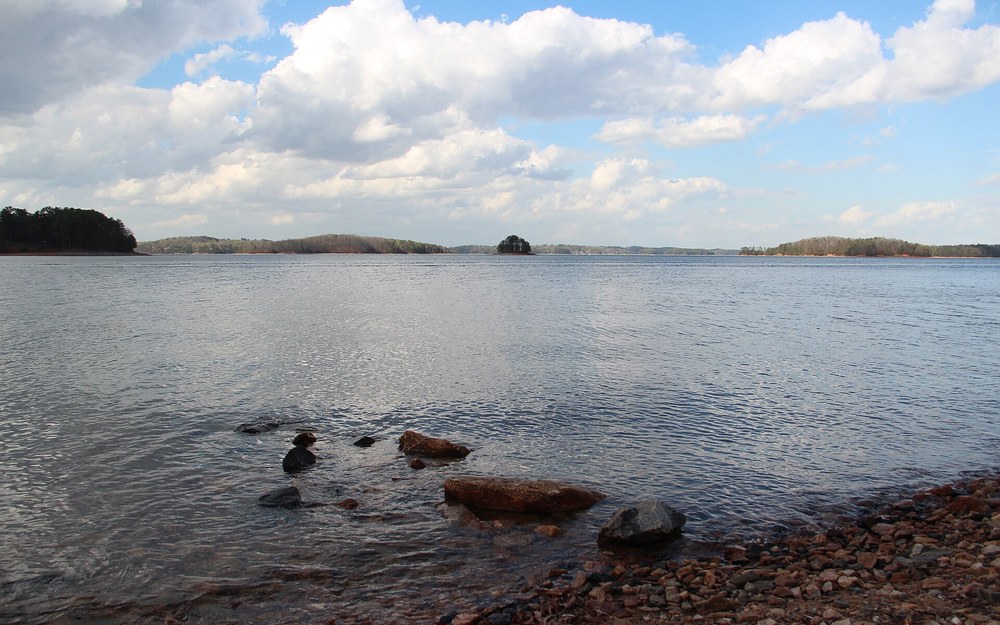
📍 Dennis Station Boat Ramp, Eatonton GA (GPS: 33.1440° N, 83.2040° W)
Spot Water & Access Specs
- Target Species: Blue Catfish (10-45 lb), Channel Catfish, Flathead Catfish
- Lake Size & Zone: 15,330 acres directly below Wallace Dam; Little River & Murder Creek arms
- Prime Structure: Wallace Dam discharge apron, Crooked Creek ledges, Sinclair Dam tailwater
- Seasonal Edge: Exceptional cold-weather winter & early-spring bite on deep channel swings
- Top Local Baits: Fresh cut shad, chicken breast strips, live shad in tailrace seams
- Public Access: Dennis Station Ramp, Little River Park, Optimist Island & tailrace bank park
Angler Field Log: On a crisp 48-degree January afternoon when most Piedmont lakes sit ice-cold, we anchored on the 34-foot drop trailing the upper Wallace Dam discharge channel above Crooked Creek. Fresh cut gizzard shad anchored cleanly with 4-ounce bank sinkers triggered relentless mid-afternoon pulls, boating seven chunky 12- to 28-pound Blues before sundown.
Sitting immediately downstream of Lake Oconee, 15,330-acre Lake Sinclair combines sprawling red-clay cove structure with two powerhouse generation zones—the upper discharge spilling straight out of Wallace Dam and the lower tailwater plunging below Sinclair Dam near Milledgeville. That double hydro-current influence keeps baitfish moving continuously across Little River, Murder Creek, and Island Creek, cementing Sinclair as a year-round staple for serious georgia catfishing.
While summer night anglers score steady numbers drifting cut shad across main-lake points near Dennis Station and Haslam’s Cove, Sinclair truly shines from late November through early March. Whenever Wallace Dam releases warmer deep-water volume into upper Sinclair, huge winter schools of threadfin shad stack inside the 28- to 42-foot river channel bends around Highway 16 and Crooked Creek. Anchor your boat cleanly along the edge of a marked bait pod and soak fresh bloody gizzard shad chunks on stationary bottom rigs.
Bank anglers without watercraft hold an underrated advantage directly below Sinclair Dam in Milledgeville whenever turbines fire. The rocky Oconee River tailrace below the powerhouse funnels rushing water past concrete wing walls and deep granite scour pockets loaded with opportunistic Blues, Flatheads, and Channels feeding on injured forage swept through the gates. Always wear an inflated life vest inside marked USACE/Georgia Power hazard zones and back off immediately if warning horns sound ahead of floodgate surges.
For shoreline and small-boat convenience, Dennis Station Access off Pea Ridge Road and Little River Park along Highway 441 offer paved multi-lane ramps, generous trailer parking, and easy runs to prime mainstem bends. Pack 3- to 5-ounce flat bank leads for tailrace seams alongside lighter 1.5-ounce Santee rigs for calm mid-lake coves.
4. Coosa River & Mayo’s Bar Lock and Dam (Floyd County)
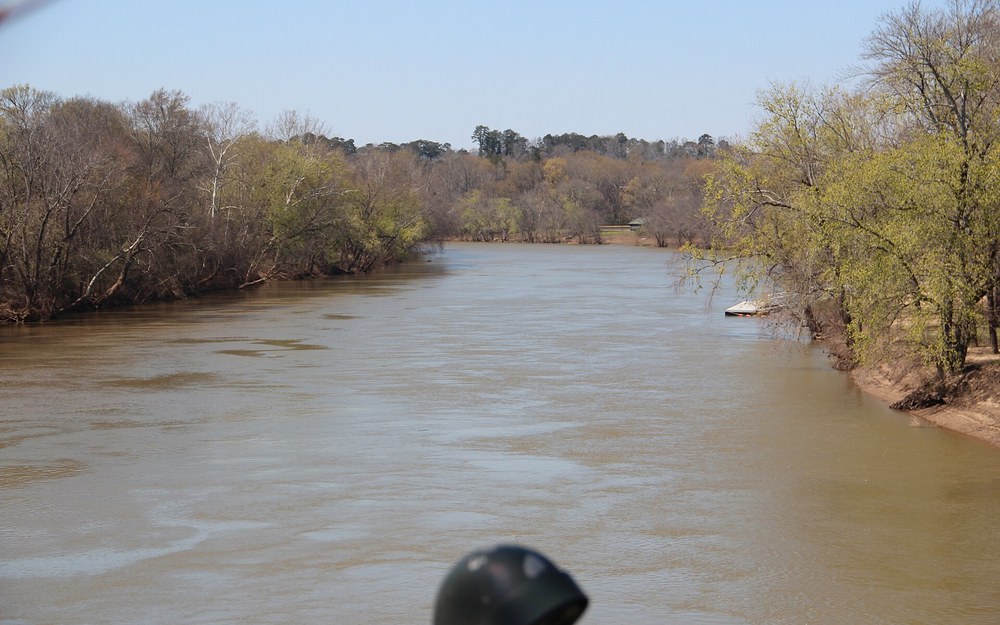
📍 Lock and Dam Park Boat Ramp, Rome GA (GPS: 34.2530° N, 85.1770° W)
Spot Water & Access Specs
- Target Species: Flathead Catfish (15-55 lb), Blue Catfish (15-50+ lb), Channel Catfish
- River Formation: Confluence of Etowah & Oostanaula Rivers in Rome flowing west into Lake Weiss
- Prime Structure: Mayo’s Bar Lock & Dam rubble wall, gravel shoal drop-offs, deep outside bends
- Top Local Baits: Live skipjack herring, live sunfish/bream, fresh cut shad chunks
- Public Launch: Lock & Dam Park Boat Ramp (Rome), Brushy Branch WMA & Heritage Park
- EPD Notice: Verify Georgia EPD Coosa/Weiss PCB fish consumption advisories (C&R advised)
Angler Field Log: Working the turbulent rock wall downstream of Mayo’s Bar Lock and Dam just as early spring shad began staging upriver from Lake Weiss, we pinned fresh cut skipjack strips along a 21-foot seam separating fast whitewater from a quiet gravel eddy. Within two hours, our rods bent double into three heavy Coosa River Blues topping 32 pounds plus a scarred 26-pound Flathead.
Born right inside downtown Rome where the clear Oostanaula and Etowah rivers collide, the upper Coosa River winds thirty rich miles west across Floyd County before spilling into Alabama’s Lake Weiss. Serving as the historic seasonal migration corridor for freshwater drum, striped bass, and massive white bass runs surging up out of Weiss every spring, the Coosa turns into an absolute predator gauntlet packed with hard-pulling catfish in georgia.
Every serious northwest Georgia river captain pins Mayo’s Bar Lock and Dam (Lock and Dam Park off Blacks Bluff Road) at the top of their spring and fall logbooks. The ruined historic lock chambers, submerged boulder piles, and steep 18- to 32-foot tailwater holes trap thick schools of skipjack herring and gizzard shad trying to push upriver, drawing trophy Blue Catfish and bruising Flatheads within clean casting range of both shoreline rock banks and anchored aluminum boats.
When fishing the brisk currents around Brushy Branch and Lock and Dam Park, abandon flimsy panfish mono immediately. Run 65-pound braided mainline tied to a heavy three-way swivel or sliding sinker sleeve holding 4- to 6-ounce flat bank leads, paired with a tough 50-pound monofilament leader and 7/0–8/0 circle hook. For peak summer Flatheads tucked beside timber jams downstream toward Foster’s Mill, switch to lively 5-inch bream or live bullheads; for migrating Blues along gravel bars, fresh bloody skipjack fillets outperform nearly everything else on the river.
Important Georgia EPD Advisory: Because the Coosa River and Lake Weiss carry historical industrial PCB sediment advisories tracked by the Georgia Environmental Protection Division (EPD), always check the latest Georgia DNR/EPD consumption tables before harvesting larger catfish here. Most veteran Coosa guides strictly practice catch-and-release trophy photography on big Blues and Flatheads along this corridor.
5. Chattahoochee River & Walter F. George Dam Tailrace (Muscogee & Clay Counties)
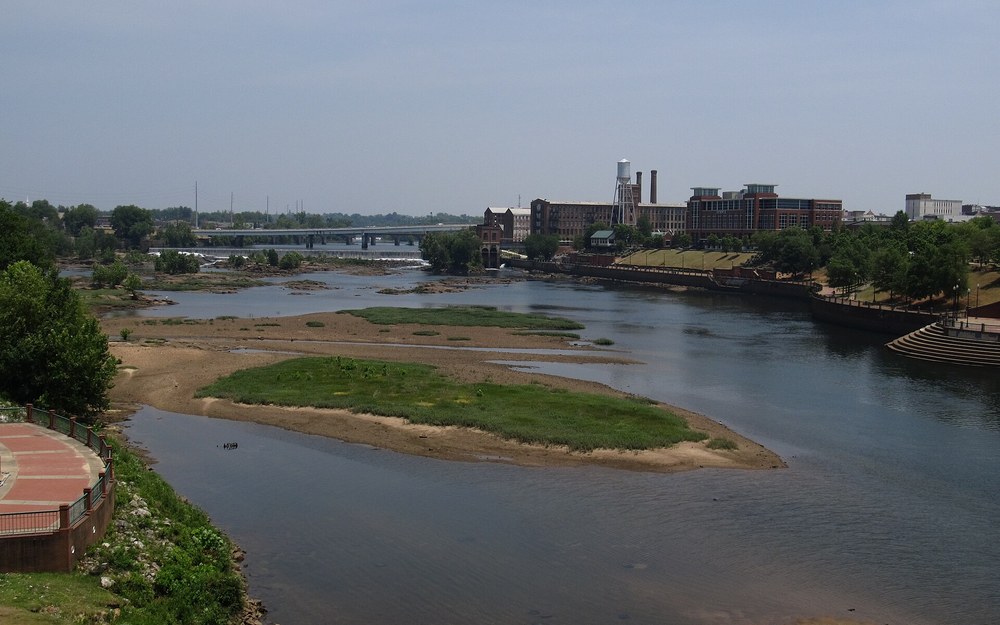
📍 Walter F. George Dam Tailrace, Fort Gaines GA (GPS: 31.6220° N, 85.0600° W)
Spot Water & Access Specs
- Target Species: World-Class Blue Catfish (30-110+ lb), Flathead Catfish, Channel Catfish
- Record Heritage: Official Georgia State Record Blue Catfish: 110 lbs 6 oz (below W.F. George Dam)
- Prime Structure: USACE Dam concrete boil seams, 35-55 ft scour basins, Columbus riverwalk ledges
- Current Intensity: Extreme hydro-generation surge requiring heavy 6-8 oz bank/pyramid leads
- Top Local Baits: Fresh skipjack herring, large gizzard shad steaks, live bream near rock walls
- Access & Safety: Fort Gaines Tailrace West/East Banks & Rotary Park; mandatory PFDs in dam zone
Angler Field Log: Standing anchored safely outside the buoyed boil line below Walter F. George Dam as afternoon hydro-turbines ramped up flow, we dropped eight-ounce bank weights loaded with thick half-skipjack baits into a 41-foot scour pocket. The rod tip didn’t tap—it buried straight to the gunwale in one violent lunge from a 54-pound Chattahoochee Blue Catfish.
Forming Georgia’s dramatic western border from West Point and Columbus all the way down through Fort Gaines toward Lake Seminole, the lower Chattahoochee River holds indisputable claim to the biggest freshwater catfish swimming anywhere in the state. In November 2020, the Chattahoochee tailwater immediately below Walter F. George Dam (Lake Eufaula) surrendered Georgia’s current all-tackle state-record Blue Catfish weighing 110 pounds, 6 ounces—and sonar scans routinely mark even larger marks patrolling those exact concrete scour holes today.
Giant Blues congregate below both the Columbus/Phenix City riverfalls corridor and the Fort Gaines USACE powerhouse because heavy generation turbines blast massive volumes of oxygenated water and stunned threadfin/gizzard shad straight into deep downstream rock basins. Rather than pitching blindly into chaotic whitewater directly against the spillway gates, tuck your boat along the outer seam edges where roaring discharge meets quiet 28- to 50-foot back-eddy pockets.
Taming triple-digit river current forces calls for unapologetically stout tackle: pair an eight-foot heavy composite casting rod with a high-capacity 6500-series baitcaster spooled with 80-pound braid and an 80-pound mono abrasion leader. Carry plenty of 6- to 8-ounce frog-tongue or bank sinkers, forged 9/0–10/0 circle hooks, and fresh skipjack herring or large gizzard shad cut into generous three-inch steaks so strong flows bleed continuous scent lanes straight downriver.
Safety & License Note: Never cross warning buoy lines inside USACE dam tailraces, always wear a buckled USCG-approved life jacket while fishing near hydro discharge gates, and respect reciprocal GA/AL border-water licensing rules along shared sections of the Chattahoochee River.
6. Clarks Hill Lake (J. Strom Thurmond) & Savannah River Spillway (Columbia & Lincoln Counties)
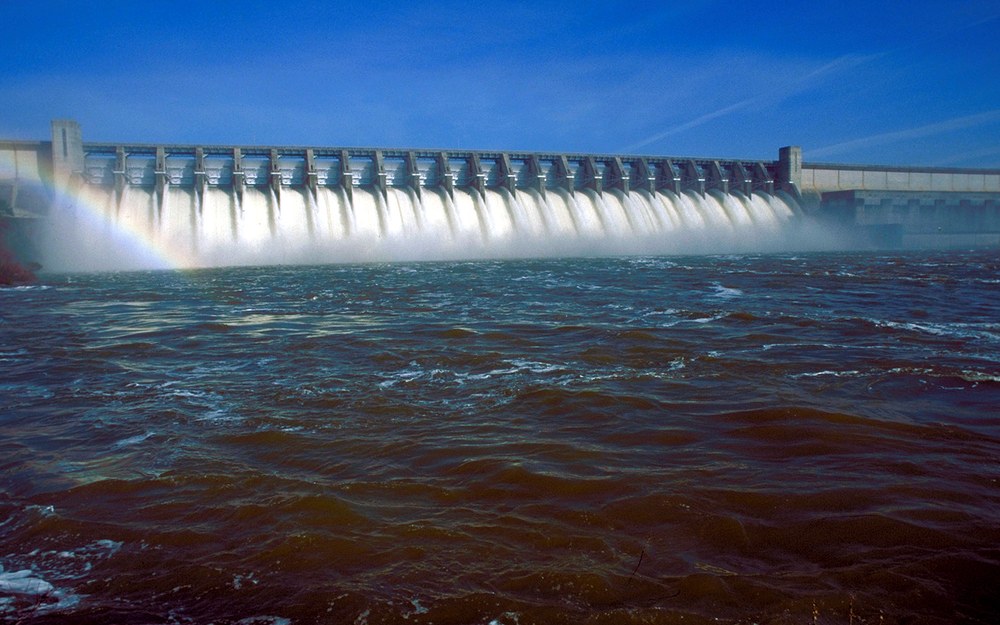
📍 Wildwood Park Boat Ramp, Appling GA (GPS: 33.6580° N, 82.1990° W)
Spot Water & Access Specs
- Target Species: Trophy Blue Catfish (15-60+ lb), Flathead Catfish, Channel Catfish
- Lake Size & Zone: 71,000-acre Savannah River mega-reservoir + New Savannah Bluff Lock tailwater
- Prime Structure: Little River Georgia arm humps, submerged timber points, Thurmond spillway eddies
- Top Local Baits: Fresh blueback herring chunks, cut gizzard shad, live bream on river points
- Top Technique: Deep Santee drift trolling across 25-45 ft points & anchored spillway seams
- Public Ramps: Wildwood Park (Appling), Elijah Clark State Park & New Savannah Bluff Lock Park
Angler Field Log: Drifting out past Wildwood Park across the wide Little River Georgia arm during a warm October afternoon, we dragged four Santee rigs tipped with fresh blueback herring chunks over a 32-foot submerged clay hump. Every pass across the downwind ledge sparked crisp takedowns from 12- to 31-pound Blues plus surprisingly chunky Flatheads.
Covering an astonishing 71,000 acres along the Savannah River corridor north of Augusta, Clarks Hill Lake (officially J. Strom Thurmond Reservoir) anchors East Georgia with nearly 1,200 miles of wooded shoreline, deep flooded creek arms, and an explosive baitfish forage base built on blueback herring and threadfin shad. While bass tournaments dominate the spring headlines, Clarks Hill quietly supports some of the fattest 20- to 60-pound Blue Catfish and big Flatheads in the entire Savannah basin.
On the Georgia side of the reservoir, start your electronics search around the expansive Little River arm launching out of Wildwood Park near Appling or further north out of Elijah Clark State Park near Lincolnton. During summer stratification and early fall cooling, big Blues patrol 22- to 42-foot submerged creek bends and main-lake clay humps where schools of blueback herring stack tightly near the thermocline. Drift-trolling Santee Cooper peg-float rigs at 0.5 mph covers miles of productive contour efficiently.
Equally productive for bank and small-boat anglers is the Savannah River corridor directly below Thurmond Dam down through the New Savannah Bluff Lock & Dam south of Augusta. Rock jetties, deep eddies below the lock gates, and slack-water timber bends hold aggressive Flatheads and big river Blues feeding relentlessly on passing herring and shad. Just verify Georgia/South Carolina reciprocal border license coverage before crossing state-line channels.
When packing tackle for Clarks Hill’s wide-open mainstem winds, bring drift socks to slow fast afternoon drifts back below 0.7 mph, keep 2- to 3-ounce slinky weights handy for snag-resistant timber passes, and store fresh blueback herring on crushed ice rather than letting bait turn mushy in warm livewells.
7. Flint River & Lake Blackshear Cypress Flats (Crisp & Dougherty Counties)
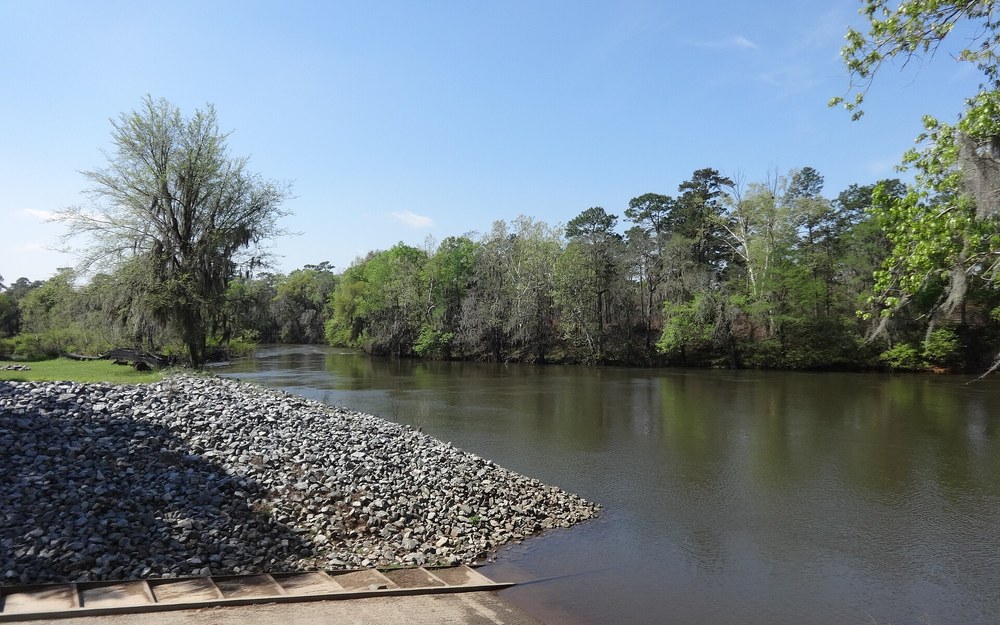
📍 Georgia Veterans State Park Boat Ramp, Cordele GA (GPS: 31.9540° N, 83.9140° W)
Spot Water & Access Specs
- Target Species: Flathead Catfish (15-50+ lb), Channel Catfish (3-18 lb), White Catfish
- Water Profile: 8,600-acre Lake Blackshear cypress basin + undammed limestone Flint River shoals
- Prime Structure: Flooded cypress knees, Spring Creek flats, Albany Dam tailrace rock ledges
- Top Local Baits: Live bream/bullheads for Flatheads; shrimp, cut shad & chicken liver for Channels
- Public Launch: Georgia Veterans State Park Ramp (Cordele), Flint River Park (Albany) & Hwy 32
- Special Note: Watch submerged cypress stumps across Blackshear flats outside marked boat lanes
Angler Field Log: Easing our flat-bottom skiff out from Georgia Veterans State Park toward the upper Spring Creek flats just before dusk, we drifted 1.5-ounce Santee cork rigs baited with raw shrimp past submerged cypress stumps in eight feet of water—putting nine thick 4- to 11-pound Channel Catfish in the net before switching to live bream below the Albany dam wall.
Winding south from below Atlanta clear across Georgia’s limestone coastal plain toward Lake Seminole, the Flint River and its centerpiece 8,600-acre impoundment at Lake Blackshear deliver classic Southwest Georgia whiskerfish action wrapped in moss-draped cypress scenery. While Lake Blackshear earns national fame for shoal bass and crappie, warm, food-rich mud flats and limestone river ledges feed staggering numbers of Channel Catfish alongside heavy, aggressive Flatheads below the Crisp County Power Dam near Albany.
Inside Lake Blackshear itself—easily accessed via the wide concrete ramps at Georgia Veterans State Park off Highway 280 near Cordele—the submerged Flint River channel cuts a defined 14- to 24-foot groove right past shallow cypress stump fields in Spring Creek, Cedar Creek, and Collins Branch. Keep your depth finder glued to the 8- to 15-foot drop-off edges where flooded cypress knees fade into bare sand and silt; lightweight 1.5-ounce Santee peg floats loaded with fresh shrimp or chicken liver keep hooks floating high above root snags.
Drop downstream past Lake Blackshear Dam into the free-flowing lower Flint River around Flint River Park in Albany and Newton, however, and the target shifts sharply toward heavyweight Flatheads. Crystal-clear spring-fed limestone runs tumble into deep 15- to 28-foot blue holes tucked against undercut rock ledges where giant Flatheads ambush suckers and sunfish under darkness. Pin lively six-inch bream on 4-ounce slip-sinker rigs directly along the downstream edge of major limestone shoals.
Navigate Lake Blackshear cautiously if launching for the first time: thousands of cut-off cypress stumps sit just inches below normal summer pool outside marked channel buoys. Idle carefully through unfamiliar creeks, carry your Georgia State Park pass at Georgia Veterans Park, and keep spare polarized lenses for spotting shallow wood edges.
8. Lake Lanier: Upper Chattahoochee & Chestatee Arms (Hall & Forsyth Counties)
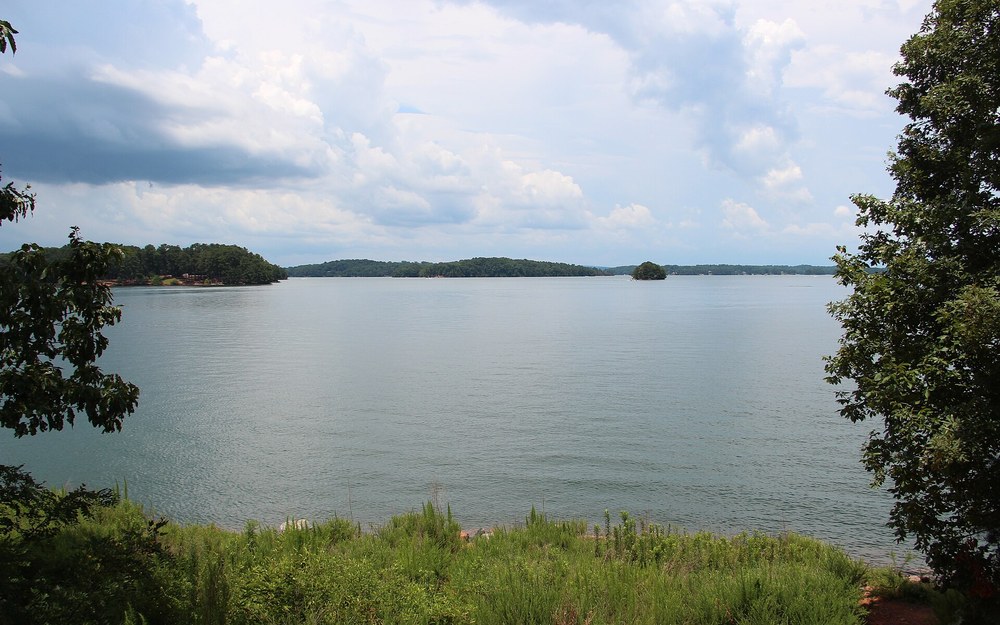
📍 Laurel Park Boat Ramp, Gainesville GA (GPS: 34.3310° N, 83.8290° W)
Spot Water & Access Specs
- Target Species: Channel Catfish (4-20 lb), Flathead Catfish (10-40 lb), growing Blue Catfish
- Lake Size & Zone: 38,000-acre North Georgia USACE reservoir; focus north of Browns Bridge
- Prime Structure: Chattahoochee & Chestatee river channel bends, clay flats, shaded marina docks
- Top Local Baits: Fresh cut blueback herring, chicken liver in spawn mesh, nightcrawlers, shad
- Public Launch: Laurel Park (Gainesville), Little Hall Park & War Hill Park ramps
- Smart Strategy: Fish upper river arms & night hours to dodge heavy summer weekend wakes
Angler Field Log: Leaving the chaotic lower-lake wake zone behind and launching at Laurel Park near Gainesville just ahead of sundown, we anchored along a clean 24-foot red-clay bench bordering the upper Chattahoochee channel bend. Soaking fresh cut blueback herring on 2-ounce Santee rigs produced steady double-headers of 6- to 15-pound Channel Catfish plus a stout 21-pound Flathead.
Anchoring the bustling Metro Atlanta corridor just forty-five miles northeast of downtown, 38,000-acre Lake Lanier rarely tops national trophy-catfish billboards—yet North Georgia anglers quietly pull thick double-digit Channel Catfish, hefty Flatheads, and rapidly expanding Blue Catfish out of its upper river arms every single week of the warm season. Because Lanier carries a massive pelagic forage base of blueback herring and threadfin shad originally stocked for striped bass, catfish patrolling upper creek channels grow remarkably fast and thick.
Skip the crystal-clear, heavily trafficked southern basin near Buford Dam and point your truck straight toward Gainesville, launching at Laurel Park on the Chattahoochee arm or Little Hall Park / War Hill Park along the stain-colored Chestatee River arm. Up north where tributary inflow colors the water faintly green-brown, big Channel Catfish and hunting Flatheads push aggressively up onto 14- to 28-foot red-clay flats, riprap highway bridges, and brush-covered shoreline pockets.
Simple, clean terminal setups outperform bulky gear on Lanier’s slightly clearer foothill water. Run 30-pound high-vis braid mainline into a 25- to 30-pound fluorocarbon leader, 1.5- to 2-ounce egg or Santee slinky weight, and a sharp 5/0 inline circle hook dressed with fresh-cut blueback herring steaks or chicken breast soaked in garlic/shad scent. For shoreline bank anglers without boats, evening hours around lighted public park points at Laurel Park and Don Carter State Park reliably turn up steady eating-size Channels.
Respect Lanier’s intense weekend recreational traffic: during June through August, time your boat outings for pre-dawn mornings, midweek afternoons, or peaceful night shifts after 8:00 PM when wake boats clear out and catfish glide onto shallow gravel points to feed.
Georgia Catfish Species Identification & 2026 Terminal Rig Blueprint
Accurate on-the-water species identification protects both your personal best records and Georgia’s delicate river ecosystems—especially since young pale Blue Catfish often look deceptively similar to dark breeding-phase Channel Catfish along stained coastal water. Before logging a catch or deciding what goes into the livewell, check these exact anatomical markers:
- Blue Catfish (GA State Record: 110 lbs 6 oz — Chattahoochee River): Slate-blue to silvery-white body with zero dark body spots, a pronounced hump behind the head on giants, and a razor-straight, flat-edged anal fin containing 30 to 36 distinct rays. Dominates Walter F. George, Oconee, Sinclair, Clarks Hill, and Altamaha channels.
- Flathead Catfish (GA State Record: 83 lbs 0 oz — Altamaha River): Broad, flattened head with a protruding lower jaw, mottled olive-brown camouflage skin, and a slightly notched / squared-off tail (never deeply V-forked). Native to Coosa/Tennessee basins; non-native and aggressively predatory in Altamaha, Flint, Satilla, and Savannah drainages.
- Channel Catfish (GA State Record: 44 lbs 12 oz — Altamaha River): Olive-silver body (juveniles show crisp black pepper spots; mature males turn slate-dark with broad heads), deeply forked V-tail, and a distinctly rounded, curved anal fin with 24 to 29 rays. Abundant across every Georgia lake and farm pond.
- White Catfish & Bullheads: Compact coastal natives featuring mildly forked rounded tails (White Catfish, GA record 6 lbs 14 oz) or blunt squared broom tails (Brown/Yellow Bullheads). Common in coastal creeks, Blackshear shallows, and Georgia PFAs.
Watch Our Santee Cooper & Heavy River Catfish Rigging Demonstration
Mastering exact leader spacing, peg-float buoyancy, and circle-hook tension separates missed nibbles from automatic corner-jaw hooksets across Lake Oconee drifts and Altamaha bend anchors. Watch our step-by-step terminal rigging walkthrough below:
Recommended Georgia Catfish Tackle & Rig Loadout (2026 Field Picks)
Whether battling an 80-pound Altamaha Flathead tearing straight toward sunken cypress timber or drifting six planar lines simultaneously across Lake Oconee, cutting corners on drag washers or hook wire guarantees heartbreak. Compare our four core Georgia tackle pillars below:
| Gear Component | Recommended Model | Exact Spec (Power / Ratio / LB) | Why It Works in Georgia | Check Live Price |
|---|---|---|---|---|
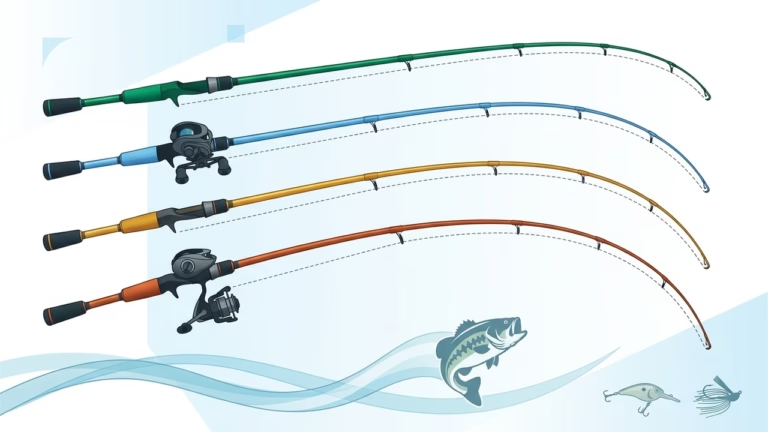
| Heavy River / Drift Rod | Ugly Stik Catfish Special 7’6″ MH/H | 20-50 lb Line, 1-6 oz Lure, E-Glass Composite | Indestructible tip sensitivity for subtle Santee drift bites paired with brute backbone for 50 lb dam tailrace Blues. | |
| High-Capacity Baitcaster | Abu Garcia Ambassadeur C3 6500 | 5.3:1 Gear Ratio, 245 yd / 14 lb, Bait Clicker | Loud mechanical clicker & brass gears handle scorching Altamaha Flathead runs and constant Oconee drifting. | |
| Heavy Spinning Alternative | Penn Battle IV 6000 Spinning Reel | 5.6:1 Ratio, 25 lb HT-100 Drag, CNC Gear | Ideal for long bank casts below Thurmond & Sinclair dams when lobbing 4-6 oz lead into fast generation eddies. | |
| Braided Mainline & Terminal | 65 lb PowerPro + Gamakatsu 8/0 Circle | 65 lb 4/8-Carrier Braid + Non-Offset Inline 8/0 | Zero-stretch hookups at 40+ ft depth and corner-jaw circle retention through sunken Georgia cypress timber. |
Georgia Seasonal Hydrology & Bite Windows
From North Georgia mountain foothills down to warm coastal plains rivers, water temperature swings trigger predictable shad migrations and catfish depth shifts across all four seasons:
| Season & Water Temp | Where Catfish Hold in Georgia | Highest-Percentage Presentation | Prime Georgia Destination |
|---|---|---|---|
| Spring (58-70°F) | Shallow 8-18 ft creek mouths, riprap dams & warming sun-baked mud flats | Controlled Santee drifts & 3 oz slip-sinkers w/ fresh cut gizzard shad | Lake Oconee, Coosa River & Eufaula |
| Summer (75-86°F) | 15-35 ft outside river bends at dusk; tailrace generation seams by day | Live 5-8 in. bream on heavy Carolina rigs; cut herring on Santee drifts | Altamaha River, Flint River & Clarks Hill |
| Fall (60-74°F) | 20-40 ft main-lake channel swings & creek shoal drops chasing shad | Slow trolling 2-3 oz slinky weights w/ large bloody shad & herring chunks | Lake Oconee, Sinclair & Lake Lanier |
| Winter (44-54°F) | 35-65 ft deep reservoir channel holes & warm hydro-discharge chutes | Anchored vertical bottom rigs w/ fresh shad anchored under sonar marks | Sinclair Tailrace & Lower Chattahoochee |
2026 Georgia DNR Wildlife Resources Division (WRD) Compliance & Safety
Verify all local Public Fishing Area (PFA) postings and official Georgia DNR rules before wetting a line:
- No Statewide Minimum Size or Daily Creel Limits: Across Georgia public reservoirs and rivers, there is zero minimum length limit and zero statewide daily creel limit on Blue, Flathead, Channel, and White Catfish (check individual state-managed PFAs such as Dodge County or Flat Creek PFA for site-specific creel rules).
- Valid Georgia Fishing License (Age 16+): All anglers aged 16 and older must hold a current Georgia Fishing License (statewide resident/non-resident); check reciprocal border-water license coverage on shared Savannah River (SC) and Chattahoochee River (AL) sections.
- Strict Invasive Relocation Ban: Never transport or release live Flathead Catfish or Blue Catfish into uninfested Georgia coastal drainages (such as the Satilla or Ogeechee)—DNR actively encourages harvesting invasive Flatheads where established in non-native southern basins.
- Mandatory Tailrace PFD & Hydro Horn Safety: USACE and Georgia Power enforce mandatory USCG-approved PFD requirements inside marked tailrace hazard zones below Sinclair, Wallace, Thurmond, and Walter F. George dams.
- Georgia EPD Fish Consumption Guidelines: Review current Georgia Environmental Protection Division (EPD) PCB and mercury consumption charts prior to harvesting bottom-dwelling catfish from industrial-legacy rivers like the Coosa River / Lake Weiss or upper Savannah reaches.
Dial In Your Rigging Numbers With Our Interactive Fishing Calculators
Before anchoring below a roaring Chattahoochee dam boil or spooling fresh 65-pound braid onto a 6500 baitcaster, lock in exact sinker weights, backing yardage, and solunar bite windows:
River Sinker Weight Calculator
Dial in exact ounce bank or no-roll sinker weights for 1 to 4.5-knot Georgia hydro tailraces and coastal river bends.
Reel Line Capacity Calculator
Calculate exact mono backing and 50–80 lb braid spool capacity for Ambassadeur C3 6500 and Penn 6000 reels.
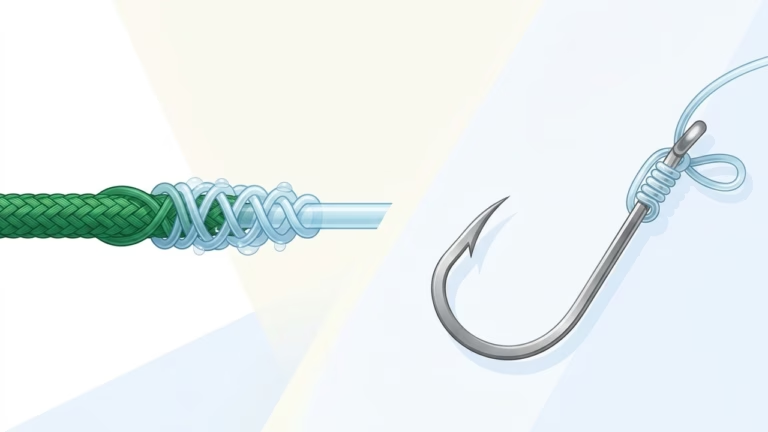
Knot Strength & Line Matcher
Pair slick braided mainlines to 60–80 lb mono abrasion leaders without sacrificing break strength at the swivel.
Rod Power & Action Matcher
Match blank length and moderate-fast tip flex to heavy 8-oz river anchors vs. sensitive Santee drift trolling.
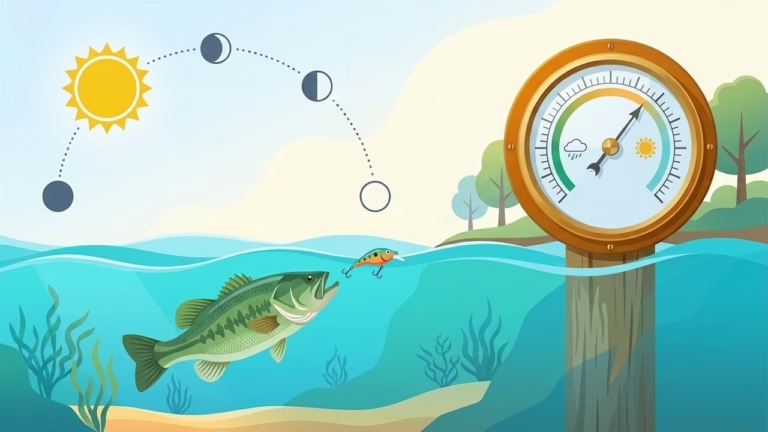
Solunar & Barometric Timer
Time your Lake Oconee and Altamaha River trips around overhead lunar transits and falling summer fronts.
Complete Catfish Bait Guide
Compare fresh skipjack, gizzard shad, blueback herring, and live Flathead bream rigging methods.
Final Captain’s Verdict: Picking Your Ideal 2026 Georgia Catfish Run
Across thousands of river miles and sprawling Piedmont reservoirs, locking in the best catfish fishing spots in georgia comes down cleanly to matching your boat or bank style to the right species:
- For Triple-Digit Record-Class Blue Catfish: Anchor safely outside the turbine seams below Walter F. George Dam on the Chattahoochee River with 6–8 oz bank leads and fresh skipjack herring steaks.
- For High-Numbers Santee Drift Action: Load up fresh gizzard shad and slow-drift 2-oz Santee Cooper peg-float rigs across Lake Oconee’s submerged timber ridges or Clarks Hill’s Little River arm.
- For Wild River Trophy Flatheads: Rig lively 6-inch bream behind 5-ounce no-roll weights tight to outside cypress bends along the Altamaha River below Jesup or rock walls below Mayo’s Bar on the Coosa River—and keep Lake Blackshear and upper Lake Lanier marked for relaxing summer evening Channel Cat trips.
Georgia Catfishing FAQs: State Records, Licenses & Rigging
What is the daily creel limit and minimum size limit for catfish in Georgia in 2026?
Statewide in Georgia public rivers and major reservoirs, there is NO minimum length limit and NO daily creel limit on Blue Catfish, Flathead Catfish, Channel Catfish, or White Catfish. Anglers age 16 and older only need a valid Georgia Fishing License—though always check local signage at state-managed Public Fishing Areas (PFAs) for occasional pond-specific bag caps.
Where was Georgia’s 110-pound state-record Blue Catfish caught?
Georgia’s official all-tackle state-record Blue Catfish weighed 110 pounds, 6 ounces and was landed on the Chattahoochee River immediately below Walter F. George Dam (Lake Eufaula) near Fort Gaines. The Altamaha River holds both the state-record Flathead Catfish (83 pounds) and Channel Catfish (44 pounds, 12 ounces).
What is the best rig for drift fishing Lake Oconee and Clarks Hill?
The Santee Cooper drift rig dominates Georgia’s timbered Piedmont reservoirs. Thread a 1.5- to 3-ounce flexible slinky weight onto 50–65 lb braided mainline above a barrel swivel, add a 24-inch 50 lb mono leader with a 2.5-inch peg float four inches ahead of an 8/0 inline circle hook, and troll at 0.4–0.7 mph with fresh cut gizzard shad or blueback herring.
Are Flathead and Blue Catfish legal to catch and release everywhere in Georgia?
While catch-and-release is legal at the point of capture, Georgia DNR strictly prohibits transporting or stocking live Flathead or Blue Catfish into uninfested waters. In non-native coastal rivers like the Satilla or Ogeechee (and where established along the Altamaha/Flint), DNR encourages harvesting invasive Flatheads rather than releasing them alive to protect native sunfish.