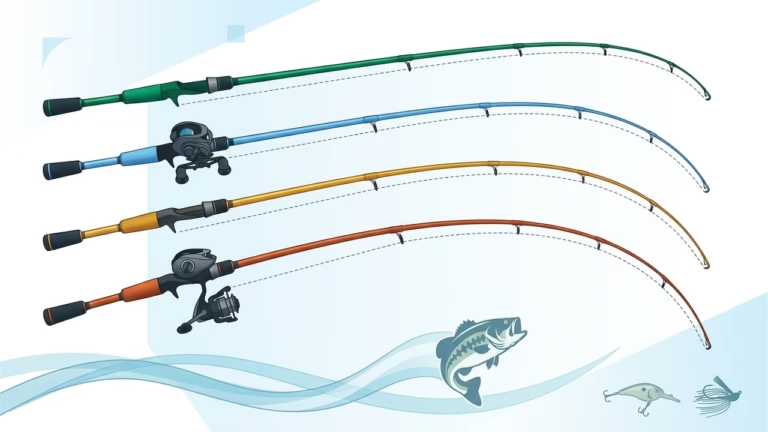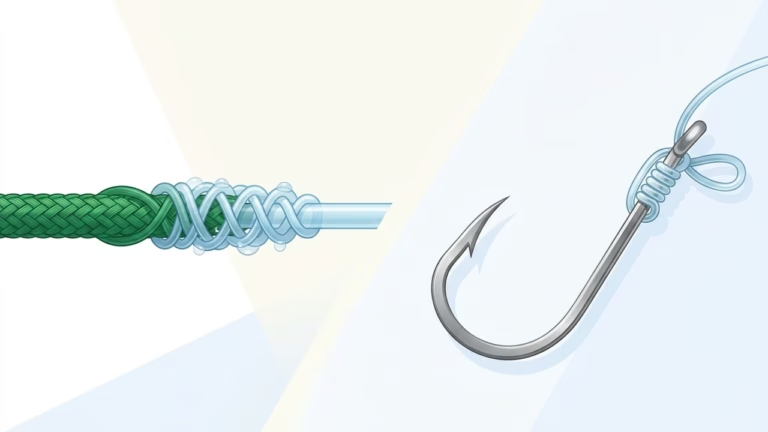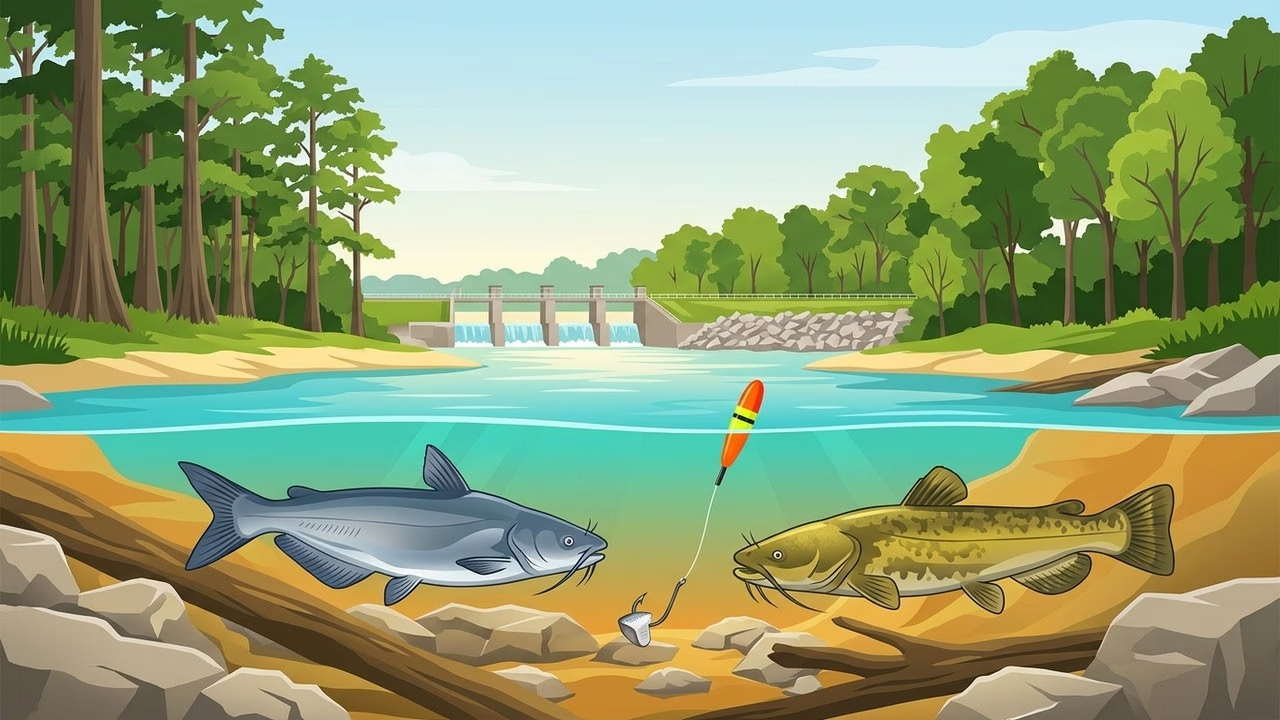
In our seasonal drift logs bouncing heavy sinkers down Mississippi River wing dikes below Helena and pinning flatheads tight against flooded White River cypress rootwads, Arkansas quietly stands shoulder-to-shoulder with any trophy catfishing state in America. From 100-pound river blues cruising along dredged barge lanes to chunky Ozark reservoir flatheads and Delta oxbow channel cats, every region in the Natural State fires hard between March and October.
We logged tailrace discharge rates, pinpointed concrete boat ramps across eight distinct Arkansas watersheds, and cross-checked current 2026 Arkansas Game and Fish Commission (AGFC) regulations so you can pull directly up to high-percentage structure with exact rig specifications.
Arkansas Catfishing At a Glance: Top Waters & Winning Rigs
- #1 Trophy Waterway: Mississippi River Delta Reach (Helena River Mile 663 down past Arkansas City, drifting
35–75 ftwing-dike scour holes) - Peak Bite Window: March–May spawn staging on dams at
56°F–68°F& June–September river drifts at70°F–83°F - 2026 AGFC Bag & Size Limit: 10 catfish aggregate daily creel statewide (blues, channels & flatheads combined), with no more than one catfish exceeding 34 inches per day—note special border-water & Mississippi River rules
- Primary Winning Setup: Ugly Stik Catfish Special + Abu Garcia Ambassadeur C3 6500 / Penn Battle IV + 65 lb PE Braid + Santee Cooper Rig
Best Catfish Fishing Spots in Arkansas: Top 8 Waters & GPS Access Matrix
Arkansas divides cleanly into three catfishing biomes: swift barge rivers packed with monstrous blue catfish (Mississippi and Arkansas rivers), flooded timber oxbow rivers famous for nocturnal flatheads (White and Little rivers), and highland limestone lakes teeming with channel cats. Use this ramp matrix to pick your target watershed cleanly by species and boat access.
| Lake / River Section | Primary Target Species | Key Structure / Dam Tailrace | Best Bait / Lure | Public Ramp / Bank Access |
|---|---|---|---|---|
| Mississippi River (Phillips & Desha Co.) |
Trophy Blue Catfish (20–90+ lb) & Flathead | Helena River Mile 663 rock wing dikes & Chute scour trenches (35–75 ft) |
Fresh cut skipjack herring, whole gizzard shad | Helena River Park Boat Ramp • 📍 Google Maps |
| Lake Dardanelle (Arkansas River) (Pope & Yell Co.) |
Blue Catfish, Flathead & Channel | Ozark Lock #12 tailrace down to Dardanelle stump flats & channel drops (20–45 ft) |
Cut shad, live perch / green sunfish | Lake Dardanelle State Park Ramp • 📍 Google Maps |
| Murray Lock & Dam #7 (Pulaski County) |
Blue Catfish (10–50 lb) & Channel | Turbine boil seams below Big Dam Bridge & riprap eddies (18–38 ft) |
Fresh cut skipjack chunks, shad fillets | Murray Park Ramp (Little Rock) • 📍 Google Maps |
| Lake Ouachita (Garland & Montgomery Co.) |
Flathead & High-Number Channel Cats | North Shore flooded timber standing deadwood & creek channel ledges (18–40 ft) |
Live bluegill, chicken breast, punch bait | Lake Ouachita State Park Ramp • 📍 Google Maps |
| Millwood Lake & Dam (Little River & Hempstead Co.) |
Flathead, Blue & Big Channel Cats | Little River cypress boat lanes & Millwood Dam gate spillway scour (12–30 ft) |
Live bullhead/bream, cut shad, nightcrawlers | Millwood State Park Marina • 📍 Google Maps |
| Lower White River (Arkansas & Monroe Co.) |
Trophy Flathead (15–60+ lb) & Blue Catfish | St. Charles sharp outside timber bends & flooded logjams (20–45 ft) |
6″–8″ live green sunfish, cut buffalo/shad | St. Charles Public Landing • 📍 Google Maps |
| Bull Shoals Lake (Marion & Baxter Co.) |
Channel Catfish & Deepwater Flatheads | Point 21 timbered cove pockets & rocky Ozark bluff transitions (15–35 ft) |
Cut shad, nightcrawler bundles, shrimp | Bull Shoals Dam Site Ramp • 📍 Google Maps |
| Lake Chicot (Chicot County) |
Channel Catfish & Stocker Blue Cats | Cyprus knee margins, Connerly Bayou inflow & dock brushpiles (6–18 ft) |
CJ’s Punch Bait, garlic liver, cut threadfin shad | Lake Chicot State Park Ramp • 📍 Google Maps |
1. Mississippi River (Helena-West Helena to Arkansas City Wing Dikes)
Nothing in freshwater fishing matches the raw horsepower of an Arkansas Delta blue catfish smashing a drift rig at 3 knots. Along the eastern Arkansas border around Helena (River Mile 663) down past Rosedale and Arkansas City, massive U.S. Army Corps rock wing dikes jut into deep mud-scour trenches carving 40 to 75 feet deep. That exact stretch yielded Arkansas’s colossal 116-pound, 12-ounce state-record blue catfish.
When we bump rigs along Helena wing dikes, we skip calm shorelines and drop heavy 6 to 10 oz no-roll or drag-stick weights directly off downstream rock-dike tips where back-eddy shear lines trap dizzy skipjack herring. Check safe drift weight requirements before launching using our Catfish Sinker Weight & River Current Calculator and run full control drifts detailed in our catfish drift fishing handbook.
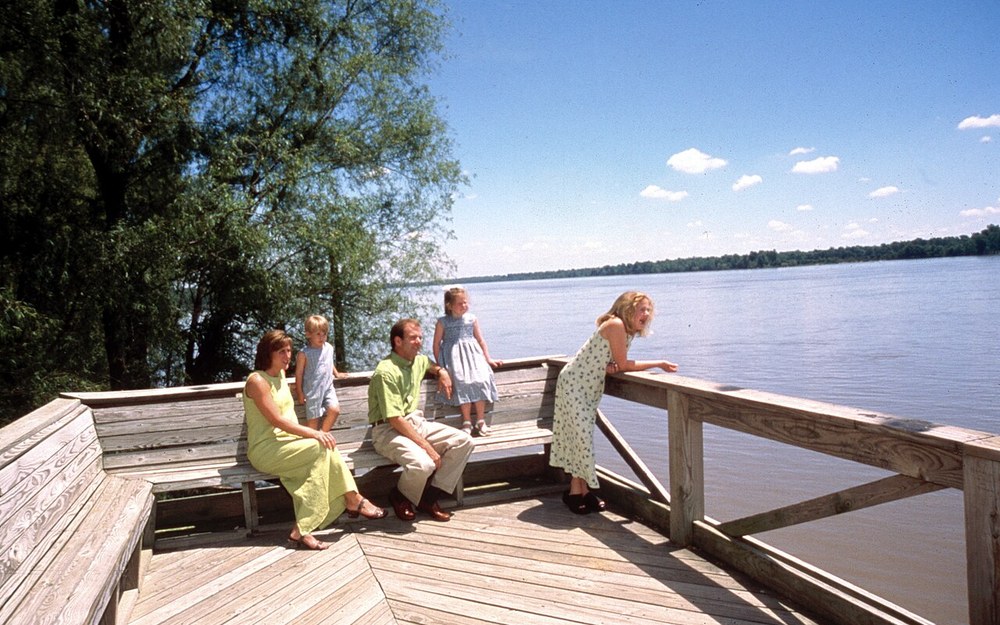
Photo: Mississippi River barge corridor and rock shoreline near Helena-West Helena, AR (National Archives / Public Domain).
📍 Helena River Park Boat Ramp (River Mile 663) (GPS: 34.5244, -90.5838)
2. Lake Dardanelle & Ozark Tailrace (Russellville / Arkansas River)
Spanning 34,300 acres along the McClellan-Kerr Arkansas River Navigation System between Ozark Lock & Dam #12 and Dardanelle Lock & Dam #10, Lake Dardanelle packs enormous river blues and flatheads along flooded old river channels, riprap barge walls, and shallow grass flats loaded with gizzard shad. When USACE engineers open floodgates or crank hydro turbines, big fish stack aggressively along the current seams.
Target sharp channel drops between 20 and 45 feet just outside Illinois Bayou or launch smoothly from Lake Dardanelle State Park in Russellville to drift fresh cut shad across stump-lined river humps.
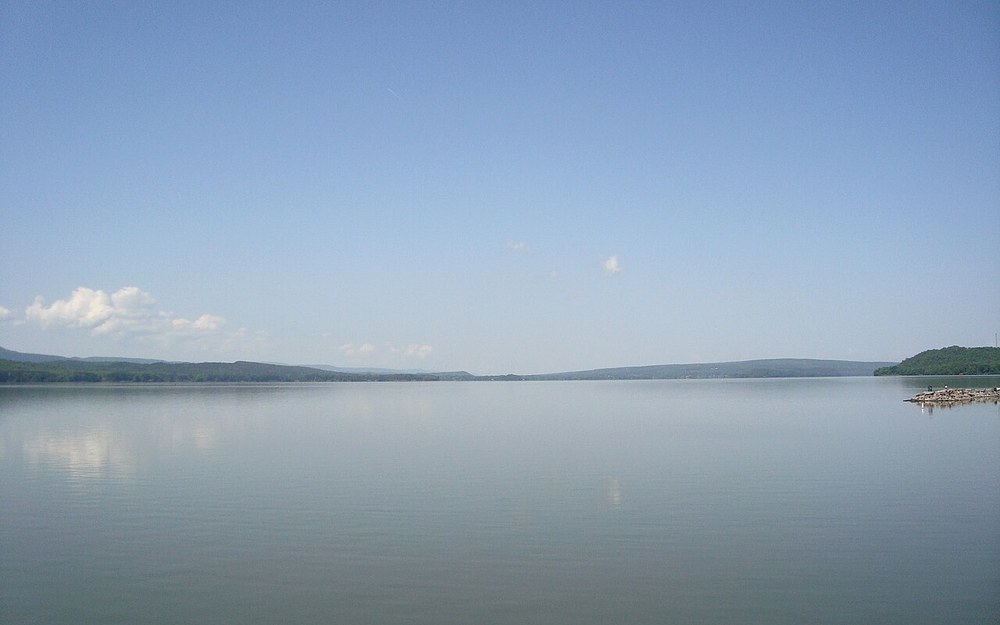
Photo: Lake Dardanelle main impoundment along the Arkansas River Navigation System in Russellville, AR (Public Domain).
📍 Lake Dardanelle State Park Launch, Russellville (GPS: 35.2847, -93.2044)
3. Murray Lock & Dam No. 7 (Little Rock Metropolitan Reach)
If you want monster river blue catfish without pulling a boat 90 miles from downtown Little Rock, Murray Lock & Dam No. 7 beneath Big Dam Bridge gives central Arkansas anglers premier concrete tailwater and boat access right off Murray Park. Fast oxygenated discharge funnels stunned threadfin and gizzard shad off spillway walls, drawing hungry 15 to 45 lb blues within casting reach of shoreline riprap.
Cast out just off the slack-to-turbulent seam lines with 65 lb braid and heavy pyramid/no-roll sinkers, timing morning discharges alongside peak feeding triggers in our Solunar Fishing Bite Times & Barometric Calculator.
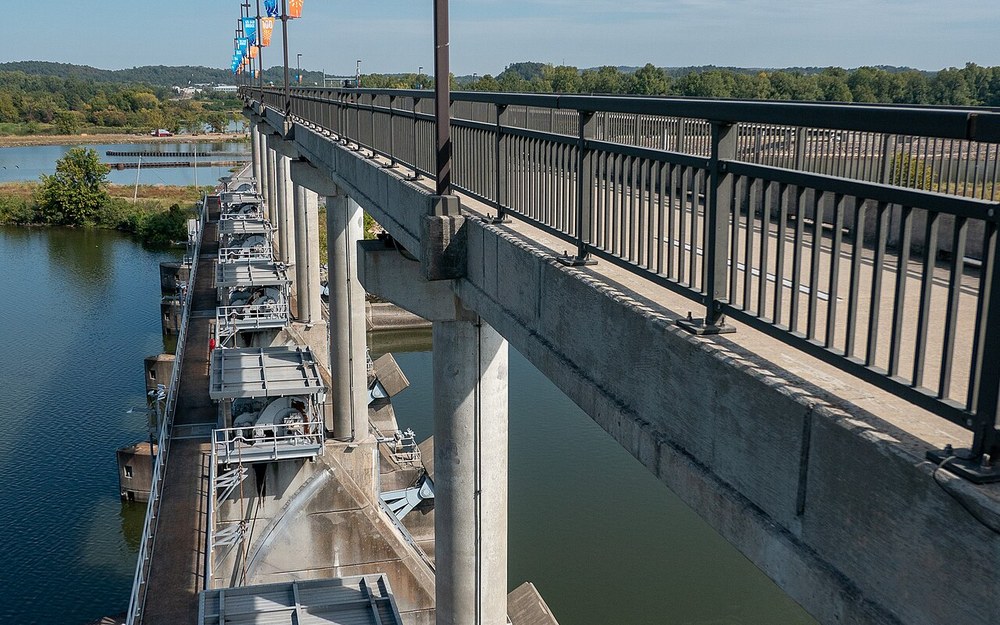
Photo: Murray Lock & Dam No. 7 tailrace corridor below Big Dam Bridge, Little Rock, AR (Wikimedia Commons / CC BY-SA 4.0).
📍 Murray Park Boat Ramp (Lock & Dam #7), Little Rock (GPS: 34.7897, -92.3458)
4. Lake Ouachita (Mount Ida to Mountain Pine Timber Coves)
Famously clear and rimmed by 40,000 acres of Ouachita National Forest islands, Lake Ouachita shines when river floods blow out lowland navigation channels across May and June. Dense standing dead timber anchored along North Shore coves and South Fork creek drops holds exceptional numbers of eating-size channel cats alongside bruising 20-to-40 lb flatheads.
Anchor boats vertically near standing submerged tree tops in 18 to 35 feet just before dusk and suspend live green sunfish or chicken chunks near mid-depth breaklines.
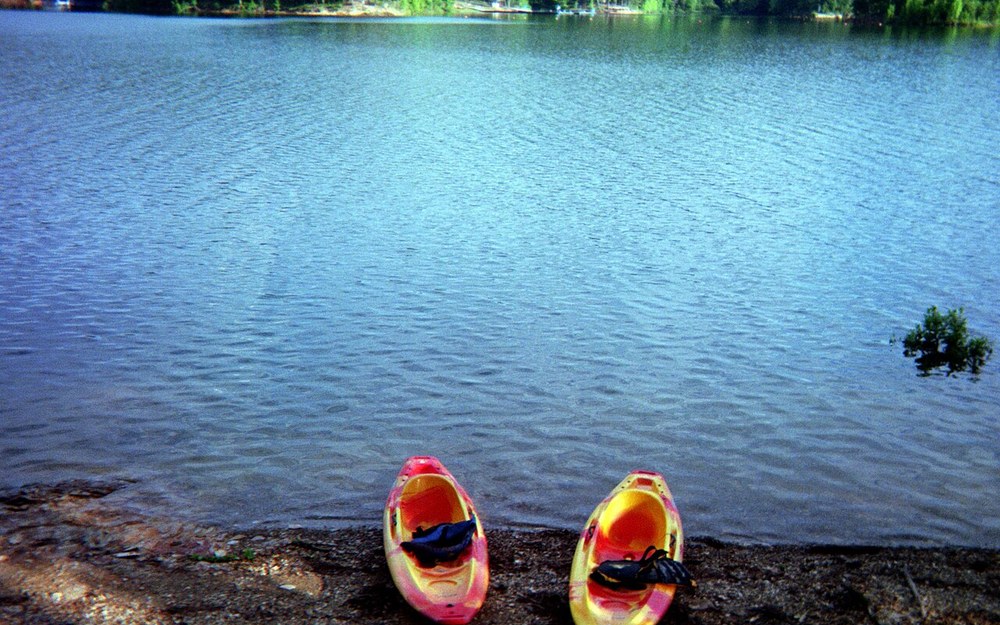
Photo: Lake Ouachita main-lake rocky point & submerged timber cove near Mountain Pine, AR (Wikimedia Commons / CC BY-SA 4.0).
📍 Lake Ouachita State Park Boat Ramp, Mountain Pine (GPS: 34.6197, -93.1965)
5. Millwood Lake & Little River Dam Spillway (Ashdown)
Southwest Arkansas’s 29,200-acre Millwood Lake blends cypress-choked Little River oxbows with a high-discharge concrete dam spillway north of Texarkana. Inside stained warm shallows around 12 to 24 feet, stumpy boat lanes shelter hefty flathead ambushes, while high-water dam releases stack active blue catfish and channel cats tightly against spillway concrete aprons.
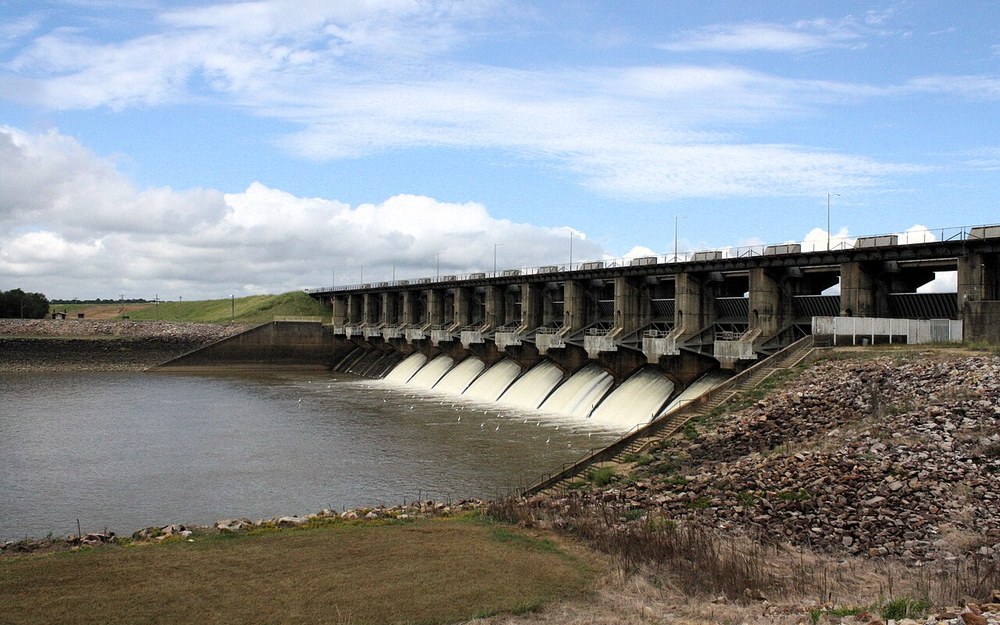
Photo: Millwood Dam spillway and flooded Little River timber impoundment near Ashdown, AR (Wikimedia Commons / CC0).
📍 Millwood State Park Marina & Spillway Ramp, Ashdown (GPS: 33.6796, -93.9912)
6. Lower White River (St. Charles to Clarendon Wooded Bends)
Before joining the Mississippi River delta, the Lower White River twists past DeValls Bluff, Clarendon, and St. Charles through bottomland hardwood forest rich in logjams and deep outside undercut bends—home to Arkansas’s 80-pound state-record flathead catfish. Our crew consistently scores on big yellow cats after sunset by anchoring 40 yards upstream of submerged log piles in 22 to 40 feet and lowering lively 6-inch bream tightly on short, snag-resistant leaders.
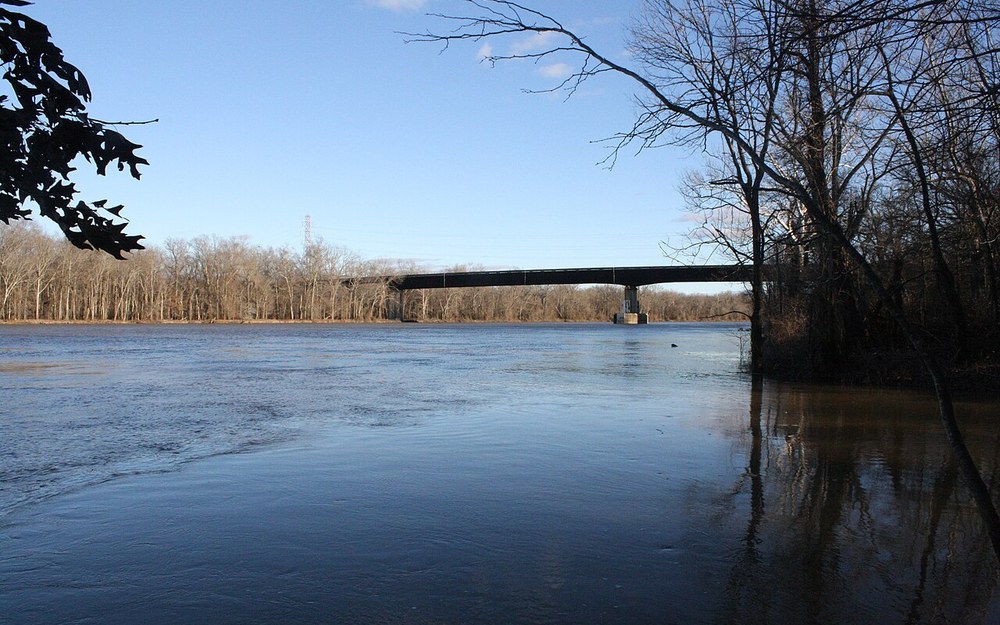
Photo: Lower White River bend framed by bottomland hardwoods at St. Charles, AR (Wikimedia Commons / CC0).
📍 St. Charles White River Public Landing, St. Charles (GPS: 34.3778, -91.1328)
7. Bull Shoals Lake (Lakeview & Ozark Limestones)
Northern Arkansas’s deep limestone canyon impoundment holds coldwater trout below its dam, yet warms sharply across wooded side coves above Bull Shoals Dam around Point 21 and Tucker Hollow. Channel catfish cruise shallow riprap banks and rocky secondary flats at dusk throughout summer at 15 to 30 feet, biting eagerly on simple nightcrawler rigs and fresh shad cut-baits.
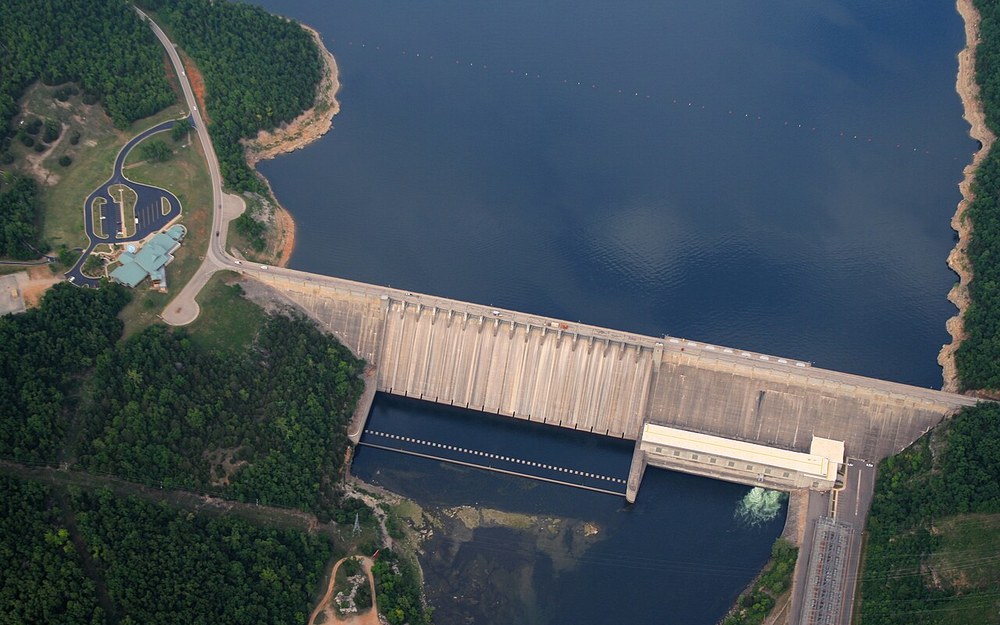
Photo: Bull Shoals Dam & deep Ozark limestone bluff transition at Lakeview, AR (Wikimedia Commons / CC BY-SA 3.0).
📍 Bull Shoals Lake Dam Site Boat Dock, Lakeview (GPS: 36.3702, -92.5815)
8. Lake Chicot (Lake Village Delta Oxbow)
As North America’s largest natural oxbow lake—curving 22 miles along Arkansas’s southeastern corner—Lake Chicot stays heavily stocked and produces fast action on chunky channel catfish and mid-size blues right beside private dock pilings, cypress knees, and Connerly Bayou inlet water. Pack plenty of dip baits, punch baits, and cut shad for high-volume warmwater fishing from Lake Chicot State Park Marina.
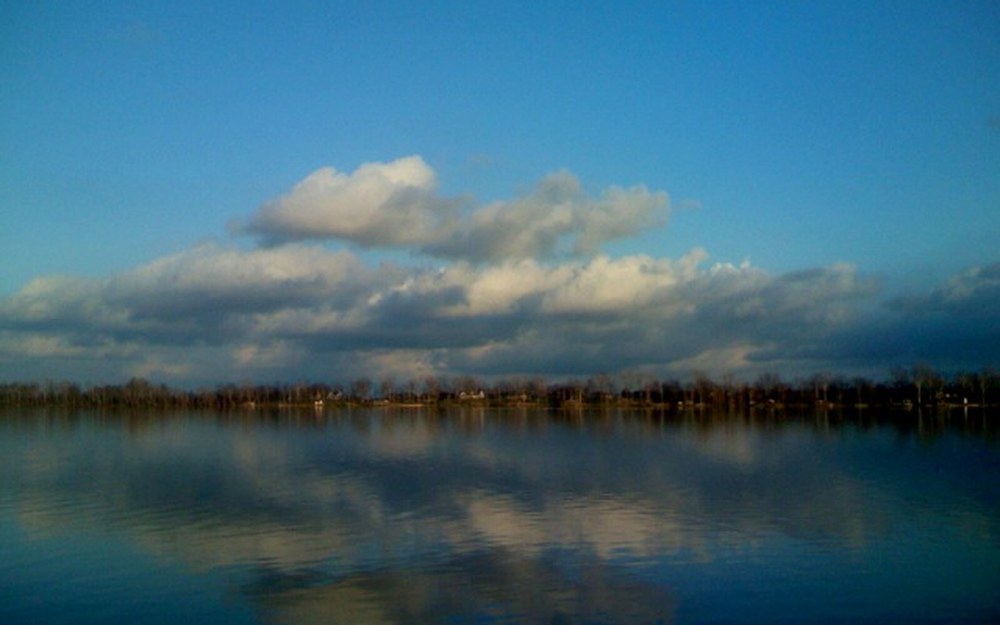
Photo: Lake Chicot ancient Mississippi River oxbow lake & cypress shoreline in Lake Village, AR (Wikimedia Commons / CC BY 2.0).
📍 Lake Chicot State Park Marina Ramp, Lake Village (GPS: 33.3688, -91.2136)
Arkansas Catfish Breakdown: Blue, Flathead & Channel Tactics
Because Arkansas rivers support all three marquee North American trophy species, identifying subtle mouth shapes and matching your hook presentation directly multiplies hookup percentages—check detailed comparisons in Blue Catfish vs. Flathead Catfish and Channel vs. Flathead identification.
- Blue Catfish (Ictalurus furcatus): Current-loving apex hunters featuring
30–36anal-fin rays with a straight edge and deeply forked tails. Blues roam relentlessly along Mississippi River and Arkansas River navigation bends, feeding primarily on fresh oily cut shad and skipjack herring. - Flathead Catfish (Pylodictis olivaris): Square-tailed ambush predators carrying thick jutting lower jaws and mottled camouflage. Flatheads ignore stink baits cleanly; drop live
5 to 8 inchsunfish or bullheads directly against submerged timber rootwads after sundown. - Channel Catfish (Ictalurus punctatus): Streamlined omnivores ideal for family boat trips across Ouachita, Bull Shoals, and Chicot. Channel cats hammer punch baits, nightcrawlers, garlic shrimp, and smaller cut shad fillets in
8 to 22 feet.
Arkansas River & Reservoir Tackle Loadout (Trophy Blue & Flathead Specs)
Landing a 40-pound river blue ripping past jagged riprap rocks demands balanced heavy hardware that keeps you out of snags. Verify braid capacity cleanly through our Fishing Reel Line Capacity & Backing Calculator, check hook-set action via our Fishing Rod Power & Action Quiz, and test heavy knot break efficiency inside our Fishing Knot Strength & Line Matcher.
| Gear Component | Recommended Model | Exact Spec (Power / Ratio / LB) | Why It Works in Arkansas | Check Live Price |
|---|---|---|---|---|
| Heavy Big-River Rod | Ugly Stik Catfish Special | 7′6″–8′0″ Heavy / Mod-Fast | Handles 6–10 oz wing-dike weights without folding while Clear Tip loads big circle hooks smoothly. | |
| High-Sensitivity Drift Rod | St. Croix Mojo Cat | 7′6″ Medium-Heavy / Fast (20–50 lb) | Tracks bottom gravel ticks clearly during slow suspension drifts across Lake Dardanelle river humps. | |
| Trophy Casting Reel | Abu Garcia Ambassadeur C3 6500 | 5.3:1 Ratio | 255 yd / 17 lb | Bait Clicker | Indestructible brass gearing stops 50-pound White River flatheads dead before reaching sunken logjams. | |
| Tailrace Spinning Reel | Penn Battle IV 5000 / 6000 | 5.6:1 Ratio | Full Metal Body | 25 lb Drag | Zero frame flex when wrenching big river blues clear of Murray Dam spillway concrete rocks. | |
| Snag-Busting Mainline | PowerPro / Sufix 832 PE Braid | 65–80 lb High-Vis Braid (50 lb mono leader) | Thin diameter resists 4 mph main-channel Mississippi River bow while backing handles rock abrasion. | |
| Trophy Circle Hooks & Leads | Gamakatsu Octopus Circle + No-Roll Leads | 8/0–10/0 Circle Hooks + 4–10 oz No-Roll Lead | Holds dead-center in giant blue catfish jaws for safe catch-and-release over 34 inches. |
Hands-On Big River Rigging & Bank-Fishing Execution
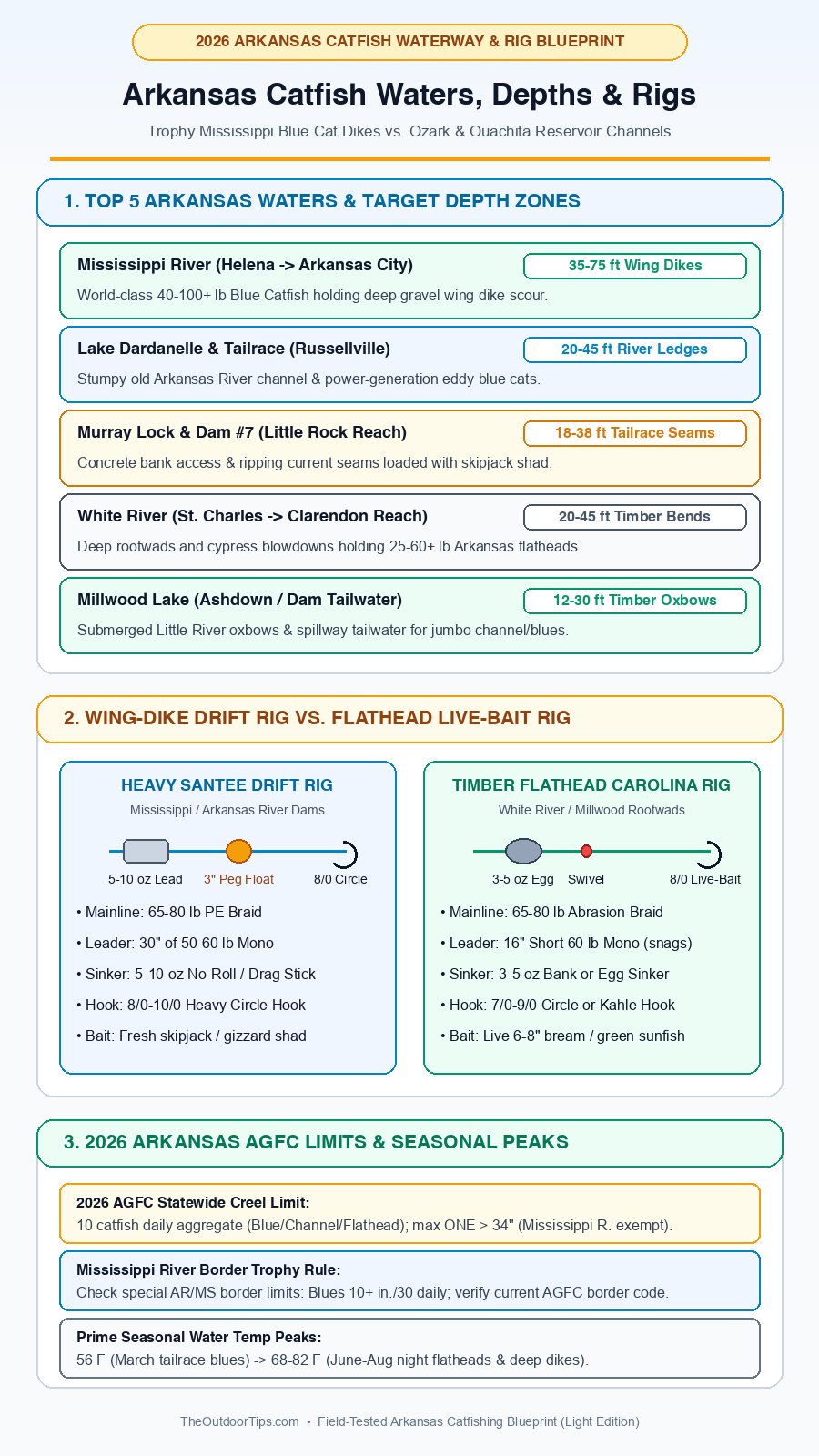
When bouncing heavy current across the Arkansas or Mississippi rivers, we tie a peg-float Santee Cooper drift rig on 50 lb mono leaders below a 6 oz no-roll or slinky drift weight, lifting bloody cut skipjack or gizzard shad steaks neatly above bottom snag rocks. Compare stout casting sticks in our best bank catfishing rods review, complete catfish rod test, and Ugly Stik catfish breakdown, or tune bait odors using our catfish scent attraction guide. Traveling across nearby state lines? Check border-water access inside our Mississippi catfish waters guide, Tennessee catfish spots, Oklahoma catfish guide, and Texas catfish waters.
2026 Arkansas AGFC Catfish Limits & Border-Water Compliance
- Standard Statewide Daily Limit (2026 AGFC): Most inland Arkansas lakes and rivers carry an aggregate 10-catfish daily creel limit (blue, channel, and flathead combined), with only ONE catfish over 34 inches allowed per angler daily.
- Arkansas-Mississippi Border Waters Exemption: On shared Mississippi River oxbows and border channels governed under reciprocal AGFC/MDWFP rules, special limits apply (consult the current 2026 AGFC Guidebook border section before boxing big fish over 30 inches).
- License & Jug/Trotline Tags: Anglers aged
16 and olderneed a valid Arkansas Resident or Non-Resident Freshwater License, and all passive jugs or trotlines require waterproof name/AGFC ID tags plus daytime check compliance.
✅ Final Captain’s Verdict: Locking In a 40+ lb Arkansas Catfish
1. Chase Trophy Blues on Wing Dikes: Launch at Helena River Park, drop 8/0 circle hooks baited with fresh skipjack down the downstream scour chute of Mississippi River rock dikes, and release giant 34″+ spawners safely.
2. Stack Numbers on Dardanelle & Murray Dam: Target hydro-generation seams below Little Rock or stump rows off Russellville whenever USACE turbines turn on strong afternoon flow.
Frequently Asked Questions About Catfishing in Arkansas
What is the 2026 catfish creel limit in Arkansas?
Under 2026 AGFC statewide regulations, anglers may keep an aggregate limit of 10 catfish per day (channel, blue, and flathead combined), with no more than one catfish exceeding 34 inches in length per day on most inland waters (always verify Mississippi River border-water exceptions).
Where is the best place to catch trophy 50+ lb catfish in Arkansas?
The Mississippi River corridor near Helena-West Helena and Arkansas City produces Arkansas’s biggest blue catfish (including the 116 lb 12 oz state record), while the Arkansas River below Lake Dardanelle and Murray Lock & Dam No. 7 deliver the best inland tailwater trophy blues.
Do I need a fishing license to bank fish below Arkansas River locks and dams?
Yes. Every angler age 16 and older fishing public banks, dam tailwaters, or reservoirs in Arkansas must hold a valid AGFC Resident or Non-Resident Freshwater Fishing License (unless qualifying for an age/disability exemption).
What is the #1 bait for big Arkansas River blue and flathead catfish?
For blue catfish drifting rock wing dikes or dam seams, freshly caught skipjack herring and oily cut gizzard shad are unbeatable. For nocturnal White River and Millwood flatheads, stick strictly to lively 5–8 inch green sunfish or bluegill rigged beside heavy submerged timber.