In our seasonal desert reservoir drift logs anchoring heavy Carolina slip rigs along the sheer granite drop-offs of Bartlett Lake and drifting live bluegills through turbulent tailrace plunge pools on the Lower Colorado River, Arizona consistently proves itself as the premier trophy whiskerfish capital of the American Southwest. While Apache trout and winter crappie fisheries capture traditional tourist attention across the Grand Canyon State, Arizona’s vast desert river impoundments, sheer-walled canyon lakes, and agricultural river valleys harbor world-class, apex-predator catfish. Between 70-pound leviathan flathead catfish prowling the deep Verde River arm of Bartlett Lake, schooling channel catfish swarming the flooded brush of Alamo Lake, and arm-wrenching river predators patrolling Colorado River current seams, Arizona catfishing delivers explosive, heavy-tackle action from mid-spring warming straight through late autumn river drawdowns.
Targeting catfish in Arizona demands specialized nocturnal strategy and robust terminal tackle. Daytime summer surface temperatures across the Sonoran Desert regularly exceed 105°F, driving heavyweight flatheads and channel cats into 20- to 60-foot deep thermal refuges until twilight triggers ferocious shallow-water hunts. In this comprehensive master guide, we break down the 8 best catfish fishing spots in Arizona with verified GPS coordinates, official boat ramp access points, seasonal depth contours, live-bait rigging schematics, and official 2026 Arizona Game and Fish Department (AZGFD) harvest regulations.
✔ 2026 Regulations & Rigs Verified
Arizona Fishing At a Glance: Top Waters & Winning Rigs
- #1 Trophy Waterway: Bartlett Lake (Verde River Inlet, Jojoba Basin & Dam Bluffs, targeting
18–55 ftsubmerged boulder ledges) - Peak Bite Window: May through September (Water Temps
72°F–86°F; intense summer monsoon night bite between 8:30 PM and 3:00 AM) - 2026 AZGFD Limits: Statewide general daily limit of 10 catfish in aggregate (Channel and Flathead combined); 25 bullhead; open 24 hours year-round; no minimum length limit.
- Primary Winning Setup: 7’6″ Heavy Ugly Stik Catfish Special + Abu Garcia C3 6500 / Penn Battle IV 5000 + 65–80lb Braid + 4–6 oz No-Roll Sinker + 8/0 Gamakatsu Circle Hook + Live Legal Bluegill or Fresh Cut Carp
Top Arizona Catfish Waterways: GPS & Access Matrix
Success when catfishing in Arizona requires pairing your bait selection and sinker weight with the unique physical profile of each desert fishery. Raging tailrace currents on the Lower Colorado River require heavy flat lead to anchor live sunfish against scouring gravel seams, while sheer-cliff canyon lakes like Saguaro and Bartlett require precision boat anchoring along submerged talus slopes. The matrix below outlines the premier catfish waters across Arizona.
| Lake / River Section | Primary Target Species | Key Structure / Target Depth | Best Bait / Rig | Public Ramp / Bank Access |
|---|---|---|---|---|
| Bartlett Lake: Verde Arm (Maricopa County) |
Flathead Catfish (Trophies to 70+ lb), Channel | Submerged granite boulders, 18–55 ft river channel |
Live bluegill, large green sunfish, fresh cut carp | Jojoba Boat Launch • 📍 Google Maps |
| Lake Pleasant: Aqua Fria Arm (Maricopa / Yavapai) |
Flathead Catfish, Channel Catfish | Basalt canyon walls, 18–48 ft riverbed drop-offs |
Live sunfish, waterdogs, cut white bass | Pleasant Harbor Marina • 📍 Google Maps |
| Theodore Roosevelt Lake (Gila & Maricopa) |
Channel Catfish, Flathead Catfish | Flooded salt cedar trees, 12–35 ft river flats |
Cut carp steaks, garlic chicken breast, nightcrawlers | Cholla Recreation Ramp • 📍 Google Maps |
| Lower Colorado: Imperial Dam (Yuma County) |
Flathead Catfish (40–60+ lb), Channel | Turbulent scour holes, 10–28 ft gravel seams |
Live tilapia, bluegill, heavy 5 oz No-Roll rig | Martinez Lake Marina • 📍 Google Maps |
| Alamo Lake State Park (La Paz & Mohave) |
Channel Catfish (Heavy numbers), Bullhead | Sunken trees, 8–24 ft submerged mesquite flats |
Nightcrawler balls, punch bait, chicken livers | Alamo Lake Main Ramp • 📍 Google Maps |
| Saguaro Lake: Salt River Canyon (Maricopa County) |
Flathead Catfish, Channel Catfish | Volcanic rock walls, 15–45 ft boulder talus |
Live bluegill, cut carp, waterdogs | Saguaro Lake Marina Launch • 📍 Google Maps |
| Lake Havasu: Topock Gorge (Mohave County) |
Channel Catfish, Flathead, Blue Catfish | Current seams, 12–30 ft marsh weed breaks |
Fresh mackerel strips, nightcrawlers, live shad | Cattail Cove State Park • 📍 Google Maps |
| Verde River: Horseshoe to Needle (Yavapai & Maricopa) |
Channel Catfish, Flathead Catfish | Deep limestone scour pools, 6–18 ft root tangles |
Cut sucker, nightcrawlers, garlic chicken | Horseshoe Dam Launch • 📍 Google Maps |
Detailed Breakdown: The 8 Best Catfish Spots in Arizona
1. Bartlett Lake: Verde River Arm & Dam Bluffs (Maricopa County)
Nestled 45 miles northeast of Scottsdale in the Tonto National Forest, Bartlett Lake is universally acknowledged by trophy whiskerfish anglers as the greatest flathead catfish fishery in the Western United States. Formed by Bartlett Dam on the Verde River, this 2,800-acre desert impoundment boasts an extraordinary forage base consisting of gizzard shad, carp, and sunfish. In April 2013, Bartlett Lake solidified its legendary status when Phoenix angler Eddie Wilcoxson landed the standing Arizona state-record flathead catfish: a gargantuan 76 lb 8.64 oz leviathan measuring 53.5 inches in length.
Targeting Bartlett’s monster flatheads requires focusing on the transition zones where sheer granite canyon walls drop directly into the submerged Verde River channel. From Jojoba Basin upriver to the Yellow Cliffs, look for depths of 20 to 50 feet where huge submerged granite boulder piles create underwater current breaks. As dusk arrives, mature flatheads cruise out of the deep boulders onto adjacent 15-foot gravel shelves to ambush forage. Anchor your boat above the structure and deploy live, legal sunfish or large bluegills on a heavy slip rig. To prevent heavy terminal tackle from snagging on razor-sharp granite boulders, calculate your exact sinker weight with our Catfish Sinker Weight & River Current Calculator.
GPS Coordinates: 33.8210° N, 111.6320° W
Productive Depth: 18–55 ft river channel boulder seams
Prime Structure: Submerged granite boulder talus, Yellow Cliffs channel bends
Top Bait: Live bluegill (4–6 inches), green sunfish, fresh cut carp
Angler Field Log: Bartlett flatheads are brutal, apex predators. When a 50-pounder engulfs a live bluegill, it immediately drives for the jagged granite crevices. We spool heavy casting reels with 80 lb braid and a 60 lb monofilament shock leader. Lock your drag tight and use an 8/0 to 10/0 Gamakatsu circle hook pinned through the bluegill’s back behind the dorsal fin.
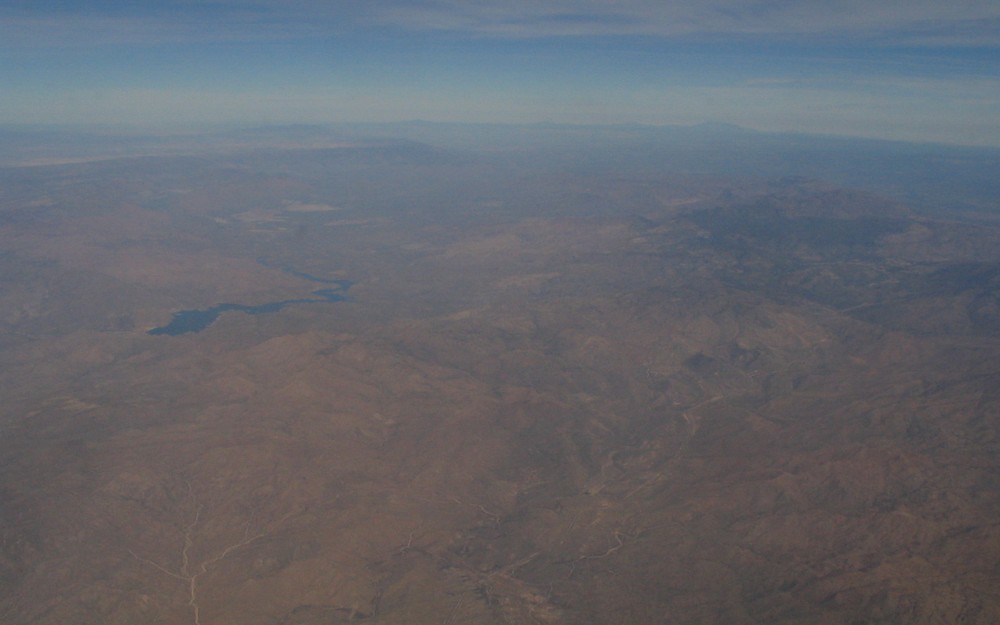
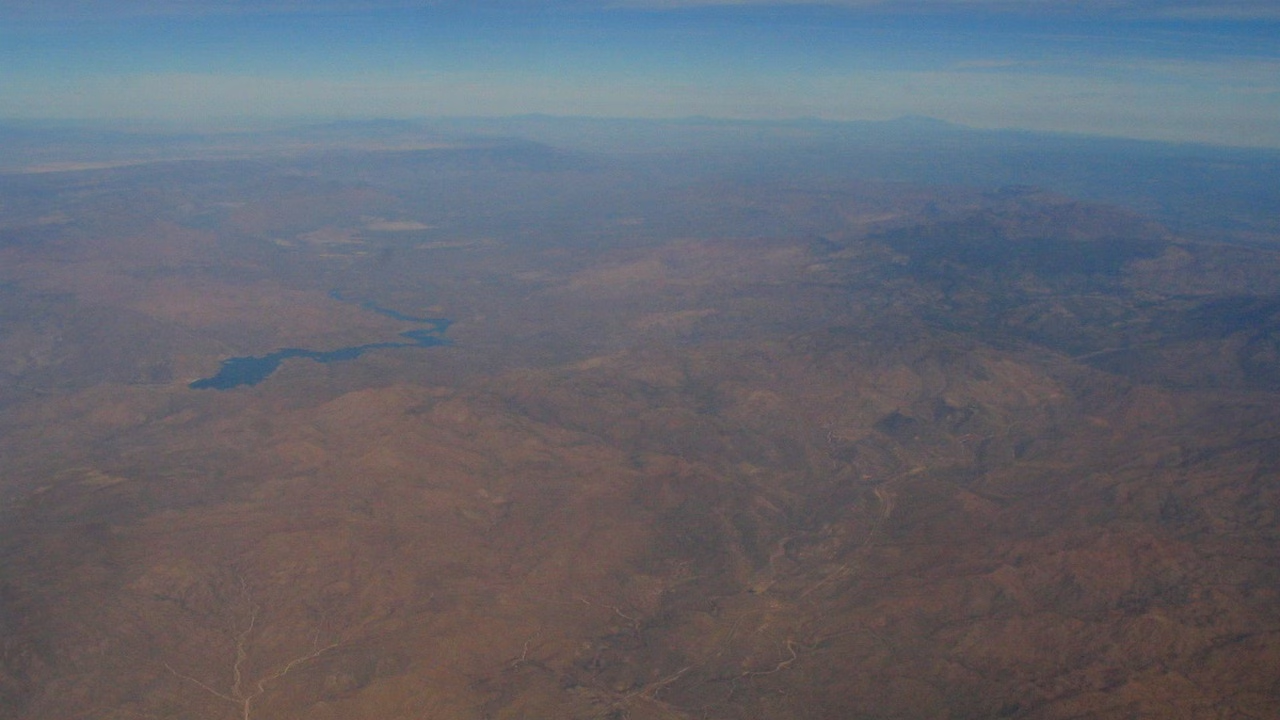
Photo: Bartlett Lake Verde River arm — home of the 76.5 lb Arizona state record flathead and premier Southwest trophy whiskerfish waters.
📍 Bartlett Lake Marina Rio Verde AZ (GPS: 33.8210° N, 111.6320° W)
Access & Launch: Launch at the paved Jojoba Boat Ramp or Bartlett Marina (Google Maps) via Bartlett Dam Road northeast of Carefree. Full-service marina facilities, rental slips, and fuel are available.
2. Lake Pleasant: Aqua Fria Arm & Waddell Dam (Maricopa & Yavapai Counties)
Located just 30 miles northwest of downtown Phoenix, Lake Pleasant is a 10,000-acre reservoir created by the New Waddell Dam on the Aqua Fria River. While known widely for its bustling daytime recreational boating and aggressive white bass runs, serious night anglers know Lake Pleasant as a premier heavyweight catfishing destination. The lake supports enormous populations of channel catfish throughout its expansive main basin, alongside monster flathead catfish that frequently reach 30 to 50+ pounds in the northern river reaches.
The northern Aqua Fria river arm and Humbug Creek canyon are the primary trophy flathead hunting grounds. Here, towering volcanic canyon walls plunge steeply into 25 to 50 feet of dark water. As summer daytime temperatures soar past 110°F in the desert valley, catfish suspend along deep thermocline breaks and rock shelves. After sundown, flatheads migrate up the canyon channels to ambush schooling white bass and threadfin shad. Rig a live bluegill or waterdog on a 4 oz flat No-Roll sliding rig, anchoring your boat securely in the mouth of deep tributary coves.
GPS Coordinates: 33.8560° N, 112.2740° W
Productive Depth: 18–48 ft submerged riverbed and canyon walls
Prime Structure: Basalt canyon walls, Humbug Creek channel, submerged roadbeds
Top Bait: Live legal sunfish, waterdogs (salamander larvae), cut white bass
Angler Field Log: Lake Pleasant features intense summer thermal stratification. Sonar mapping typically reveals a hard thermocline at 28 to 35 feet. Never drop your bait below this oxygen-depleted zone; suspend live baits 2 to 4 feet above the thermocline line along vertical canyon rock walls where foraging flatheads cruise.
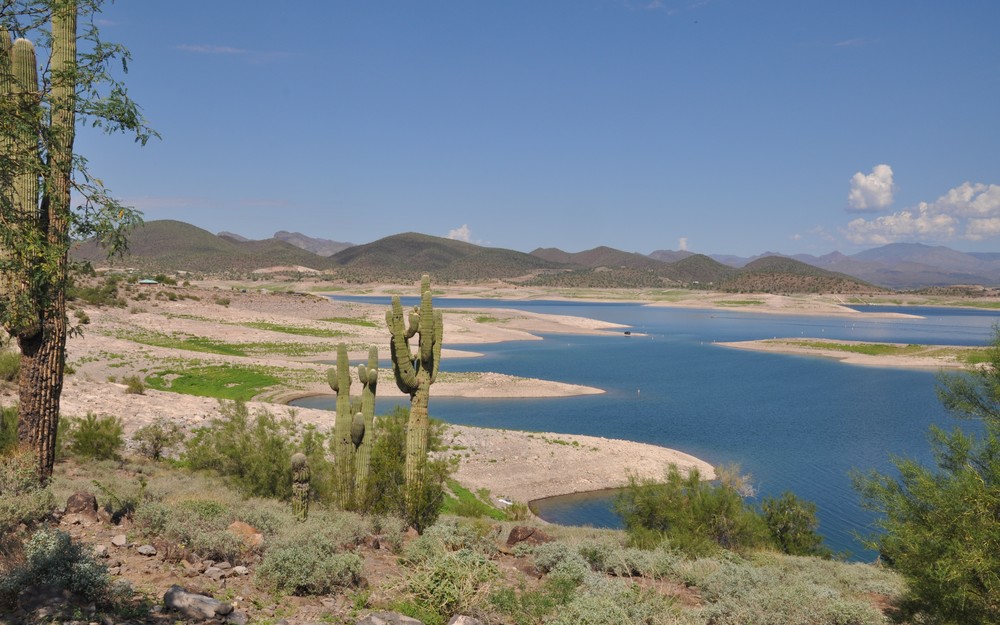
Photo: Lake Pleasant Regional Park waters — expansive desert canyon arms holding giant flathead catfish and schooling channel cats.
📍 Pleasant Harbor Marina Peoria AZ (GPS: 33.8560° N, 112.2740° W)
Access & Launch: Excellent multi-lane paved launch ramps are available at Pleasant Harbor Marina (Google Maps) on the east shore and Lake Pleasant Regional Park North Ramp on the west shore.
3. Theodore Roosevelt Lake: Salt River Flats & Timber (Gila & Maricopa Counties)
Covering over 21,000 surface acres at full pool in central Arizona’s Tonto Basin, Roosevelt Lake is the largest impoundment situated entirely within the state. Impounded by the historic Theodore Roosevelt Dam on the Salt River, this vast reservoir features an incredible maze of submerged salt cedar forests, flooded mesquite trees, and extensive river inflow flats. The fertile, warm water produces immense biomass, supporting abundant channel catfish populations and trophy flatheads exceeding 40 pounds.
The eastern end of the lake, where the Salt River pours into the main basin near the historic Roosevelt Bridge, is the primary destination for catfish enthusiasts. Extensive shallow silt flats transition abruptly into deep 15- to 35-foot river channels bordered by dense stands of drowned timber. Channel catfish roam these flats in massive schools during the evening, scouring the bottom for decaying baitfish and terrestrial insects. Deploying Carolina rigs baited with fresh cut carp steaks or garlic chicken breast produces fast-paced, multi-fish stringers throughout summer nights.
GPS Coordinates: 33.6680° N, 111.1430° W
Productive Depth: 12–35 ft flooded timber channels
Prime Structure: Submerged salt cedar forests, Salt River channel drop-offs, bridge pilings
Top Bait: Freshly cut common carp steaks, garlic chicken breast, nightcrawlers
Angler Field Log: Roosevelt’s flooded timber will wrap monofilament around dead mesquite trunks in seconds. We rig 65 lb braided mainline directly to a heavy barrel swivel, using our Fishing Knot Strength Tool to tie a bomb-proof Palomar knot that withstands brute-force winching out of thick submerged brush.
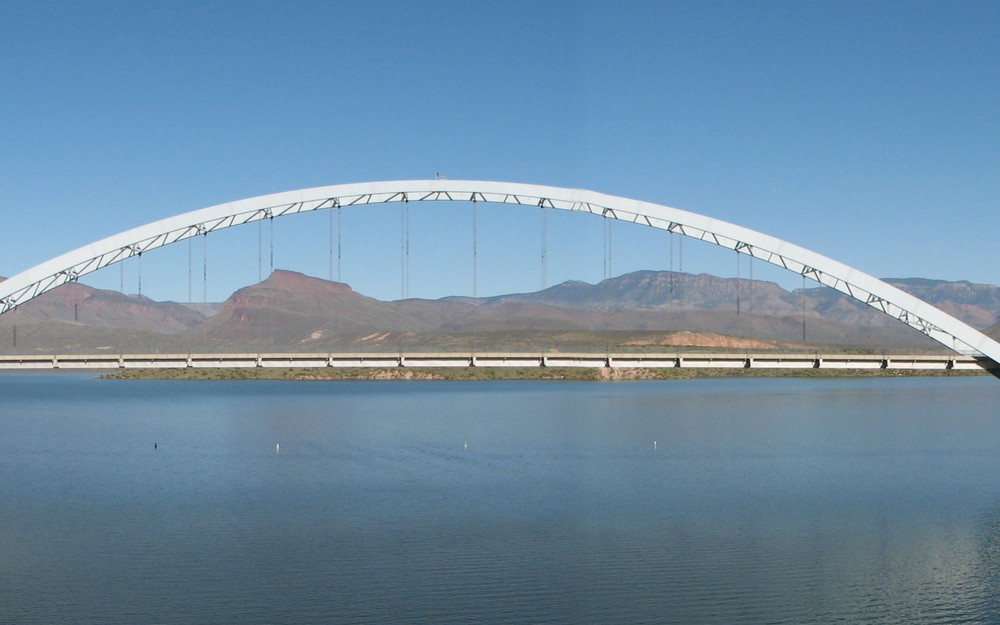
Photo: Roosevelt Lake Bridge and Salt River arm — vast flooded forests and fertile river flats harboring heavyweight channel and flathead cats.
📍 Cholla Boat Ramp Roosevelt Lake AZ (GPS: 33.6680° N, 111.1430° W)
Access & Launch: Public access is available at multiple modern launch sites, including the Cholla Recreation Site (Google Maps) and Windy Hill Campground ramps off Highway 188.
4. Lower Colorado River: Imperial Dam & Martinez Lake (Yuma County)
Flowing through southwestern Arizona along the California border, the Lower Colorado River below Blythe down to Yuma represents a wild, high-current river catfishing frontier. The reach encompassing Imperial Dam, Laguna Dam, and the sprawling backwater network of Martinez Lake and Ferguson Lake produces true river monsters. In 1988, angler Walter Wilson pulled a massive 74 lb 0 oz flathead from these waters, and 40- to 60-pound flatheads are intercepted here annually.
The river channels downstream of Imperial Dam feature tremendous hydraulic current. Rushing water carves cavernous 15- to 28-foot scour holes along outside sandbar bends and concrete diversion caissons. Giant flatheads hold tight against the bottom lip of these holes, waiting for current to wash disoriented carp, tilapia, and mullet down to them. To keep bait anchored firmly in this heavy flow without rolling into brush piles, deploy 4- to 6-ounce flat No-Roll or pyramid sinkers. Check our Reel Line Capacity & Backing Calculator to ensure your high-capacity baitcaster holds sufficient 80 lb braid to battle these current-assisted titans.
GPS Coordinates: 32.9910° N, 114.5020° W
Productive Depth: 10–28 ft river scour holes & canal seams
Prime Structure: Dam tailrace plunge basins, outside sandbar bends, reed-line eddies
Top Bait: Live legal tilapia, live bluegill, large cut carp fillets
Angler Field Log: Fighting a 50 lb flathead in 4-knot Colorado River current will break standard rods instantly. We use 7’6″ heavy fiberglass composite blanks paired with high-capacity conventional reels. Position your boat in the slack water on the eddy’s inside seam and drop baits directly onto the transition gravel edge.
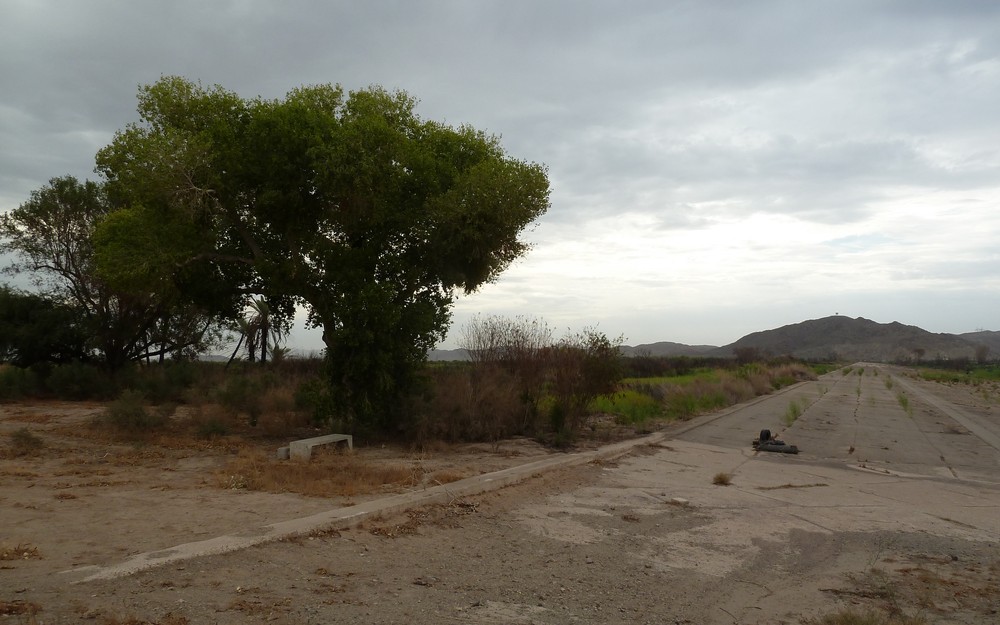
Photo: Lower Colorado River reach near Imperial Dam — fast-water scour holes and border river hydraulics holding giant river flatheads.
📍 Martinez Lake Marina Yuma AZ (GPS: 32.9910° N, 114.5020° W)
Access & Launch: Concrete boat ramps, marina services, and lodging are located at Martinez Lake Marina (Google Maps) and Fisher’s Landing, situated 35 miles north of Yuma.
5. Alamo Lake State Park (La Paz & Mohave Counties)
Formed by Alamo Dam on the Bill Williams River in west-central Arizona’s rugged desert mountains, Alamo Lake is arguably the most prolific numbers fishery for channel catfish in the state. Spanning over 3,500 surface acres in a remote desert setting far from major urban centers, Alamo receives very light angling pressure for catfish, allowing populations to expand to staggering densities. While channel cats commonly average 2 to 6 pounds, double-digit fish are caught regularly, alongside chunky black bullheads.
Alamo Lake is filled with submerged vegetation, decaying mesquite trees, and flooded wash channels. During the intense summer months, daytime bank fishing is virtually nonexistent due to extreme heat. However, as the sun drops behind Artillery Peak, the lake transforms into a catfish paradise. Anchoring near the submerged river channel in 10 to 20 feet of water and deploying Carolina slip rigs with nightcrawlers, chicken livers, or commercial punch bait will often generate a strike every 3 to 5 minutes.
GPS Coordinates: 34.2380° N, 113.5780° W
Productive Depth: 8–24 ft submerged mesquite flats & old river channel
Prime Structure: Drowned mesquite trees, sandy wash deltas, dam basin
Top Bait: Garlic punch bait, Canadian nightcrawlers, chicken liver in mesh
Angler Field Log: Alamo Lake is a top destination for family night fishing and filling coolers. We recommend using a medium-action 7’0″ spinning rod paired with a 4000-size reel spooled with 20 lb mono. Test your rod flex and line specs using our Fishing Rod Power & Action Matcher Quiz before trailering to this remote location.
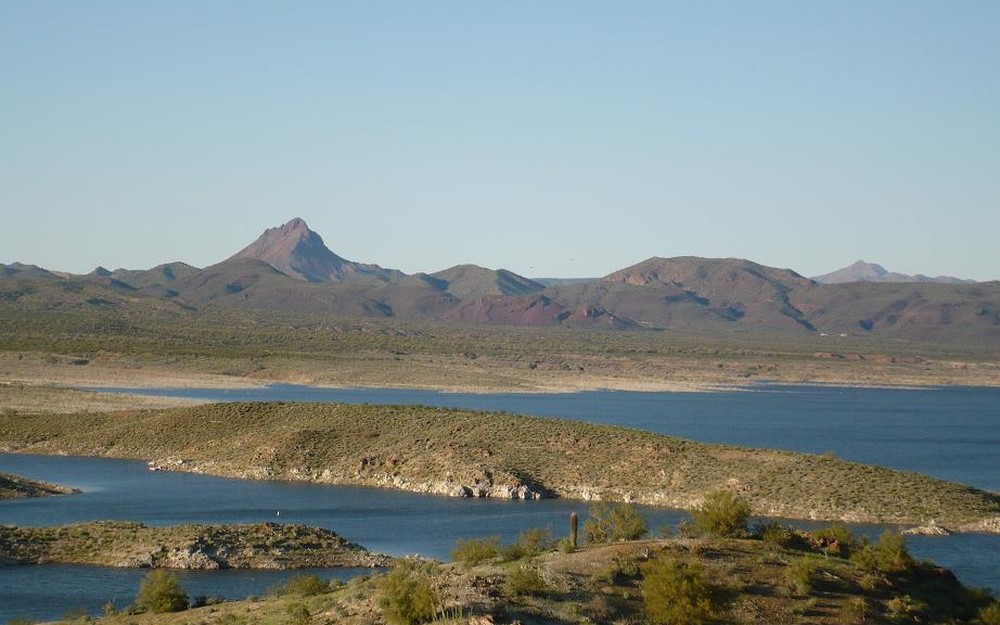
Photo: Alamo Lake and Artillery Peak — remote desert mountain impoundment offering phenomenal night numbers for channel catfish.
📍 Alamo Lake State Park Boat Ramp Wenden AZ (GPS: 34.2380° N, 113.5780° W)
Access & Launch: Paved launch facilities, fish cleaning stations, and developed campgrounds are maintained inside Alamo Lake State Park (Google Maps), accessed via 38 miles of paved road north of Wenden.
6. Saguaro Lake & Salt River Canyon (Maricopa County)
Formed by Stewart Mountain Dam on the Salt River, Saguaro Lake is a 1,264-acre canyon impoundment located just 20 minutes east of Mesa. Flanked by majestic towering volcanic rock cliffs and saguaro-studded Sonoran desert slopes, Saguaro provides an extraordinary setting for trophy catfishing. The deep canyon waters support heavy populations of channel catfish, as well as an established population of colossal flatheads that feed on tilapia, carp, and sunfish.
The upper river canyon stretch extending toward Mormon Flat Dam is where trophy flathead anglers concentrate their nocturnal efforts. Sheer vertical cliff walls plunge directly into 30 to 45 feet of water, with submerged rock slides and boulder shelves creating cavernous lairs. During hot summer nights, position your boat alongside the cliff face and drop live bluegills on heavy slip-sinker rigs down to the talus slope. For bank anglers, Butcher Jones Cove provides excellent walk-in access along sandy coves and submerged weedlines where channel cats roam freely after dusk.
GPS Coordinates: 33.5680° N, 111.5380° W
Productive Depth: 15–45 ft volcanic canyon talus slopes
Prime Structure: Vertical volcanic cliff walls, boulder talus, Butcher Jones weed beds
Top Bait: Live bluegill (5–7 inches), waterdogs, fresh cut carp belly
Angler Field Log: In Saguaro’s sheer-walled canyons, boat positioning is everything. Use two anchors (bow and stern) to prevent wake swing from recreational boats. Drop live baits directly onto the 25-foot contour line along the dark canyon walls, and leave bait clickers engaged on your casting reels.
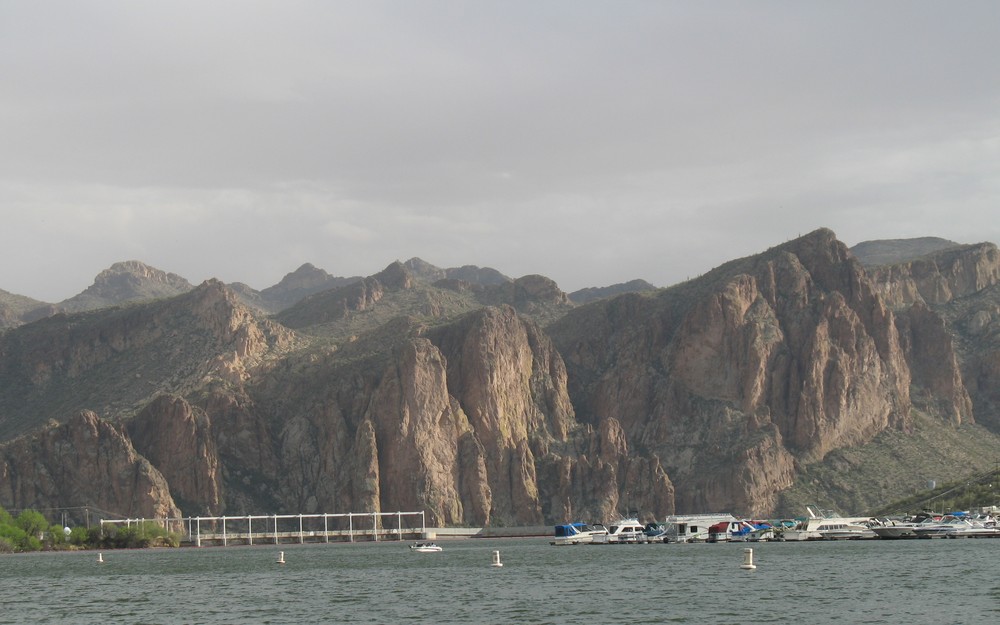
Photo: Saguaro Lake marina and canyon bluffs — dramatic volcanic cliff walls holding monster flatheads and nocturnal channel cats.
📍 Saguaro Lake Marina Mesa AZ (GPS: 33.5680° N, 111.5380° W)
Access & Launch: Concrete multi-lane launch ramps are located at Saguaro Lake Marina (Google Maps) off Bush Highway, with walk-in shoreline access at Butcher Jones Recreation Site.
7. Lake Havasu & Topock Gorge (Mohave County)
Formed by Parker Dam on the Colorado River, Lake Havasu encompasses over 19,000 surface acres of pristine border water. While nationally famous as a world-class smallmouth and largemouth bass sanctuary, Lake Havasu is equally exceptional as a multi-species catfishing paradise. Channel catfish thrive in massive numbers throughout the lake, while trophy flatheads and occasional blue catfish patrol the deep river channel and current-swept backwaters.
The northern reach through Topock Gorge and Topock Marsh is the premier staging ground. Here, the river carves through dramatic golden canyon walls, with dense cattail and bulrush channels creating outstanding ambush cover. The Lake Havasu Fisheries Improvement Program has also placed thousands of artificial fish habitat structures throughout the main basin, which attract schooling channel catfish year-round. Soaking fresh cut mackerel or bonito strips on a Carolina rig near these deeper structures in 15 to 30 feet of water yields consistent action.
GPS Coordinates: 34.3560° N, 114.1680° W
Productive Depth: 12–30 ft current seams & artificial habitat sites
Prime Structure: Topock Gorge current seams, artificial reef structures, cattail edges
Top Bait: Cut Pacific mackerel steaks, fresh threadfin shad, live bluegill
Angler Field Log: Havasu’s crystalline water makes daylight catfish wary. Night fishing is mandatory for trophy results. We anchor near artificial habitat structures in 20 feet of water, chumming with cracked corn and soaking oily mackerel chunks that broadcast scent down the current.
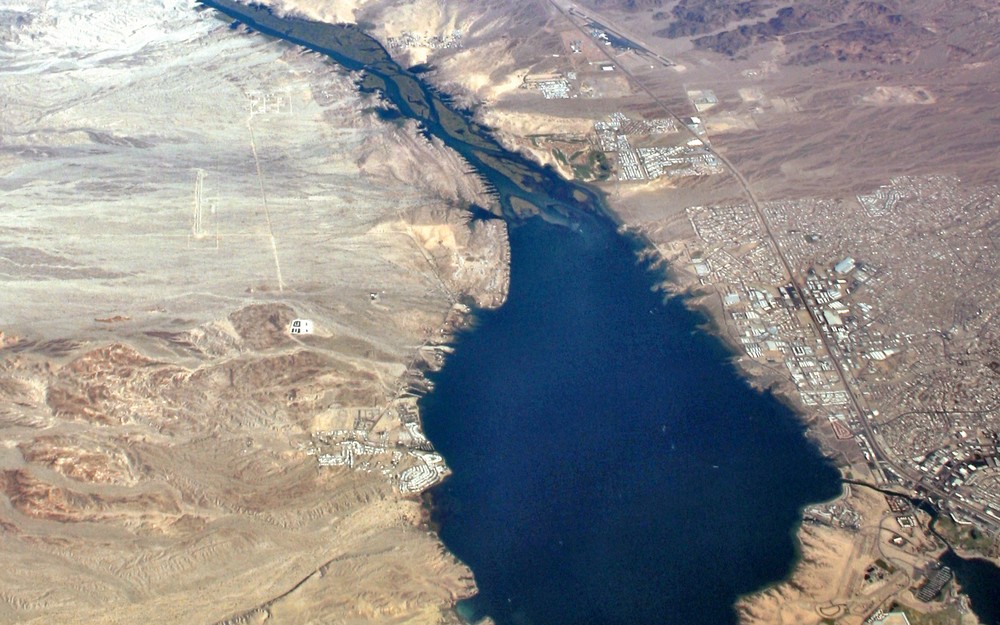
Photo: Lake Havasu border waters — expansive Colorado River channels and artificial habitat reefs loaded with channel and flathead cats.
📍 Cattail Cove State Park Lake Havasu AZ (GPS: 34.3560° N, 114.1680° W)
Access & Launch: Launch at Cattail Cove State Park (Google Maps) on Highway 95, Lake Havasu State Park (Windsor Beach), or Topock Marina at the north end of the lake.
8. Verde River: Horseshoe Reservoir to Camp Verde (Yavapai & Maricopa Counties)
Flowing southward from north-central Arizona through rugged limestone canyons, the Verde River is one of the state’s few remaining free-flowing desert rivers. Between Camp Verde and Horseshoe Reservoir, the Verde carves deep scour holes, rocky chutes, and undercut root banks that provide quintessential wild river catfishing. Both channel catfish and aggressive river flatheads inhabit this system, thriving in the oxygen-rich, moving water.
Focus your attention on the deep plunge pools located directly beneath river riffles and around fallen cottonwood root balls. Scour holes here typically range from 6 to 18 feet in depth, collecting drifting baitfish, crayfish, and organic forage. Bank anglers hiking the Verde River Greenway can experience phenomenal morning and evening action by drifting nightcrawlers or cut sucker on lightweight slip rigs tight against fallen timber.
GPS Coordinates: 33.9850° N, 111.7100° W
Productive Depth: 6–18 ft limestone river plunge pools & log jams
Prime Structure: Limestone rock scour holes, undercut cottonwood roots, riffle tailraces
Top Bait: Fresh cut desert sucker, Canadian nightcrawlers, garlic chicken
Angler Field Log: Wading the Verde River during early summer mornings is a pure angling thrill. Travel light with a medium-action spinning rod, 15 lb braid, and a 1/2 oz walking sinker. Pitch your bait right into the foam line below gravel riffles for instant, aggressive river strikes.
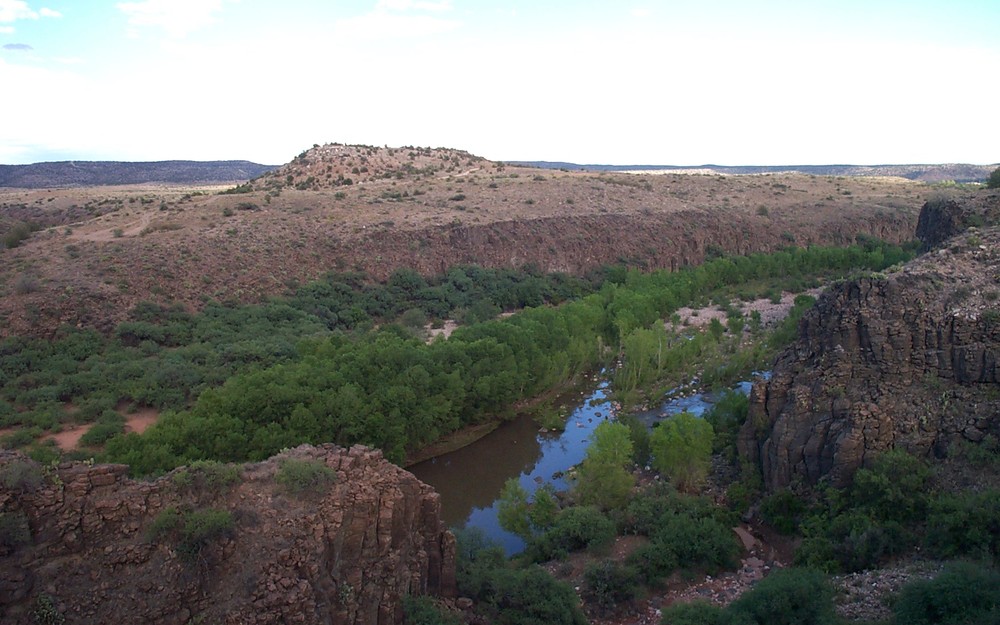
Photo: Verde River through central Arizona — natural desert river pools, limestone chutes, and undercut root tangles holding wild river cats.
📍 Horseshoe Dam Boat Launch Scottsdale AZ (GPS: 33.9850° N, 111.7100° W)
Access & Launch: Public access is available at Horseshoe Dam (Google Maps) in the south, as well as multiple public access points along the Verde River Greenway in Clarkdale and Camp Verde.
Recommended Arizona Tackle & Rig Loadout Table (Field-Tested Gear)
Taming Arizona’s heavyweight flatheads and hauling channel cats out of flooded Salt River timber requires heavy-duty tackle that will not fail under maximum drag loads. The loadout matrix below outlines our tested rod, reel, line, and terminal tackle recommendations.
| Gear Component | Recommended Model | Exact Spec (Power / Ratio / LB) | Why It Works in Arizona | Check Live Price |
|---|---|---|---|---|
| Trophy Flathead Casting Rod | Ugly Stik Catfish Special Casting | 7’6″ Heavy Power | Medium-Fast Action | Ugly Tech composite blank absorbs crushing hits from 50 lb Bartlett flatheads and delivers heavy live baits with power. | |
| Reservoir Spinning Rod | St. Croix Mojo Cat Spinning | 7’0″ Medium-Heavy Power | Fast Action | SCII premium carbon detects subtle channel cat pecks in Alamo Lake and launches long-distance bank casts at Lake Pleasant. | |
| Heavy Baitcasting Reel | Abu Garcia Ambassadeur C3 6500 | 5.3:1 Ratio | 255 yd / 17 lb | Loud Clicker | Ultra-reliable Swedish brass gearing and loud bait clicker alert you instantly during pitch-black desert nights. | |
| Salt & Freshwater Spinning Reel | Penn Battle IV 5000 | 5.6:1 Ratio | Full Metal Body | 25 lb Drag | Sealed HT-100 carbon drag withstands prolonged high-torque runs from Colorado River flatheads in heavy current. | |
| Abrasion-Proof Mainline | PowerPro Spectra Braid | 65–80 lb Braid + 50 lb Mono Shock Leader | Zero stretch delivers instant hook-driving power, while heavy mono shock leader resists jagged volcanic basalt and granite abrasion. | |
| Terminal Flathead Hooks | Gamakatsu Heavy Circle / Octopus | Size 8/0 – 10/0 Gamakatsu Circle | Wide hook gap accommodates live 6-inch bluegills without covering the hook point, ensuring solid jaw sets on giant flatheads. |
Interactive Fishing Tools & Calculators Hub
To ensure perfect rigging and tactical execution on Arizona’s desert waters, utilize our proprietary suite of free fishing tools and calculators:
⚓ Sinker Weight & River Current Matcher
Calculate exact lead ounces required to hold bottom in Colorado River tailraces without rolling downstream.
🔄 Reel Line Capacity & Backing Calculator
Calculate exact mono backing yards needed when spooling 65–80 lb braid onto heavy catfish baitcasters.
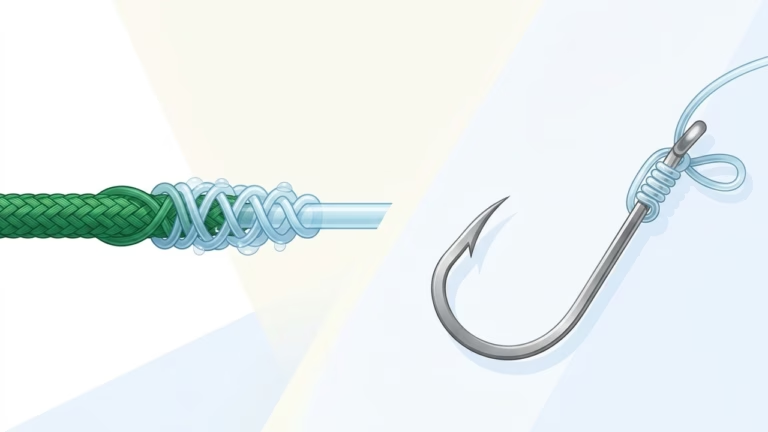
🧲 Fishing Knot Strength & Line Matcher
Compare breaking strength percentages of the Palomar, FG, and Snell knots for heavy braid-to-mono connections.
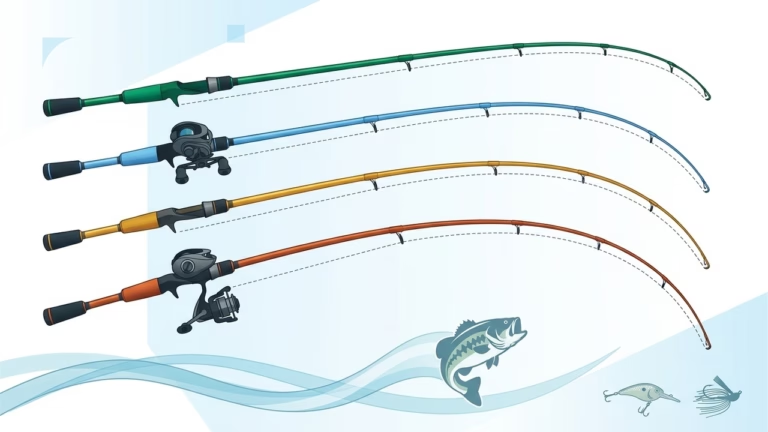
🎯 Rod Power, Action & Species Matcher
Interactive quiz matching your target catfish species, boat vs. bank setup, and casting style to optimal rod blanks.
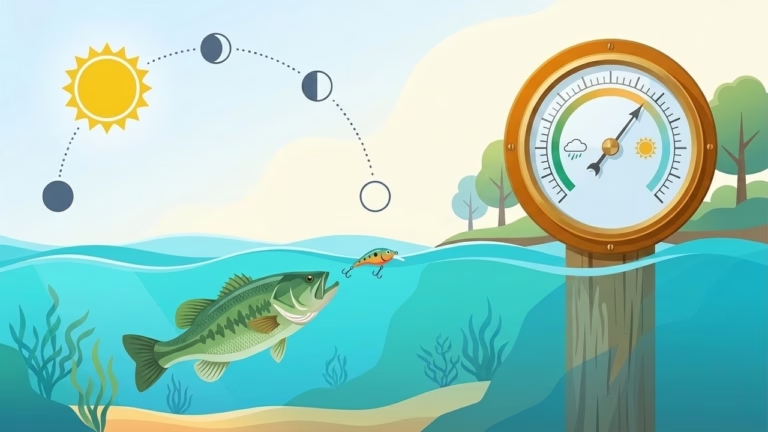
🌙 Solunar Bite Times & Barometric Forecaster
Track minor and major lunar feeding windows, barometric pressure shifts, and peak monsoon night bite windows.
🦐 Best Catfish Baits: Live vs. Cut Showdown
Field-tested comparison pitting live bluegill, waterdogs, cut carp, and punch bait across seasonal water temperatures.
Arizona Catfish Waterway & Rig Blueprint (Visual Guide)
Below is our complete field-tested visual blueprint illustrating the target depth zones across top Arizona waters, terminal rig schematics (Live-Bait Flathead vs. Reservoir Carolina Rig), and the 2026 AZGFD regulatory framework.
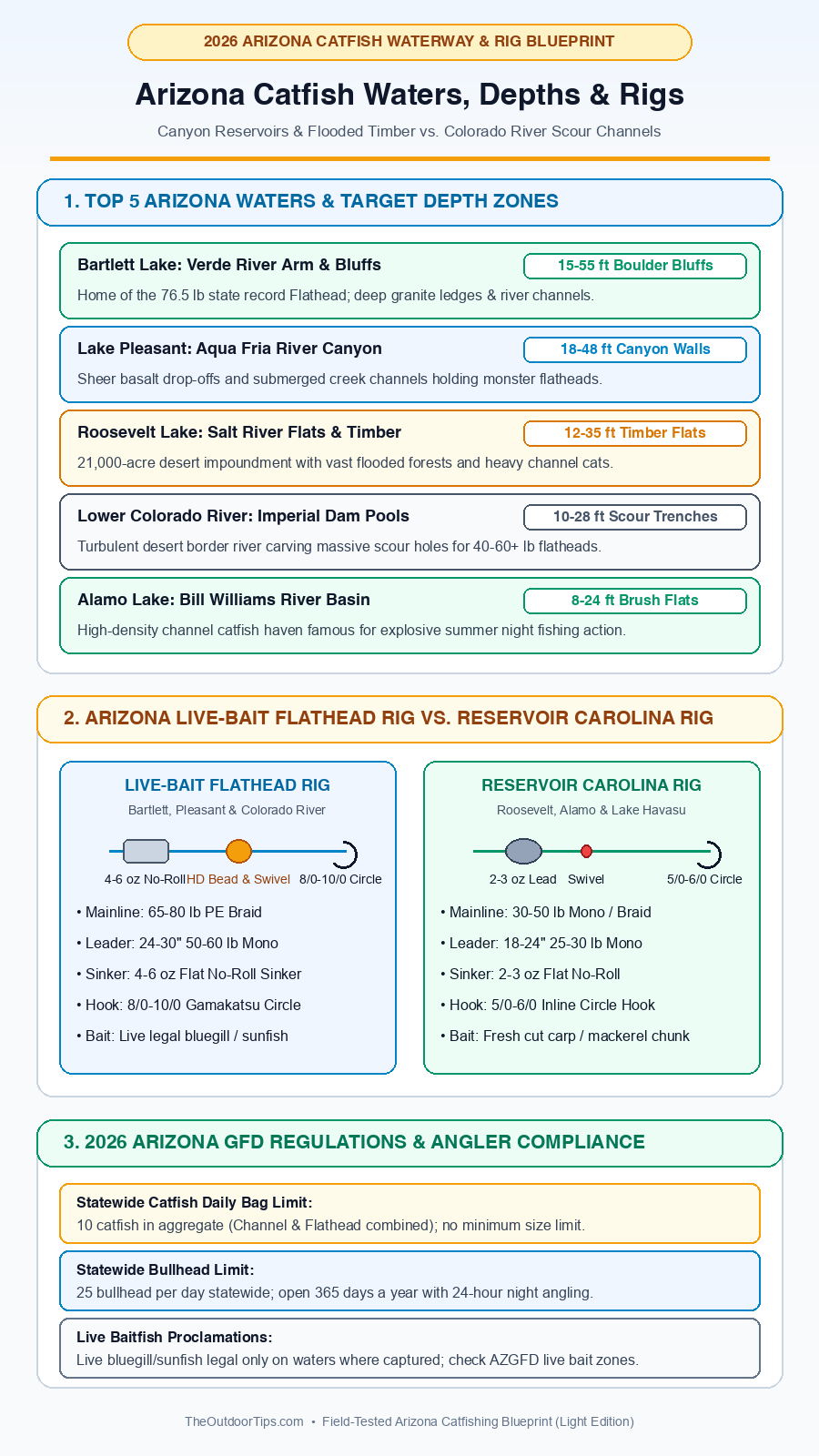
Click the blueprint image above to expand full 9:16 high-resolution view for mobile field reference.
Rigging & River Techniques: Taming Desert Flatheads & Canyon Current
Fishing Arizona’s waters requires balancing two distinct terminal setups depending on whether you are targeting predatory flathead catfish or hunting numbers of channel catfish.
Watch how tournament river anglers read heavy current seams, anchor slip rigs, and prevent bait roll along deep scour drop-offs.
When rigging for Trophy Flathead Catfish on Bartlett Lake or the Colorado River, live bait is paramount. Flatheads are strict carnivores that rarely hit dead or decaying bait once they exceed 15 pounds. Slide a 4- to 6-ounce flat No-Roll sinker onto your braided mainline, followed by a heavy rubber bumper bead, and tie to an extra-heavy 150 lb ball-bearing barrel swivel. Construct your leader using 24 to 30 inches of 50 lb to 60 lb abrasion-resistant monofilament, terminated with an 8/0 to 10/0 Gamakatsu circle hook. Hook a live 5- to 7-inch legal bluegill through the back beneath the dorsal fin, taking care not to puncture the spine. The heavy lead holds the bottom securely while the lively bluegill swims frantically, sending distress vibrations through the water column.
For targeting Channel Catfish in Roosevelt Lake or Alamo Lake, a standard Carolina Slip Sinker Rig is ideal. Thread a 2 to 3 oz flat sinker onto 30 lb braid, connect to a 20 lb fluorocarbon leader, and tie a 5/0 circle hook baited with fresh cut carp or punch bait. Allow the rod to load completely in the rod holder before engaging the reel.
Arizona Catfishing Bait Selection: Live Bait vs. Cut Bait
Dietary preferences in Arizona waters are sharply divided between catfish species:
- Live Legal Bluegill & Green Sunfish: The undisputed gold standard for trophy flathead catfish in Bartlett, Pleasant, and the Colorado River. Live sunfish must be caught legally on rod-and-reel from the same water being fished (in accordance with AZGFD live baitfish regulations).
- Waterdogs (Tiger Salamander Larvae): A legendary Southwestern bait highly sought after for both flathead and channel catfish in canyon reservoirs. Their active wriggling movements and tough skin make them formidable live bait.
- Fresh Cut Common Carp: The #1 bait for heavyweight channel catfish and secondary flathead bait across Roosevelt and Bartlett. Cut into 2×2-inch square chunks with the skin and blood pocket intact.
- Canadian Nightcrawlers & Punch Bait: Unmatched for fast-paced numbers fishing for channel catfish and bullheads on Alamo Lake, the Verde River, and urban community waters.
To compare commercial dip baits, stink baits, and live bait performance across seasonal water temperatures, review our comprehensive Best Catfish Baits Guide.
2026 Arizona Game and Fish Department (AZGFD) Regulations
Before launching onto Arizona waters, ensure your gear and harvest practices align with official Arizona Game and Fish Department (AZGFD) fishing proclamations:
- Statewide Catfish Daily Bag Limit: The general daily limit is 10 catfish in aggregate (Channel Catfish and Flathead Catfish combined). There is no minimum length limit and no closed season on standard public waters.
- Bullhead Daily Limit: The statewide daily bag limit for bullhead (black and yellow) is 25 fish.
- 24-Hour Night Fishing: All standard public lakes and rivers are open for 24-hour angling. Night fishing during hot summer months is fully legal and strongly encouraged.
- Live Baitfish Regulations: In inland waters, the use of live bluegill, green sunfish, and other nongame fish as bait is legal only in designated waters where they were caught. Always consult the current AZGFD Fishing Regulations handbook for specific waterbody live-bait boundaries.
✅ Final Captain’s Verdict: Unlocking Arizona Catfish
1. Hunt Monster Flatheads at Bartlett Lake: Target the Verde River channel drop-offs near the Yellow Cliffs between June and August. Drop live 6-inch bluegills on 80 lb braid down to 30-foot boulder ledges after midnight for a legitimate shot at a 50+ pound desert giant.
2. Fill Stringers at Alamo Lake: Drift or anchor along the submerged mesquite channels in 15 feet of water at dusk, soaking fresh cut carp or punch bait on Carolina slip rigs for non-stop channel cat action.
Frequently Asked Questions About Catfishing in Arizona
Where is the best catfish fishing in Arizona?
Bartlett Lake is widely recognized as Arizona’s #1 trophy catfish destination, holding the 76.5 lb state record flathead. For heavy numbers of channel catfish, Alamo Lake and Theodore Roosevelt Lake are unmatched, while the Lower Colorado River near Imperial Dam produces world-class river flatheads.
What is the daily limit for catfish in Arizona in 2026?
Under 2026 Arizona Game and Fish Department (AZGFD) regulations, the statewide general daily limit is 10 catfish in aggregate (Channel and Flathead combined), with no minimum size limit. The daily bag limit for bullheads is 25 fish.
Can you use live bluegill for catfish bait in Arizona?
Yes, live bluegill and sunfish can legally be used as bait for catfish in Arizona, provided they were legally caught on rod-and-reel from the same body of water being fished, and the water is designated open to live baitfish by AZGFD.
What is the Arizona state record flathead catfish?
The Arizona inland state-record Flathead Catfish is 76 pounds, 8.64 ounces, caught by Eddie Wilcoxson at Bartlett Lake on April 13, 2013. The Colorado River waters record stands at 74 pounds, 0 ounces, caught near Yuma in 1988.