In our winter river drift logs setting 8-ounce bank leads along deep shipping-channel walls below Fort Washington and anchoring live white perch beside roaring Conowingo Dam turbine seams at dusk, we have proved time and again why maryland catfishing ranks among the heaviest tidal trophy fisheries on the Atlantic Coast. Across the Tidal Potomac, Lower Susquehanna, Patuxent, and Eastern Shore rivers—Nanticoke, Choptank, and Pocomoke—anglers connect routinely with 30-to-70-pound invasive Blue Catfish and 50-pound-class Flatheads alongside crisp limits of resident Channel Catfish.
Below, our river captains map the eight most productive best catfish fishing spots in maryland for 2026—complete with verified GPS boat launches, exact river depths, tidal current bait strategies, heavy-tackle loadouts, and official 2026 MD DNR regulations.
✔ 2026 MD DNR Regulations & Rigs Verified
Maryland Fishing At a Glance: Top Waters & Winning Rigs
- #1 Trophy Waterway: Tidal Potomac River (Fort Washington to Mattawoman Creek, 28–68 ft channel ledges; 84.00 lb State Record Blue) & Conowingo Dam Tailrace (57.00 lb Flathead Record)
- Peak Bite Window: Spring pre-spawn push (54–66°F, March–May) & cold-water deep Potomac channel staging (39–48°F, Dec–Feb)
- 2026 DNR Bag & Size Limit: Invasive Blue & Flathead Catfish: NO size limit & NO daily creel limit (harvest encouraged); Native Channel Catfish: 5 fish daily (10 possession)
- Primary Winning Setup: Ugly Stik Catfish Special 7′6″ + Abu Garcia C3 6500 / Penn Battle IV 6000 + 65 lb Braid + 4–10 oz No-Roll / Fish-Finder Rig
Best Catfish Fishing Spots in Maryland: 2026 Waterway & GPS Matrix
Before hitching the boat trailer or packing bank rod holders, compare all eight premier catfish in maryland waters across primary species, productive structure depth, bait picks, and public ramp locations:
Top 8 Catfish Fishing Spots in Maryland (GPS Coordinates & Field Logs)
Every waterway featured below offers proven multi-species biomass, legal public ramp or shoreline access, and repeatable seasonal bites spanning invasive Chesapeake Blue Catfish, Conowingo Flatheads, and native Channel Catfish.
1. Tidal Potomac River (Fort Washington to Mattawoman Creek & Route 301)

SPOT WATER & ACCESS SPECS
- Target Species: Trophy Invasive Blue Catfish (20–75+ lb), Tidal Channel Catfish (29.6 lb record)
- Record Heritage: 84.00 lb MD State Record Blue Catfish (2012) & 29 lb 10 oz Tidal Channel Record (1997)
- Productive Depth: 28 to 68 ft shipping-channel ledges, Woodrow Wilson Bridge scour holes & creek mouths
- Current Force: Moderate-to-heavy 1.5 to 3.5-knot tidal ebb/flood push needing 4–8 oz bank/no-roll sinkers
- Top Local Baits: Fresh cut gizzard shad, Atlantic menhaden (bunker), American eel & cut white perch
- Primary Access: Fort Washington Marina, Smallwood State Park (Mattawoman Creek) & Belle Haven
In our winter and spring tidal river drift logs south of the Woodrow Wilson Bridge past Fort Washington, Piscataway Creek, and Mattawoman Creek, the Tidal Potomac consistently proves why it holds Maryland’s 84.00-pound state record Blue Catfish alongside the 29-pound, 10-ounce Tidal Channel Catfish record. Massive shipping-channel ledges plummeting rapidly from 12-foot mud flats into 45-to-68-foot trenches funnel dense schools of gizzard shad, alewives, and menhaden straight past entrenched predator pods. Even better, because Maryland DNR classifies Blue Catfish as an invasive predator under joint Potomac River Fisheries Commission (PRFC) jurisdiction, anglers face zero size or daily creel restrictions on keeping invasive Blues.
We rig 7’6″ heavy-action casting rods matched to Abu Garcia Ambassadeur C3 6500 reels spooled with 65-pound braided mainline, a 150-pound barrel swivel, and an 18-to-24-inch 60-pound monofilament leader terminating in an 8/0 or 10/0 offset circle hook. On moving ebb or flood tides from the Blue Plains outfall down to Route 301 (Nice Bridge), we anchor strictly on the shallow shelf edge and fan-cast heavy 6-to-8-ounce no-roll sinkers down the steep break-wall into 38 to 55 feet of water. When surface temperatures slide below 46°F between December and February, slow-drifting fresh cut gizzard shad chunks just off the bottom along deep holes near Fort Washington triggers explosive takedowns even in near-freezing water.
Angler Field Log: On a brisk February outgoing tide just below Fort Washington where main-channel soundings dropped from 18 feet into 52 feet, water temperature read 43°F with light north wind. Setting six fan-cast fish-finder rigs loaded with fresh bloody gizzard shad and American eel sections along the western channel lip produced eleven Blue Catfish in three hours—highlighted by 41-pound and 53-pound heavyweights that buried the rod tips before the tide went slack.
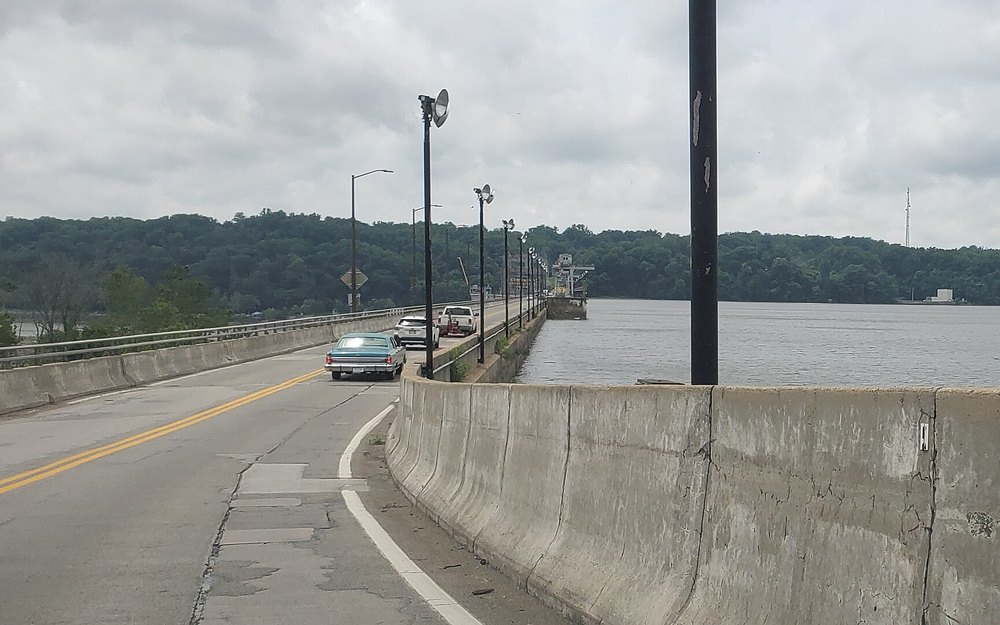
2. Lower Susquehanna River & Conowingo Dam Tailrace (Port Deposit / Havre de Grace)
SPOT WATER & ACCESS SPECS
- Target Species: Invasive Flathead Catfish (20–57+ lb), Trophy Blue Catfish, Channel Catfish
- Record Heritage: 57.00 lb MD State Record Flathead Catfish (Lapidum / Havre de Grace area, Dec 2020)
- Productive Depth: 18 to 52 ft dam tailwater boulder seams, Lapidum current breaks & I-95 bridge holes
- Current Force: Variable 1 to 6-knot hydroelectric generation surges; carry 3–10 oz pyramid & no-roll leads
- Top Local Baits: Live 5–8 in. white perch or bluegill (Flatheads); fresh cut gizzard shad & eel (Blues)
- Primary Access: Lapidum Boat Ramp (Susquehanna State Park), Port Deposit Ramp & Tydings Marina
Stretching ten miles from the roaring turbines of Conowingo Dam past Lapidum, Port Deposit, and the Route 95 / railroad bridges down to Havre de Grace, the Lower Susquehanna tailrace is Maryland’s undisputed Flathead Catfish powerhouse—having produced Joshua Dixon’s 57.00-pound official Maryland State Record Flathead in December 2020. Every spring and summer, American shad, hickory shad, blueback herring, and Atlantic menhaden stack beneath the dam obstruction, drawing both hulking 30-to-55-pound Flatheads into shaded boulder pockets and thick schools of 20-to-60-pound Blue Catfish into deep downstream channel bends.
Tackle management below Conowingo hinges entirely on monitoring Exelon hydroelectric generation schedules and matching bait to target species. When two or more turbines fire up, we anchor well clear of restricted buoy lines along current seams off Lapidum and fish 8-ounce no-roll sinkers with heavy 80-pound mono leaders to resist zebra-mussel abrasion on submerged granite ledges. To single out giant Flatheads at dusk or after dark around Port Deposit and Garrett Island, ditch cut bait and pin lively 6-inch white perch or bluegill behind a heavy 60-pound Carolina rig right along deep rock shelves. During calmer slack generation windows, drifting the I-95 bridge pilings and railroad abutments down to Havre de Grace with fresh cut gizzard shad consistently fills coolers with 8-to-30-pound Blues.
Angler Field Log: Launching at Lapidum Boat Ramp an hour before sundown during a steady two-turbine summer release (76°F river water), we anchored off a boulder point dropping cleanly from 11 to 29 feet. Soaking live 6-inch white perch on 8/0 octopus hooks with 5-ounce no-rolls tight to the eddy line yielded two bruising Flatheads scaling 28 and 39 pounds after dark, plus three bonus 15-to-22-pound Blue Catfish on a side cut-shad rod.
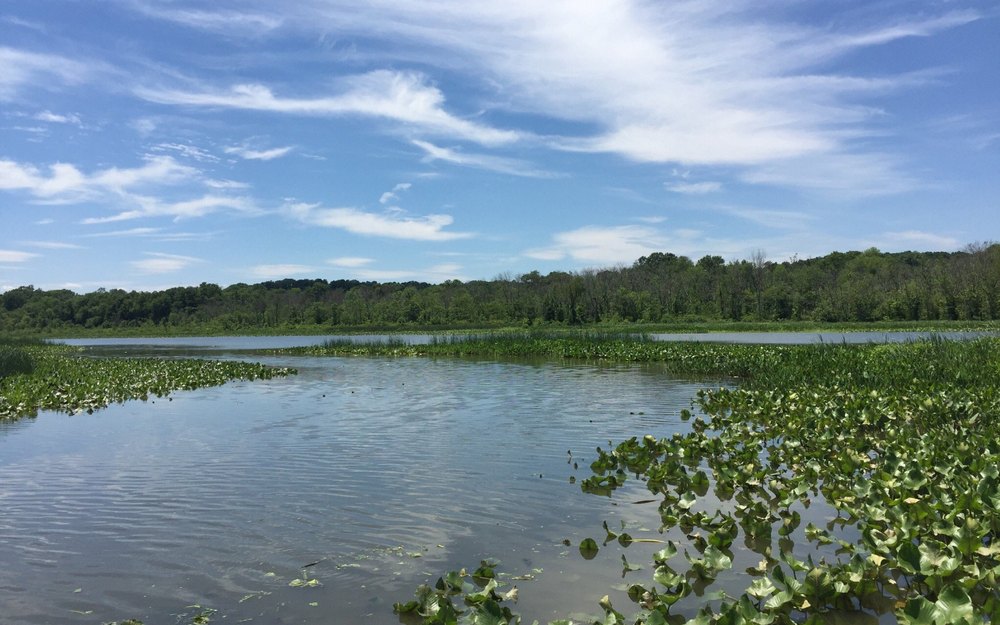
3. Patuxent River (Jug Bay to Benedict Bridge)
SPOT WATER & ACCESS SPECS
- Target Species: Invasive Blue Catfish (6–45 lb), Native Channel Catfish (2–12 lb), White Catfish
- Waterbody Profile: Tidal freshwater-to-brackish Chesapeake tributary spanning Calvert, Charles & Prince George’s
- Productive Depth: 14 to 34 ft outside meander bends, Jug Bay channel slots & Benedict Bridge pilings
- Current Force: Moderate 1 to 2.5-knot tidal river currents suited to 3–5 oz no-roll sinkers
- Top Local Baits: Fresh cut Atlantic menhaden (bunker), chicken breast/liver, white perch & nightcrawlers
- Primary Access: Kings Landing Park, Patuxent River Park (Jug Bay) & Hallowing Point Ramp
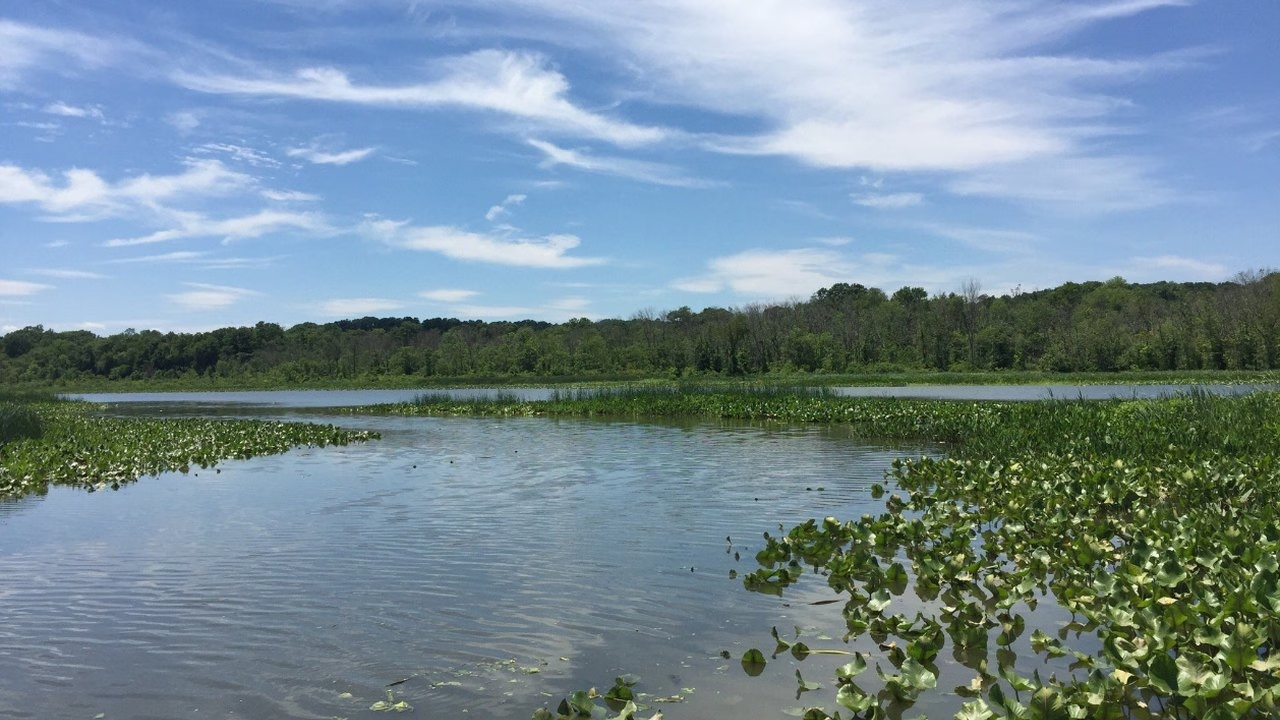
Carving southward between Prince George’s, Calvert, Charles, and St. Mary’s Counties, the Patuxent River delivers big-river catfishing productivity on a much calmer, small-boat-friendly scale than the mainstem Potomac. From the lush spatterdock marshes of Jug Bay downstream past Lower Marlboro, Chalk Point, and the Benedict Bridge (Route 231), invasive Blue Catfish have colonized every deep meander bend while thriving populations of Channel Catfish patrol adjacent creek mouths. Because fewer heavy barges work the middle Patuxent, anglers can anchor comfortably in kayaks, jon boats, and 18-foot bay rigs right along steep outside mud-and-oyster drop-offs.
Our highest-scoring Patuxent pattern focuses squarely on sharp 90-degree outside river bends between Jug Bay and Chalk Point where sweeping tidal current gouges 22-to-34-foot pockets straight into wooded banks. Anchor slightly shallow on the inside edge of the bend and deploy a fan of fish-finder rigs using 3-to-4-ounce no-roll sinkers baited with oily menhaden steaks—letting the heavy tide carry your slick down through the hole. Around the concrete pilings of Benedict Bridge during summer and early autumn, switching to 4-ounce bank sinkers with fresh cut white perch or market shrimp draws steady 5-to-25-pound Blue Catfish through both day and night tides.
Angler Field Log: Anchoring upstream of an outside clay bend two miles below Lower Marlboro on a rising April flood tide (61°F water), we dropped three Santee Cooper peg-float rigs tipped with oily Atlantic bunker chunks into a 26-foot scour slot. Over three hours of rising current, our rods buckled continuously—putting 19 Blue Catfish from 6 to 29 pounds in the cooler alongside three released Channel Catfish.
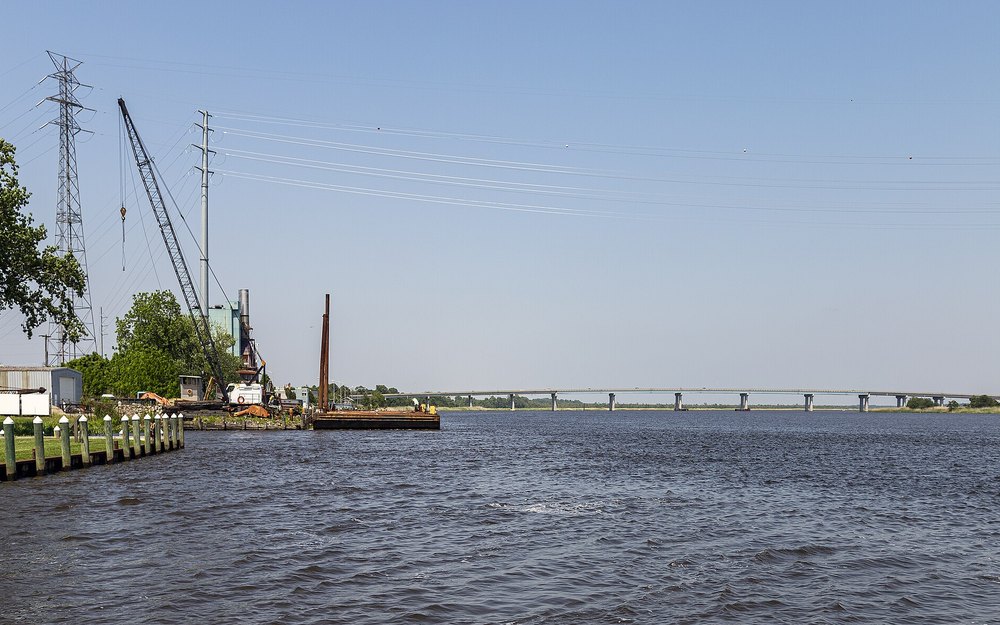
4. Nanticoke River & Marshyhope Creek (Sharptown to Vienna)
SPOT WATER & ACCESS SPECS
- Target Species: Invasive Blue Catfish (5–40+ lb), Channel Catfish (2–10 lb), White Catfish
- Waterbody Profile: Deep scenic Eastern Shore tidal river feeding Tangier Sound; clean marsh tributaries
- Productive Depth: 18 to 42 ft outside meander scour bowls, Sharptown bends & Marshyhope junction
- Current Force: Brisk 1.5 to 3-knot tidal flow pulling cleanly around sharp marsh corners; 3–6 oz lead
- Top Local Baits: Cut menhaden (bunker), fresh cut shad, live minnows, bloodworms & cut white perch
- Primary Access: Cherry Beach Park Ramp (Sharptown), Vienna Waterfront Ramp & Tyaskin Park
Among Maryland’s Eastern Shore waterways, the Nanticoke River—especially the winding corridor from Vienna upriver past Sharptown and into the confluence of Marshyhope Creek—holds an astounding density of aggressive Blue and Channel Catfish. Unlike wide open estuaries that turn unfishable in 15-knot Chesapeake winds, the Nanticoke’s tall phragmites banks, cypress swamps, and twisting channel bends shield small boats while carving out deep 25-to-42-foot scour holes at nearly every major curve. Recent DNR electrofishing surveys confirm heavy natural reproduction here, producing relentless double and triple hookups on eating-size 3-to-12-pound Blues alongside 25-to-45-pound trophies.
Between Sharptown and the Delaware state line near Federalsburg on Marshyhope Creek, we ignore straight shallow reaches and hunt exclusively for tight river bends where side-scan sonar reveals stacked fish hovering just off bottom on the steep outside channel wall. Pin 4-ounce no-roll sinkers with short 14-inch 50-pound mono leaders and 6/0 or 7/0 circle hooks loaded with bite-sized 1.5-inch chunks of oily menhaden or fresh gizzard shad. When targeting peak summer numbers with younger anglers, downsizing to 4/0 circle hooks tipped with cut white perch or bloodworms right off Cherry Beach Park pier in Sharptown produces fast-paced Channel and Blue Catfish action from shore.
Angler Field Log: Running upriver from Cherry Beach Park at Sharptown in mid-May with 66°F stained tidal water, we anchored along the steep outside edge of the first major bend below Marshyhope Creek in 31 feet. Dropping 4-ounce no-roll rigs tipped with fresh bunker steaks triggered bites within 90 seconds of hitting bottom—finishing the morning with 28 Blue Catfish scaling 4 to 24 pounds.
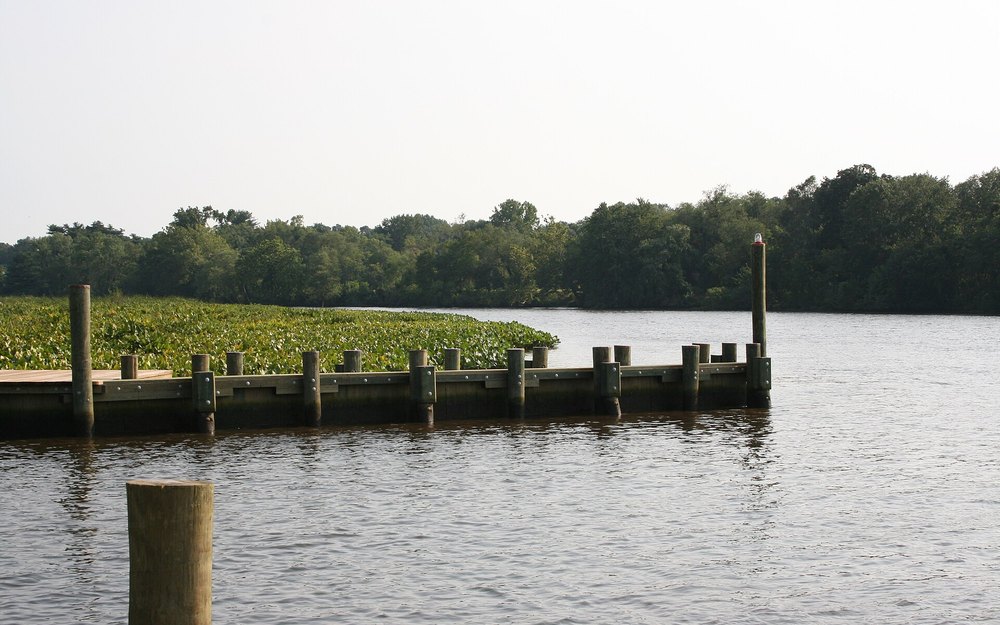
5. Choptank River (Denton, Martinak State Park & Dover Bridge)
SPOT WATER & ACCESS SPECS
- Target Species: Blue Catfish (4–35 lb), Channel Catfish (2–10 lb), White Catfish
- Upper vs Lower: Freshwater tidal Flats around Denton/Martinak dropping to deeper Brackish Dover Bridge
- Productive Depth: 12 to 28 ft channel drop-offs, Martinak creek junction & Dover Bridge pilings
- Current Force: Gentle-to-moderate 1 to 2.5-knot tide requiring 2–4 oz bank or no-roll sinkers
- Top Local Baits: Cut menhaden, fresh chicken liver, bloodworms, shrimp & gizzard shad chunks
- Primary Access: Martinak State Park Ramp & Shoreline Pier, Denton Town Park & Dover Bridge Ramp
Flowing cleanly down the heart of Caroline and Talbot Counties, the Choptank River has rapidly evolved from a quiet traditional Channel Catfish river into one of Maryland’s most accessible two-species fisheries following rapid expansion of Chesapeake Blue Catfish upriver past Dover Bridge to Denton. Martinak State Park—sitting right at the confluence of Watts Creek and the mainstem Choptank—gives both trailer boaters and bank/kayak anglers paved parking, a solid concrete ramp, and easy shoreline access overlooking productive 14-to-22-foot channel drops.
For fast multi-fish action above Ganey’s Wharf and Martinak State Park, we run light 2-to-3-ounce sliding egg sinkers on medium-heavy rods with 4/0 or 5/0 circle hooks baited with fresh shrimp, bloodworms, or small cut shad pieces, pitching into shallow-to-deep transitions where feeder creeks enter the main river on a falling tide. Whenever you want to hunt heavier 15-to-35-pound Blue Catfish, run downriver to the deeper Dover Bridge channel (20 to 28 feet), upgrade to 4-ounce bank sinkers with fresh oily bunker steaks, and anchor on the up-current side of the old bridge abutments and deep outside bends.
Angler Field Log: Testing the late-September bite just downstream of Martinak State Park in 69°F water on a sluggish afternoon ebb tide, we positioned in 19 feet along the outside gravel shelf. Alternating cut bunker chunks and peeled shrimp on 3-ounce fish-finder rigs produced 16 fish in two hours—a clean mix of 2-to-6-pound Channel Catfish and hard-charging Blue Catfish topping out at 18 pounds.
6. Upper Nontidal Potomac River (Williamsport to Harpers Ferry & Point of Rocks)
SPOT WATER & ACCESS SPECS
- Target Species: Nontidal Channel Catfish (3–25+ lb), Invasive Flathead Catfish (10–35 lb)
- Record Heritage: 27.92 lb MD State Record Nontidal Channel Catfish (Upper Potomac, July 2004)
- Productive Depth: 6 to 18 ft rocky limestone riffle tailouts, C&O dam pools & feeder mouths
- Current Force: Variable clear-water river current over sharp granite & shale ledges; 1–3 oz slinky weights
- Top Local Baits: Live hellgrammites, crayfish, small creek chubs, chicken breast & nightcrawlers
- Primary Access: Williamsport Cushwa Basin Ramp, Hancock Launch, Brunswick & Point of Rocks Ramp
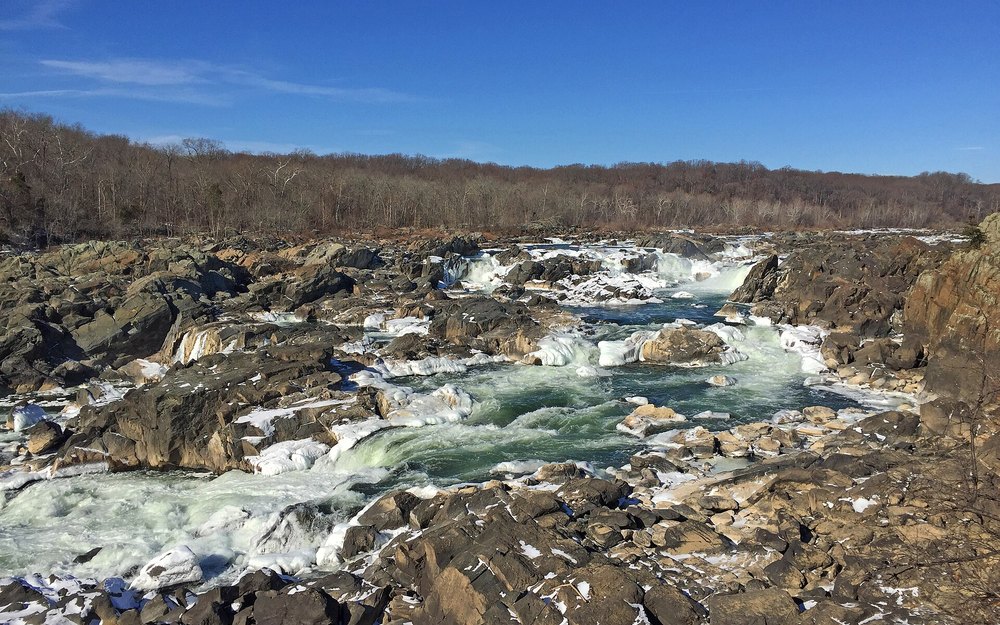
Climb upstream above Great Falls into Frederick, Washington, and Allegany Counties and Maryland catfishing shifts completely from muddy tidal shipping lanes into crystal-clear granite and limestone ledge pools teeming with bronzebacks, Channel Catfish, and surging numbers of Flatheads. This exact upper nontidal stretch between Williamsport, Brunswick, and Point of Rocks holds Maryland’s 27.92-pound Nontidal State Record Channel Catfish—growing muscular on rich diets of madtoms, sculpins, crayfish, and fallfish rather than estuarine shad.
Because jagged limestone boulders snag traditional pyramid or bank sinkers almost instantly on the Upper Potomac, we leave heavy coastal lead at home and rig anti-snag 1.5-ounce paracord slinky weights on medium-heavy rods from kayaks, jet boats, or bank gravel bars. Below low-head dams and turbulent riffle tailouts near Williamsport (Dam 4 / Dam 5 pools) and Point of Rocks, fan-cast live crayfish, fresh chicken breast soaked in garlic, or nightcrawler globs into deep emerald eddy pools just as dusk settles over the water. For Flatheads hiding beneath undercut bridge ledges near Brunswick, drift live 4-inch creek chubs or fallfish through the deepest slots inside the pool.
Angler Field Log: Wading and bank-casting below a shadowed limestone shelf near Point of Rocks on an August evening (79°F clear water), we pitched 1.5-ounce slinky rigs tipped with live river crayfish and cut fallfish into a 12-foot chute just off the main riffle. As twilight hit, four aggressive Channel Catfish between 6 and 13 pounds slammed the baits along with a bonus 16-pound Flathead.
7. Upper Chesapeake Bay: Elk, Northeast & Bush Rivers (Elk Neck / Perryman)
SPOT WATER & ACCESS SPECS
- Target Species: Invasive Blue Catfish (5–40 lb), Channel Catfish (2–14 lb), White Catfish
- Upper Bay Zone: Tidal Upper Chesapeake Flats connecting C&D Canal, Elk, Northeast & Bush Rivers
- Productive Depth: 12 to 32 ft C&D Canal approach drops, Elk River bends & Northeast channel edges
- Current Force: Strong 2 to 4-knot tidal sweeps near C&D Canal; 3–6 oz bank or no-roll sinkers
- Top Local Baits: Fresh cut bunker (menhaden), clam snouts, gizzard shad & bloodworms
- Primary Access: Elk Neck State Park Launch (Rogues Harbor), Anchor Marina & Flying Point Park
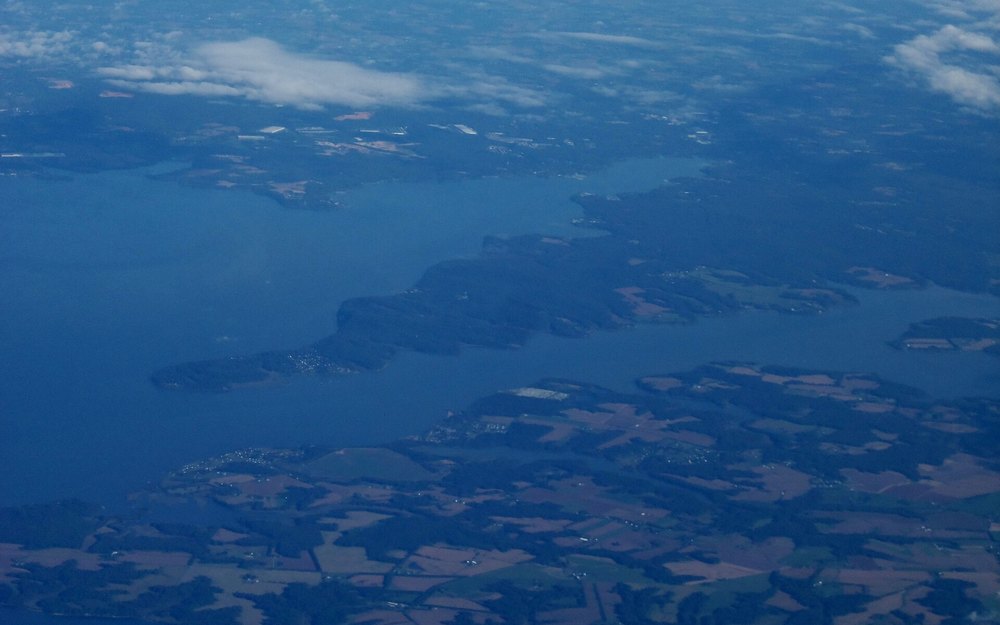
At the northern tip of the Chesapeake Bay—directly influenced by immense Susquehanna River inflows and heavy C&D Canal tidal exchange—the Elk, Northeast, and Bush Rivers create a massive spring and summer staging zone for Upper Bay Blue and Channel Catfish. Launching out of Rogues Harbor at Elk Neck State Park or Anchor Marina in North East gives anglers protected runs up the Elk River toward Chesapeake City or down across the Susquehanna Flats edges without committing to rough open-bay crossings.
During spring warming (54–65°F) and early summer tides, look for stained water tongues pushing out of the Elk River and Bush River mud flats onto 12-to-24-foot channel lips, or fish the steep rocky drop-offs flanking the western C&D Canal entrance where heavy currents scour deep holding troughs. Because blue crabs and benthic clams dominate upper-bay diets alongside migrating herring, pairing oily cut menhaden steaks with clam snouts or fresh soft-crab quarters on 5/0–7/0 circle hooks unlocks furious daytime bites when traditional river baits slow down.
Angler Field Log: Launching at Elk Neck State Park on an overcast June flood tide with 72°F water, we anchored just outside the 18-foot channel lip where the Elk River narrows below Turkey Point. Rigging 4-ounce bank sinkers loaded with cut Atlantic bunker and clam snouts produced a steady run of 14 Channel and Blue Catfish scaling 4 to 21 pounds in under three hours.
8. Pocomoke & Wicomico Rivers (Snow Hill, Pocomoke City & Salisbury)
SPOT WATER & ACCESS SPECS
- Target Species: Channel Catfish (2–12 lb), Invasive Blue Catfish (expanding), White Catfish
- Habitat Type: Dark tannin-stained cypress swamp channels on Maryland’s Lower Eastern Shore
- Productive Depth: 12 to 28 ft deep outside cypress bends, Snow Hill bridge holes & ferry crossings
- Current Force: Light-to-moderate 1 to 2-knot tidal flow suited for 1.5–3 oz sliding sinkers
- Top Local Baits: Fresh cut menhaden, peeled shrimp, chicken liver, nightcrawlers & bloodworms
- Primary Access: Shad Landing / Pocomoke River State Park, Snow Hill Ramp & Upper Ferry (Wicomico)
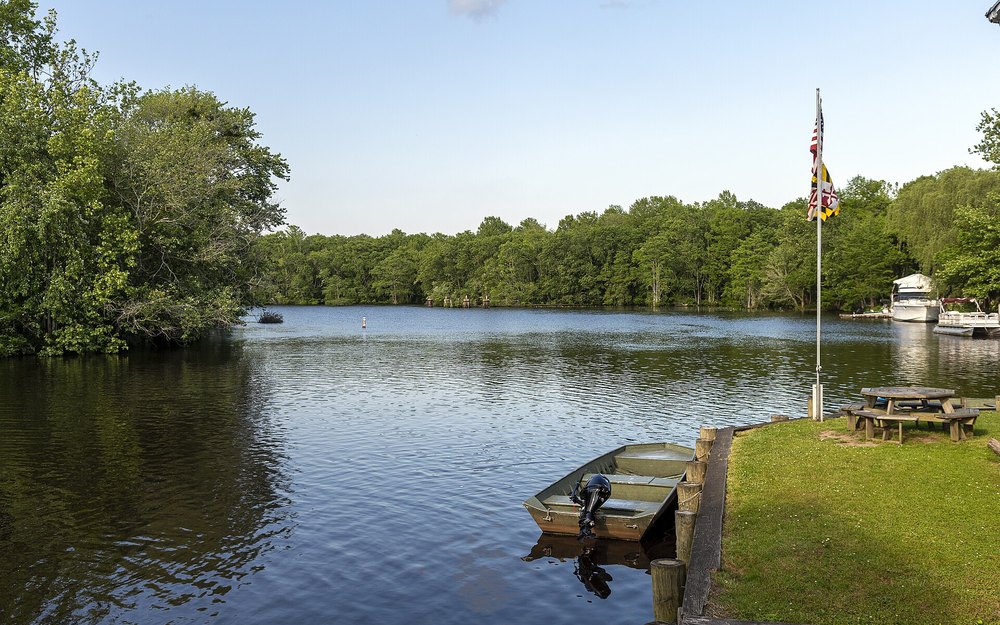
Winding southward through the northernmost stand of natural baldcypress swamp in North America near Snow Hill and Pocomoke City—paired with the neighboring Wicomico River near Salisbury—the Pocomoke system offers a completely different, unhurried Lower Eastern Shore flavor of Maryland catfishing. Deep tannin-stained river channels drop straight down along submerged cypress knees and sandy outside turns, holding plump resident Channel and White Catfish alongside steadily expanding numbers of Blue Catfish moving up from Pocomoke Sound.
Out of Shad Landing at Pocomoke River State Park or the Snow Hill town ramp, you rarely need heavy offshore-weight river gear. We scale down to 7-foot medium-heavy baitcasters or spinning combos with 30-pound braid, 2-ounce sliding egg sinkers, and 4/0 circle hooks—targeting 16-to-26-foot outside bends and downed cypress root systems on moving outgoing tides. Fresh peeled market shrimp, cut bunker strips, and chicken breast dusted with garlic draw fast bites all day inside the shaded timber canopy.
Angler Field Log: Pushing upstream past Snow Hill toward Porter’s Crossing on an early October outgoing tide (65°F tea-colored water), we anchored tight to a submerged cypress blowdown sitting on a 21-foot outside bend. Two hours pitching 2-ounce Carolina rigs with fresh bunker strips and shrimp put a dozen chunky 3-to-8-pound Channel Catfish and two 11-pound Blues in the boat before noon.
Maryland Catfish Rigging, Live Bait & Tidal-Current Blueprint
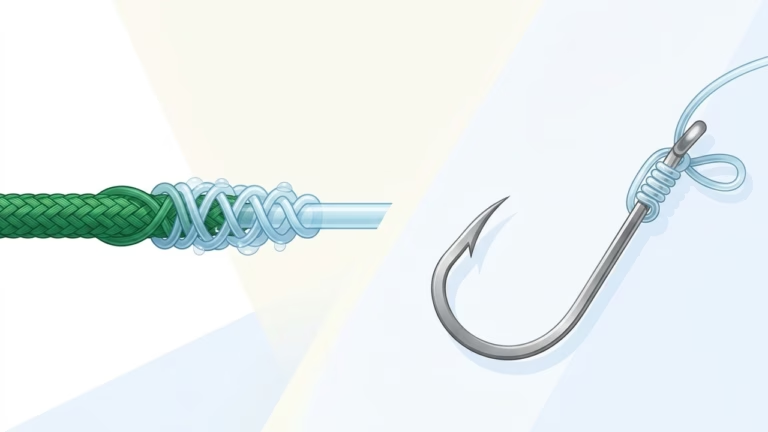
Mastering maryland catfishing hinges on dialing in lead weight and leader toughness to match rapid tidal swings on Chesapeake Bay tributaries versus shallow rocky riffle ledges on the Upper Potomac.
Watch: How to Catch Trophy Blue Catfish on the Potomac
Watch local Chesapeake guides demonstrate boat anchoring along channel ledges, cutting fresh menhaden and gizzard shad baits, and rigging circle hooks for heavy Tidal Potomac Blue Catfish:
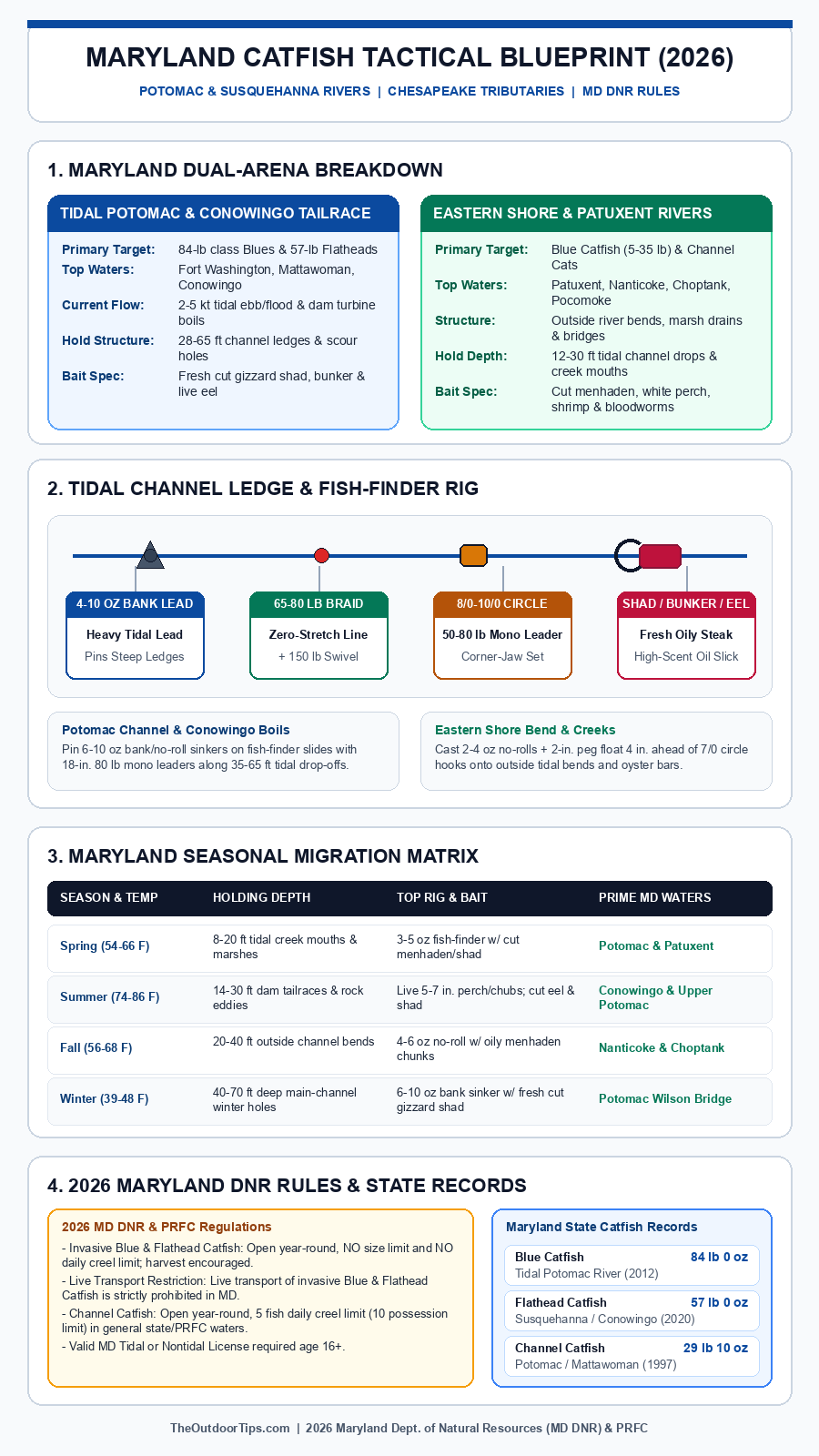
Recommended Maryland Tackle & Rig Loadout Matrix
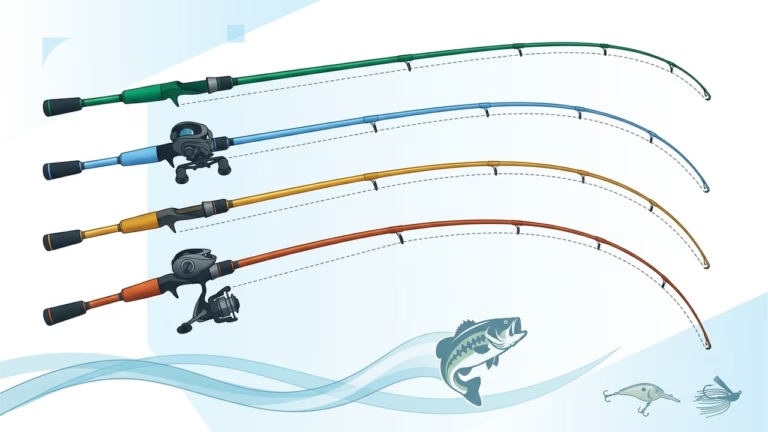
Match your rod power, zero-stretch braid diameter, and abrasion-resistant leaders to Maryland’s deep tidal channel ledges and rocky Susquehanna dam tailraces:
Seasonal Maryland Catfish Strategy & MD DNR Rules
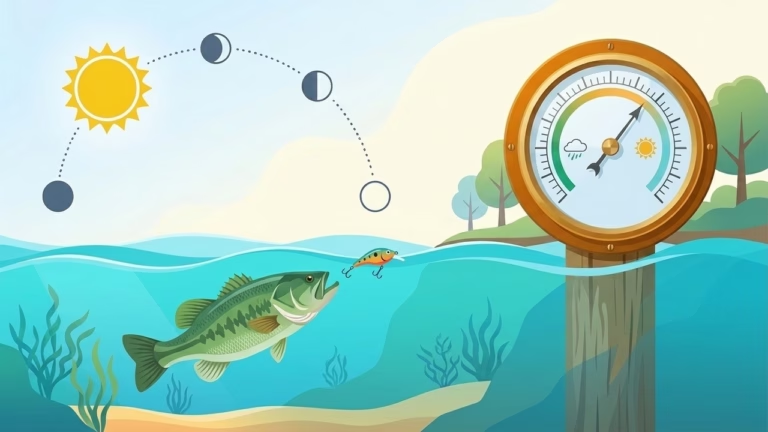
Tidal salinity, river temperatures, and seasonal baitfish runs control where catfish in maryland stage all year. Follow this four-season breakdown to place baits right inside active feeding zones:
Beyond the eight flagship waters profiled above, Maryland anglers also score reliable action on interior reservoirs and neighboring Chesapeake tributaries including Loch Raven Reservoir, Liberty Reservoir, Deep Creek Lake in Garrett County, the Chester River, and the Sassafras River. On central-Maryland reservoirs like Loch Raven and Liberty (electric-motor or permit rowboats only), warm summer nights along drowned creek beds and rocky points regularly surrender 4-to-14-pound Channel Catfish on simple 1.5-ounce Carolina rigs loaded with nightcrawlers or fresh chicken breast—offering peaceful freshwater catfishing minutes from Baltimore without tidal currents. Across the Upper Eastern Shore’s Chester and Sassafras Rivers, roving schools of Blue and Channel Catfish shadow menhaden pods along 15-to-28-foot channel ledges from Millington down toward Eastern Neck. Meanwhile, Deep Creek Lake’s coves and tributary arms hold healthy evening Bullhead and Channel Catfish populations around riprap bridge causeways throughout summer.
Conowingo Hydro Safety, Tidal Swings & Invasive Species Rules
Fierce tidal rips and sudden hydroelectric releases require sharp preparation on Maryland waters. Below Conowingo Dam, monitor official turbine release warnings closely, never cross marked restricted spillway buoy lines, and wear an auto-inflatable PFD whenever anchoring in turbulent tailrace boils. Keep a quick-release poly-ball anchor buoy ready when fishing main-channel Potomac ledges near ocean-going freighters or C&D Canal tug-and-barge traffic so you can detach immediately if wake swells build. In brackish Chesapeake estuaries from June through September, blue crabs aggressively strip soft baits on flat mud bottoms—adding a crisp 2-inch peg float five inches ahead of your circle hook lifts cut menhaden steaks cleanly above bottom scavengers while amplifying your hookup percentage. Most importantly, understand Maryland’s unique management split: harvesting invasive Blue and Flathead Catfish—whether 3-pound eaters for the frying pan or bulky tournament weights (after legal humane dispatch on ice)—directly helps protect native blue crabs, American shad, white perch, and Chesapeake Bay striped bass, while keeping native Channel Catfish within the 5-fish daily creel limit preserves balanced resident fisheries.
2026 Maryland DNR & PRFC Catfish Regulations
Verify current Maryland Department of Natural Resources (MD DNR) and Potomac River Fisheries Commission (PRFC) notices before keeping any catch:
- Blue Catfish (Invasive Division): Open year-round statewide and in PRFC Potomac waters with NO minimum size limit and NO daily creel limit—DNR actively encourages harvest.
- Flathead Catfish (Invasive Division): Open year-round statewide with NO minimum size limit and NO daily creel limit. Important: Live transport of invasive Blue or Flathead Catfish is strictly prohibited.
- Channel Catfish (Naturalized Resident): Open year-round; standard statewide/PRFC daily creel limit is 5 fish per day (possession limit of 10), with no general size limit in tidal waters.
- Licensing: Valid Maryland Chesapeake Bay & Coastal Sport Fishing License (tidal) or Nontidal Angler’s License required for ages 16+; VA/MD/PRFC licenses honor reciprocity on mainstem Tidal Potomac.
Free Interactive Angling Calculators & Rig Matchers
Calculate exact sinker lead for fast Conowingo turbine releases, check braid yardage on your casting spools, and pinpoint solunar bite windows before launching:
Catfish Sinker Weight Calculator
Compute exact pyramid or no-roll sinker ounce weight for 1 to 6-knot Potomac and Susquehanna currents.
Reel Line Capacity Calculator
Verify exact 65 lb braid yards and mono backing needed on Abu C3 6500 or Penn Battle IV spools.
Solunar & Bite Time Calculator
Time your evening Conowingo Flathead and Tidal Potomac Blue Catfish sets around prime solunar tides.
Final Captain’s Verdict: Picking Your #1 Maryland Catfish Trip
If breaking your personal-best Blue Catfish weight in 2026 tops your checklist, launch on the Tidal Potomac River below the Woodrow Wilson Bridge and Fort Washington with 6-to-8-ounce no-roll sinkers, fresh cut gizzard shad, and 65-pound braided mainline. Hunting a heavy state-record-class Flathead? Anchor live 6-inch white perch tight to submerged rock shelves along the Lower Susquehanna River below Conowingo Dam as dusk settles and turbines pulse. For calm small-boat action and non-stop coolers of eating-size Blue and Channel Catfish, the Nanticoke River, Patuxent River, Choptank River, and Pocomoke River deliver effortless Chesapeake action from spring runoff through late autumn.
Before backing down the ramp, check local tide charts, verify Exelon hydro-generation flows if launching near Conowingo, and pack a large insulated cooler with block ice so harvested invasive Blue and Flathead Catfish stay fresh and legally dispatched without live transport. Pair zero-stretch 65-pound braided lines with fresh local oily menhaden or gizzard shad in your bait box—nothing puts more heavyweight Maryland whiskers in your net faster.
Maryland Catfishing FAQs
What is the 2026 Maryland DNR catfish daily bag and size limit?
Because Blue Catfish and Flathead Catfish are invasive predators disrupting the Chesapeake Bay ecosystem, Maryland DNR and the Potomac River Fisheries Commission (PRFC) enforce NO minimum size limit and NO daily creel limit on either species—encouraging anglers to harvest as many as possible year-round (note: live transport of invasive catfish is strictly prohibited). For native/naturalized Channel Catfish, the statewide daily creel limit in most general tidal and PRFC waters is 5 fish per day (possession limit of 10), with no statewide minimum size limit.
Where is the best place to catch a trophy 50-lb-plus catfish in Maryland?
The Tidal Potomac River between the Woodrow Wilson Bridge, Fort Washington, and Mattawoman Creek—home to Maryland’s 84.00-pound state record Blue Catfish—is the #1 destination for catching 40-to-80-pound Blues year-round. For giant Flathead Catfish, target the Lower Susquehanna River tailwaters below Conowingo Dam near Lapidum and Havre de Grace, which produced the 57.00-pound Maryland state record Flathead.
What is the best bait for Maryland Blue, Flathead, and Channel Catfish?
Fresh oily cut bait dominates tidal Maryland rivers: Atlantic menhaden (bunker), gizzard shad, American eel chunks, and cut white perch trigger the biggest Blue Catfish bites on the Potomac, Patuxent, and Nanticoke. For Conowingo and Upper Potomac Flatheads, lively 5-to-7-inch white perch, bluegill, or creek chubs heavily outperform dead cut bait. Channel Catfish readily smash fresh shrimp, chicken breast, bloodworms, and crayfish.
Do you need a Maryland fishing license to catch invasive Blue Catfish?
Yes. Anglers age 16 and older must hold a valid Maryland Chesapeake Bay & Coastal Sport Fishing License for tidal waters (Potomac below Little Falls, Susquehanna below Conowingo, Patuxent, and Eastern Shore rivers) or a Maryland Nontidal Angler’s License above tidewater (such as the Upper Potomac). Mainstem tidal Potomac waters honor valid Maryland, Virginia, and PRFC reciprocal licenses.