In our seasonal river drift logs pinning 8-ounce bank leads into roaring Mississippi River wing-dam eddies near Lake Providence and anchoring live bluegill beside flooded Wax Lake cypress rootwads after sundown, we have proved why Louisiana stands in a tier of its own for heavyweight louisiana catfishing. From the Red River’s engineered USACE lock-and-dam tailwaters down through the million-acre Atchafalaya Basin, 181,600-acre Toledo Bend Reservoir, and brackish Lake Pontchartrain passes, Sportsman’s Paradise lets anglers chase triple-digit Blue Catfish, 95-pound-class Flatheads, and fast coolers of Channel Catfish under one of the most generous daily bag limits in the South.
Below, our river captains break down the eight highest-producing best catfish fishing spots in louisiana for 2026—complete with verified GPS boat ramps, target depths, bait choices, heavy-current rigging blueprints, and official LDWF regulations.
✔ 2026 LDWF Regulations & Rigs Verified
Louisiana Fishing At a Glance: Top Waters & Winning Rigs
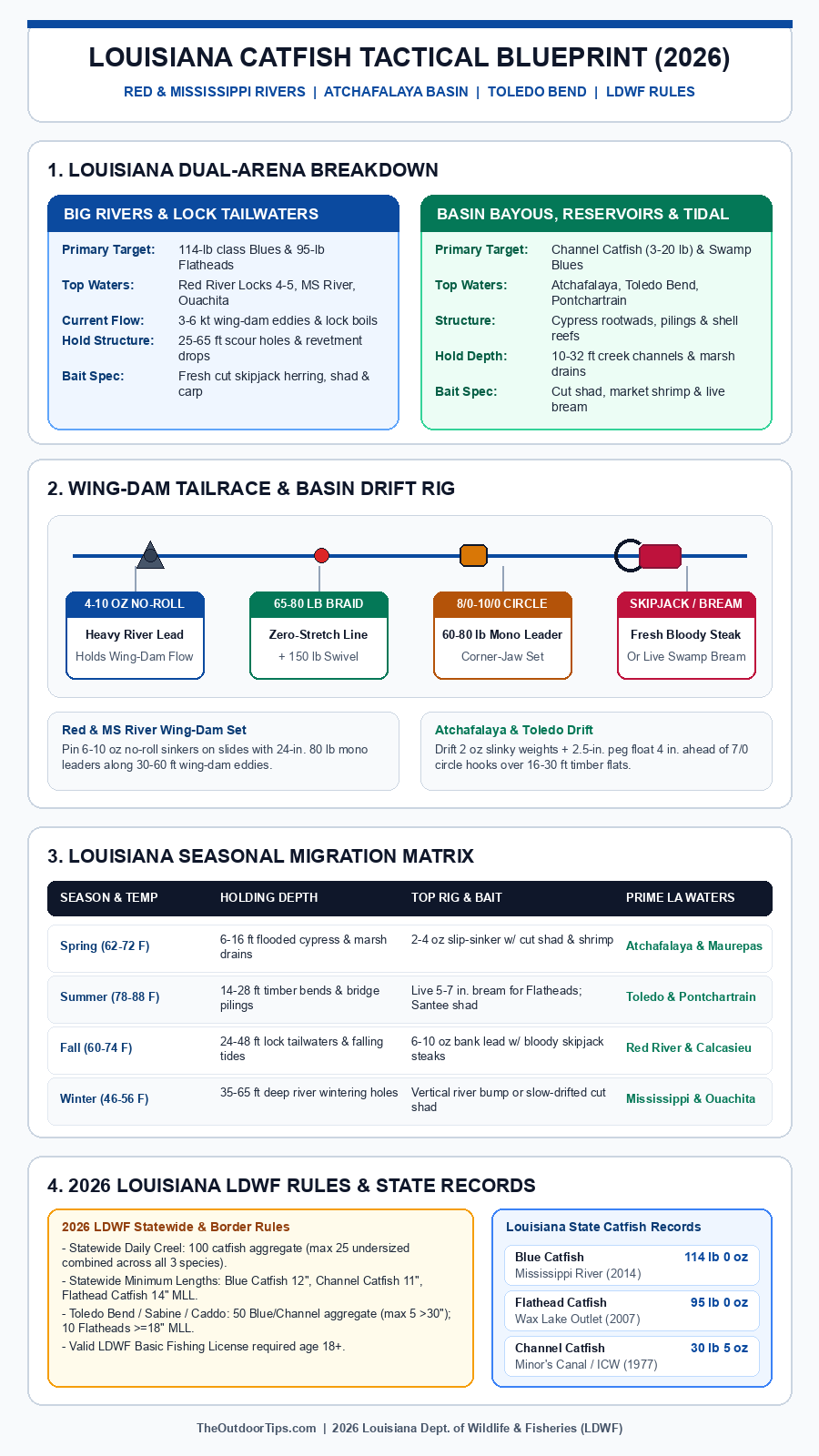
- #1 Trophy Waterway: Mississippi River Wing Dikes (Lake Providence–Baton Rouge, 35–65 ft scour trenches; 114.00 lb LA State Record) & Red River Lock & Dam Pools 4–5
- Peak Bite Window: Spring spawning push (62–72°F, March–May) & cool-water river wing-dam staging (48–60°F, Oct–Feb)
- 2026 LDWF Bag & Size Limit: 100 catfish daily aggregate statewide (max 25 undersized; 12″ Blue / 11″ Channel / 14″ Flathead MLL); Toledo Bend/Sabine border: 50 Blue/Channel (max 5 >30″), 10 Flathead (≥18″)
- Primary Winning Setup: Ugly Stik Catfish Special 7′6″ + Abu Garcia C3 6500 / Penn Battle IV 6000 + 65 lb Braid + 4–10 oz No-Roll / Santee Cooper Rig
Best Catfish Fishing Spots in Louisiana: 2026 Waterway & GPS Matrix
Before hooking up the boat trailer or packing bank rods, compare all eight premier catfish in louisiana destinations across target species, structure depth, prime bait, and public launch access:
Top 8 Catfish Fishing Spots in Louisiana (GPS Coordinates & Field Logs)
Every waterway below was chosen for proven trophy potential, reliable public ramp or shoreline access, and repeatable seasonal patterns across all three major Louisiana species—Blue, Flathead, and Channel Catfish.
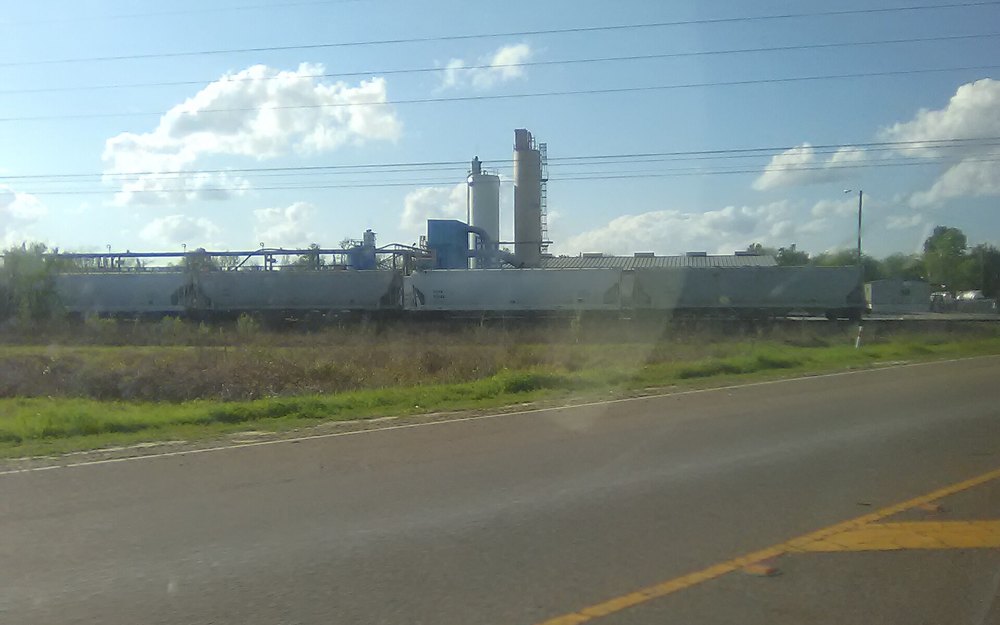
1. Red River (Locks & Dams No. 4 & 5 — Coushatta to Shreveport)
SPOT WATER & ACCESS SPECS
- Target Species: Trophy Blue Catfish (20–75+ lb), Flathead Catfish, Channel Catfish
- Pool & Tailrace: Red River Waterway Pools 4 & 5 (River Miles 169 to 252, Coushatta to Shreveport)
- Productive Depth: 22 to 48 ft lock-dam tailwater scour holes, stone wing dikes & outside bend ledges
- Current Force: Moderate-to-heavy 2.5 to 5-knot river push requiring 4–8 oz no-roll or pyramid sinkers
- Top Local Baits: Fresh cut skipjack herring, gizzard shad, Asian carp fillets & live green sunfish
- Primary Access: Coushatta Recreation Area / Bishop Point Boat Ramp & Red River South Marina
In our spring and autumn tournament drift logs along Pools 4 and 5 of the J. Bennett Johnston Waterway, the Red River stands out as Louisiana’s single most reliable big-fish river for multi-species trophy weight. Engineered with five USACE lock-and-dam complexes stretching from Simmesport up through Shreveport, each pool creates predictable current pinch points where massive volumes of oxygenated water pour over concrete spillways and scour 30-to-48-foot holes directly downstream of the tainter gates. Above the locks, rock revetment banks, submerged timber dikes, and oxbow mouths create textbook ambush shelves where 25-to-65-pound Blue Catfish patrol the main current seam while 30-to-50-pound Flatheads tuck tight against downstream rock eddies.
We rig 7’6″ heavy-action casting rods matched to Abu Garcia Ambassadeur C3 6500 reels spooled with 65-pound braided mainline and a 24-inch 60-pound monofilament leader terminating in an 8/0 or 10/0 offset circle hook. Below Lock and Dam No. 4 near Coushatta (River Mile 169) and Lock and Dam No. 5 near Elm Grove (River Mile 200), anchoring on the outer edge of the tailrace boil or controlled-drifting parallel to the riprap wing dikes puts fresh cut skipjack herring right in front of feeding fish. When spring water levels crest above 62°F and spillways open wide, slide out of the main channel blast into slack back-eddies behind submerged stone wing dikes—those calm slack-water pockets stack hungry Blues and Channels shoulder to shoulder out of the heavy mud.
Angler Field Log: On an October cold-front morning below Red River Lock & Dam No. 5 with river flow pushing 38,000 cfs and 64°F water clarity running stained coffee-brown, we anchored 90 yards downstream of the outer wing dike in 29 feet of water. Pinning 6-ounce no-roll sinkers loaded with fresh bloody skipjack midsection steaks along the rock-to-mud transition yielded seven Blue Catfish between 18 and 47 pounds in under four hours before barge lockage traffic pushed us downstream to the Campti oxbow mouth.
2. Mississippi River (Lake Providence to Baton Rouge Wing Dikes)
SPOT WATER & ACCESS SPECS
- Target Species: Giant Blue Catfish (30–100+ lb), Trophy Flatheads, Channel Catfish
- Record Heritage: 114.00 lb Louisiana State Record Blue Catfish (Lake Providence stretch, March 2014)
- Productive Depth: 35 to 65 ft wing-dam scour trenches, concrete revetment walls & sandbar drop-offs
- Current Force: Heavy 4 to 6.5-knot main-channel push demanding 6–12 oz bank/pyramid sinkers
- Top Local Baits: Fresh skipjack herring steaks, bighead/silver carp belly strips & whole shad
- Primary Access: Lake Providence River Landing, Vidalia Riverfront Ramp & Baton Rouge Duncan Point
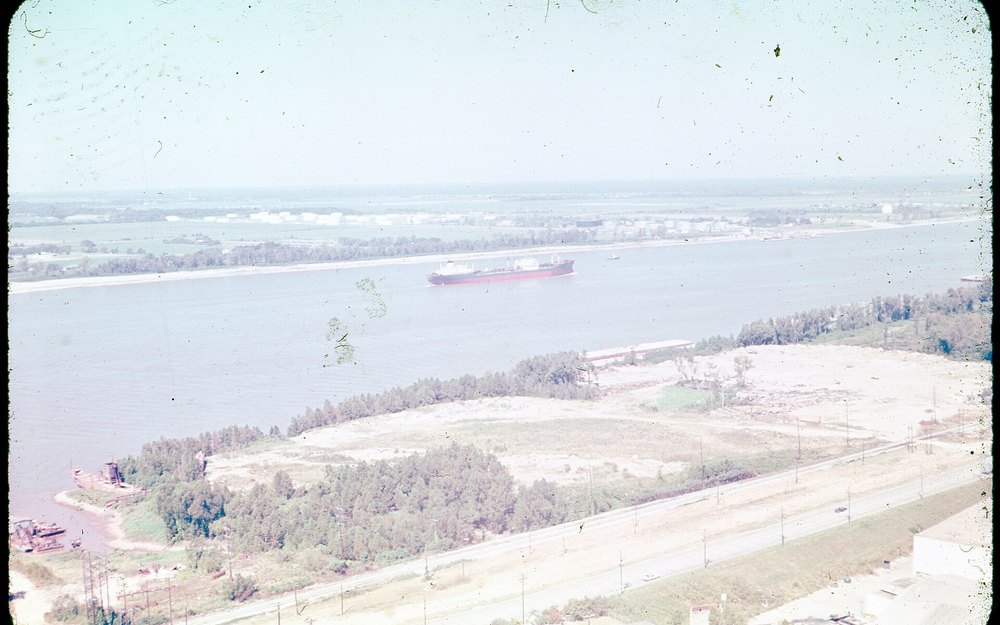
If your sole mission is tangling with triple-digit freshwater weight on rod and reel, the Louisiana stretch of the Mississippi River—from East Carroll Parish near Lake Providence down past Vidalia, St. Francisville, and Baton Rouge—is the undisputed heavyweight capital of the state. This is the exact corridor that produced Lawson Boyte’s 114.00-pound Louisiana State Record Blue Catfish in March 2014, and local river captains routinely release 60-to-90-pound Blues every winter and spring along the same deep revetment walls. Because the Lower Mississippi carries immense barge volume and relentless current, small recreational craft must respect commercial tow wakes, check river stage gauges daily, and pick calm weather windows before launching.
Rather than blind-casting into featureless mud, we spend the first 20 minutes idling side-scan sonar over stone wing dikes, articulated concrete mattress revetments, and steep outside sandbar chutes dropping from 18 feet into 55 feet. On high-water spring crests, giant Blue Catfish slide surprisingly shallow onto flooded willow flats and slack behind-dike eddies at 14 to 22 feet; during late fall and winter when water temperatures cool into the 46–54°F band, those same fish stack tightly in 40-to-60-foot scour bowls immediately downstream of rock dikes. Vertical river bumping—bouncing an 8-ounce bank sinker and fresh skipjack fillet slowly downstream at the speed of the current—lets you cover miles of deep Mississippi River structure without dragging an anchor in snag-choked timber.
Angler Field Log: During a crisp December drift near River Mile 485 outside Lake Providence, water temperature sat at 49°F and main-channel current clipped along at 4.5 knots. Dropping 10-ounce bank sinkers on a three-way swivel rig vertically along a 52-foot wing-dam scour trench produced three heavy rod takedowns in 90 minutes, topped by a thick-shouldered 64-pound Blue Catfish that inhaled a whole split skipjack herring on a 10/0 circle hook.
3. Atchafalaya Basin & Wax Lake Outlet (Morgan City / Butte La Rose)
SPOT WATER & ACCESS SPECS
- Target Species: Trophy Flathead Catfish (20–70+ lb), Channel Catfish, Blue Catfish
- Record Heritage: 95.00 lb Louisiana State Record Flathead Catfish (Wax Lake Outlet, July 2007)
- Productive Depth: 16 to 38 ft cypress river bends, Wax Lake outlet cuts & bayou junctions
- Current Force: Moderate 1.5 to 4-knot river/tidal flow requiring 2–5 oz slip or bank sinkers
- Top Local Baits: Live 5–7 in. bluegill/bream, cut gizzard shad, crawfish tails & chicken liver
- Primary Access: Butte La Rose Public Landing, Calumet Wax Lake Launch & Berwick Boat Ramp
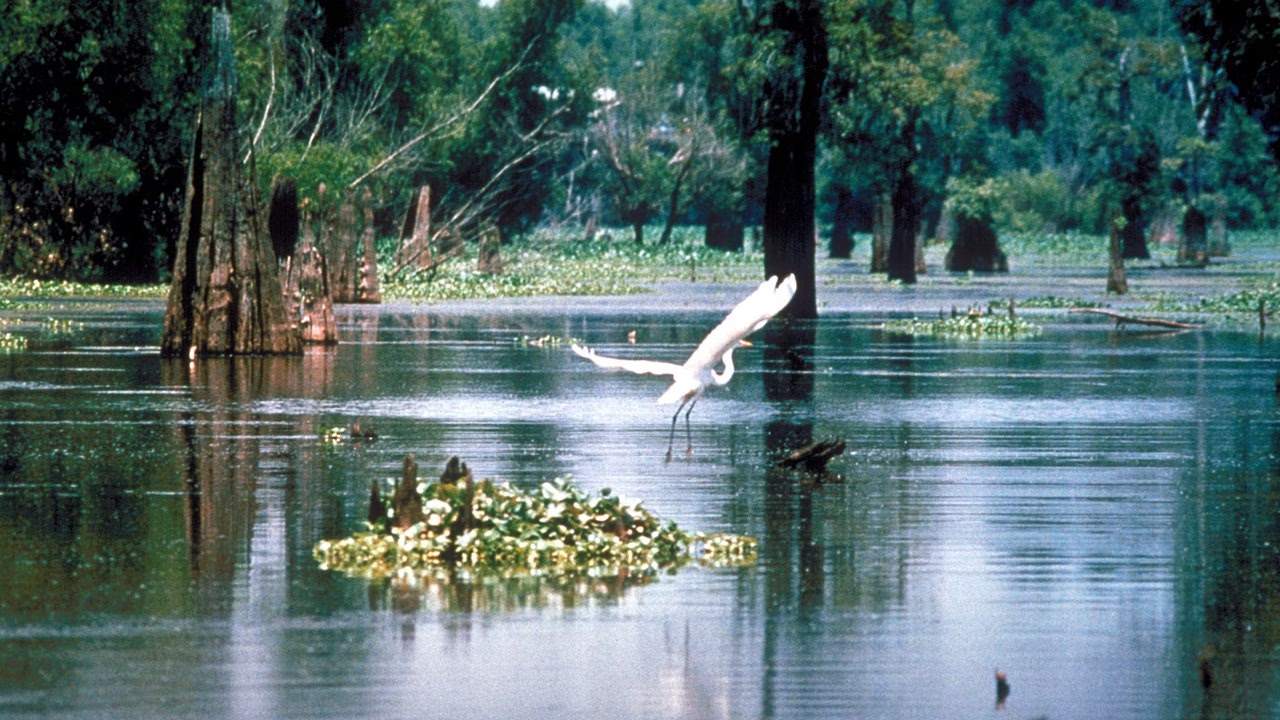
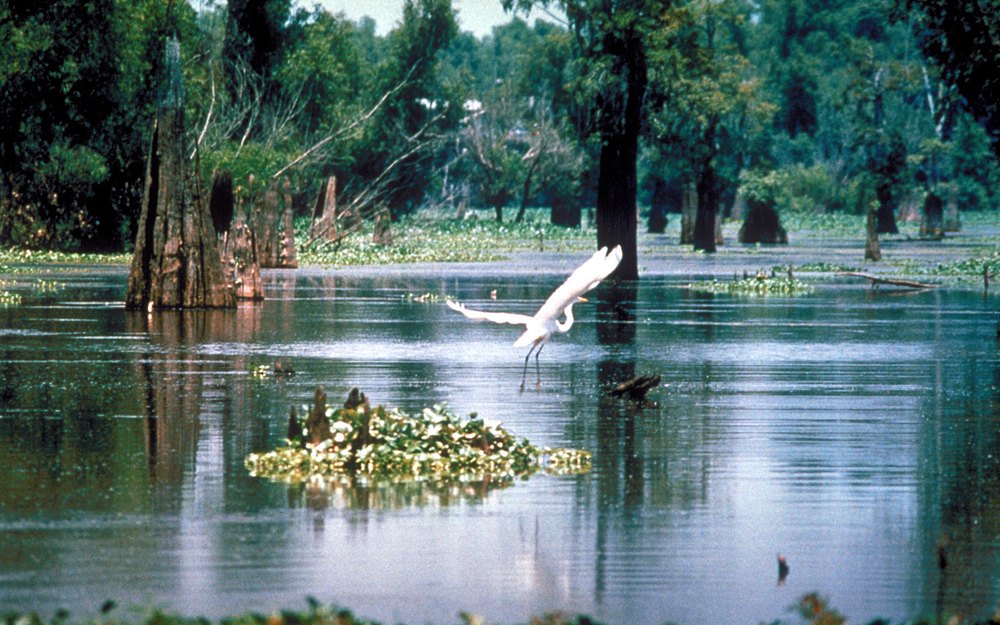
Spanning nearly one million acres of cypress-tupelo swamp, braided bayous, and roaring diversion channels, the Atchafalaya Basin is America’s largest river swamp—and its southern Wax Lake Outlet and Morgan City intersections hold some of the densest catfish biomass in North America. Receiving roughly 30 percent of the combined flow of the Red and Mississippi Rivers, the Basin flushes endless crawfish, shad, blue crabs, and sunfish through countless bayou junctions every spring and summer. That hyper-productive food web powered Roland Lasseigne’s 95.00-pound Louisiana State Record Flathead Catfish pulled from Wax Lake in July 2007, alongside thousands of chunky 2-to-8-pound Channel Catfish that keep family coolers full.
Targeting the Basin requires splitting your tackle between open-water diversion cuts and tight timber bends. Along the main Atchafalaya River and Wax Lake Outlet, we anchor upstream of submerged cypress rootwads and sharp outside bends in 20 to 34 feet of water, soaking live 5-inch bream or river chubs on heavy 60-pound fluorocarbon leaders to haul giant Flatheads clear of timber snags before they wrap the line. Inside slower backwater sloughs near Butte La Rose and Lake Fausse Pointe, switching to lighter 2-ounce sliding egg sinkers baited with fresh cut shad or peeled crawfish tails along 8-to-15-foot bayou mouths triggers non-stop action from eating-size Channel and Blue Catfish.
Angler Field Log: Anchoring along a flooded cypress bend just off Wax Lake Outlet on a humid July evening as water temps hovered near 83°F, we set four heavy casting rods with live 6-inch bluegill pinned behind 3-ounce no-roll leads in 24 feet of dark eddy water. Between 9:30 PM and midnight, we landed four Flatheads scaling 19, 26, 34, and 44 pounds—every bite slamming the rod tip straight to the gunwale within 15 minutes of a fresh bait drop.
4. Toledo Bend Reservoir (Sabine River Border Pool)
SPOT WATER & ACCESS SPECS
- Target Species: Blue Catfish (10–55 lb), Channel Catfish (2–12 lb), Flathead Catfish
- Waterbody Scale: 181,600-acre Sabine River border reservoir with 1,200+ miles of shoreline
- Productive Depth: 14 to 34 ft submerged Sabine channel ledges, standing timber & bridge pilings
- Current Force: Minimal wind-driven reservoir current; 1–3 oz slinky or no-roll drift weights
- Top Local Baits: Fresh cut gizzard shad, punch bait / dip bait over baited holes & live bream
- Primary Access: Cypress Bend Park Ramp, North Toledo Bend State Park & Pendleton Bridge Launch
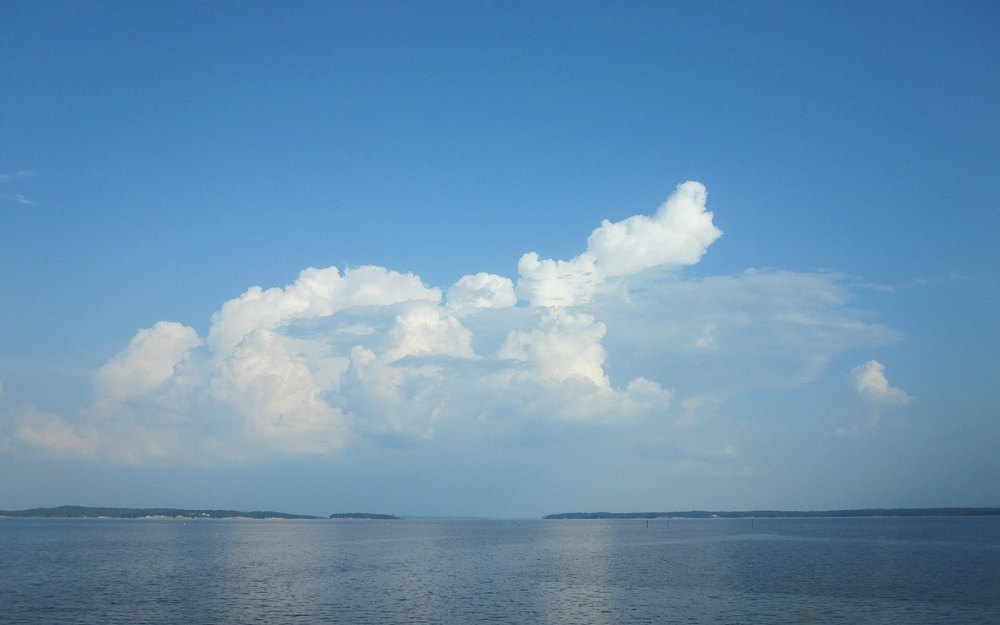
While bass tournaments grab most of the national headlines on 181,600-acre Toledo Bend Reservoir, veteran Louisiana catfishermen know this massive Sabine River impoundment is a year-round trophy factory hiding in plain sight. Decades of standing timber, deep creek junctions, and massive shad schools allow Blue Catfish to pack on weight rapidly, while shallow stumpy coves from Zwolle down to Many hold staggering numbers of 2-to-8-pound Channel Catfish. Keep in mind that Toledo Bend is a Louisiana–Texas boundary water governed by special border regulations: anglers may keep 50 Blue and Channel Catfish daily in the aggregate (with no minimum length, but max 5 over 30 inches) and 10 Flatheads at an 18-inch minimum.
When targeting trophy Toledo Bend Blue Catfish from November through March, we run Santee Cooper drift rigs with 2-ounce slinky weights and high-visibility chartreuse peg floats across 18-to-30-foot main-lake humps and old Sabine River channel bends near Pendleton Bridge and Logansport. In summer, when thermoclines set up around 22 to 26 feet, anchoring just above that oxygenated depth band along standing timber edges with fresh cut gizzard shad catches steady 8-to-25-pound Blues. For fast summer coolers of Channel Catfish, baiting a 12-foot stump flat with sour grain or commercial chum and dropping #4 treble hooks packed with cheese punch bait fills a 50-fish border limit in an afternoon.
Angler Field Log: Drifting a 0.6 mph wind push across the old Sabine River bend south of Cypress Bend Park in late February (54°F surface temp), we pulled three Santee rigs tipped with fresh cut gizzard shad across 24-to-28-foot ledges. Within three hours, our crew boated nine Blue Catfish between 11 and 34 pounds, every single strike coming right as the peg-floated baits climbed up the lip of the river channel.
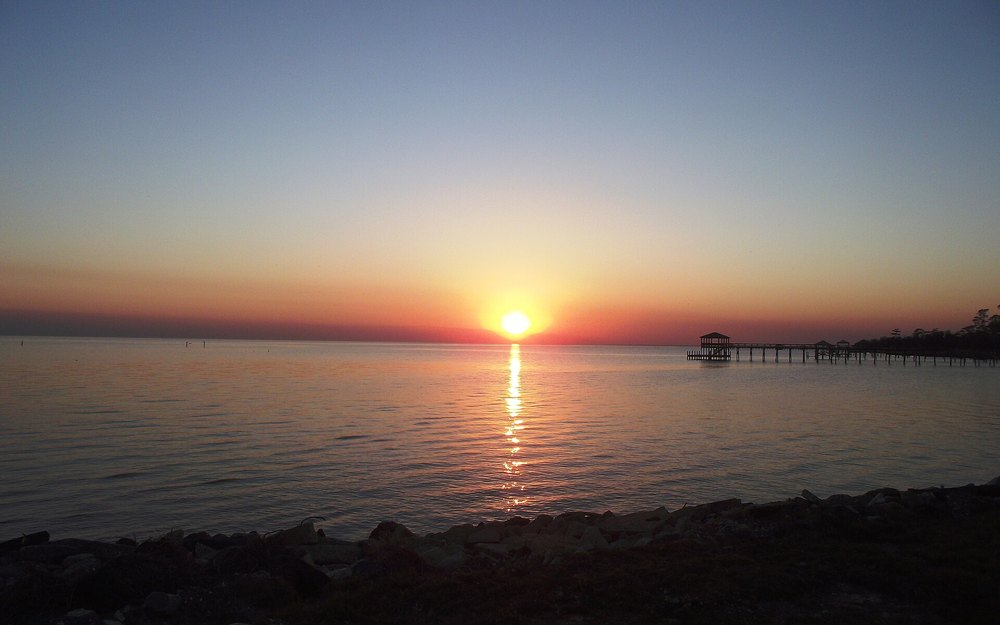
5. Lake Pontchartrain (Causeway Pilings & The Rigolets)
SPOT WATER & ACCESS SPECS
- Target Species: Blue Catfish (5–35+ lb), Channel Catfish, Tidal Brackish Catfish
- Estuary Profile: 630-sq-mile brackish tidal estuary fed by Tangipahoa, Tchefuncte & Pearl Rivers
- Productive Depth: 12 to 26 ft concrete bridge pilings, Lakefront seawalls & Rigolets shell passes
- Current Force: Tidal ebb/flood currents (1 to 3 knots) requiring 2–4 oz pyramid or bank leads
- Top Local Baits: Fresh peeled market shrimp, cut menhaden (pogies), mullet & cut shad
- Primary Access: Bonnabel Boat Launch (Metairie), Mandeville Lakefront Ramp & Rigolets Marina
Freshwater purists traveling through New Orleans are often stunned to learn that 630-square-mile brackish Lake Pontchartrain supports a remarkably strong fishery for Blue and Channel Catfish—especially along the northern shore mouths of the Tchefuncte, Tangipahoa, and Pearl Rivers, the 24-mile Lake Pontchartrain Causeway, and the Highway 11 trestles. Whenever heavy spring rainfall pushes fresh river water out across the northern and western basin, salinity drops and big Blue Catfish roam freely across oyster-shell reefs and concrete bridge pilings feeding on shrimp, menhaden, and blue crabs.
Because Pontchartrain can kick up sharp, steep wind chop in minutes, we target the Causeway crossover pilings or the Highway 11 trestles on calm mornings under 10-knot winds, tying off safely to piling fenders or anchoring 40 yards up-tide with 3-ounce pyramid sinkers to keep baits pinned against shell bottom. Unlike muddy inland rivers where skipjack herring rules, Pontchartrain catfish key heavily on local estuarine forage—fresh dead market shrimp, cut mullet, and oily menhaden (pogies) outperformed traditional liver or stinkbaits on every trip in our log. Shore-bound anglers without a boat can also connect reliably right off the New Orleans Lakefront seawall steps and Fountainbleau State Park pier on rising evening tides.
Angler Field Log: Working the north-shore Causeway crossovers near Mandeville on an incoming spring tide after heavy Tangipahoa River runoff, we pitched 3-ounce pyramid rigs baited with fresh headless shrimp and cut mullet into 16 feet of water along the piling shadow line. Over two hours of falling light, we landed eleven solid Blue and Channel Catfish from 4 to 17 pounds before sunset chop rolled in.
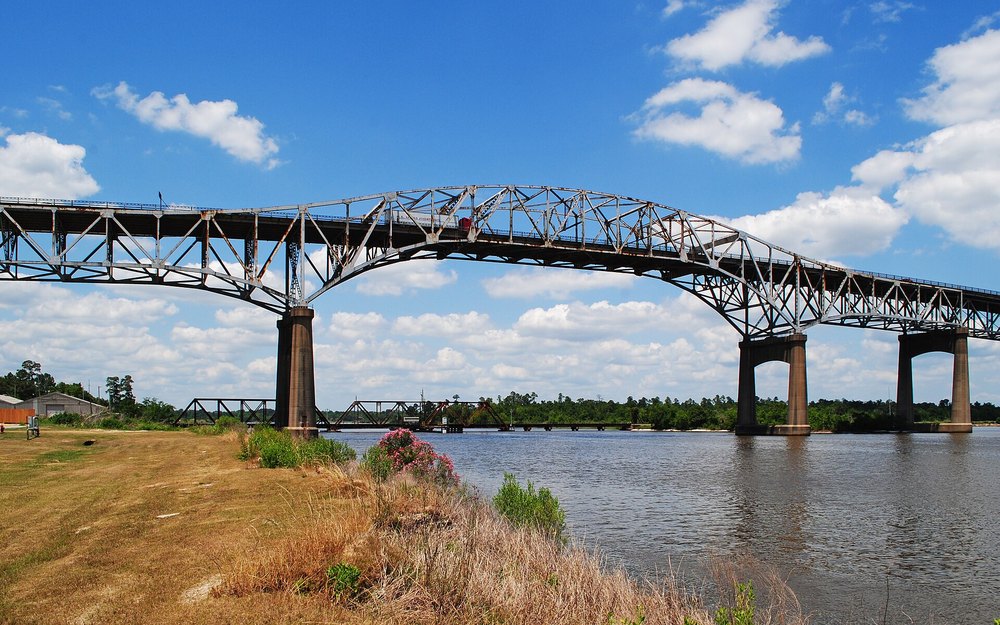
6. Calcasieu River & Saltwater Barrier (Lake Charles)
SPOT WATER & ACCESS SPECS
- Target Species: Channel Catfish (2–10 lb), Blue Catfish (5–30 lb), Flathead Catfish
- Tidal Transition: Freshwater-to-brackish corridor above I-10 & Calcasieu Saltwater Barrier
- Productive Depth: 12 to 24 ft outside river bends, West Fork bayou mouths & barrier gates
- Current Force: Moderate tidal & spillway current (1.5 to 3.5 knots); 2–4 oz bank sinkers
- Top Local Baits: Fresh dead shrimp, cut mullet, nightcrawlers & live small bream
- Primary Access: Sam Houston Jones State Park Launch & Calcasieu Saltwater Barrier Public Ramp
Down in Southwest Louisiana, Calcasieu Lake (‘Big Lake’) is rightly famous for speckled trout and bull redfish, yet just north of I-10 and above the Calcasieu River Saltwater Barrier lies an underrated catfish corridor stretching past Sam Houston Jones State Park up the West Fork and Houston River. The Saltwater Barrier protects upstream freshwater habitat from Gulf salinity intrusion while creating turbulent spillway eddies and deep scour holes where Blue, Channel, and occasional Flathead Catfish ambush baitfish washed through the gates.
Our highest-percentage pattern on the upper Calcasieu is timing a falling tide along cypress-lined marsh drains and bayou intersections where the West Fork meets the main river. As water pulls out of shallow flooded marsh grass, baitfish and shrimp funnel straight into 14-to-20-foot outside river bends. Position your boat slightly upstream of a drain mouth and fan-cast 2-to-3-ounce no-roll slip-sinker rigs baited with fresh market shrimp or cut mullet on 6/0 circle hooks. In summer heat, early morning and post-dusk sets below the Saltwater Barrier structure consistently outproduce midday open-river drifts.
Angler Field Log: Launching at Sam Houston Jones State Park at dawn on a strong outgoing May tide, we set up on the first deep bend downstream of the Houston River confluence in 18 feet of water. Using 3-ounce no-roll sinkers with fresh shrimp and cut mullet, our rods bent steadily for three hours—finishing with 18 chunky Channel Catfish and two 14-pound Blue Catfish before midday boat traffic picked up.
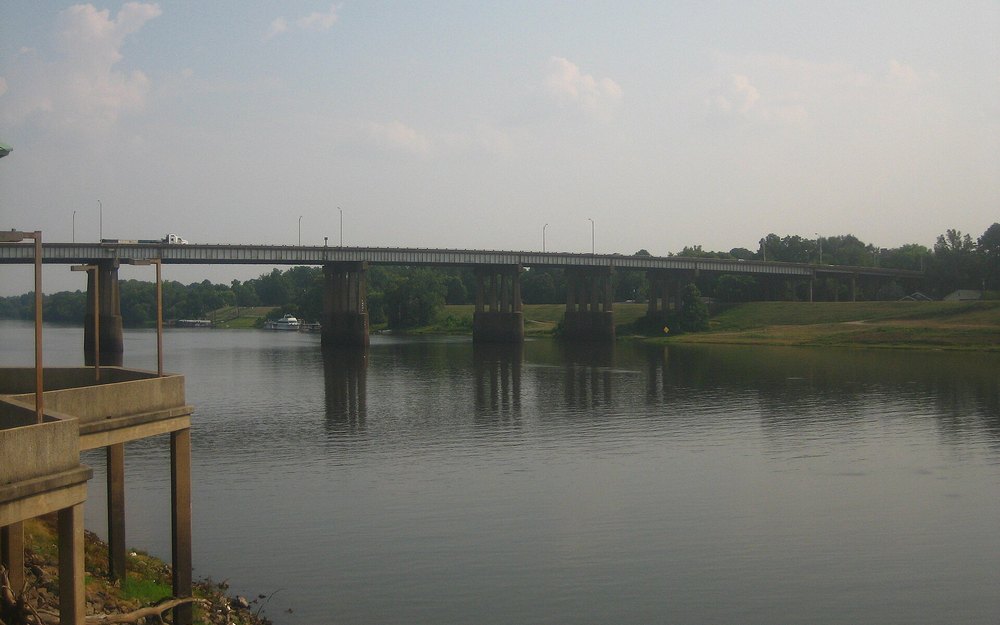
7. Ouachita River (Monroe to Columbia Lock & Dam)
SPOT WATER & ACCESS SPECS
- Target Species: Flathead Catfish (15–55 lb), Blue Catfish, Channel Catfish
- Pool & Tailrace: Columbia Lock & Dam pool and Monroe-to-Sterlington navigation bends
- Productive Depth: 18 to 40 ft lock tailwaters, sunken barge timber & steep clay outside bends
- Current Force: Steady 1.5 to 3.5-knot navigation channel current; 3–6 oz river sinkers
- Top Local Baits: Live 5–7 in. sunfish/chubs, cut gizzard shad & chicken liver
- Primary Access: Forsythe Park Boat Ramp (Monroe), Bawcomville Launch & Columbia Lock Ramp
Anglers in Northeast Louisiana looking for elbow room and heavyweight river fish consistently turn to the Ouachita River corridor running from Sterlington through Monroe down to the Columbia Lock and Dam. Far less crowded than the Mississippi or Red Rivers, the Ouachita winds through steep timbered clay banks, deep oxbow mouths like Bayou Bartholomew and Bayou D’Arbonne, and rocky lock tailwaters that hold resident populations of big Flatheads alongside migratory Blue Catfish.
Below Columbia Lock and Dam near Riverton, we fish the downstream riprap seams and lock-wall eddies with 4-to-6-ounce no-roll leads and fresh cut gizzard shad during active river flow. Upriver around Monroe and Forsythe Park, slow-trolling or anchoring live 6-inch bluegill or river chubs right along the deep edge of submerged logjams on outside river bends (16 to 28 feet) is the most consistent way to trigger 25-to-45-pound Flathead bites after dark. Keep drag tension locked tight on 65-pound braid—Ouachita timber jams give big fish zero margin before they bury into root systems.
Angler Field Log: Setting up along an outside clay bend two miles south of Forsythe Park in September with 74°F water and light navigation current, we dropped two live sunfish rods tight to a submerged treetop in 22 feet and two cut-shad rods toward mid-channel. At 8:15 PM, the inside timber rod doubled over with a 31-pound Flathead, followed 40 minutes later by a 19-pound Blue Catfish on cut shad.
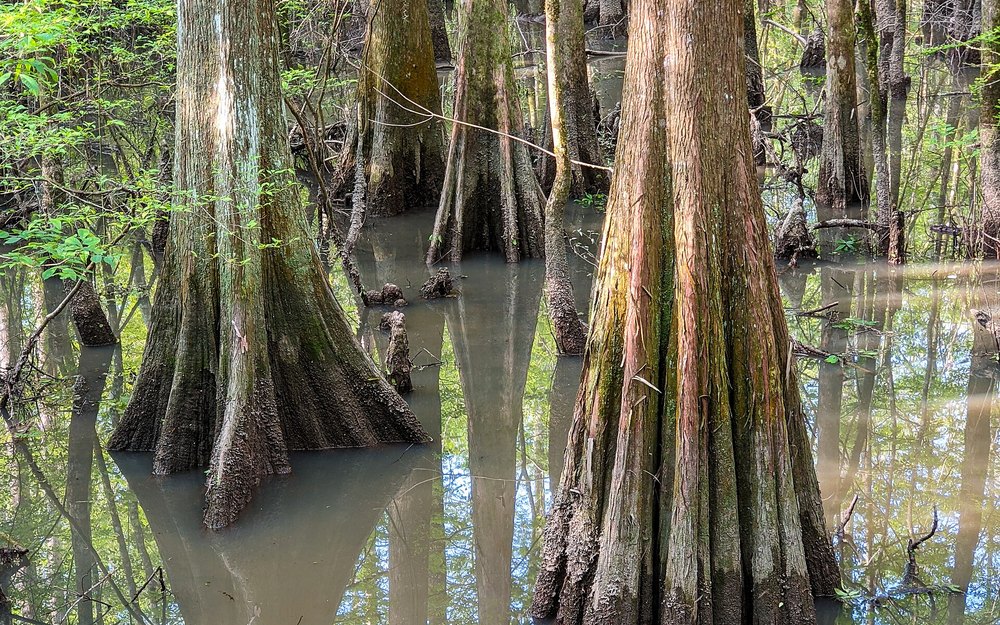
8. Lake Maurepas & Tickfaw River (Manchac / Springfield)
SPOT WATER & ACCESS SPECS
- Target Species: Channel Catfish (2–10 lb), Blue Catfish (5–25 lb), Yellow Bullhead
- System Layout: 145-sq-mile freshwater/low-salinity basin fed by Tickfaw, Amite & Blind Rivers
- Productive Depth: 8 to 20 ft river-mouth bars, cypress knees & Pass Manchac bridge ledges
- Current Force: Light wind/tidal push (0.5 to 2 knots); 1–3 oz sliding egg or pyramid sinkers
- Top Local Baits: Nightcrawlers, peeled shrimp, cut shad & stinkbait over shallow flats
- Primary Access: Tickfaw State Park Launch, Manchac Public Ramp & Clio Boat Launch
Connected to Lake Pontchartrain by Pass Manchac, Lake Maurepas and its tributary network—the Tickfaw, Natalbany, Amite, and Blind Rivers—form a scenic, mostly freshwater darkwater system that shines for accessible bank, kayak, and small-boat catfishing. Because Maurepas averages just 6 to 10 feet deep across its main basin, its deeper river-mouth drop-offs (14 to 20 feet) and Pass Manchac tidal ledges act as concentrated feeding highways every spring and early summer.
We start at dawn near the mouth of the Tickfaw River or Blind River where dark tannin water meets Lake Maurepas’s shell-bottom flats, anchoring in 10 to 16 feet with 1.5-ounce sliding egg sinkers and 4/0 circle hooks baited with peeled shrimp or nightcrawler-shad combos. As daytime sun warms the shallow flats, moving down into the shaded concrete pilings of Pass Manchac under I-55 keeps you on active 3-to-15-pound Blue and Channel Catfish feeding along tidal current seams without needing heavy offshore-style river tackle.
Angler Field Log: Fishing a calm April morning just outside the Tickfaw River mouth where the channel drops from 7 feet down to 15 feet over hard clam shell, we anchored in 64°F water and pitched light 2-ounce Carolina rigs tipped with fresh shrimp and cut shad. Two hours produced 14 fat Channel Catfish and a bonus 16-pound Blue Catfish right at the river-to-lake current line.
Louisiana Catfish Rigging, Live Bait & Heavy-Current Blueprint
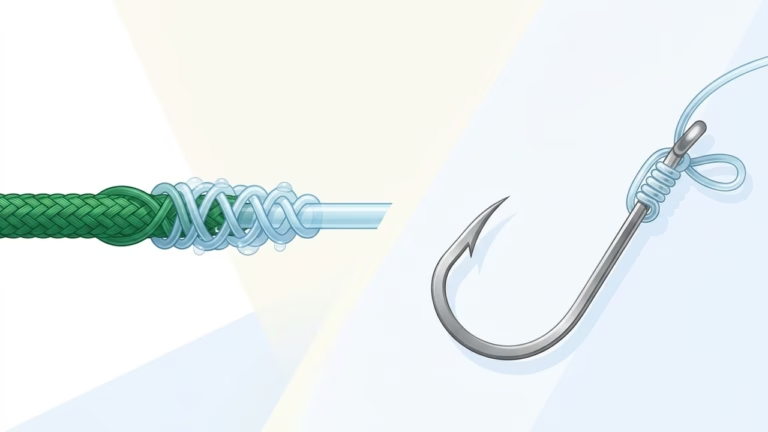
Rigging effectively for louisiana catfishing means preparing for two radically different water personalities: raging 4-to-6-knot main-channel currents on the Mississippi and Red Rivers, and slower cypress swamps, flooded timber flats, and brackish estuaries across the Atchafalaya, Toledo Bend, and Lake Pontchartrain.
Watch: Trophy Red River Blue Catfish Tactics in Action
Study how heavy-current river anglers anchor wing-dam seams, cut fresh skipjack baits, and fight 50-to-66-pound Louisiana Blue Catfish out of main-channel snags on the Red River:
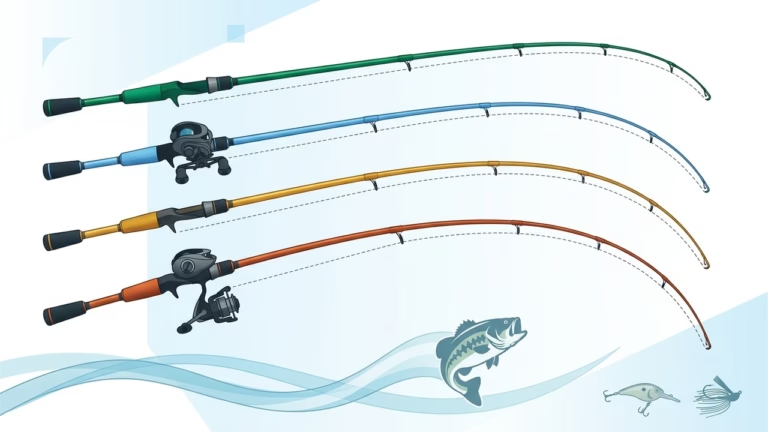
Recommended Louisiana Tackle & Rig Loadout Matrix
Match your rod backbone, braided line diameter, and sinker profile to Louisiana’s heaviest river currents and timber-choked bayous:
Seasonal Louisiana Catfish Strategy & LDWF Rules
Water temperature and river stage dictate where catfish in louisiana feed across all twelve months. Use this seasonal matrix to adjust bait size, depth, and rig weight:
Beyond the eight flagship waters profiled above, Louisiana anglers also score fast action across Caddo Lake (cypress-studded boundary reservoir north of Shreveport), Lake D’Arbonne, Bayou Bartholomew, and the Pearl River border corridor below Bogalusa. On Caddo Lake and Lake D’Arbonne during late spring, hanging live shiners or cut shad beside submerged cypress knees in 6 to 12 feet of water produces steady Channel and Flathead action without needing heavy river anchors or deep-water sonar. Meanwhile, bank anglers along the Pearl River and Bonnet Carré Spillway borrow pits can target spring floodwaters using straightforward 2-ounce Carolina rigs loaded with nightcrawlers, chicken liver, or fresh river shrimp.
Big-River Barge Safety, Tidal Checks & Trophy Release
Navigating the Mississippi River, Red River lock tailwaters, and Atchafalaya Basin demands strict attention to commercial barge traffic, submerged wing dikes, and changing river stages. Always wear an auto-inflatable PFD when anchoring near lock boils or main-channel revetments, rig a quick-release poly-ball anchor buoy so you can cast off instantly if a towboat rounds a bend, and keep a sharp serrated knife at the helm. On coastal waters like Lake Pontchartrain and Calcasieu, monitor NOAA marine wind forecasts—a sudden 15-knot south wind turns shallow open estuaries choppy fast. In addition, carry a working VHF marine radio and high-lumen spotlight for pre-dawn runs through foggy bayou junctions. When releasing oversized 30-to-80-pound trophy Blues or Flatheads, support the fish’s belly horizontally with wet hands rather than hanging it vertically by the jaw, and revive it in calm eddy water until it kicks away strongly.
2026 Louisiana LDWF Catfish Regulations & Border Exceptions
Always verify official notices in the Louisiana Department of Wildlife and Fisheries (LDWF) Recreational Fishing Guide before keeping any catch:
- Statewide Daily Creel Limit: 100 catfish in the aggregate per day (combined Blue, Channel, and Flathead Catfish). Possession limit off the water is twice the daily creel limit.
- Statewide Minimum Length Limits (MLL): Blue Catfish: 12″, Channel Catfish: 11″, Flathead Catfish: 14″ (anglers may keep up to 25 undersized catfish combined per day).
- Toledo Bend, Sabine River & Caddo Lake (LA–TX Boundary Waters): 50 Blue & Channel Catfish daily in the aggregate (no minimum length, but no more than 5 fish over 30″); Flathead Catfish: 10 daily with an 18″ minimum length.
- Licensing: Valid LDWF Basic Fishing License required for residents and non-residents age 18+.
Free Interactive Angling Calculators & Rig Matchers
Dial in exact lead weight for Mississippi and Red River currents, verify reel backing capacity, and time solunar bite windows before launching:
Catfish Sinker Weight Calculator
Compute exact pyramid or no-roll sinker ounce weight for 1 to 6-knot Mississippi and Red River currents.
Reel Line Capacity Calculator
Verify exact 65 lb braid yards and mono backing needed on Abu C3 6500 or Penn Battle IV spools.
Solunar & Bite Time Calculator
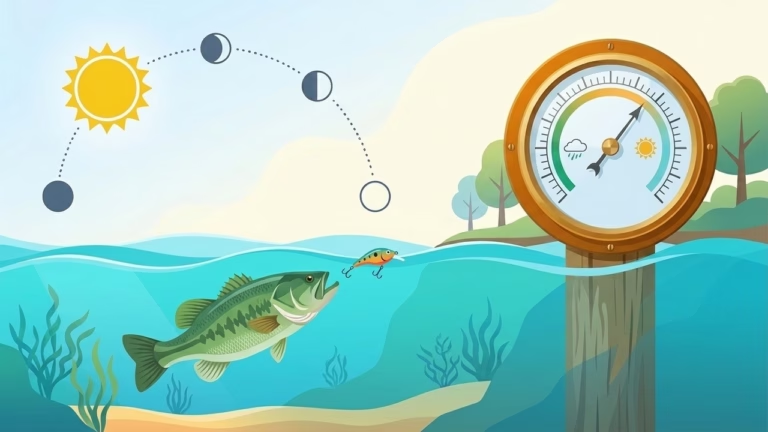
Time your night Atchafalaya Flathead and wing-dam Blue Catfish sets around peak barometric windows.
Final Captain’s Verdict: Picking Your #1 Louisiana Catfish Trip
If your goal in 2026 is breaking your personal-best Blue Catfish weight, launch on the Mississippi River near Lake Providence or Baton Rouge with 8-to-10-ounce bank leads and fresh bloody skipjack steaks, or work the rock wing dikes below Red River Lock & Dam Pools 4 and 5. Chasing a heavy swamp Flathead? Anchor live 6-inch bream after dark above outside-bend cypress rootwads in the Atchafalaya Basin and Wax Lake Outlet with locked-down 65-pound braid. For versatile boat drifts, high-volume Channel Catfish coolers, or accessible coastal bank fishing, Toledo Bend Reservoir, Lake Pontchartrain, Calcasieu River, and Lake Maurepas deliver year-round Louisiana action.
Before idling away from the ramp, verify river stage and wind forecasts, match your sinker ounce weight to actual channel flow, and keep an aerated baitwell stocked with fresh local forage—skipjack and shad inland, or fresh shrimp and mullet along coastal tides—to put heavyweight Louisiana whiskers in the net every trip.
Louisiana Catfishing FAQs
What is the 2026 Louisiana catfish daily bag and size limit?
In general Louisiana state waters, LDWF allows a generous daily creel limit of 100 catfish in the aggregate (combined Blue, Channel, and Flathead Catfish). Minimum length limits are 12 inches for Blue Catfish, 11 inches for Channel Catfish, and 14 inches for Flathead Catfish, with an allowance of up to 25 undersized catfish combined per day. Special boundary regulations apply on Toledo Bend, the Sabine River, and Caddo Lake: 50 Blue and Channel Catfish daily in the aggregate (no minimum length, but max 5 fish over 30 inches) and 10 Flatheads daily at an 18-inch minimum length.
Where is the best place to catch a trophy 50-lb-plus catfish in Louisiana?
The Mississippi River from Lake Providence down to Baton Rouge—home to Louisiana’s 114.00-pound state record Blue Catfish—and the Red River’s USACE Lock & Dam tailwaters (Pools 4 and 5 near Coushatta and Shreveport) are the top two trophy Blue Catfish destinations. For giant Flatheads, target the Atchafalaya Basin and Wax Lake Outlet (95.00-pound state record) using live 5-to-7-inch bream around deep cypress rootwads at night.
What is the best bait for Louisiana river and bayou catfish?
In big inland rivers like the Mississippi, Red, and Ouachita, fresh bloody cut skipjack herring, gizzard shad, and Asian carp belly strips dominate for Blue Catfish, while live bream and river chubs rule for trophy Flatheads. In brackish and coastal waters such as Lake Pontchartrain, Calcasieu River, and Lake Maurepas, fresh peeled shrimp, cut mullet, and oily menhaden (pogies) consistently outperform freshwater baits.
Do I need a Louisiana fishing license to fish Toledo Bend or the Mississippi River?
Yes. Residents and non-residents age 18 and older must carry a valid Louisiana Basic Fishing License (or applicable non-resident license) when fishing state waters. On boundary waters such as Toledo Bend Reservoir, the Sabine River, and Caddo Lake, valid Louisiana or Texas licenses are reciprocally honored, provided you strictly obey the special boundary creel and length limits.