If you’re looking to immerse yourself in the world of catfish fishing, jug lines provide an exciting and accessible way to do so. Jug line catfishing is a method that allows you to cover more water and increase your chances of hooking into a feisty catfish. In this comprehensive guide, we’ll break down the ins and outs of catfish fishing with jug lines, catering specifically to beginners who are eager to learn and embark on their catfishing adventure.
Understanding Jug Line Catfishing
Jug line catfishing is a straightforward and effective method. Imagine setting out a series of floating devices, called jugs, each armed with a baited hook. These jugs drift along with the water current, enticing catfish to take a bite. This technique is particularly enticing for beginners because it doesn’t require casting or intricate techniques. All you need is the right gear, some bait, and a willingness to learn.
Selecting the Right Gear for Jug Lines
Let’s start with the basics: the gear you’ll need for jug line catfishing.
What Line Do You Use for Catfish Jugs?
For your jug lines, it’s best to opt for monofilament fishing line. Monofilament is a type of fishing line that’s durable, affordable, and suitable for beginners. Look for a line with a higher pound test, around 30 to 50 pounds, to handle the weight and fight of a catfish. It’s also a good idea to choose a high-visibility line color, like fluorescent orange or yellow, so you can easily spot your jugs and monitor their movements.
Choosing the Best Jugline Catfish Bait
The bait you choose can make all the difference when it comes to attracting catfish to your jug lines. As a beginner, you’ll want to keep things simple and effective.
- Live Bait: If available, use live bait like bluegill, shad, or sunfish. These baitfish move naturally in the water, making them irresistible to catfish.
- Cut Bait: Fresh cut bait works wonders too. Consider using chunks of skipjack herring or chicken liver. Their strong scents will lure catfish from a distance.
- Stink Bait: Commercial stink baits are designed to emit strong odors that catfish find irresistible.
Setting Up Your Catfish Jug Lines
Setting up your jug lines might seem daunting at first, but it’s a simple process.
How Do You Set Up a Catfish Jug Line?
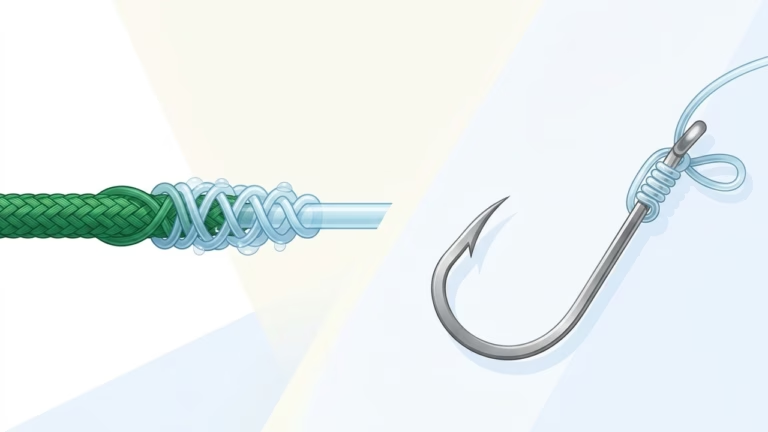
- Attach Hooks: Tie a strong knot to the end of your line and attach a catfish hook. You can use a loop knot or snell knot for this.
- Add Weight: A few feet above the hook, attach a weight. This can be a sinker or a heavy-duty swivel. The weight helps your bait sink to the desired depth.
- Bait the Hook: Thread your chosen bait onto the hook. Make sure it’s secure so it doesn’t come off easily.
- Attach Jug: Clip or loop a jug onto the line. Ensure the jug has a visible flag or marker so you can track it easily.
- Set Adrift: Gently release the jug into the water, allowing it to drift along with the current. Repeat the process with multiple jugs, spacing them out for better coverage.
Benefits of Making Your Own Jug Lines
Crafting your own jug lines comes with several benefits:
- Customization: Personalize your jug lines to cater to your preferences and the specific catfish species you’re targeting.
- Cost-Effective: Crafting your jug lines can be more economical compared to purchasing pre-made alternatives.
- Learning Experience: Building your jug lines enhances your angling knowledge and skills.
- Sense of Achievement: Catching catfish on lines you’ve crafted amplifies the sense of accomplishment and satisfaction.
Selecting the Right Materials for Jug Lines
Before initiating the crafting process, assemble the necessary materials:
Jugs or Buoyancy Devices
Opt for sturdy and visible jugs capable of supporting bait and catfish weight. Traditional milk jugs or dedicated jug floats are popular choices. Ensure the jugs are clean and free of contaminants before use.
Mainline
Select a robust and durable mainline. Monofilament fishing line with a high pound test (around 30 to 50 pounds) is a suitable choice. The line should withstand the strain of a hooked catfish’s fight.
Hooks
Choose circle hooks, designed to minimize gut hooking and facilitate catch-and-release practices. Pick hook sizes based on the catfish species you intend to catch.
Weights
Incorporate weights or sinkers to regulate the depth at which your baited hooks are submerged. The weight should be sufficient to prevent excessive drifting of your jug lines.
Baits
Select bait that entices catfish. Live bait, cut bait, or stink bait are favored options. Prioritize fresh bait securely attached to the hooks.
Step-by-Step Guide on How to Make Jug Lines for Catfish
Let’s delve into the crafting process of developing your jug lines.
Step 1: Preparing the Jugs
- Thoroughly cleanse and sanitize the jugs to eliminate any residues.
- Remove caps or lids from the jugs.
- Attach brightly colored flags or markers to each jug for enhanced visibility.
Step 2: Assembling the Mainline
- Measure and cut the mainline to your preferred length, typically ranging from 25 to 30 feet.
- Tie a loop knot at one end of the mainline; this serves as your anchor point for attaching the jug lines.
Step 3: Adding Hooks and Weights
- Fasten a circle hook onto the mainline using a loop knot or snell knot.
- Integrate a weight or sinker several feet above the hook. This weight facilitates appropriate bait depth.
Step 4: Baiting the Hooks
- Thread your chosen bait onto the circle hook, ensuring it’s secure and resistant to slipping off.
Step 5: Attaching the Jugs to the Mainline
- Loop the unsealed end of the jug’s handle around the loop knot on the mainline.
- Firmly secure the loop by cinching it around the jug’s handle.
Step 6: Setting Up Your Jug Lines
- Identify your desired fishing location, ideally an area with underwater structures, cover, or drop-offs known to attract catfish.
- Gently release the jugs into the water, allowing them to drift naturally with the water’s current.
- Continuously monitor the jugs for any discernible movement or signs of activity, indicating a potential bite.
Tips and Techniques for Jug Line Catfishing
As a beginner, it’s helpful to keep some key tips in mind:
- Location Matters: Place your jugs in areas where catfish are likely to gather, like near structures, cover, or drop-offs.
- Adjust Depth: Depending on the water depth and the type of catfish you’re targeting, you can adjust the depth of your baited hooks.
- Keep Watch: Keep an eye on your jugs. When a catfish takes the bait, the jug might move or tip. That’s your cue to reel it in!
- Timing Is Everything: Catfish are often more active during dawn, dusk, and overcast days. These are prime times for jug line catfishing.
Can You Catch a Catfish with a Jig? Debunking the Myth
You might have heard that jigs aren’t effective for catfish. While jigs aren’t the primary choice for jug line catfishing, they can indeed catch catfish. Jigs imitate baitfish and can attract catfish, especially in waters with active predatory fish. However, for beginners, using traditional jug lines with baited hooks is generally more successful for targeting catfish.
Final Thoughts: Get Ready for Your Jug Line Catfishing Adventure
Now that you’ve delved into the world of jug line catfishing, you’re equipped with the knowledge to embark on your very own catfishing adventure. As a beginner, this method offers simplicity and excitement, making it an ideal choice to kick-start your angling journey. Remember to gather your gear, select your bait, and set up your jug lines strategically. With patience and practice, you’ll soon experience the thrill of reeling in a catfish as you enjoy the unique approach that jug lines provide.