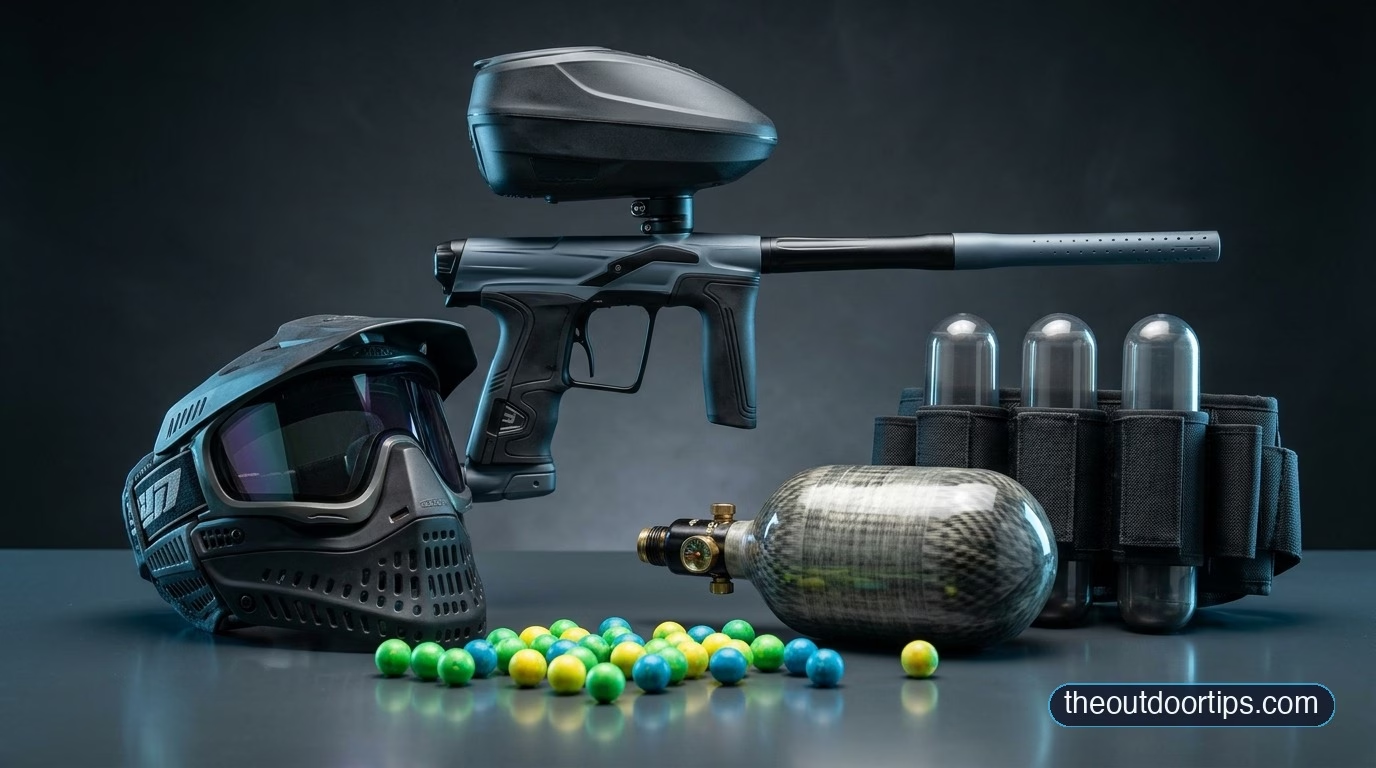
Entering the sport of paintball involves navigating one of the most deceptive financial barriers in competitive shooting sports: purchasing a $100 entry marker only to realize you cannot fire a single legal shot without an additional $250 in mandatory support infrastructure. Between ASTM-certified dual-pane thermal goggle systems, compressed high-pressure air (HPA) storage, electronic ball-feeding agitation, and ongoing field-paint consumables, total startup costs in 2026 range from an accessible $175 weekend recball loadout to an uncompromising $3,200+ NXL professional tournament rig. As tournament armorers and financial ballistics analysts, we bench-tested, chronographed, and priced out every tier to establish the definitive financial baseline for modern paintball equipment.
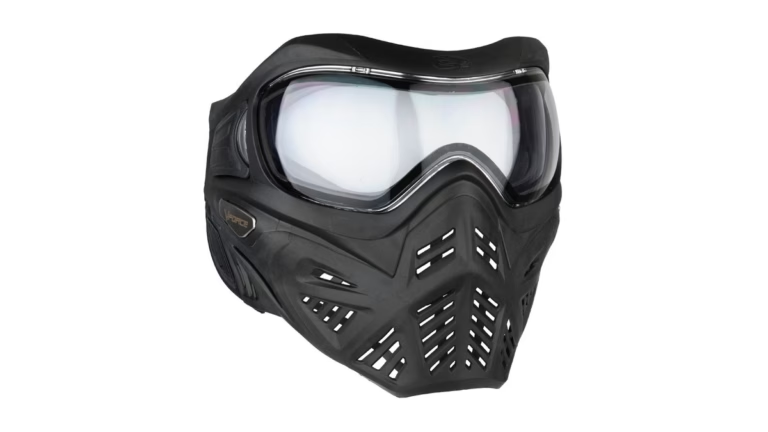
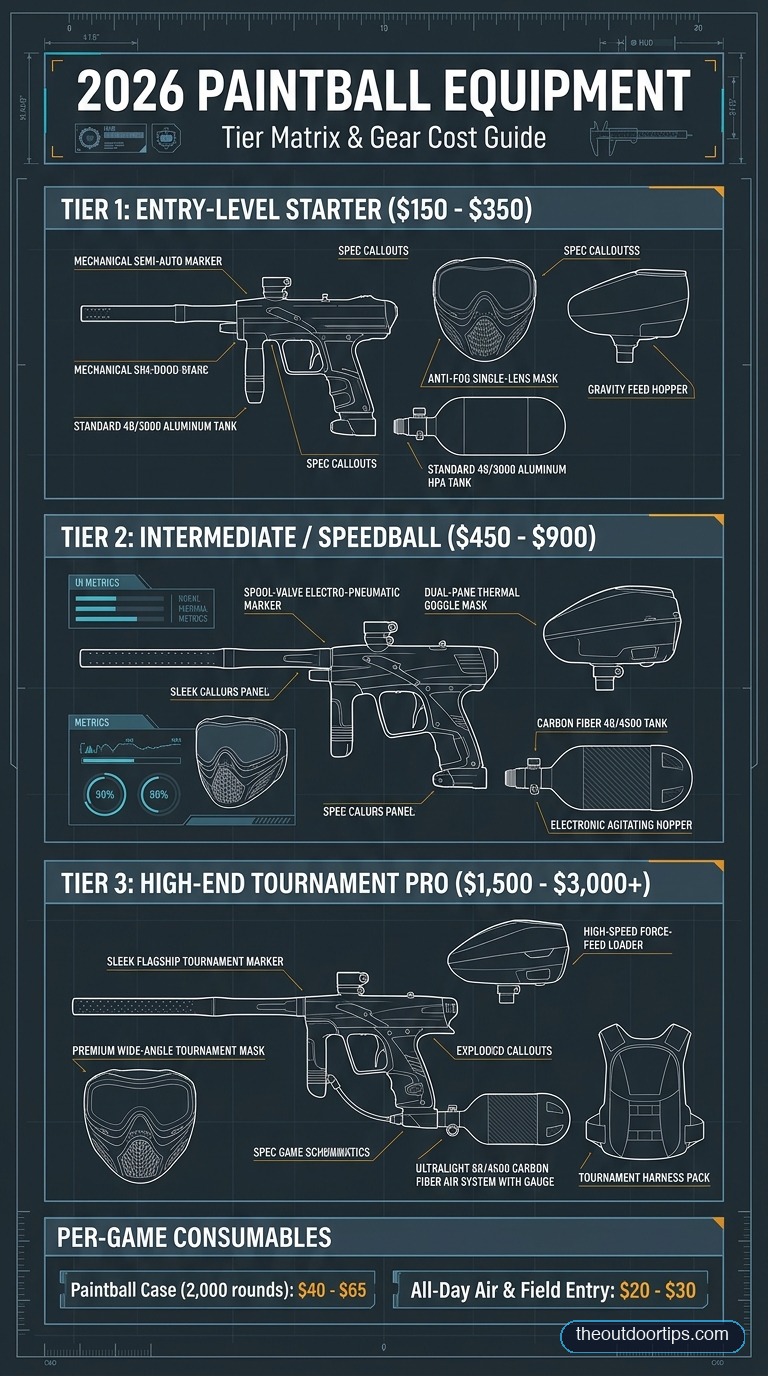
- Absolute Beginner Setup: $175 – $350. Covers an ultra-reliable mechanical marker (such as the Tippmann Cronus or GoG eNMEy), dual-pane anti-fog thermal mask (Valken MI-7), 48ci/3000 PSI aluminum HPA tank, and a gravity hopper.
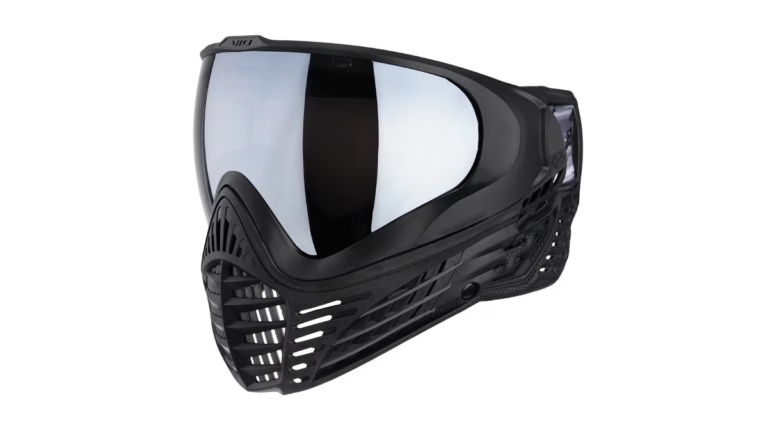
- Intermediate / Speedball Sweet Spot: $550 – $950. Delivers an electro-pneumatic tournament marker (Empire Mini GS or Planet Eclipse Etha 3 / Etha 3M), a tournament thermal mask (Dye i4 or Virtue VIO Ascend), 68ci/4500 PSI carbon fiber tank, and an electronic force-feed loader (Virtue Spire IR2).
- Tournament Pro / Competitive Rig: $1,600 – $3,200+. Flagship tournament platforms (Planet Eclipse CS3 Pro, Dye DSR+, or Gtek 180R), ultra-light 77/4500 SL2 tank, high-speed loader (Spire V, Rotor R2), tournament harness, slide shorts, pads, and micro-honed barrel kits.
- Recurring Field Consumables: $45 – $85 per session. Includes 1 case of paint (2,000 rounds at $35–$65), all-day HPA air fills ($5–$10), and field admission ($15–$25).
- The Golden Safety Rule: Never compromise your budget on the mask. A $60 thermal mask outperforms a $1,500 marker if you cannot see your targets through fogged polycarbonate lenses.
Empire Mini GS Complete Tournament Starter Package
The gold standard in price-to-performance for aspiring recball and airball players. Features a pressure-controlled poppet electro-pneumatic engine, microswitch trigger, integrated On/Off ASA, and tournament firing modes (NXL PSP 10.5 BPS). Paired with an electronic loader and 48/3000 tank, it eliminates mechanical bottlenecks without exceeding beginner-friendly budgets. Read our full Empire Mini GS review and explore recommended Empire Mini GS upgrades.
The 2026 Master Equipment Cost Matrix Table
To provide complete clarity on capital allocation, our armorer staff organized the sport into four distinct equipment tiers. This matrix maps the core financial investment against critical component specifications and player commitment profiles:
| Tier Name | Cost Range (2026) | Core Marker Architecture | Mask System | Air Tank Specifications | Loader / Feeding Mechanism | Annual Match Frequency Profile |
|---|---|---|---|---|---|---|
| Rental Package (Per Day) | $25 – $45 / outing | Tippmann 98 Rental (Blowback) | Single-pane rental mask (Fog-prone) | Field 48/3000 Aluminum HPA | Standard 200rd Gravity Hopper | 1–2 times/year (Birthdays, corporate events) |
| Entry-Level Starter Tier | $175 – $350 | Tippmann Cronus / GoG eNMEy ($129–$189) | Valken MI-7 Dual-Pane Thermal ($45) | 48ci / 3000 PSI Aluminum HPA ($49) | Empire Splitter / Proto Primo ($16) | 3–8 outings/year (Casual woodsball & recball) |
| Intermediate / Speedball Tier | $550 – $950 | Empire Mini GS / Etha 3M ($399–$410) | Virtue VIO Ascend / Dye i4 ($99–$120) | 68ci / 4500 PSI Carbon Fiber ($165) | Virtue Spire IR2 / Halo Too ($115) | 12–24 outings/year (Weekend recball & 3-man airball) |
| Tournament Pro / Flagship Tier | $1,600 – $3,200+ | PE CS3 / Dye DSR+ / Gtek 180R ($1,095–$1,850) | CRBN Zero Pro / Dye i5 ($180–$220) | Ninja SL2 77/4500 Carbon Pro V3 ($260) | Virtue Spire V / Dye Rotor R2 ($240–$260) | 24–50+ outings/year (Regional & national NXL tournaments) |
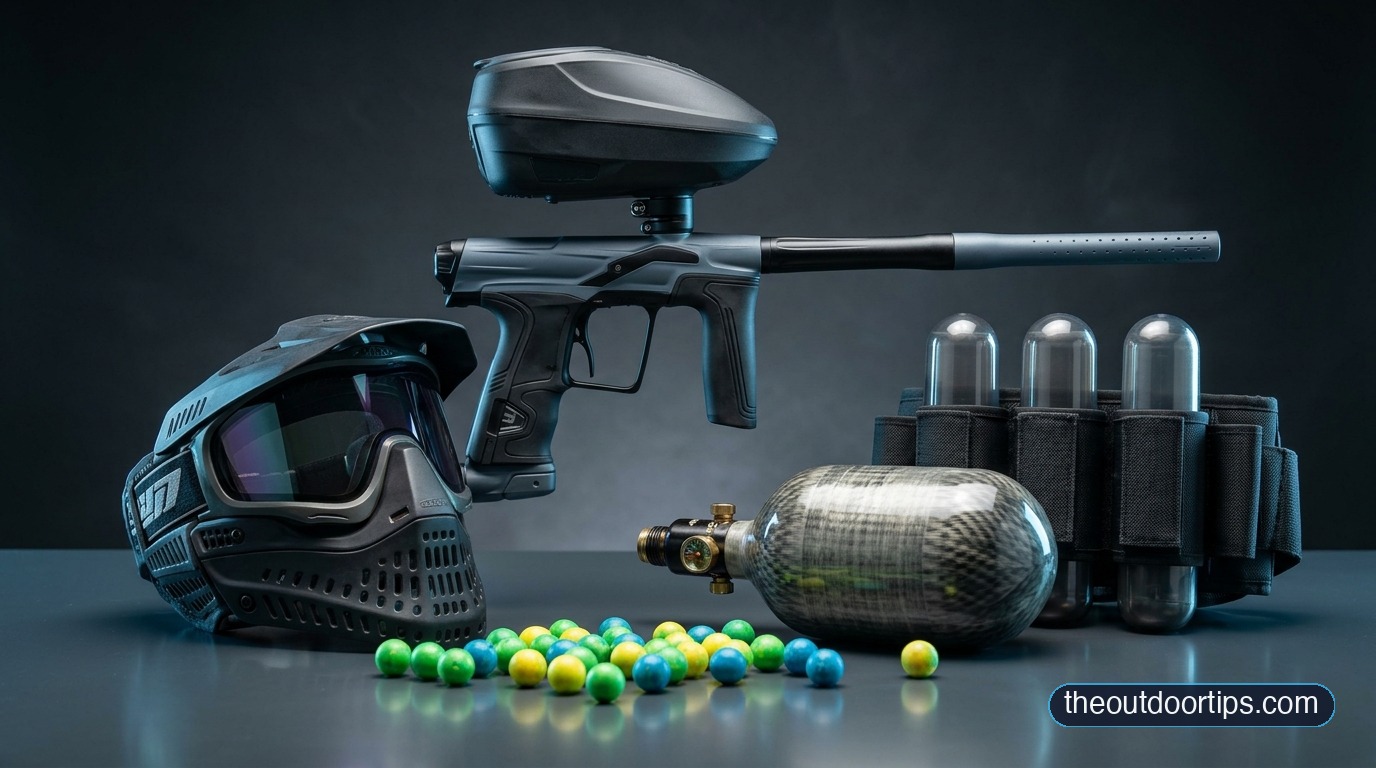
Granular Component-by-Component Cost Breakdown
Calculating the true cost of paintball equipment requires deconstructing the marker and its vital subsystems. Each piece serves a distinct mechanical or ballistic role that directly dictates your rate of fire, shot consistency, and on-field survivability.
1. Eye Protection & Thermal Goggles ($35 – $220)
Your mask is the non-negotiable foundation of your gear bag. Under ASTM F1776-22 safety standards, goggle systems must withstand direct impacts from .68 caliber paintballs traveling at 300 feet per second. However, safety certification does not guarantee optical clarity:
- Single-Pane Rental Traps ($20 – $30): Basic single-pane lenses fog within 180 seconds of moderate cardiovascular exertion, effectively blinding the player. Never buy a single-pane mask.
- Entry Thermal Barriers ($35 – $60): The Valken MI-7 and Empire Helix Thermal incorporate dual-pane thermal lenses. An outer impact-resistant polycarbonate shield is separated from an inner acetate sheet by an airtight silicone gasket, creating an insulating thermal break that completely prevents fogging.
- Mid-Tier Performance Goggles ($85 – $140): Systems like the Virtue VIO Ascend and Dye i4 feature ultra-flexible silicone jaw pieces for increased ball deflection, advanced directional acoustic venting for team communication, and rapid tool-free lens changes.
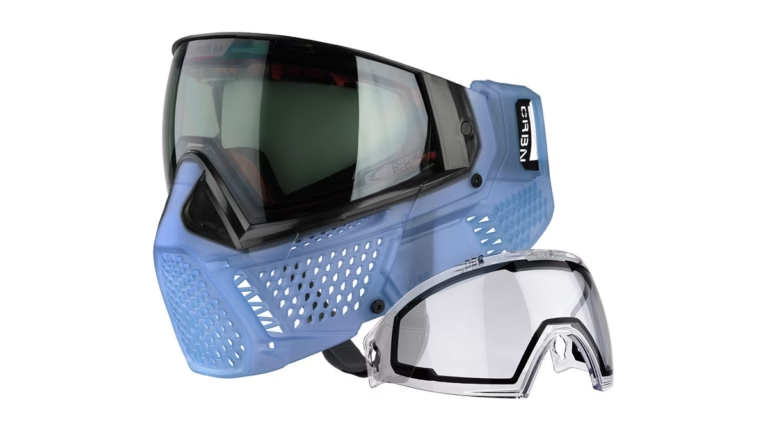
- Flagship Tournament Goggles ($150 – $220+): Platforms such as the Empire EVS, Dye i5, and CRBN Zero Pro feature 270-degree spherical distortion-free peripheral vision, magnetic chin straps, and multi-layer moisture-wicking foam.
2. The Paintball Marker / Gun ($99 – $1,800+)
Markers represent the greatest variance in capital expenditure, falling into three distinct engineering philosophies:
- Mechanical Blowbacks ($99 – $190): The Tippmann Cronus and Tippmann 98 Custom rely on an inline blowback hammer running at a high 800 PSI operating pressure. They are heavy and loud, but their cast-aluminum clamshell bodies survive severe environmental abuse. Check our guide on the best mechanical paintball guns for field rankings.
- Low-Pressure Mechanical Spool Valves ($200 – $400): The Planet Eclipse EMEK 100 and Etha 3M feature the revolutionary Gamma Core drivetrain operating at 135 PSI. They cycle smoothly, produce minimal recoil, and handle fragile tournament paintballs with zero breech breaks. See our definitive guide to the best paintball guns for beginners.
- Mid-Tier Electronic Markers ($399 – $650): Platforms like the Empire Mini GS and Etha 3 integrate circuit boards, solenoid valves, and infrared break-beam eyes, enabling 10.5 BPS NXL ramping with microswitch trigger walking.
- Flagship Tournament Platforms ($1,000 – $1,850+): The Planet Eclipse CS3 Pro, Dye DSR+, and Gtek 180R represent peak pneumatic engineering. They feature billet aluminum milling, wireless frame-to-loader connectivity, color OLED screens, and shot velocity standard deviations under ±1.5 FPS.
3. Air Propulsion Systems ($45 – $275): The Financial Proof of HPA vs. CO2
Propellant represents the thermodynamic engine of the marker. For a deep engineering analysis, review our guide comparing 3000 PSI vs 4500 PSI paintball tanks and calculate your exact output using our paintball tank shot calculator. Here is why buying a CO2 tank in 2026 is an expensive mistake:
| Tank Specification | MSRP (2026) | Usable Pressure | Weight (Empty) | Estimated Shot Capacity (.68 Cal) | Economic Efficiency Rating |
|---|---|---|---|---|---|
| 20 oz Aluminum CO2 Bottle | $25 – $35 | 800 PSI (Liquid expand) | 2.8 lbs | ~800 – 1,000 shots | Poor ($3–$5 per fill; freezes internal O-rings) |
| 48ci / 3000 PSI Aluminum HPA | $45 – $60 | 3,000 PSI | 2.9 lbs | ~450 – 550 shots | Excellent (Free all-day air at 80% of fields) |
| 48ci / 4500 PSI Carbon Fiber HPA | $150 – $185 | 4,500 PSI | 1.8 lbs | ~750 – 900 shots | High (Compact peanut tank for youth & front players) |
| 68ci / 4500 PSI Carbon Fiber HPA | $165 – $220 | 4,500 PSI | 2.1 lbs | ~1,100 – 1,400 shots | Industry Standard (Optimal balance & shot count) |
| Ninja SL2 77ci / 4500 PSI Carbon | $245 – $275 | 4,500 PSI | 1.9 lbs | ~1,450 – 1,750 shots | Tournament Gold Standard (Ultralight carbon wrap) |
The Mathematical Proof: While an aluminum CO2 bottle appears $20 cheaper at retail than an aluminum HPA tank ($28 vs $48), commercial fields charge $3 to $5 per CO2 liquid fill while providing unlimited free compressed air fills with field admission. If you play 4 games and refill twice per day, CO2 costs $6 to $10 per session in consumables. By your fourth field outing, the $48 HPA tank has completely paid for itself, while delivering regulated, non-temperature-sensitive velocity consistency.
4. Loaders & Hoppers: Gravity vs. Infrared Force-Feed ($15 – $260)
A marker’s cyclic capability is limited by its feeding mechanism. If an electronic marker ramps at 10.5 BPS but a gravity hopper bridges at 6 BPS, the bolt will clip half-fed paintballs, destroying accuracy:
- Gravity Feed Loaders ($12 – $20): Hoppers like the Proto Primo ($16) utilize an internal shelf to relieve downward head-pressure on the feedneck, reliably delivering 8 to 9 BPS on mechanical markers without batteries.
- Agitated Electronic Loaders ($45 – $75): Hoppers like the Empire Halo Too drive paint via a motorized paddle wheel. While heavier and fragile during hard dives, they sustain 16+ BPS feeding for budget speedballers.
- Infrared Force-Feed Loaders ($110 – $260): The Virtue Spire IR2 ($110), Dye Rotor LTR ($110), and flagship Virtue Spire V ($260) utilize reflective optical IR sensors and flexible drive fingers. They automatically pulse to feed 20+ BPS with zero ball jams, feature toolless battery doors, and disassemble in 5 seconds without tools.
Drivetrain Pneumatic Efficiency & The Hidden Cost of Operating Pressure
One of the most overlooked financial factors is how internal marker pneumatics impact paintball consumption. Markers operating at high internal pressures (750–850 PSI blowbacks) slam their bolts into paintballs with violent initial acceleration. When shooting brittle tournament paint (such as GI Sportz 4-Star or Empire Marballizer), blowbacks frequently chop or crack paintballs in the barrel, wasting $60/case paint and requiring game-stopping squeegee cleans.
In contrast, low-pressure spool drivetrains (such as Planet Eclipse’s Gamma Core at 135 PSI or the CS3 OP-R Core at 100 PSI) deploy a staged gas acceleration curve. By cushioning the paintball during initial breech displacement, spool valves eliminate ball fractures. Furthermore, high pneumatic efficiency delivers 1,400+ shots from a 68/4500 tank fill compared to just 750 shots on an inline blowback, reducing trips to the air station and extending field play time. Check ball kinetic energy variances using our FPS to Joules kinetic energy calculator.
Three Comprehensive Gear Loadout Blueprints (Tested in the Field)
Tier 1: The Budget Weekend Warrior ($175 – $350 Total)
Designed for recreational woodsballers and first-time owners who play 3 to 8 times per year. This tier focuses on rugged durability and eliminating the frustration of foggy rental goggles. For younger players, consult our guide to the best paintball guns for kids.
Tier 1 Loadout Specification
- Marker: Tippmann Cronus Basic or GoG eNMEy ($129 – $189)
- Mask: Valken MI-7 Dual-Pane Thermal Goggle ($45)
- Propellant Tank: Empire 48ci / 3000 PSI Aluminum HPA Tank ($49)
- Hopper: Proto Primo Gravity Loader ($16)
- Support Accessories: Exalt barrel swab, barrel blocking device, microfiber cloth ($18)
- Total Equipment Capital Outlay: ~$257.00 – $317.00
✓ Who It’s Built For
- Recreational players who want reliable personal gear that never fogs.
- Woodsball players who value all-weather reliability and cast-aluminum frames.
- Parents wanting a low-maintenance, safe setup for teen players.
✗ Who Should Skip It
- Anyone intending to play competitive speedball or airball tournaments.
- Players sensitive to marker weight (Tippmann Cronus weighs 3.7 lbs empty).
Tier 2: The Intermediate Competitive Speedballer ($550 – $950 Total)
The definitive sweet spot in modern paintball economics. This setup equips you with an electro-pneumatic tournament marker capable of NXL 10.5 BPS ramping, a lightweight carbon fiber air system, and an eye-activated electronic hopper. For players with smaller hands or youth frames, review our best paintball guns for small hands guide.
Tier 2 Loadout Specification
- Marker: Empire Mini GS or Planet Eclipse Etha 3M ($399 – $410)
- Mask: Virtue VIO Ascend Thermal ($99) or Dye i4 Goggle ($120)
- Propellant Tank: HK Army Aerolite 68ci / 4500 PSI Carbon Fiber Tank ($165)
- Hopper: Virtue Spire IR2 Electronic Loader ($115)
- Harness & Pods: HK Army Eject 4+3 Harness with 4 Pods ($48)
- Total Equipment Capital Outlay: ~$826.00 – $858.00
✓ Who It’s Built For
- Players visiting the field 1 to 2 times per month.
- Local 3-man and 5-man tournament competitors.
- Anyone wanting soft-shooting spool valves that shoot brittle tournament paint.
✗ Who Should Skip It
- Strict scenario woodsballers crawling through gravel and mud.
- Shooters seeking dedicated long-range rifled sniper configurations.
Tier 3: The High-End Tournament Flagship ($1,600 – $3,200+ Total)
For national circuit competitors, divisional tournament players, and gear enthusiasts demanding the absolute pinnacle of pneumatic refinement. For alternatives under $1,000, read our roundup of the best paintball markers under $1,000.
Tier 3 Loadout Specification
- Marker: Planet Eclipse CS3 Pro, Dye DSR+, or Gtek 180R ($1,095 – $1,850)
- Mask: CRBN Zero Pro or Dye i5 Thermal System ($180 – $220)
- Propellant Tank: Ninja SL2 77/4500 Carbon with Pro V3 Regulator ($260)
- Hopper: Virtue Spire V Force-Feed Loader with Crown SF-R Speedfeed ($260)
- Precision Barrel System: Freak XL or Shaft FL Insert Kit ($160 – $210)
- Apparel & Protection: Slide shorts, knee pads, elbow pads, tournament pants ($350 – $500)
- Total Equipment Capital Outlay: ~$2,405.00 – $3,300.00
Tactical Woodsball & MagFed Cost Realities ($300 – $850)
For tactical scenario and military simulation (mil-sim) players, gravity and electronic hoppers are abandoned in favor of spring-fed magazines. While MagFed eliminates the need for expensive electronic hoppers, it creates distinct equipment costs: continuous-feed magazines, tactical chest rigs, and specialized First Strike Round (FSR) aerodynamic ammunition. Review our full field analysis on the best woodsball paintball guns.
| MagFed Component | Average 2026 Price | Durability & Service Life | Armorer Recommendation |
|---|---|---|---|
| MagFed Marker Body | $230 – $570 | Extreme (Reinforced polymer & aluminum) | Tippmann TMC ($230) or Planet Eclipse EMF100 ($570) |
| Magazines (4 to 6 pack) | $25 – $35 per 2-pack | 3–5 years (Springs require light silicone lubrication) | Planet Eclipse CF20 continuous feed or Dye DTM mags |
| MOLLE Chest Rig / Plate Carrier | $45 – $120 | 5+ years (1000D Cordura construction) | Condor Recon Chest Rig with bungee magazine retention |
| First Strike Rounds (FSR Ammunition) | $45 – $55 per 100 rds | Consumable ($0.45 – $0.55 per shot) | Aerodynamic finned rounds for sniper accuracy up to 100 yards |
Barrel Kits & Paint Matching: The $50 – $200 Question
Factory stock barrels on beginner markers feature oversized bore diameters (.693 or larger). Over the last ten years, paintballs have decreased in average size to .680–.685. When small paintballs are fired through an oversized barrel, propellant air leaks around the ball (blow-by), causing velocity fluctuation and barrel swirl. For exact sizing, use our paintball barrel bore size calculator & matcher.
- Two-Piece Aftermarket Barrel ($40 – $70): A 14-inch precision barrel with a .685 control bore quiets muzzle report and reduces velocity standard deviation by ±3 FPS immediately.
- Full Bore Insert System ($120 – $220): Kits like the Freak XL or Planet Eclipse PWR Inserts provide 5 to 8 micro-honed aluminum sleeves (.677 to .691). By creating an airtight seal around the paintball, you gain 15 to 20 FPS of free pneumatic velocity, allowing you to lower regulator output pressure and conserve tank air.
Used vs. New Equipment: The Armorer’s Risk Assessment Table
Sourcing pre-owned equipment via paintball BST forums (such as Reddit r/PaintballBST or PBNation) offers 35% to 55% discounts off MSRP. However, novice buyers often inherit compromised regulators or dead electronic solenoids. Here is our official armorer risk evaluation:
| Gear Category | Safe to Buy Used? | Average Used Discount | Critical Inspection Points Before Final Payment |
|---|---|---|---|
| Paintball Masks & Lenses | NO (Extreme Risk) | 40% – 50% | Never buy used lenses! Thermal seals break and polycarbonate suffers invisible impact micro-fractures. Buy brand new for ocular safety. |
| HPA Compressed Air Tanks | YES (With Caveats) | 35% – 50% | Inspect the stamped DOT/TC hydro date. Carbon fiber tanks expire permanently after 15 years. Subtract a $35 hydro-retest fee if expired. |
| Mechanical Markers | YES (Extremely Safe) | 45% – 60% | Check for stripped frame threads and breech score marks. Tippmann and EMEK mechanical drivetrains are easily rebuilt with $10 O-ring kits. |
| Electronic Tournament Markers | MEDIUM (Verify Video) | 35% – 50% | Require a live shooting video over a chronograph. Inspect solenoid clicking, battery terminal corrosion, and stripped grip screws. |
| Loaders & Electronic Hoppers | YES (Safe) | 40% – 50% | Check battery compartments for acid corrosion and test drive-cone torque resistance with a finger press. |
Recurring Operating Costs: The True Price of a Saturday at the Field
While markers and tanks represent fixed capital costs, paintball is fundamentally defined by variable operational expenses. Here is the realistic balance sheet for a standard 4-to-6-hour weekend session:
| Operational Expense Category | Typical 2026 Cost Range | Payment Frequency | Armorer Budgeting Strategy |
|---|---|---|---|
| Field Admission / Entry Fee | $15 – $30 | Per Session | Covers referee staffing, field insurance, and turf maintenance. Season memberships ($175–$300/yr) eliminate entry fees. |
| All-Day Compressed Air Fills (HPA) | $0 – $10 | Per Session | Included free with entry at 80% of modern commercial fields; otherwise a flat $5–$10 day wristband. |
| Field Paintballs (1 Case = 2,000 rds) | $35 – $65 | Per Session | Strict Field Paint Only (FPO) policies apply. Splitting a case between two recreational players ($20–$30 each) covers an entire day. |
| Marker Grease (Dow 33 / Eclipse) | $10 – $15 | 1 Tube lasts 12 Months | Essential for dynamic spool O-rings. Never use petroleum-based WD-40, which degrades urethane seals. |
| Pro High-Drain 9V Batteries | $12 (4-pack) | Every 2–3 Months | Electronic boards and loaders demand industrial-grade alkaline cells (Duracell Procell or Energizer Industrial). |
| Total Out-of-Pocket Per Game Day | $55 – $95 per player | Per Session | Based on 1 admission fee, all-day air pass, and 1 case of quality field paint. |
5-Year Total Cost of Ownership (TCO) Model
To understand the lifetime economic commitment of paintball, our financial analysts modeled a 5-year ownership trajectory for an intermediate player attending the field 12 times per year (once per month):
| Expense Category | Year 1 (Capital + Consumables) | Years 2 – 5 (Annual Average) | 5-Year Cumulative Total |
|---|---|---|---|
| Initial Equipment Capital (Tier 2 Setup) | $845.00 | $0.00 (Minor upgrades ~$50/yr) | $1,045.00 |
| Field Admission Fees (12 Visits @ $20) | $240.00 | $240.00 / year | $1,200.00 |
| Field Paintballs (12 Cases @ $45) | $540.00 | $540.00 / year | $2,700.00 |
| Tank Hydrostatic Retesting (5-Year Cycle) | $0.00 | $35.00 (Year 5) | $35.00 |
| Batteries, Lube, & O-Ring Maintenance | $30.00 | $30.00 / year | $150.00 |
| Total Annual Cost | $1,655.00 | $845.00 / year | $5,130.00 |
Financial Insight: Over a five-year timeline, the initial equipment purchase accounts for less than 21% of your total expenditure, while paintballs represent over 52%. Investing in a gentle, low-pressure spool marker that eliminates barrel breaks directly protects your largest ongoing investment: paintballs.