In our seasonal river drift logs anchoring heavy slip rigs along the Pioneer Valley ledges and soaking fresh cut menhaden below Turners Falls Dam, the Connecticut River delivers arguably the finest trophy channel catfish angling anywhere in Southern New England. While saltwater striped bass and stocked brook trout dominate regional sporting conversations, the Commonwealth harbors phenomenal freshwater whiskerfish action. Between monster 20-pound channel cats inhabiting deep bedrock hydro pools, native white catfish crowding tidal brackish transitions, and prolific night runs for brown bullhead (“hornpout”) across natural glacial kettle ponds, Massachusetts waters provide serious, high-yield action from late April ice-out straight through October river turnover.
Targeting catfish in Massachusetts demands exact waterway reconnaissance. Current seams vary wildly from turbulent hydropower tailraces in Franklin County to slow-moving tidal mudflats in Bristol County. In this field guide, we map the 8 best catfish fishing spots in Massachusetts with verified GPS coordinates, boat launch access, seasonal depth charts, terminal rigging protocols, and official MassWildlife harvest guidelines.
✔ 2026 Regulations & Rigs Verified
Massachusetts Fishing At a Glance: Top Waters & Winning Rigs
- #1 Trophy Waterway: Connecticut River (Turners Falls Dam Tailrace & Holyoke Oxbow, targeting
15–45 ftbedrock scour holes) - Peak Bite Window: Late May through September (Water Temps
65°F–78°F; peak post-spawn June/July night feed) - 2026 MassWildlife Limits: Open year-round statewide; No daily creel limit and No minimum size limit for Channel Catfish or Bullhead (“hornpout”)
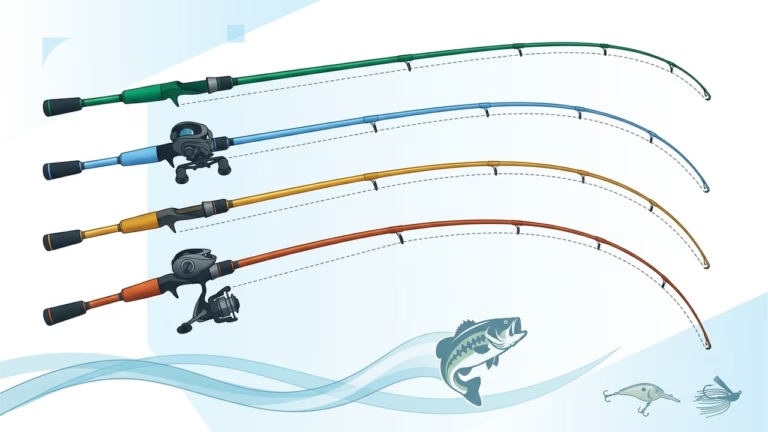
- Primary Winning Setup: 7’6″ Heavy Ugly Stik Catfish Special + Penn Battle IV 6000 / Abu Garcia 6500 C3 + 65lb Braid + 3–5 oz No-Roll Sinker + 6/0 Gamakatsu Circle Hook + Fresh Cut Menhaden
Top Massachusetts Catfish Waterways: GPS & Access Matrix
Success in Massachusetts catfishing requires aligning your terminal weight and bait selection with specific aquatic structure. Western hydro impoundments demand heavy lead to hold raging turbine discharges, while eastern tidal rivers require anchoring along transition mudflats on moving tides. The matrix below breaks down the premier catfishing waterways in the Bay State.
| Waterway & Reach | Primary Target Species | Key Structure & Depth | Premier Bait / Lure | Public Ramp / Bank Access |
|---|---|---|---|---|
| Connecticut River: Barton Cove (Franklin County) |
Channel Catfish (10–22 lb) | Turners Falls Dam scour hole, 20–45 ft bedrock |
Fresh cut menhaden, cut sucker | Barton Cove Boat Ramp • 📍 Google Maps |
| Connecticut River: Holyoke Oxbow (Hampshire County) |
Channel Catfish, White Catfish | Eddy basin drop-offs, 15–32 ft silt shelf |
Cut river herring, chicken liver | Oxbow State Ramp • 📍 Google Maps |
| Merrimack River: Lawrence Dam (Essex County) |
Channel Catfish, White Catfish | Turbine tailrace, 12–28 ft granite boulders |
Cut white perch, nightcrawler balls | Greater Lawrence Boating Launch • 📍 Google Maps |
| Taunton River: Dighton Rock (Bristol County) |
White Catfish, Channel Catfish | Tidal channel edges, 8–24 ft mud flats |
Fresh cut bunker (Atlantic menhaden) | Dighton Rock State Park Launch • 📍 Google Maps |
| Assawompset Pond & Long Pond (Plymouth County) |
Brown Bullhead (“Hornpout”), Channel | Gravel bars & weedlines, 8–26 ft holes |
Jumbo Canadian nightcrawlers | MassWildlife Long Pond Ramp • 📍 Google Maps |
| Lake Chaubunagungamaug (Webster) (Worcester County) |
White Catfish, Brown Bullhead | Glacial drop-offs, 18–45 ft cobble ledges |
Dead golden shiners, nightcrawlers | Memorial Beach Boat Ramp • 📍 Google Maps |
| Charles River: Watertown Dam Pool (Middlesex County) |
Channel Catfish, Brown Bullhead | Urban bridge pilings, 8–18 ft mud pockets |
Garlic chicken chunks, dip bait | Watertown Dam Park Promenade • 📍 Google Maps |
| Chicopee River: Three Rivers Reach (Hampden County) |
Channel Catfish, Yellow Bullhead | Confluence eddy, 10–22 ft sand-gravel |
Cut suckers, live nightcrawlers | Red Bridge Boat Launch • 📍 Google Maps |
Detailed Breakdown: The 8 Best Catfish Spots in Massachusetts
1. Connecticut River: Turners Falls Dam Pool & Barton Cove (Franklin County)
River miles 118 through 124 in Franklin County represent the crown jewel of Massachusetts trophy channel catfishing. Just below the Turners Falls Hydroelectric Dam in Montague and Gill, the river scours deep bedrock trenches plummeting to 45 feet before widening into Barton Cove. These turbulent plunge pools trap migrating juvenile shad, suckers, and perch, creating a premier buffet for heavyweight channel cats reaching 15 to 22 pounds.
When current flows through the canal powerhouse are active, channel cats pin tight against the sharp rock ledges and upstream lip of deep bottom holes. Anchor your boat 40 feet above the drop-off or fish from the shoreline along Unity Park. Cast a 4 oz No-Roll sinker Carolina slip rig baited with fresh cut bunker directly into the seam where white water transitions into green eddy currents. If current is heavy, calculate your exact sinker lead on our Catfish Sinker Weight & River Current Calculator to prevent your rig from sweeping into snag-heavy bedrock crevices.
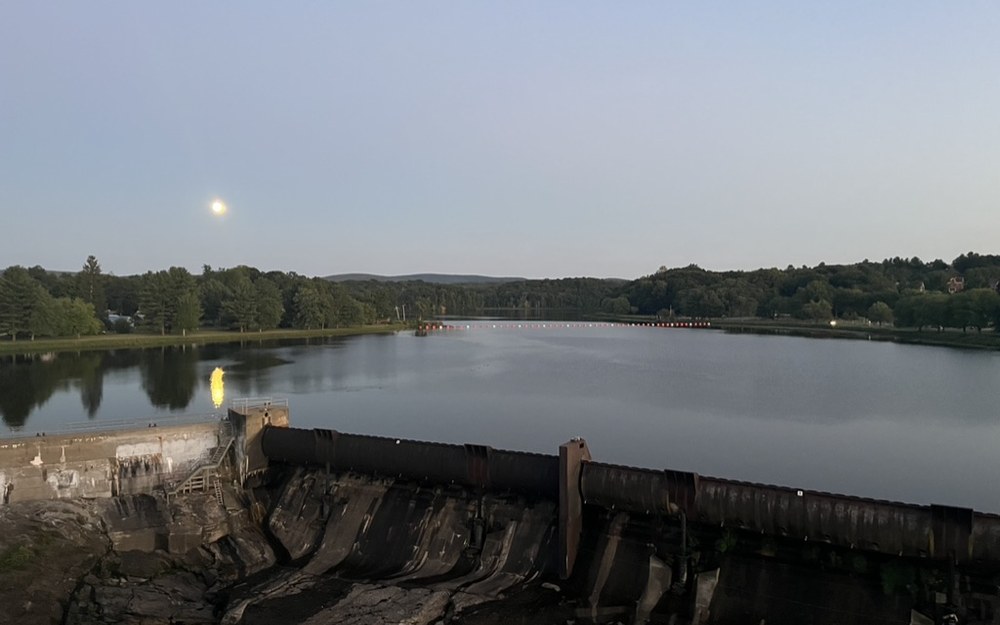
Photo: Turners Falls Dam bedrock spillway and scour pool on the Connecticut River in Gill and Montague, Franklin County, MA (Wikimedia Commons / CC BY-SA 3.0).
📍 Barton Cove Recreation Area Boat Ramp, Gill (GPS: 42.5855, -72.5360)
2. Connecticut River: Holyoke Oxbow & Brunelle’s Reach (Hampshire County)
Located in Easthampton and Northampton, the famed Oxbow pool (river miles 85 to 88) offers an extensive backwater sanctuary separated from the main river stem. Because current velocities drop significantly inside the Oxbow basin, scent trails from dead cut bait linger across 15- to 32-foot mud-and-silt flats. This habitat attracts massive summer pods of channel catfish alongside hefty white catfish.
In our late-summer drift outings, trolling or drifting with Santee Cooper rigs equipped with high-buoyancy peg floats keeps baits hovering 3 to 4 inches off the soft mud, directly in the strike zone of bottom-patrolling cats. Launch at the state-managed Oxbow Boat Ramp off Route 5. Concentrate your night sets along the outer perimeter where the Oxbow channel rejoins the main river current near Mitch’s Marina.
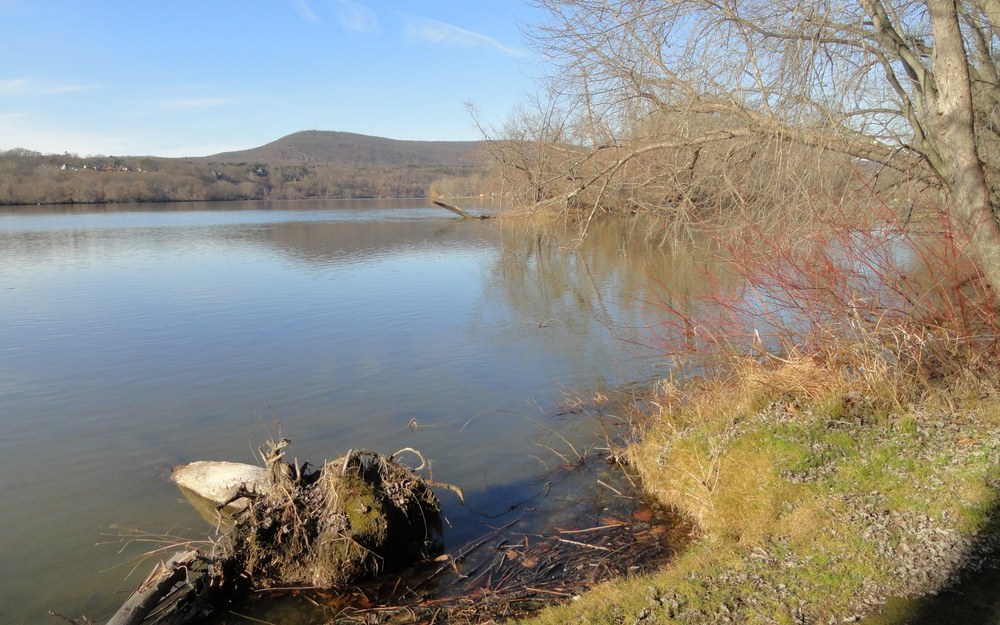
Photo: Connecticut River wide pool looking south from Hadley Falls Canal Park toward Holyoke Dam and the Oxbow Reach, Hampshire County, MA (Wikimedia Commons / CC BY-SA 3.0).
📍 Oxbow State Boat Ramp & Brunelle’s Marina, Easthampton (GPS: 42.2741, -72.6186)
3. Merrimack River: Lawrence Great Stone Dam Tailrace (Essex County)
The Merrimack River flowing through northeastern Massachusetts is a high-volume powerhouse. At Lawrence, the historic Great Stone Dam creates a severe hydraulic drop that halts upstream fish passage. Channel catfish and coastal white catfish stack heavily in the 12- to 28-foot rocky runs directly downstream from the dam apron and the Spicket River confluence.
The Merrimack bed here is littered with industrial granite blocks, blast rock, and heavy gravel. Standard sinkers will foul immediately. We rig a 3-way swivel with a 12-inch breakaway dropper of 12lb test monofilament holding a 3 oz bank sinker below our main 65lb braided line. When a snag occurs, only the cheap lead is lost while your hook, leader, and terminal swivel remain intact. Bank access is excellent along Pemberton Park, and trailered boats can access the river at the Greater Lawrence Boating Program ramp.
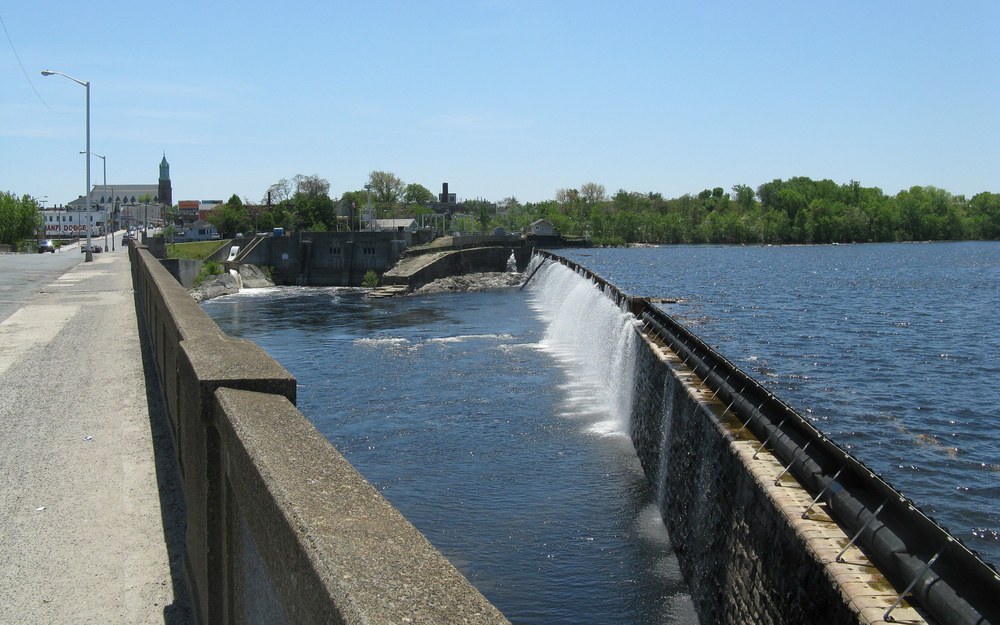
Photo: Great Stone Dam spillway and boulder run on the Merrimack River in Lawrence, Essex County, MA (Wikimedia Commons / CC BY-SA 3.0).
📍 Greater Lawrence Boating Program Ramp, Lawrence (GPS: 42.7018, -71.1643)
4. Taunton River: Dighton Rock to Berkley Bridge (Bristol County)
The Taunton River winds through southeastern Massachusetts, creating one of the most productive tidal estuarine catfish fisheries in New England. Between Berkley and Dighton, the river transitions from freshwater into brackish tidewater. This zone is a primary nursery for alewives, blueback herring, and Atlantic menhaden, drawing trophy-class white catfish (3 to 7 pounds) and channel cats.
Fishing the Taunton requires timing your sets with the tidal cycle. The two hours before and after high slack tide produce the most aggressive feeding windows as catfish push out of deep 20-foot riverbed channels onto shallow mudflats to intercept crabs and baitfish. Launch from Dighton Rock State Park or cast from the public fishing pier at Berkley Bridge. Use a Carolina rig with a 2 to 3 oz pyramid sinker to lock your bait down against the tidal ebb.
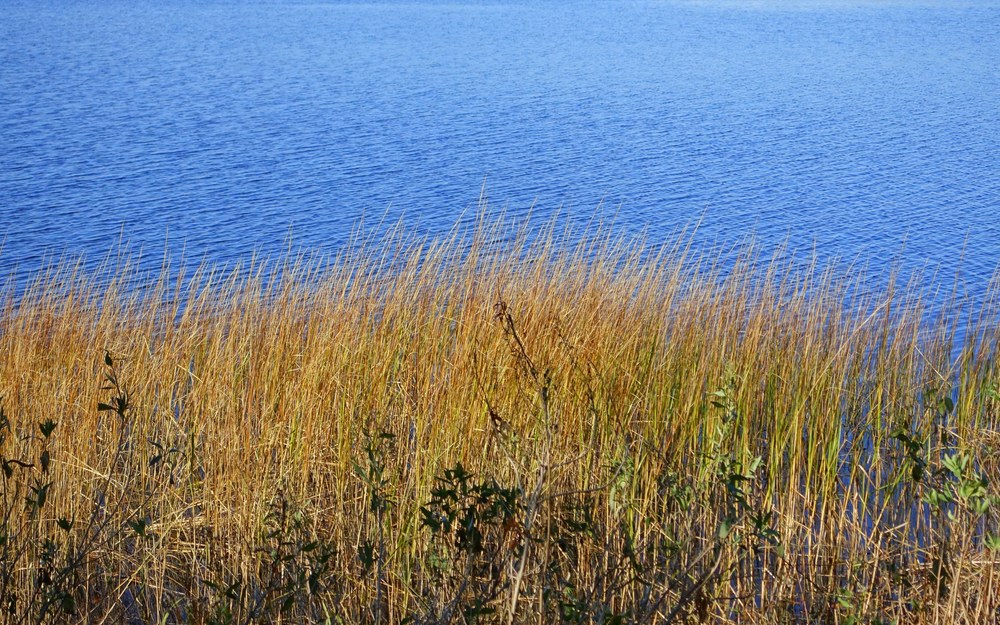
Photo: Taunton River tidal shoreline and marsh grass looking south at Dighton Rock State Park in Berkley, Bristol County, MA (Wikimedia Commons / CC BY-SA 3.0).
📍 Dighton Rock State Park Boat Launch, Berkley (GPS: 41.8340, -71.1118)
5. Assawompset Pond Complex & Long Pond (Plymouth County)
Covering over 1,700 acres across Lakeville and Freetown, Long Pond forms part of the largest natural freshwater lake complex in Massachusetts. While Assawompset Pond proper serves as a protected public water supply with restricted access, Long Pond features full public recreational access through a modern double-lane concrete boat ramp operated by MassWildlife off Route 18.
Long Pond is renowned across Plymouth County for its explosive night “hornpout” (brown bullhead) action, alongside an expanding population of hefty channel cats. Look for submerged gravel bars, weed edges, and deep holes descending to 26 feet in the main basin. On humid summer evenings, anchor over sand-to-mud transitions and fish a double-drop high-low rig tipped with jumbo Canadian nightcrawlers or garlic-marinated chicken livers. Bullhead bite aggressively until 2:00 AM, frequently filling buckets with prime eating fish.
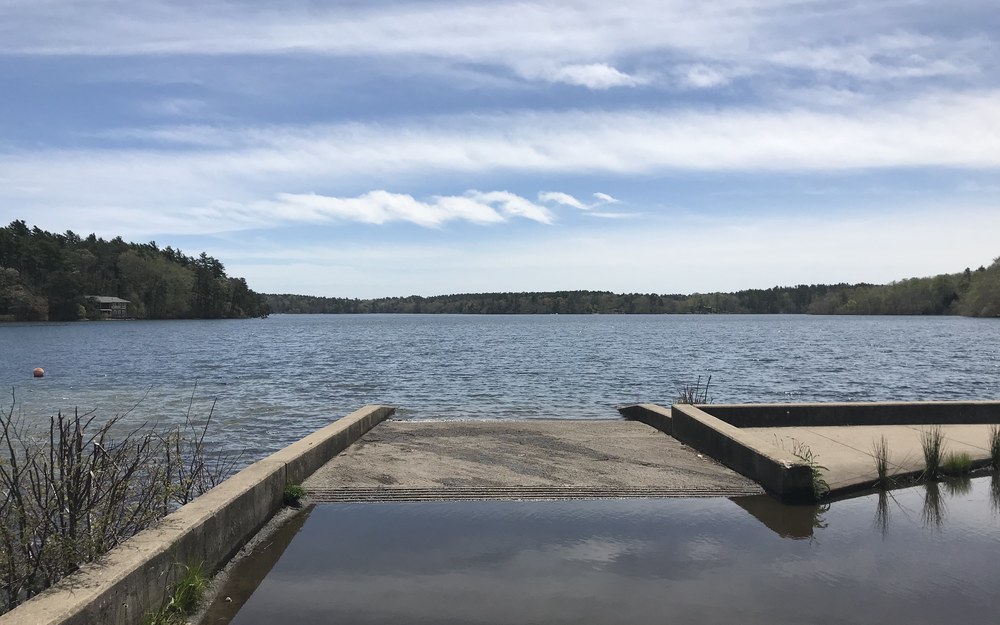
Photo: MassWildlife concrete public boat launch and open waters of Long Pond off Route 18 in Lakeville, Plymouth County, MA (Wikimedia Commons / CC BY-SA 4.0).
📍 Long Pond MassWildlife Public Boat Ramp, Lakeville (GPS: 41.8217, -70.9381)
6. Lake Chaubunagungamaug / Webster Lake (Worcester County)
Commonly known as Webster Lake, this 1,442-acre glacial water in southern Worcester County holds a celebrated place in Massachusetts angling history: it produced the official Massachusetts State Record White Catfish, a 9-pound, 5-ounce brute landed by Joseph Holbrook in 1987. Divided into three distinct basins (North, Middle, and South), the lake features steep drop-offs descending to 45 feet, rocky cobble reefs, and clear water.
Unlike murky river systems, Webster Lake’s high water clarity makes catfish cautious during daylight hours. Target deep rocky drop-offs off Goat Island and along the causeways between basins at night. Use a subtle finesse Carolina rig: 20lb fluorocarbon leader, a 1 oz sliding egg sinker, and a size 1/0 circle hook baited with fresh dead golden shiners or nightcrawlers. Access is available via the public boat ramp at Memorial Beach off Route 193.
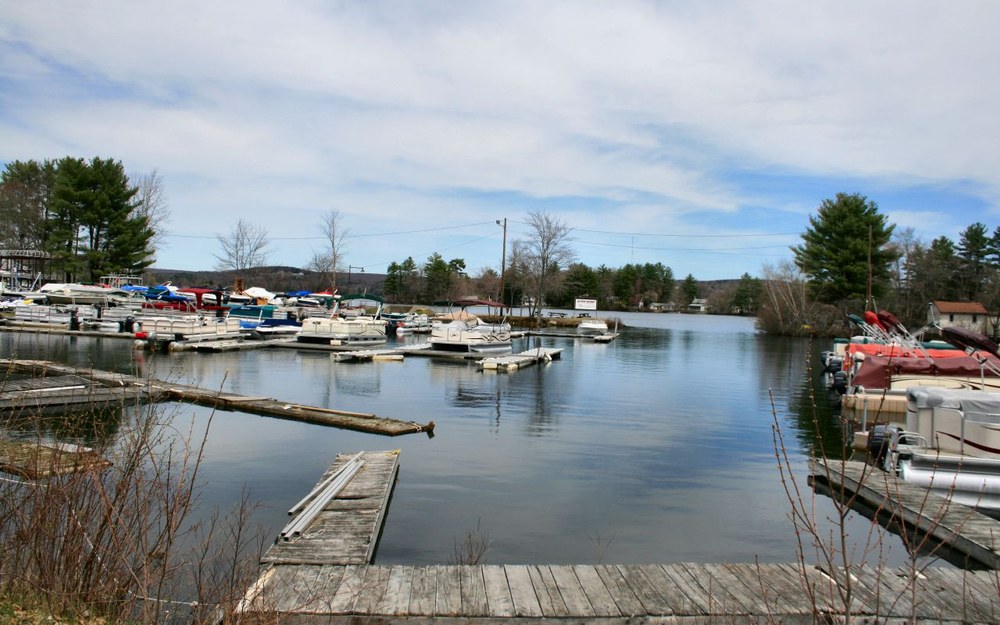
Photo: Docks and open waters of Lake Chaubunagungamaug (Webster Lake) near Memorial Beach in Webster, Worcester County, MA (Wikimedia Commons / CC BY-SA 2.0).
📍 Memorial Beach State Boat Ramp, Webster Lake (GPS: 42.0402, -71.8488)
7. Charles River: Watertown Dam to Galen Street Basin (Middlesex County)
For anglers in Greater Boston, the Charles River offers an unexpectedly robust urban catfishing fishery. At the Watertown Dam, the freshwater Charles terminates before transitioning toward the tidal Charles River Basin. The deep plunge pool below the dam spillway (8 to 18 feet deep) and the bridge abutments around Watertown Square hold impressive numbers of channel catfish up to 14 pounds, along with abundant brown bullhead.
Urban cats in the Charles feed heavily on fallen insects, panfish fry, and forage scraps. Medium-heavy spinning gear spooled with 30lb braid handles the close-quarters casting needed around concrete walls, fallen willows, and bridge pilings. Bank access is continuous along the Watertown Riverfront Park trails. Use commercial blood/cheese dip bait or garlic chicken breast chunks on a sponge treble hook to generate strong scent trails in slow river pools.
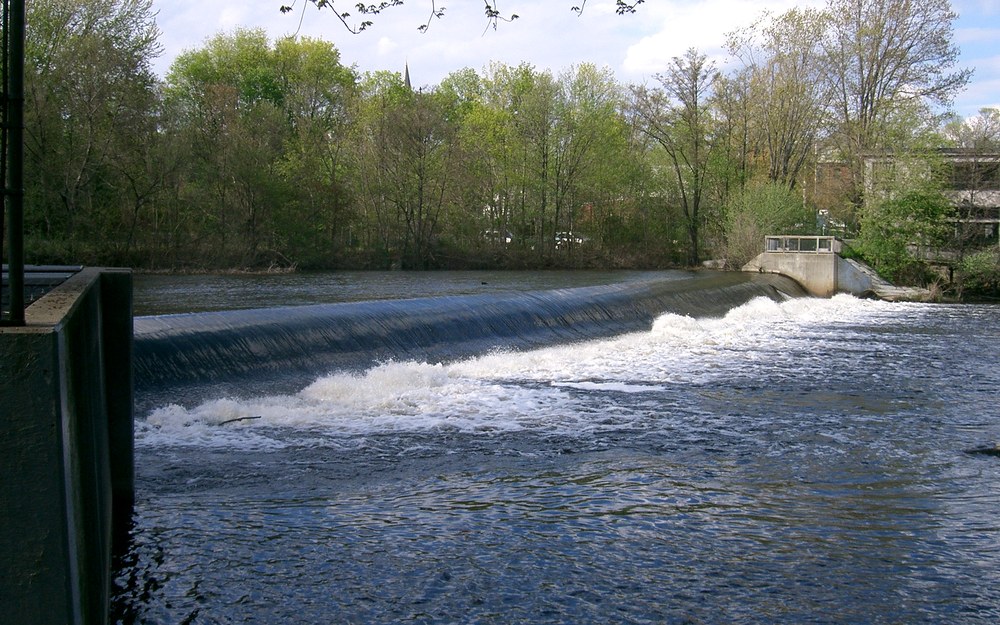
Photo: Watertown Dam spillway and tailrace pool on the Charles River looking toward Galen Street in Watertown, Middlesex County, MA (Wikimedia Commons / CC BY-SA 3.0).
📍 Watertown Dam Promenade & DCR Launch, Watertown (GPS: 42.3688, -71.2185)
8. Chicopee River: Three Rivers Impoundment & Red Bridge Tailrace (Hampden County)
The Chicopee River, formed by the junction of the Quaboag, Ware, and Swift Rivers at Three Rivers (Palmer), is the largest tributary of the Connecticut River basin in Massachusetts. Downstream at the Red Bridge Hydroelectric Project in Ludlow and Wilbraham, the river forms a fertile 14- to 22-foot deep pool before spilling over granite rapids into deep gravel runs.
Channel catfish hold along the seams where high-oxygen tailrace current collides with the slower main impoundment. Bank anglers can walk the shoreline below the hydroelectric station or launch small car-top boats and kayaks from the public access off Red Bridge Road. Rig with 3 oz bank sinkers and fresh cut sucker or white perch chunks to hook hard-fighting river channel cats.
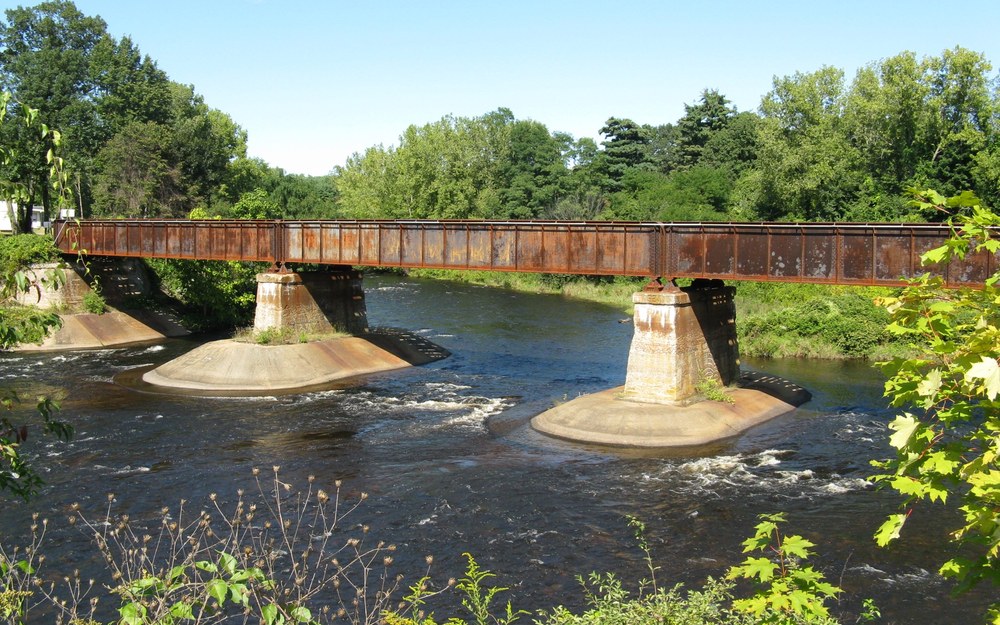
Photo: Chicopee, Ware, and Quaboag river confluence basin and granite railway crossing in Three Rivers / Palmer, Hampden County, MA (Wikimedia Commons / CC BY-SA 3.0).
📍 Three Rivers Hydro Pool & Red Bridge Launch, Palmer (GPS: 42.1793, -72.4172)
Field-Tested Tackle & Rigging: The Massachusetts Loadout
Landing heavy river channel cats in the Connecticut River’s raging turbine tailraces requires significantly stouter equipment than targeting bullhead in quiet kettle ponds. The table below outlines our recommended rods, reels, lines, and terminal tackle tested specifically in Massachusetts waterways.
| Gear Component | Recommended Model | Exact Spec (Power / Ratio / LB) | Why It Works in Massachusetts | Check Live Price |
|---|---|---|---|---|
| River Catfish Rod | Ugly Stik Catfish Special | 7’6″ Heavy / Moderate-Fast Action | Unbreakable composite blank handles 5 oz lead & heavy Connecticut River current | |
| Heavy Baitcasting Reel | Abu Garcia Ambassadeur 6500 C3 | 5.3:1 Ratio / Carbon Matrix Drag (15 lb) | Classic brass gearing with loud line alarm clicker for night bank sets | |
| Heavy Spinning Reel | Penn Battle IV 6000 | 5.6:1 Ratio / HT-100 Carbon Drag (25 lb) | Full metal body stops 20lb channel cats in high-volume Merrimack currents | |
| Mainline Braid | PowerPro Spectra Braid | 65 lb Test (0.41mm / 16lb mono diameter) | Zero stretch delivers instant hooksets; thin diameter cuts deep river currents | |
| Terminal Hooks | Gamakatsu Octopus Circle Hooks | Size 6/0 to 8/0 (Forged Convrg Tip) | Auto-corners in catfish mouth jaw hinges without gut-hooking; 100% catch-and-release safe |
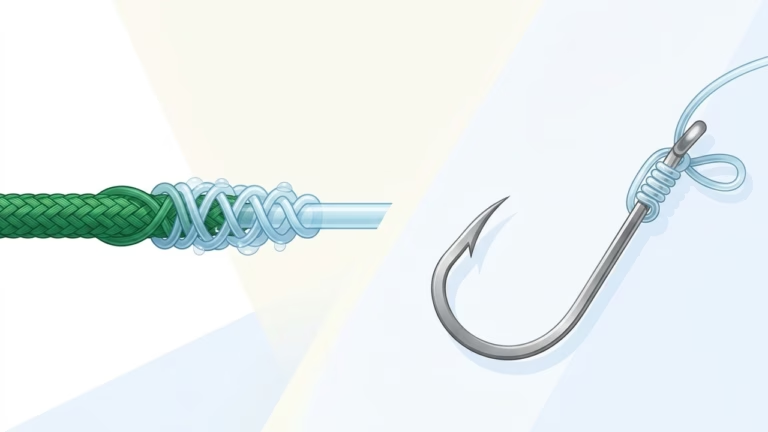
Need to calculate exact spool capacity and mono backing yardage when rigging your reel? Check our free Fishing Reel Line Capacity & Backing Calculator. To test your connection knots (Palomar vs. Uni-to-Uni) before challenging heavy river current, refer to our lab-tested Fishing Knot Strength & Line Matcher Tool.
Massachusetts Catfish Waterway & Rig Blueprint (Visual Guide)
Below is our complete field-tested visual blueprint illustrating the target depth zones across top Massachusetts waters, terminal rig schematics (Santee Cooper vs. Hornpout Double-Drop), and the 2026 MassWildlife regulatory framework.
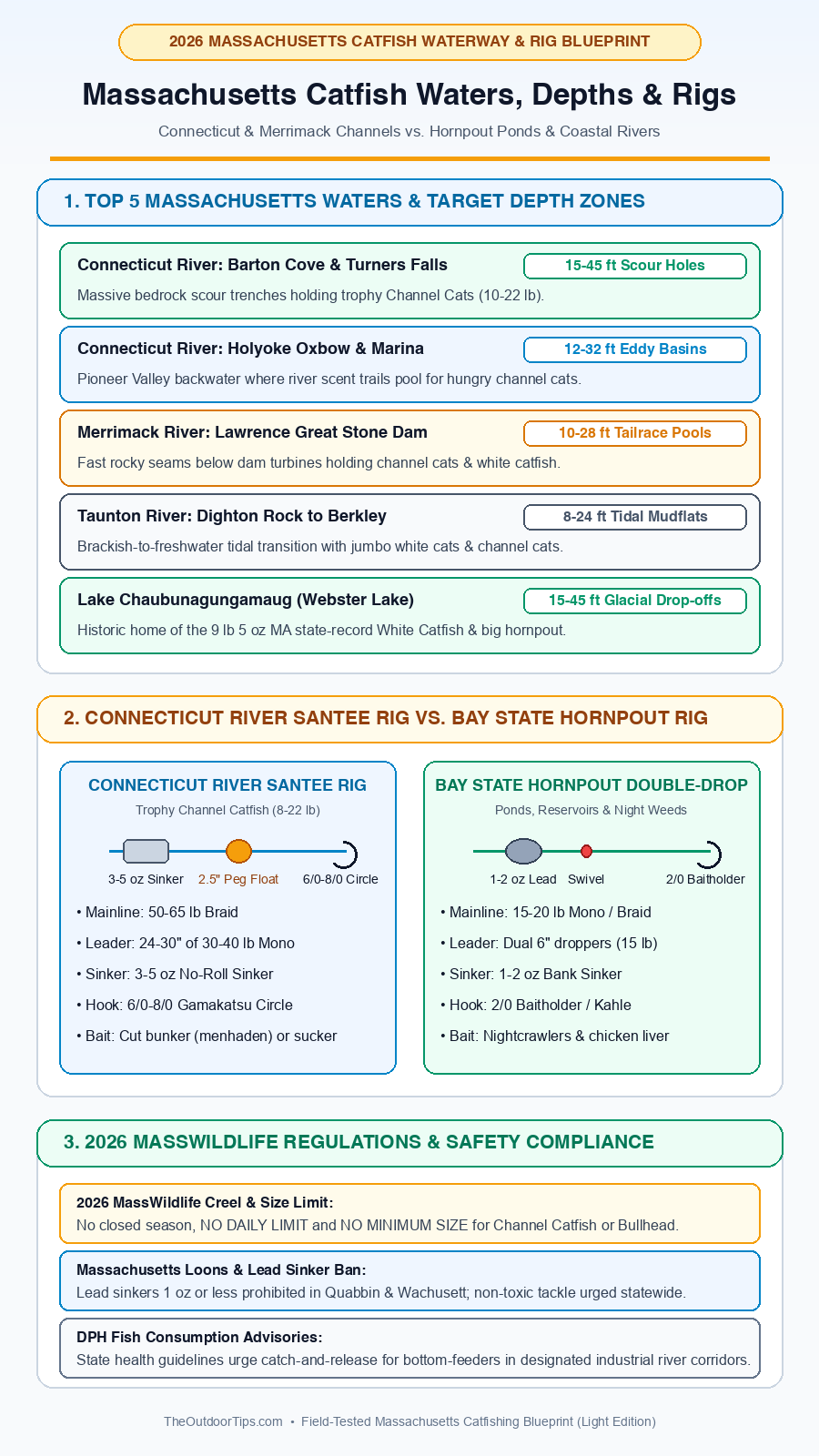
Click the blueprint image above to expand full 9:16 high-resolution view for mobile field reference.
Rigging & River Techniques: Holding Heavy Water
Fishing the Connecticut and Merrimack Rivers requires specific boat positioning and rig stability. Channel catfish in high-flow waterways position themselves directly on the downstream edges of bottom irregularities—such as submerged rock ledges, bridge pilings, or sunken timber. They let the current deliver disoriented forage directly to their whiskers.
Watch how tournament river anglers read heavy current seams and anchor slip rigs along deep scour drop-offs.
When tying the Santee Cooper Rig for Massachusetts river currents, keep your leader length between 24 and 30 inches of 30lb to 40lb abrasion-resistant monofilament. Slide a 2.5-inch peg float 3 to 4 inches above your circle hook. The float elevates your bait just enough to clear bottom debris and avoid getting buried under moving gravel. Never use active J-hooks that require an aggressive hookset; allow the circle hook to rotate naturally into the corner of the fish’s mouth as the rod bends in the rod holder.
For quiet night runs targeting brown bullhead (“hornpout”) on ponds like Long Pond, Assawompset, or Webster Lake, keep terminal tackle lightweight. A sensitive 6’6″ medium-power rod paired with a 2500-size spinning reel, 15lb braid, and a double-hook high-low dropper loop with size 2 baitholder hooks baited with garden worms will register the subtlest bullhead taps.
Massachusetts Catfishing Bait Selection: River vs. Pond
Dietary habits of Massachusetts catfish change markedly between riverine and lacustrine environments:
- Fresh Cut Atlantic Menhaden (“Bunker”): The undisputed #1 bait for trophy channel catfish in the Connecticut and Merrimack Rivers. Its intense oil concentration and bloody flesh disperse powerful scent trails down river scour holes. Available fresh at coastal bait shops from May through October.
- Cut White Sucker & River Herring: Native prey species in Pioneer Valley rivers. Cut fresh into 2×2-inch steaks with the gut pocket intact. (Note: Ensure any herring used complies with current MassWildlife river herring possession moratoria—use certified store-bought ocean herring).
- Canadian Nightcrawlers: The definitive bait for brown and yellow bullhead (“hornpout”). Thread two large worms onto a size 2 hook, leaving the tails dangling to create active wriggling vibrations.
- Garlic Chicken Breast: Cut boneless chicken breast into 1-inch cubes and marinate overnight in minced garlic and cherry Kool-Aid. Extremely resilient against nuisance sunfish and stays securely on the hook in high current.
To compare commercial dip baits, stink baits, and live bait performance across seasonal water temperatures, review our comprehensive Best Catfish Baits Guide.
2026 MassWildlife Fishing Regulations & Angler Advisories
Before launching on Massachusetts waters, familiarize yourself with official MassWildlife (Massachusetts Division of Fisheries & Wildlife) regulations:
- Season: Open year-round on all inland public waters (unless otherwise posted under local water supply regulations).
- Daily Creel & Size Limits: Under statewide warmwater regulations, there is NO DAILY LIMIT and NO MINIMUM SIZE LIMIT for Channel Catfish, White Catfish, Brown Bullhead, or Yellow Bullhead.
- Lead Sinker Conservation Restrictions: In Massachusetts, the use of lead sinkers and lead jigs weighing 1 ounce or less is strictly prohibited in Quabbin Reservoir and Wachusett Reservoir to protect common loons from lead poisoning. Anglers are strongly urged to utilize non-toxic steel, bismuth, or tungsten weights statewide.
- License Requirements: A valid Massachusetts Freshwater Fishing License is required for all anglers aged 15 and older. Licenses can be purchased online via MassFishHunt.
- Department of Public Health (DPH) Consumption Advisories: The Massachusetts DPH maintains site-specific consumption advisories for bottom-feeding fish in certain historical industrial rivers (including sections of the lower Merrimack, urban Charles River, and Housatonic). We practice and recommend strictly catch-and-release for trophy river channel catfish.
Frequently Asked Questions (Massachusetts Catfishing)
What is the best time of year to catch catfish in Massachusetts?
The prime bite window for channel catfish and white catfish runs from late May through September, when water temperatures reach 65°F to 78°F. Post-spawn feeding in late June and July offers the most consistent daytime and twilight action. For brown bullhead (“hornpout”), the famous night bite begins immediately following April ice-out and peaks during May and June evenings.
What is the Massachusetts state record for catfish?
The Massachusetts state record for Channel Catfish is 26 pounds, 8 ounces, caught from the Connecticut River in 1989 by Kevin Gray. The state record for White Catfish is 9 pounds, 5 ounces, caught in Lake Chaubunagungamaug (Webster Lake) in 1987 by Joseph Holbrook. The state record Brown Bullhead stands at 5 pounds, 5 ounces.
Do I need a special permit for night fishing in Massachusetts?
No special night fishing permit is required by MassWildlife; your standard freshwater fishing license permits 24-hour angling on public waters. However, municipal parks, state reservation gates (DCR properties), and town boat ramps may have local vehicle parking curfews. Always check posted access signs or launch from 24-hour public state boat ramps like Barton Cove or Oxbow.
Are channel catfish native to Massachusetts?
No. Channel catfish (*Ictalurus punctatus*) were introduced into the Connecticut and Merrimack River drainages through historic stocking in the 1960s and 1970s. They are now fully naturalized and self-sustaining apex predators. Native catfish species in Massachusetts include the Brown Bullhead (*Ameiurus nebulosus*) and White Catfish (*Ameiurus catus*).