In our summer tailrace drift logs anchoring heavy no-roll rigs below John Martin Dam and soaking fresh-cut gizzard shad steaks along the sheer submerged shale walls of Lake Pueblo after midnight, we have repeatedly watched anglers pull trophy-class whiskerfish out of waters best known by tourists for alpine trout. Across the Centennial State’s wind-swept Eastern Plains, Front Range metro foothills, and southern Arkansas River valley impoundments, the best catfish fishing spots in Colorado quietly shelter heavyweight populations of channel, blue, and flathead catfish reaching 25 to 40+ pounds. Headlined by Aurora Reservoir’s astonishing 43 lb 6 oz state-record channel catfish and reinforced by thriving warmwater shad fisheries from Loveland south to Bent County, serious colorado catfishing delivers explosive rod-bending battles without crowded river elbows.
Pursuing trophy catfish in colorado rewards anglers who adapt terminal tackle to sharp Front Range hydrology, stiff prairie winds, and dramatic thermocline swings between snowmelt inflow and late-August drawdown. While shallow plains reservoirs like Jackson and North Sterling respond best to 1.5- to 2.5-ounce sliding rigs baited with cut suckers, crawfish, or garlicky liver along muddy inlet shelves, deep rocky basins like Lake Pueblo demand heavy 65-pound braided mainline and elevated Santee Cooper rigs to lift cut shad above jagged limestone boulders and flooded tamarisk brush. In this 2026 field manual, our veteran state guides compile verified boat ramp GPS coordinates, seasonal depth contours, rig schematics, and official Colorado Parks and Wildlife (CPW) rules across Colorado’s top eight catfish waters.
✔ CPW Regs & Boat Ramps Verified
Colorado Catfish Fisheries Snapshot: Records, Gear & Seasonality
Top 8 Colorado Catfish Waterways Matrix (GPS & Boat Ramp Directory)
Before hitching the boat or packing shore stakes across the Front Range and Eastern Plains, match your terminal setup and access logistics to each Colorado basin. State Park impoundments like Pueblo, Boyd, and Chatfield enforce mandatory Aquatic Nuisance Species (ANS) boat inspections and seals at every concrete launch, whereas the Lower Arkansas River below John Martin Dam rewards walk-in tailrace wading and night bank soaking. Consult our verified directory below for exact ramp coordinates and seasonal target zones.
| Waterway & Region | Primary Species | Best Season | Access Type | Prime Depth & Structure | Boat Ramp / Access Map |
|---|---|---|---|---|---|
| Lake Pueblo State Park (Pueblo County • Arkansas Basin) |
Channel Catfish, Blue Catfish (to 25+ lb), Flathead (to 30+ lb) | May – October (24-Hr Bank / Boat) | Paved State Park Ramps & Shoreline Trails | 15–45 ft shale bluffs, Kettle Creek coves & Arkansas inlet |
📍 Google Maps ↗ |
| John Martin Reservoir (Bent County • Southeast Plains) |
Channel Catfish, Blue Catfish, Flathead Catfish | April – September (Nocturnal Peak) | Concrete State Park Ramps & Levee Banks | 10–32 ft Arkansas River bends, flooded timber & Caddoa Creek |
📍 Google Maps ↗ |
| Aurora Reservoir (Arapahoe County • Front Range) |
Trophy Channel Catfish (43 lb 6 oz CO State Record) | June – September (Daylight / Dusk) | Electric-Only Boat Ramp & Dam Shoreline | 12–35 ft rock dam riprap, submerged weedlines & south coves |
📍 Google Maps ↗ |
| Boyd Lake State Park (Larimer County • Northern Front Range) |
Channel Catfish (3–18 lbs), Black Bullhead | May – September (Evening / Night) | Paved Ramp, Marina & East/West Banks | 8–24 ft inlet bay silt drops, Heron Cove rock humps |
📍 Google Maps ↗ |
| Chatfield Reservoir (Douglas & Jefferson • Denver Metro) |
Channel Catfish (2–16 lbs), Bullhead | May – October (Dawn / Night Banks) | North/South Boat Ramps & Plum Creek Shore | 8–26 ft South Platte inlet delta, Kingfisher Point flats |
📍 Google Maps ↗ |
| North Sterling State Park (Logan County • Northeast Plains) |
Channel Catfish (4–20+ lbs), Wiper Bycatch | May – September (24-Hr Camping) | Balanced Rock Boat Ramp & Bank Coves | 8–25 ft Inlet Canal shelf, Cunningham Arm mud ledges |
📍 Google Maps ↗ |
| Jackson Lake State Park (Morgan County • South Platte Plains) |
Channel Catfish (High Volume, to 15 lbs) | April – September (Shallow Night Bite) | West Shore Ramp & Walk-In Mud Flats | 6–18 ft outlet canal riprap, submerged willow brush flats |
📍 Google Maps ↗ |
| Lower Arkansas River: Dam to Lamar (Bent & Prowers Counties • Tailrace) |
Flathead Catfish (to 30+ lb), Channel Catfish | May – October (Evening & Night) | Lake Hasty Tailrace Park & Bridge Crossings | 6–18 ft stilling basin boulders, undercut cottonwood holes |
📍 Google Maps ↗ |
In-Depth Breakdown: The 8 Best Catfish Fishing Spots in Colorado
1. Lake Pueblo State Park: Arkansas River Inlet & Kettle Creek (Pueblo County)
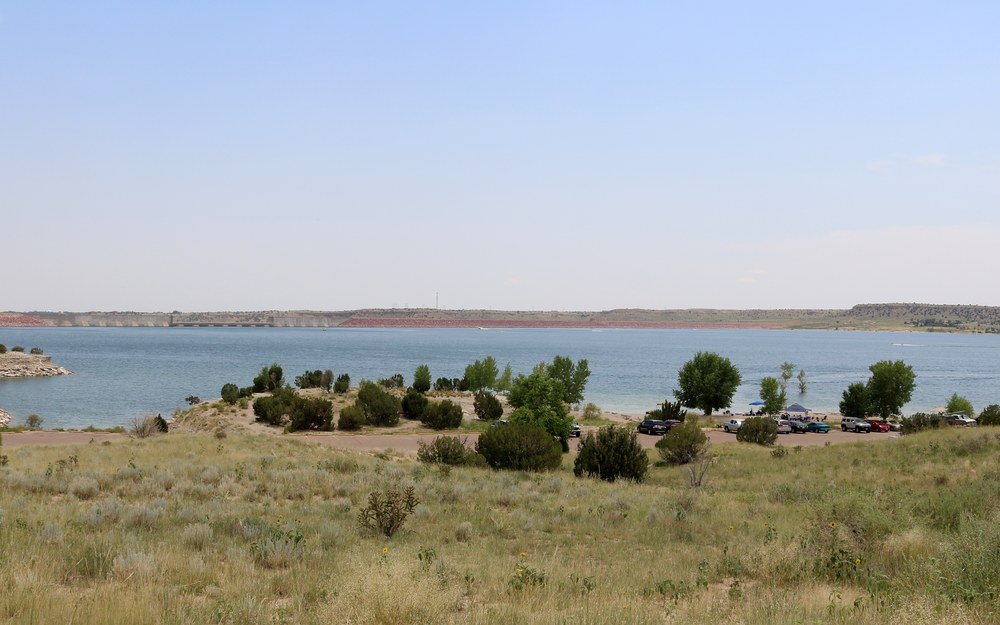
Photo: Lake Pueblo State Park in southern Colorado — holding Colorado’s 30 lb 1 oz state-record flathead, 25 lb 2 oz blue catfish, and massive shad-fed channel cats.
📍 North Shore Marina Boat Ramp Lake Pueblo State Park CO (GPS: 38.2680° N, 104.7560° W)
Target Species: Blue Catfish (10–25+ lbs), Flathead Catfish (15–30+ lbs), Channel Catfish (3–18 lbs)
Productive Depth: 15–45 ft shale point drop-offs, Arkansas River channel & Kettle Creek shelves
Prime Structure: Eroding limestone shale ledges, drowned juniper flats, Boggs Creek coves
Top Bait: Freshly cast-netted or cut gizzard shad, common carp fillets, live legal fatheads/chubs
Angler Field Log: Pueblo is the only Front Range impoundment where anglers regularly catch a legitimate catfish grand slam—blue, flathead, and heavy channel cats in the same night. We mark stacked gizzard shad schools on side-imaging off the 28-foot shelf near Kettle Creek before sundown, then anchor upwind and elevate cut shad on 2-inch Santee Cooper peg floats above the razor-sharp limestone shale.
Spanning over 4,600 surface acres along the Arkansas River immediately west of Pueblo, Lake Pueblo State Park reigns supreme as Colorado’s multi-species trophy catfish capital. Built by the U.S. Bureau of Reclamation in 1975, Pueblo benefits from a long southern growing season, extensive gizzard shad forage base, and rugged canyon topography lined with submerged boulders and eroded shale cliffs. It is no coincidence that Lake Pueblo holds both Colorado’s standing state-record Flathead Catfish (30 lbs 1 oz) and Colorado’s state-record Blue Catfish (25 lbs 2 oz), with heavier blue catfish from CPW’s aggressive stocking cycles threatening that mark every summer.
Pinpointing Pueblo’s biggest predators starts by understanding the seasonal contrast between the turbulent upper Arkansas River inlet mudline and the deep main-basin shale bluffs near North Shore and South Shore marinas. From mid-May through June, warming river discharge floods the western basin near Kettle Creek and Rock Canyon, washing crayfish and baitfish across 10- to 20-foot flooded timber flats. Here, flatheads ambush prey tight against sunken boulder talus and tree stumps after 9:00 PM. By late July and August, hot surface layers push big blues and channels onto deep 25- to 42-foot channel bends off Turkey Creek and Boggs Creek flats.
Standard monofilament frays against Pueblo’s abrasive limestone shelves within minutes of a strike. Spool casting outfits with 65-pound braided mainline, tie a 30-inch 50-pound abrasion-resistant mono leader, and elevate oily cut gizzard shad chunks using a 2-inch cigar float pegged 6 inches ahead of an 8/0 inline circle hook. Bank anglers without trailered boats score heavily along the rocky shoreline east of the Sailboard Launching Area and off Rock Canyon bluffs at twilight. Note that Lake Pueblo is subject to fierce afternoon down-canyon gusts and strictly enforces daytime ANS boat seal inspections before boaters reach the water.
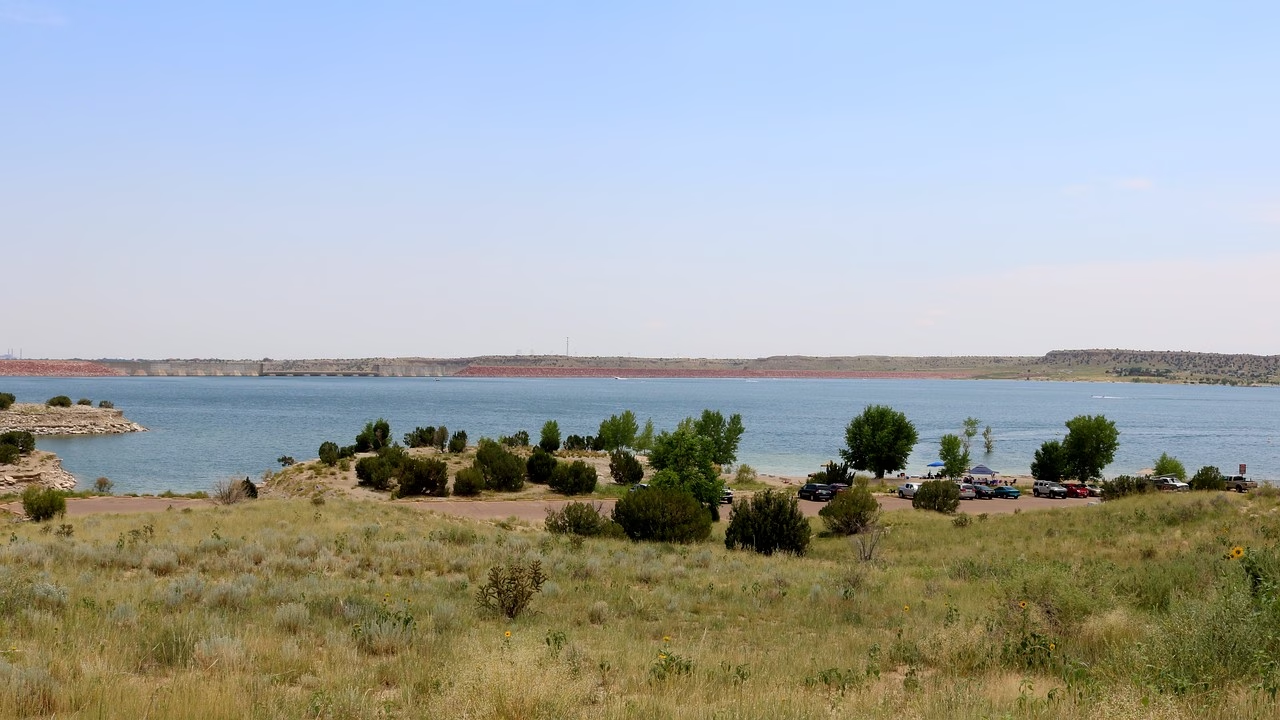
2. John Martin Reservoir State Park: Arkansas Arm & Caddoa Creek (Bent County)
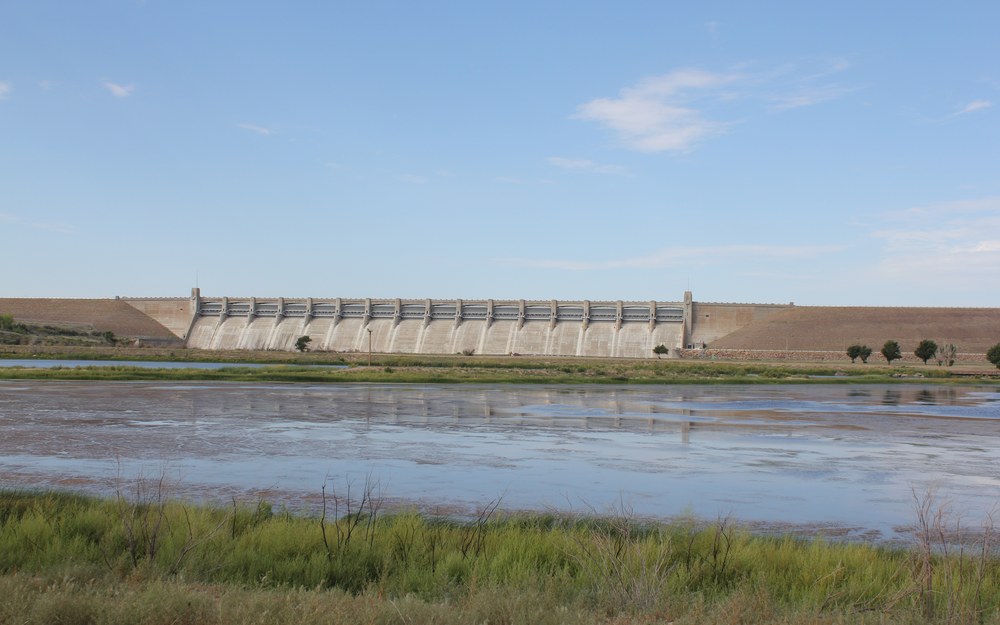
Photo: John Martin Reservoir on Colorado’s southeastern plains — warm muddy inflows, flooded salt cedar flats, and trophy blue, channel, and flathead catfish.
📍 Lake Hasty Boat Ramp John Martin Reservoir State Park CO (GPS: 38.0650° N, 102.9360° W)
Target Species: Blue Catfish (to 25+ lbs), Channel Catfish (4–20 lbs), Flathead Catfish
Productive Depth: 10–32 ft upper Arkansas inflow bends, Caddoa Creek channel & main dam riprap
Prime Structure: Submerged cottonwood skeletons, main dam granite face, flooded tamarisk flats
Top Bait: Cut gizzard shad fillets, fresh carp chunks, garlic chicken liver, waterdogs/crawfish
Angler Field Log: Because John Martin swells and drops sharply with Kansas-Colorado irrigation compact releases, pay close attention to fresh shoreline inundation. Whenever summer water pushes up over dried salt-cedar flats and prairie weeds along the southern Caddoa Creek bay, channel and blue catfish swarm into 6-foot muddy water before midnight to raid trapped frogs, beetles, and baitfish.
Located between Las Animas and Lamar on Colorado’s sun-drenched southeastern plains, John Martin Reservoir transforms into an expansive 10,000+ acre warmwater oasis whenever snowmelt and plains rains replenish the lower Arkansas River valley. Thanks to intense summertime heating, high turbidity, and prolific gizzard shad reproduction, John Martin supports rapid whiskerfish growth rates—producing heavy-shouldered 10- to 20-pound channel cats, abundant blue catfish stocked to expand trophy potential, and bruiser flatheads patrolling old flooded river timber.
Unlike urban Front Range lakes lined with manicured concrete paths, John Martin delivers rugged, low-pressure plains fishing where miles of riprap dam face and winding south-shore bays sit untouched after dusk. During stable summer pool levels, run your electronics out from the main dam shoreline looking for the deep original Arkansas riverbed winding past submerged bridge pilings and flooded cottonwood rows in 18 to 30 feet of water. When irrigation drawdown shrinks the reservoir late in July and August, concentrate right along the southern dam boulder riprap, where wind-driven waves slam oxygenated shad schools tightly against rocky crevices.
To hold bottom efficiently against high-plains afternoon winds and avoid tangled driftwood in shallow timber bays, rig 3-ounce flat no-roll sinkers above a 150-pound barrel swivel and 40-pound fluorocarbon leader. Night bank campers along the Point Campground and south inlet levees consistently hook double-digit catfish casting whole fresh shad heads or large salted crawfish out 40 yards past the submerged weed edge. Before towing a boat onto this wind-swept plains giant, always check daily marine forecasts and current launch ramp water depth via CPW park bulletins.
3. Aurora Reservoir: Dam Riprap & Southern Coves (Arapahoe County)
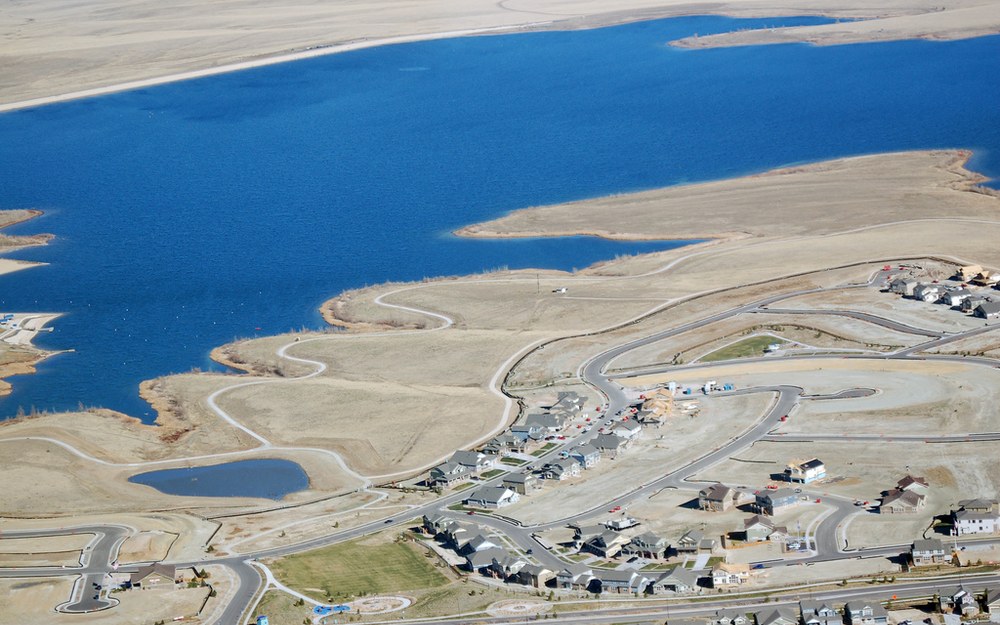
Photo: Aurora Reservoir on the eastern Denver Metro edge — clear deep-water home of Colorado’s astonishing 43 lb 6 oz state-record channel catfish.
📍 Aurora Reservoir Boat Ramp Aurora CO (GPS: 39.6150° N, 104.6680° W)
Target Species: Trophy Channel Catfish (8–35+ lbs; 43 lb 6 oz CO State Record)
Productive Depth: 12–35 ft northern dam riprap ledges, SCUBA cove drop-offs & south point rock piles
Prime Structure: Steep engineered dam riprap, submerged aquatic weedlines, sunken rocky points
Top Bait: Whole frozen smelts, cut rainbow trout strips, crawfish tails, jumbo nightcrawlers
Angler Field Log: Aurora Reservoir imposes electric-only boating rules and shuts gates tightly at sunset—meaning you cannot rely on nocturnal runs here. Instead, capitalize on murky low-light dusk windows along the north dam riprap edge or fish cloudy, windy afternoons with clean natural baits (trout cut bait or whole smelts) on long 25-pound fluorocarbon leaders to fool hyper-selective clear-water giants.
Sitting just southeast of Denver International Airport near Senac Creek, 800-acre Aurora Reservoir defies every conventional rule about how big channel catfish can grow in high-elevation Front Range reservoirs. Because Aurora operates strictly as an off-stream municipal drinking-water facility prohibiting gas motors and night camping, its trophy catfish grow old in deep, clear water gorging on stocked rainbow trout, yellow perch, and crawfish. In 2010, angler Jessica Walton shattered the state record book by cranking an unbelievable 43 lb 6 oz channel catfish out of Aurora Reservoir—a fish dwarfing the average channel cat across most western states.
Targeting Aurora’s heavyweights requires finesse rather than brutal heavy-current hardware. During bright mid-day hours from June through September, giant channel cats hug the deep shadows along the massive northwest dam face and deeper 25- to 38-foot rock shelves bordering the sunken swim beach and SCUBA park. As low-angle afternoon sunlight dips or choppy east winds stir suspended silt onto the shallow weedline ledges along the southern coves, double-digit channel cats slide up into 12 to 20 feet of water to cruise right parallel to the weed edge.
Because Aurora water clarity commonly exceeds six to ten feet and trout fishing sees steady traffic, clunky steel leaders or giant Day-Glo bobbers scare off veteran 20-pound fish. Tie a clean 1.5-ounce sliding egg sinker above a compact 1/0 swivel and deploy a 30-inch length of 20- to 25-pound fluorocarbon leader pinned with a sharp 4/0 or 5/0 circle hook baited with fresh-cut trout or salted smelt. Bank casters find effortless foot-path access across the main dam walkway and west shoreline points—review our Fishing Knot Strength & Line Matcher to keep lighter fluorocarbon terminal knots at 95%+ efficiency around jagged dam riprap.
4. Boyd Lake State Park: Inlet Bay & Heron Cove (Larimer County)
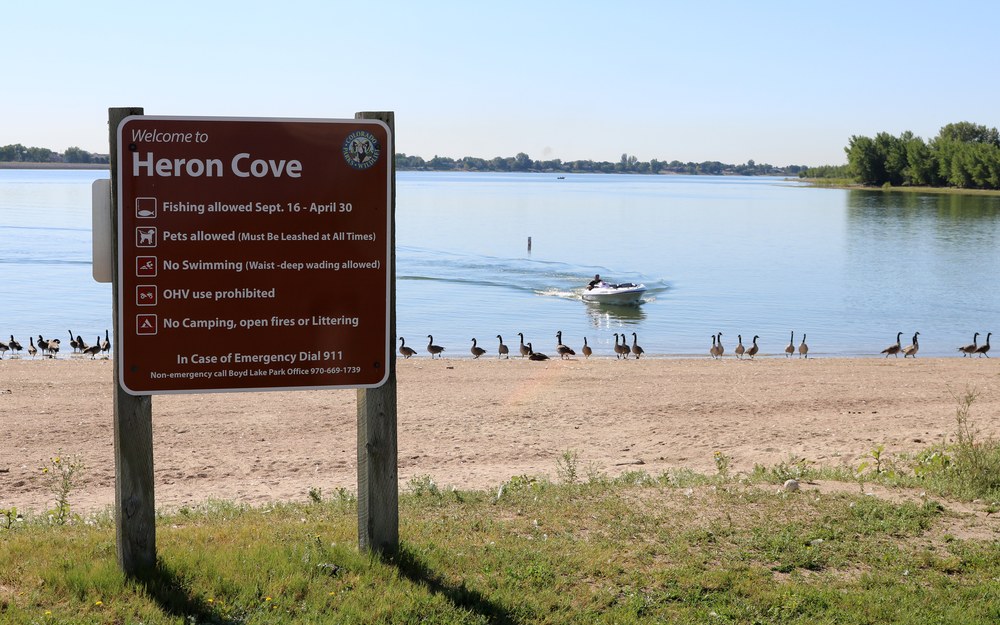
Photo: Boyd Lake State Park near Loveland — shallow warmwater coves, rocky roadbeds, and fast nighttime action for Northern Colorado channel catfish.
📍 Boyd Lake State Park Boat Ramp Loveland CO (GPS: 40.4320° N, 105.0390° W)
Target Species: Channel Catfish (3–18 lbs), Black Bullhead
Productive Depth: 8–24 ft North Inlet bay flats, Heron Cove submerged humps & marina rock jetties
Prime Structure: Irrigation ditch inflows, flooded cottonwood flats, west-shore sand points
Top Bait: Cut common carp, chicken liver in spawn mesh, fresh shad/sucker strips, stink bait
Angler Field Log: Boyd Lake comes alive the exact hour daytime wake boats clear out after dusk. Set up near the northwest irrigation inlet bay or off the Heron Cove submerged point in 10 to 14 feet of water between June and August, casting two rods with 2-ounce flat sinkers and fresh carp chunks right along the muddy weedline margin.
Tucked along the foothills corridor immediately northeast of Loveland in Larimer County, 1,700-acre Boyd Lake State Park serves as Northern Colorado’s premier summer warmwater catfishing hub. While daytime temperatures heat the shallow western flats quickly in May and June, nutrient-rich irrigation flows diverted off the Big Thompson watershed keep Boyd flush with gizzard shad, yellow perch, and crayfish—fueling strong year-classes of chunky 4- to 15-pound channel catfish.
Early-season action starts tightly in the shallow north inlet basin and along the warm muddy bays flanking Heron Cove, where 6- to 12-foot flats hold the warmest water in Larimer County. As full summer recreation ramps up across July, afternoon boat wakes push mature channel cats slightly deeper along the old submerged dike lines and off rocky riprap jetties protecting the main marina harbor. Once dusk quiets the lake surface, big cats slide straight back onto sand-and-silt feeding shelves in under 12 feet of water.
Because Boyd features long gentle slopes rather than abrupt cliff walls, shore anglers wading out lightly or casting 50 yards off the Cottonwood Campground banks enjoy nearly identical catch rates to boaters. Pack a reliable spinning setup matched through our Fishing Rod Power & Action Matcher Quiz (medium-heavy 7’0″ blank with 20 lb line), carry garlic chicken livers wrapped cleanly inside spawn-netting mesh sacks, and make sure you carry an active CPW Second Rod Stamp to fish twin bait rods legally off shore.
5. Chatfield Reservoir: South Platte River Inlet & Plum Creek (Douglas & Jefferson Counties)
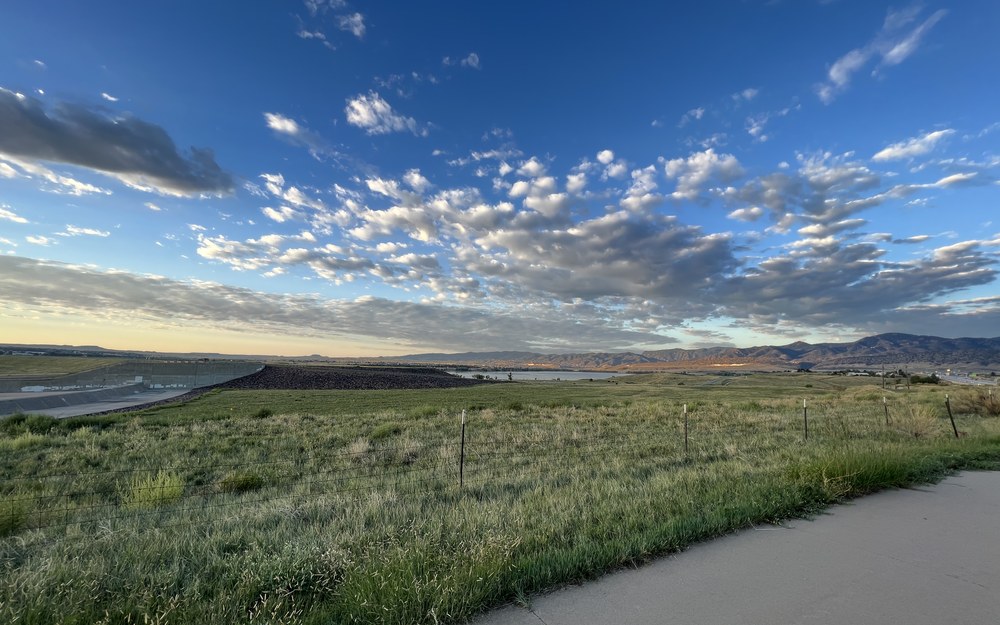
Photo: Chatfield Reservoir in the south Denver Metro area — dual river inlets at Plum Creek and the South Platte feed prolific channel catfish populations.
📍 Chatfield State Park North Boat Ramp Littleton CO (GPS: 39.5390° N, 105.0680° W)
Target Species: Channel Catfish (2–16+ lbs), Black Bullhead
Productive Depth: 8–26 ft South Platte inlet delta, Plum Creek drowned flats & Gravel Pond channels
Prime Structure: Submerged cottonwood logjams, inundated willow flats, Kingfisher Point
Top Bait: Fresh cut sucker or carp steaks, nightcrawler gobs, shrimp, garlic-dipped liver
Angler Field Log: Following Chatfield’s water-storage reallocation project, miles of freshly flooded willow scrub along the Plum Creek arm created textbook warmwater ambush cover. Pitch light 1-ounce no-roll sinkers baited with fresh sucker fillets tight to flooded willow points near the southern delta mouth at twilight—stay ready to pull hard immediately upon bite to keep cats out of drowned branches.
Cradled against the mouth of Waterton Canyon just south of Littleton, 1,400+ acre Chatfield Reservoir is Denver’s most accessible big-channel-catfish playground. Fed directly by both the South Platte River entering from the west and Plum Creek flowing in from the south, Chatfield maintains rich alluvial deltas carpeted in flooded trees, gravel shoals, and sprawling mudflats that attract heavy schools of foraging catfish from May right through October.
The upper Plum Creek bay and the broad delta mudline where the South Platte slows into the main pool hold the greatest concentration of active feeders. During late-spring snowmelt runoff and after summer afternoon thunderstorms, turbid, food-laden water flushes through these dual inlets, sparking aggressive midday feeding sprees even under bright sky. Boaters drifting silently through the submerged tree stumps along Kingfisher Point in 10 to 18 feet of water frequently score multi-fish mornings using fresh cut carp and gizzard shad.
Shore anglers benefit from smooth paved bike paths, wooden fishing piers near Roxborough Cove, and open gravel banks bordering the South Boat Ramp parking lots. Note that Chatfield enforces seasonal park curfews unless you hold a registered campsite inside the park—camping right at Chatfield Campground unlocks undisturbed dawn and post-sunset rigging windows while jet-skiers sit parked ashore. Always pass the mandatory CPW ANS boat check at the ramp before launching watercraft.
6. North Sterling State Park: Inlet Flats & Cunningham Arm (Logan County)
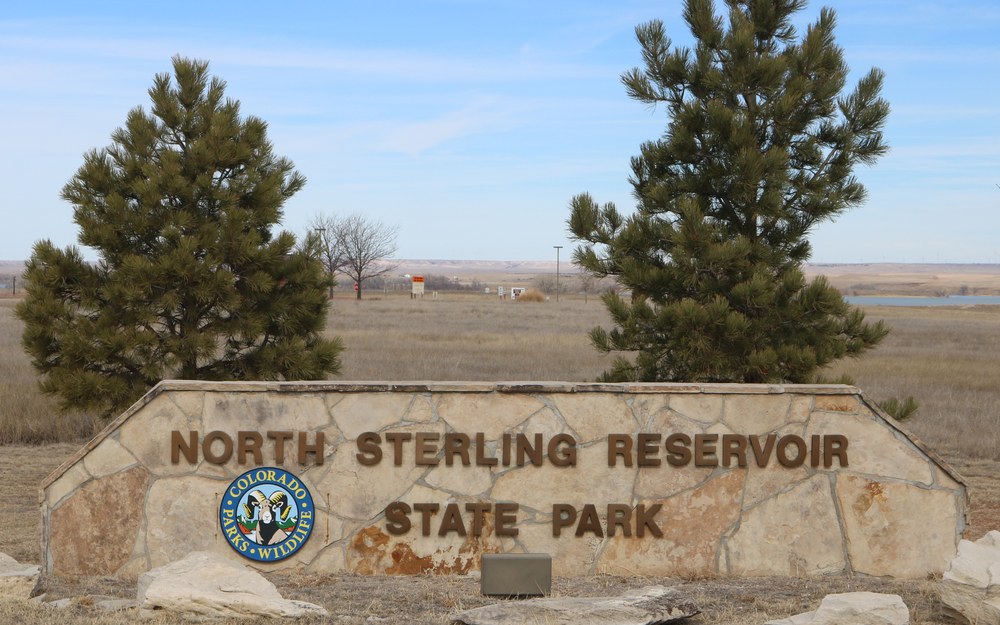
Photo: North Sterling Reservoir in Logan County — high-plains sandstone bluffs, winding inlet arms, and big plains channel catfish.
📍 Balanced Rock Boat Ramp North Sterling State Park CO (GPS: 40.7780° N, 103.2680° W)
Target Species: Heavy Channel Catfish (4–22 lbs), Black Bullhead
Productive Depth: 8–25 ft Inlet Canal shelf, Balanced Rock cove & Cunningham Arm rock points
Prime Structure: Eroded sandstone ledges, irrigation canal discharge plumes, submerged creek channels
Top Bait: Cut shad/wiper belly strips, fresh crawfish, chicken liver, fermented stink bait
Angler Field Log: North Sterling’s sprawling western Inlet Canal pumps South Platte water directly into shallow plains coves during spring and early summer. When that inlet canal is flowing strongly, anchor 100 yards out from the current tongue in 12 feet of water—channel catfish line up like freight trains waiting for washed-in forage and smash cut shad before your weight finishes settling.
Carved into wind-scoured prairie bluffs twelve miles north of Sterling in Logan County, 2,880-acre North Sterling State Park is arguably the most under-fished heavyweight channel catfish destination on Colorado’s Northeastern Plains. Though locals flood the dam for spring walleye and summer wiper boils, North Sterling’s warm stained water, rocky coves, and dense forage base grow thick-bodied channel catfish topping 15 to 20+ pounds annually.
Because North Sterling serves as an agricultural irrigation reservoir storing diverted South Platte water, seasonal depth patterns swing dramatically from full-pool highs in May to sharp late-summer irrigation drawdowns by September. During early-season high water, push shallow into Cunningham Arm and the western Inlet bay, where sunken sandbars and submerged prairie grass line 8- to 15-foot feeding flats. When levels drop through August, relocate to the deep sandstone drop-offs below Balanced Rock and along the northeast dam wall.
Anglers who fish North Sterling overnight at Sunset Point or Chimney View campgrounds tap into one of the finest night bites in northeast Colorado. Cast stout medium-heavy 8-foot rods loaded with 30-pound braid and 2.5-ounce flat sinkers baited with oily shad strips or fresh whole crayfish out onto shallow points right at dark. Review seasonal water height on CPW’s park conditions page prior to hauling deep-V boats late in autumn, as low water occasionally closes steep upper concrete ramps.
7. Jackson Lake State Park: South Platte Warmwater Flats (Morgan County)
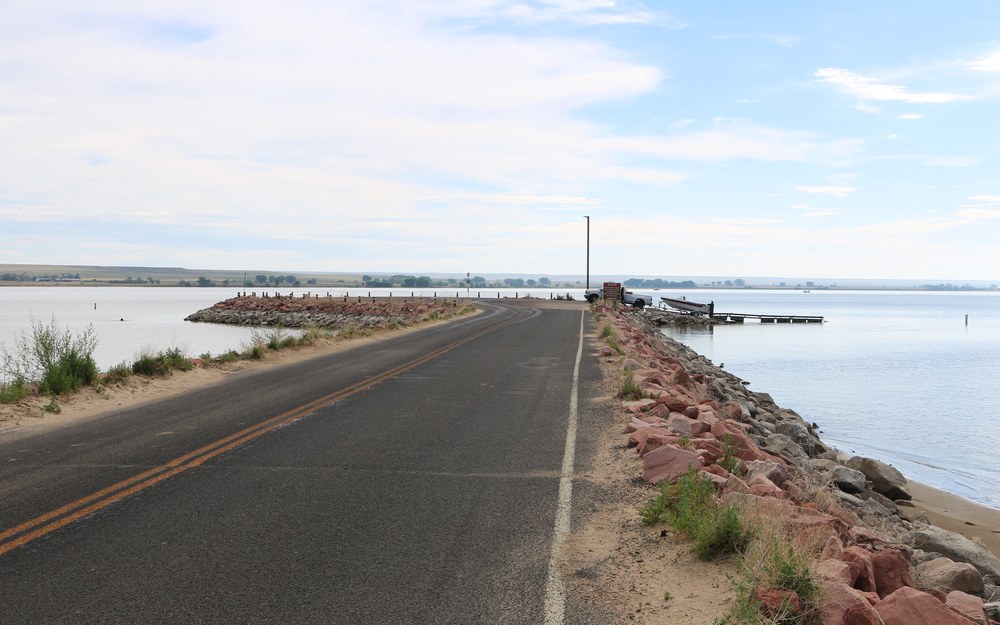
Photo: Jackson Lake State Park boat launch in Morgan County — wide shallow sandy basins offering effortless shore and boat channel catfishing.
📍 Jackson Lake State Park Boat Ramp Orchard CO (GPS: 40.3820° N, 104.0720° W)
Target Species: High-Volume Channel Catfish (2–15 lbs), Black Bullhead
Productive Depth: 6–18 ft shallow outlet ditch riprap, Sandy Beach flats & west shore mudlines
Prime Structure: Flat open sandy bottom bowls, concrete outlet spillway riprap, flooded willow edges
Top Bait: Commercial garlic punch bait, chicken liver, Canadian nightcrawlers, cut carp/shad
Angler Field Log: Because Jackson Lake tops out near 20 feet deep even at full spring capacity, surface temperatures climb fast in late April and trigger the earliest spring channel cat bite in northern Colorado. Wade 20 feet onto the broad sandy beaches along the South Shore at dusk and fire 1.5-ounce sliding sinkers loaded with garlic punch bait or nightcrawler clusters straight out over the gentle basin drop.
Situated an hour northeast of Denver near Orchard in Morgan County, 2,500-acre Jackson Lake is the quintessential high-action plains numbers fishery for Colorado families and weekend meat anglers. Unlike deep foothill canyons where fish retreat to 40 feet of cold water, Jackson’s wide, dish-shaped sandy bowl averages 10 to 16 feet deep throughout the main lake—warming rapidly under early spring sun and keeping aggressive channel catfish feeding shallow across nearly all warm months.
Jackson receives steady diversions of rich, warm water from the South Platte River canal system, populating the entire basin with gizzard shad, carp, and freshwater shrimp. Prime shoreline setups cluster tightly along the eastern and southern outlet dike riprap, as well as near the North Inlet channel whenever diversion gates dump fresh river flow into the marshy northern corners. Even mid-summer, channel catfish hold comfortably across shallow 7- to 12-foot sandbars whenever clouds or prairie breezes ripple the surface.
If you want fast multi-rod action to put youngsters onto bent rods or load a cooler cleanly under the 10-fish CPW daily bag limit, Jackson Lake delivers effortlessly. Lightweight medium-action rods with 15- to 20-pound monofilament, 1-ounce egg weights, and size 2/0 octopus or treble dip-bait hooks soaked with smelly cheese punch bait or chicken gizzards frequently produce ten-catfish evenings within three hours of dark.
8. Lower Arkansas River: John Martin Tailrace to Lamar (Bent & Prowers Counties)
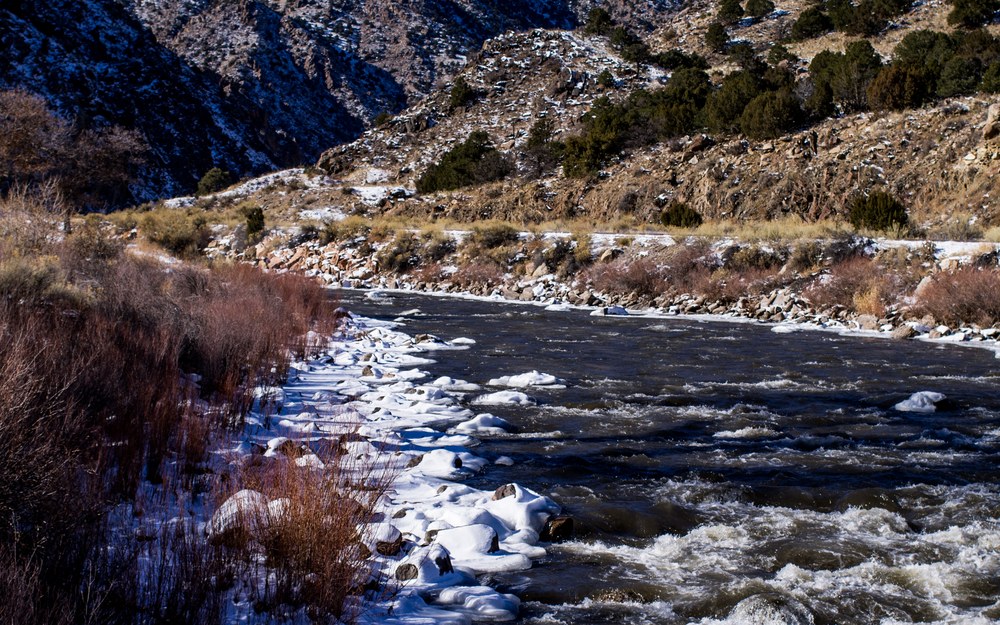
Photo: The Lower Arkansas River corridor east of John Martin Dam — deep cutbank scour pools, cottonwood logjams, and tailrace current seams packed with flathead and channel cats.
📍 John Martin Dam Lake Hasty Hasty CO (GPS: 38.0950° N, 102.6180° W)
Target Species: Flathead Catfish (10–30+ lbs), Wild Channel Catfish (3–15 lbs)
Productive Depth: 6–18 ft Lake Hasty stilling basin rocks, outside clay cutbanks & fallen cottonwood jams
Prime Structure: Dam spillway boils, sunken riprap eddies, undercut prairie river bends
Top Bait: Live legal creek chubs/bullheads/green sunfish (verify Eastern Plains rules), fresh cut shad, crawfish
Angler Field Log: When irrigation releases push through the concrete spillway below John Martin Dam into Lake Hasty and east toward Lamar, stunned gizzard shad tumble into rocky boils right below the stilling wall. Stand safely along downstream riprap seams and anchor 3- to 5-ounce flat no-roll sinkers on 65-pound braid along the calm eddy border—big flatheads patrol these boils every single summer night.
Escaping the concrete spillway gates of John Martin Reservoir, the Lower Arkansas River snakes eastward through Hasty, Caddoa, and Lamar toward the Kansas state line in classic flatland catfishing fashion. Far removed from fast alpine whitewater upstream near Buena Vista, this slow, sediment-heavy plains river winds lazily beneath sprawling groves of gnarled cottonwoods, carving deep 10- to 18-foot clay scour pools beneath logjams and bridge piers.
The mile of flowing river immediately below John Martin Dam (bordering Lake Hasty State Recreation Area) concentrates staggering numbers of predatory flathead and channel catfish whenever tailrace releases pump fresh water east. Stressed baitfish flushed out of the reservoir gather at the head of the Hasty stilling basin, drawing ambush flatheads up out of deep river holes to hold right along rock wing-walls and slack current seams after dusk. Downstream through State Wildlife Areas (like Queens/Neeskah and Lamar river parcels), quiet meanders hold pockets of untouched river channels accessible cleanly from bank.
Working these moving tailrace seams requires serious current-holding hardware. Use our Catfish Sinker Weight & River Current Calculator before wading the bank: most moderate summer releases demand 3- to 5-ounce flat no-roll bank sinkers to hold bottom without dragging baits sideways into cottonwood tangles. Because Eastern Plains waters east of I-25 below 7,000 feet permit specific live baitfish collection or use (subject strictly to CPW species/watershed rules), always double-check Colorado Parks and Wildlife’s live baitfish zone map before trapping chubs or sunfish along the river.
Colorado Catfish Species Profile: Identifying Your Target Quarry
Colorado anglers encounter four principal catfish family species—all thriving across warm plains rivers and lower-elevation reservoirs east of the Continental Divide (plus channel cats stocked selectively in warm western slope waters like Highline Lake near Loma). Learning to identify each species cleanly matters critically for following CPW daily harvest rules and tuning terminal rigs:
- Channel Catfish (Ictalurus punctatus): Colorado’s undisputed statewide backbone (State Record:
43 lbs 6 ozat Aurora Reservoir). Distinguished by a deeply forked tail fin, rounded anal fin (24 to 29 rays), and scattered dark spots across younger silver-olive specimens. Feeds aggressively both day and night across shallow mud inlets and deep reservoir riprap on cut shad, trout fillets, crawfish, chicken livers, and punch baits. - Blue Catfish (Ictalurus furcatus): Rapidly expanding across southern Colorado’s Arkansas River basin (State Record:
25 lbs 2 ozat Lake Pueblo). Identified cleanly by a straight-edged, long anal fin containing 30 to 36 rays, pale silvery-blue flanks devoid of spots, and a crisp dorsal hump. Active open-water hunters targeting fresh gizzard shad and cut fish along 20- to 45-foot lake channels. - Flathead Catfish (Pylodictis olivaris): Restricted primarily to Pueblo, John Martin, and the Lower Arkansas River drainage (State Record:
30 lbs 1 ozat Lake Pueblo). Unmistakable with its wide flat head, protruding lower jaw, mottled brown-olive camouflage, and square (unforked) tail fin. Nocturnal predators that strongly favor live baitfish or big freshly killed shad slabs anchored tightly next to boulder cover. - Black & Yellow Bullhead (Ameiurus melas / natalis): Abundant across shallow Front Range ponds, irrigation ditches, and backwaters of Jackson and Chatfield reservoirs. Compact, blunt-tailed pan-sized fighters usually under 2 pounds that ambush nightcrawlers and stink baits avidly—note that CPW does not count bullheads toward the 10-fish statewide catfish limit (check individual water rules).
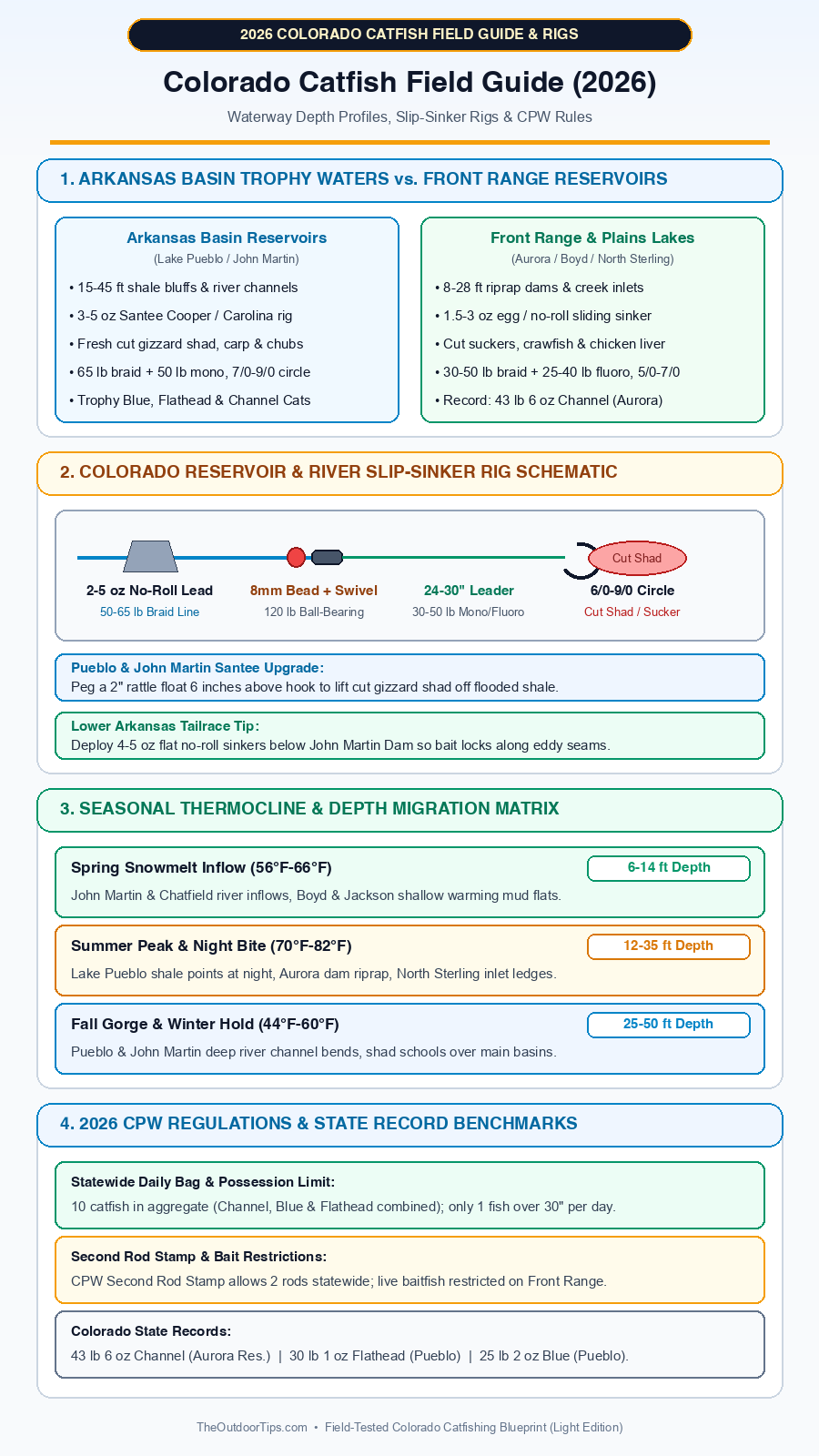
Click the high-resolution Colorado Field Guide Blueprint above to save and reference depth bands, rig layouts, and 2026 CPW limits waterside.
Heavy Terminal Tackle, Slip-Sinker Rigs & High-Plains Gear Guide
Taming Colorado’s dual extremes—sharp submerged limestone shale at Lake Pueblo and rushing tailrace pours below John Martin Dam—hinges on building snag-resistant, zero-resistance slip rigs. When an educated 20-pound Front Range channel cat or Arkansas flathead tests a bait, even one ounce of unexpected line drag causes it to spit the hook immediately.
Watch how tournament river anglers build clean sliding sinker rigs, protect knots with shock beads, and hold heavy baits steady along tailrace current seams.
For Pueblo & John Martin Trophy Hunts (Santee Cooper Rig), thread a 3- to 5-ounce flat no-roll sinker onto 65-pound 8-strand braided mainline, followed by an 8mm soft rubber bumper bead to protect your knot. Tie cleanly to a heavy 120-pound ball-bearing barrel swivel, then attach 24 to 30 inches of 40- to 50-pound monofilament leader. Thread a 2-inch foam rattle float onto the leader, lock it 6 inches above the hook with a rubber bobber stop, and snell a forged 7/0 to 9/0 Gamakatsu Octopus circle hook. That buoyant rattle lifts fresh cut gizzard shad right over sharp shale edges and drowned cottonwood limbs where big blues and flatheads cruise.
For Front Range Plains & Urban Lakes (Aurora, Boyd, Chatfield, Jackson), simplify to a clean Carolina Slip-Sinker Rig. Drop weight down to a 1.5- to 2.5-ounce flat no-roll or egg weight above a compact barrel swivel and tie 20 to 24 inches of 20- to 30-pound fluorocarbon leader onto a 4/0 to 6/0 inline circle hook. Keep bait clickers engaged (or spinning drags backed off smoothly) in heavy bank rod holders, allowing fish to run several feet before sweeping the rod steadily into the corner of the jaw—never violently jerk-set a circle hook.
Ugly Stik Catfish Special Casting Rod (7’6” Heavy)
Resilient Ugly Tech E-glass/graphite blank launches 4-ounce Arkansas River sinkers far from shore while flexing gently enough to let cautious Aurora channel cats load up before hooks pull.
Abu Garcia Ambassadeur C3 6500 / Penn Battle IV 5000
High-capacity spools pack generous yards of 50–65 lb braid backing with smooth carbon-matrix drags and loud clickers essential for moonless nights at John Martin and North Sterling.
Top Colorado Catfishing Bait Lineup (Plains Cut Bait vs. Front Range Finesse)
Always cross-reference regional forage before buying bait buckets. Compare commercial scents and fresh natural cuts cleanly in our Best Catfish Baits Guide and stock up accordingly:
- Fresh Gizzard Shad & Common Carp Fillets: The undisputed #1 trophy baits across Lake Pueblo, John Martin, Boyd, and North Sterling. Cut thick 2×2-inch belly chunks keeping skin intact so oily blood scent leaks steadily along the bottom without snapping off on hard bank casts.
- Rainbow Trout Cut Strips & Frozen Smelts: Secret weaponry on clear deep Front Range waters like Aurora Reservoir and Chatfield Reservoir, where veteran 20- to 40-pound channel catfish ambush dying stocked trout around deep dam walls.
- Whole Crawfish & Garlic Chicken Liver in Mesh: Unmatched numbers baits for shallow sandy flats at Jackson Lake, Chatfield inlets, and Boyd Lake. Tie raw chicken livers cleanly inside biodegradable spawn netting so heavy casts don’t shred bait off your hook mid-air.
- Legal Live Baitfish (Regional Rules Apply): Effective strictly in legal Eastern Plains / Lower Arkansas tailrace scenarios for flatheads—always check CPW’s live-bait boundary prohibitions west of I-25 first.
Seasonal Hydrology & Water Temperature Strategy Across Colorado
Colorado’s high-altitude climate creates compressed warmwater windows compared to Southern states, concentrating top catfishing productivity into crisp seasonal patterns tied straight to water temperature and irrigation storage releases:
- Spring Snowmelt Warming (Mid-April – May | 56°F–66°F): Shallow northeastern reservoirs like Jackson Lake and Boyd’s north bays hit the magic 60°F mark weeks ahead of deep canyons. Work shallow windward flats, inlet ditches, and dark mud bottoms between 1:00 PM and sunset when afternoon heat drives hungry channel catfish onto 6- to 10-foot shelves.
- Summer Spawn & Nocturnal Peak (June – August | 70°F–82°F): As water climbs past 72°F, channel and flathead catfish spawn around rocky dam riprap and submerged shale ledges at Pueblo and John Martin. Peak feeding shifts dramatically after sundown: target 8- to 20-foot rubble shorelines at night on plains lakes and 20- to 35-foot creek ledges on deep Arkansas basin reservoirs.
- Autumn Shad Gorge & Drawdown (September – October | 55°F–68°F): Late-summer irrigation drawdowns pull water tightly out of back bays on North Sterling and John Martin, funneling concentrated gizzard shad schools straight into main river basins. Track seagulls and bait balls on sonar along deep channel elbows for heavyweight pre-winter feeding frenzies.
- Winter Hold & Ice Safety (November – March | 34°F–44°F): Ice locks up Front Range and plains reservoirs throughout midwinter, though deeper Lake Pueblo regularly remains ice-free and yields slow cold-water blue and channel cats deep along 35- to 55-foot main channel bends when soaked patiently with oily cut shad during bright calm afternoons.
2026 Colorado Parks & Wildlife (CPW) Regulations, Second-Rod Stamp & ANS Boat Rules
⚠️ 2026 Colorado Parks and Wildlife (CPW) Compliance Briefing
Before wetting a line or crossing state park gates, verify every site-specific rule in the official Colorado Parks and Wildlife (CPW) Fishing Regulations Brochure:
- Statewide Bag & Trophy Slot Limit: Under general statewide CPW rules, anglers have a daily bag and possession limit of 10 catfish in aggregate (Channel, Blue, and Flathead combined), with no more than 1 catfish exceeding 30 inches in length harvested per day. Always check water-specific exceptions (such as Lake Pueblo, John Martin, or urban metro ponds that may set stricter harvest caps or blue-catfish catch-and-release protections).
- Second Rod Stamp Requirement: A standard annual Colorado fishing license authorizes only one attended rod. To legally fish two catfishing rigs simultaneously across Front Range reservoirs or plains banks, you must purchase a CPW Second Rod Stamp (now included automatically with certain resident combo licenses, or available as a low-cost add-on; still invalid on waters restricted to one rod by local rule).
- Live Baitfish Geographic Boundaries: Colorado tightly polices live fish transport to prevent invasive species spread. West of Interstate 25 and above 7,000 feet elevation, using or possessing live baitfish is widely prohibited (check exact water-by-water rules at Pueblo and Front Range lakes; eastern plains below 7,000 ft allow approved local species only under strict transport receipts). Cut dead fish, store-bought dead minnows, and nightcrawlers remain universally safe everywhere except fly/lure-only waters.
- Mandatory ANS Boat Inspections & Seals: Every trailered boat launching at Lake Pueblo, Boyd Lake, Chatfield, John Martin, North Sterling, or Jackson Lake must clear a CPW Aquatic Nuisance Species (ANS) inspection prior to entering the water and receive an exit wire seal upon retrieval. Aurora Reservoir operates strictly electric-motor/hand-launch only with its own clean-drain-dry ramp check.
Interactive Fishing Tools & Calculators Hub
Dial in exact lead sinker weights against John Martin tailrace releases, compute backing yardage for heavy braided reels, and verify knot strength before locking drags on 30-pound Colorado giants:
⚓ Sinker Weight & River Current Matcher
Compute exact pyramid and flat no-roll lead ounces required to anchor bait in Lower Arkansas tailrace flows and wind-swept plains bays.
🔄 Reel Line Capacity & Backing Calculator
Calculate exact mono backing yards needed when spooling 50–65 lb braid onto Ambassadeur 6500 or Penn Battle 5000 reels.
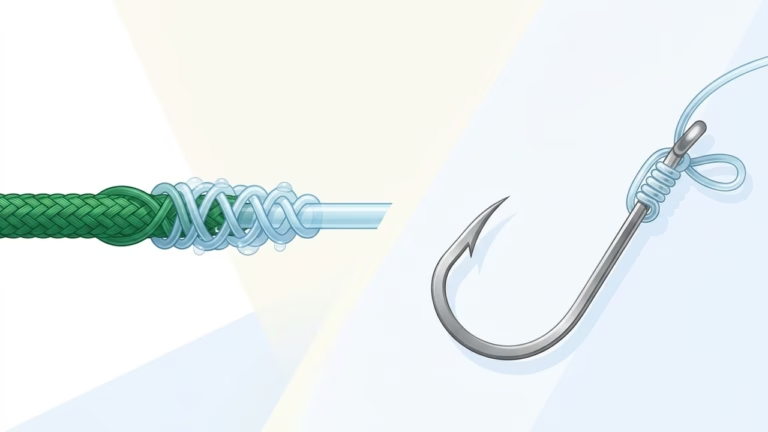
🧲 Fishing Knot Strength & Line Matcher
Compare Palomar, Snell, and FG knot efficiency ratings for abrasion-resistant braid-to-fluorocarbon shock leaders over shale.
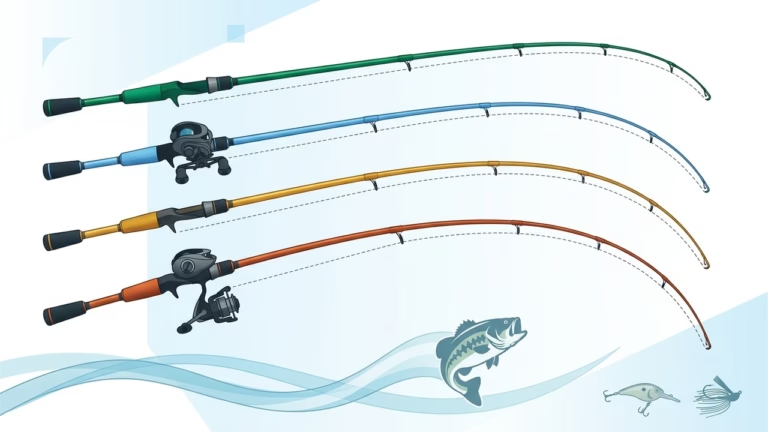
🎯 Rod Power, Action & Species Matcher
Interactive matcher pairing Aurora clear-water finesse, Boyd bank casting, or Pueblo heavy trophy anchoring to the optimal rod action.
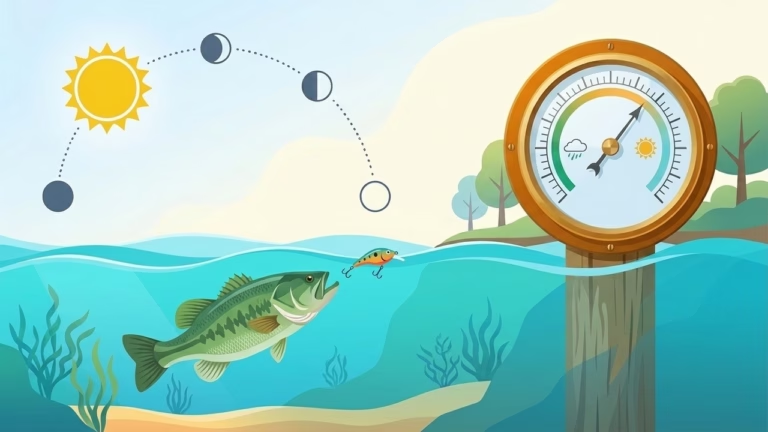
🌙 Solunar Bite Times & Barometric Forecaster
Track major lunar feeding windows and High Plains summer cold-front barometric shifts before pulling out the boat.
🦐 Best Catfish Baits: Live vs. Cut Showdown
Compare fresh gizzard shad, trout cut bait, raw crawfish, and punch bait performance across Front Range temperatures.
✅ Final Captain’s Verdict: Unlocking Colorado Catfish in 2026
1. Chase True Three-Species Trophies Down South: Point your truck south toward Lake Pueblo or John Martin Reservoir between June and August. Rig 65-pound braid with Santee Cooper rattle floats baited with fresh cut gizzard shad along 20- to 40-foot shale points for genuine shots at Colorado’s heaviest blue, flathead, and channel catfish.
2. Crack Denver’s State-Record Giant Code: Fish dusk hours along the north dam riprap at Aurora Reservoir using finesse 25-pound fluorocarbon leaders and cut rainbow trout or salted smelt—you are sitting on the exact shoreline that produced a 43 lb 6 oz channel cat.
3. Load Fast Evening Stringers Up North & East: Camp overnight at Boyd Lake, North Sterling, or Jackson Lake armed with a CPW Second Rod Stamp and fresh carp or punch bait for non-stop Front Range and High Plains rod action.
Frequently Asked Questions About Catfishing in Colorado
Where is the #1 best place to catch big catfish in Colorado?
Lake Pueblo State Park is Colorado’s premier multi-species trophy catfish water, holding both the state-record Flathead (30 lb 1 oz) and Blue Catfish (25 lb 2 oz), while Aurora Reservoir holds the all-time state-record Channel Catfish at an incredible 43 lbs 6 oz.
What is the daily bag limit for catfish in Colorado in 2026?
Under 2026 Colorado Parks and Wildlife (CPW) statewide regulations, anglers may keep up to 10 catfish in aggregate per day (Channel, Blue, and Flathead combined), with only 1 fish longer than 30 inches allowed in a daily creel. Always check water-specific special regulations inside the annual CPW fishing brochure.
Can you fish with two rods for catfish in Colorado?
Yes, provided you have a valid CPW Second Rod Stamp attached to your annual Colorado fishing license. This allows two attended lines simultaneously on most catfish reservoirs, unless a specific municipal lake or park posts a strict single-rod limit.
What is the best catfish bait to use on Colorado lakes and rivers?
Fresh-cut gizzard shad and common carp fillets take top honors at Lake Pueblo, John Martin, Boyd Lake, and North Sterling. On clear urban waters like Aurora Reservoir, salted smelt and cut rainbow trout produce the largest channel cats, while garlic punch bait excels for numbers at Jackson Lake.
Can I use live minnows or sunfish as catfish bait in Colorado?
Live baitfish rules in Colorado are strictly regional. Across most Front Range lakes (West of I-25) and elevations above 7,000 feet, live baitfish are banned to prevent aquatic invasions. Select Eastern Plains waters below 7,000 feet permit approved wild-caught or certified baitfish—always check exact CPW watershed rules before gathering live bait.
Are there flathead and blue catfish in Colorado?
Yes. Although channel catfish inhabit reservoirs statewide, both flathead catfish and blue catfish thrive primarily in the warm Arkansas River basin of southern Colorado, anchored by Lake Pueblo, John Martin Reservoir, and the Lower Arkansas River tailraces down through Lamar.
What boat inspection requirements apply at Colorado State Park catfish lakes?
All trailered motorized or trailered vessels entering Colorado State Parks (including Lake Pueblo, John Martin, Boyd, Chatfield, North Sterling, and Jackson) must pass a mandatory CPW Aquatic Nuisance Species (ANS) inspection for zebra/quagga mussels and receive an official exit wire seal before departing the ramp.