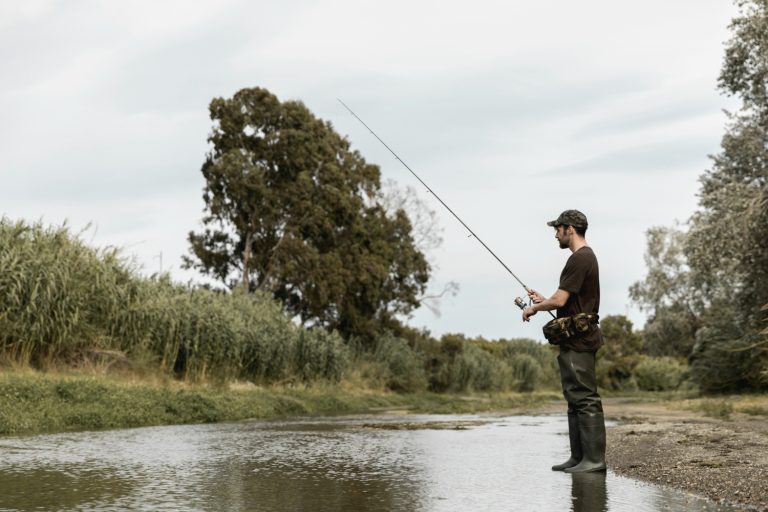
When I first started targeting bass, I avoided thick weeds and heavy cover like the plague. It looked intimidating, and I figured my lure would get snagged every cast. But over the years, I realized something important: some of the biggest bass I’ve ever landed came from the thickest, nastiest cover you can imagine. Bass love weeds, pads, and submerged vegetation because it gives them shade, oxygen, and the perfect ambush spot for prey.
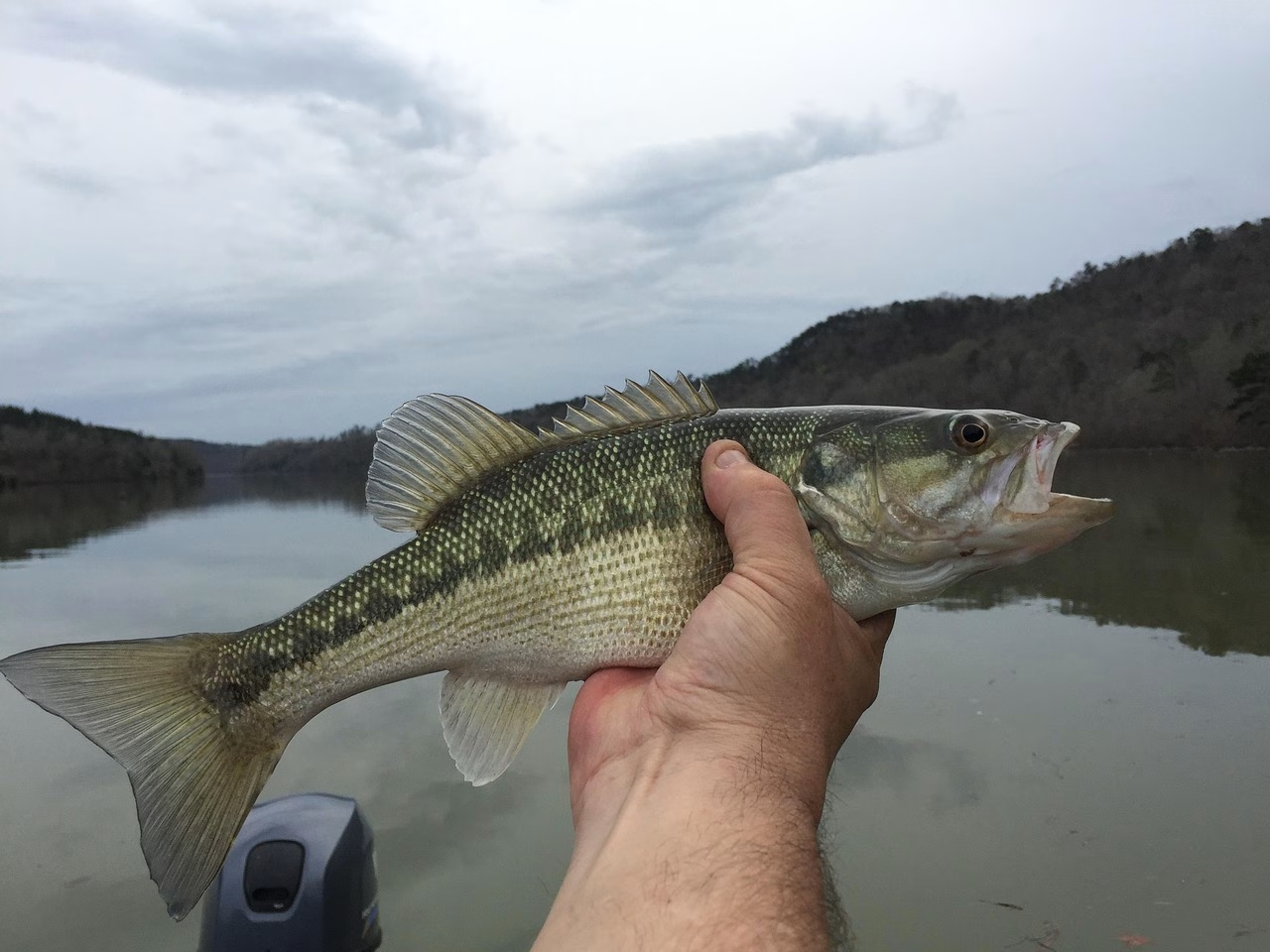
In this guide, I’ll share everything I’ve learned about bass fishing in weeds and heavy cover—from gear and lures to techniques and seasonal strategies. Whether you’re fishing a weedy lake, a river with grass mats, or lily pad fields, these tips will help you hook more and bigger bass.
Why Bass Love Weeds and Heavy Cover
Before I even pick up a rod, I try to think like a bass. Heavy cover like lily pads, hydrilla, milfoil, reeds, and brush piles provide:
- Shade: Keeps the water cooler and more oxygenated in the summer.
- Ambush points: Bass are ambush predators. They use weeds as camouflage to strike unsuspecting prey.
- Safety: Cover hides them from larger predators and even anglers.
- Food source: Bluegill, minnows, and crawfish often live in and around weeds.
So if I want to catch bass, I need to go where they live — and that means embracing the weeds, not avoiding them.
The Challenges of Fishing Heavy Cover
When I first started bass fishing, heavy cover intimidated me. To be honest, most anglers shy away from it because it looks like a tangled mess that will eat your lures, your line, and your patience. But the truth is—those thick mats of weeds, submerged logs, lily pads, and brush piles are exactly where big bass feel most at home. That said, fishing these areas comes with a unique set of challenges that you need to understand before you can consistently succeed.
1. Snags and Lost Lures
The most obvious challenge is getting snagged. Weeds wrap around your hooks, brush piles grab your line, and logs seem to eat jigs for breakfast. If you use the wrong bait or the wrong setup, you’ll lose more lures than you land fish. That can get frustrating—and expensive.
2. Limited Casting Angles
Heavy cover doesn’t give you the luxury of casting anywhere you like. You often have to thread your cast through small openings in the vegetation or pitch into tight pockets between branches. Accuracy becomes more important than distance. If you miss your target by even a foot, your lure might land in the thick stuff and become useless.
3. Reduced Visibility & Strike Detection
Bass in heavy cover usually strike differently than those in open water. Sometimes you don’t get the dramatic “thump” you’re used to. Instead, the line might just feel heavy, or it might twitch slightly as the bass pulls your bait deeper into the weeds. Detecting those subtle strikes is tough—especially when weeds are tugging on your line and making everything feel “mushy.”
4. Getting Fish Out of the Cover
Even if you hook a bass, the battle is far from over. In open water, the fight is usually straightforward. But in weeds and brush, the fish will immediately dig down and wrap itself around whatever structure it can find. If you don’t have the right rod strength and line, you’ll either break off or lose the fish. This is why gear selection is so critical when fishing heavy cover.
5. Water Quality & Changing Conditions
Weedy areas often come with low visibility and oxygen fluctuations. In the heat of summer, weeds can sometimes choke off oxygen levels, making bass sluggish and harder to tempt. At other times, vegetation offers ambush spots where bass are aggressive and opportunistic. Reading those conditions is tricky but essential if you want consistent success.
6. Psychological Challenge
One of the biggest challenges is mental. Many anglers simply don’t have the patience for fishing heavy cover. It can feel like you’re pulling salad onto your hook every other cast. But here’s the secret: that’s exactly why the big fish live there. They know fewer anglers are willing to go after them. If you can push through the frustration, you’ll find that the payoff is worth it.
Tackle Setup for Weedy Waters
1. Rod & Reel
For fishing in weeds, I always go with a heavy-power, fast-action rod (7’ to 7’6”). Why? Because I need the backbone to pull bass out of thick grass quickly.
Paired with it, I use a high-speed baitcasting reel (7:1 or faster). In heavy cover, the bass will either strike fast or try to bury themselves. A fast reel lets me catch up instantly and keep pressure on them.
2. Line Choice
This is non-negotiable: braided line. I use 40–65 lb braid depending on the thickness of cover. Mono and fluoro just don’t cut it — they stretch too much and get shredded by weeds. Braid slices through grass and gives me the strength to muscle bass out.
3. Hooks & Weights
- Extra-wide gap (EWG) hooks for Texas rigs.
- Flipping hooks with a heavy gauge for punching mats.
- Tungsten weights instead of lead. Tungsten is smaller, denser, and punches through weeds better.
Lures for Weeds and Heavy Cover
When it comes to lure selection, I stick to baits that are weedless, compact, and natural.
1. Texas Rigged Soft Plastics
My go-to choice for weeds. I’ll rig a creature bait or worm Texas-style with the hook point buried back into the plastic to make it weedless. Great for flipping and pitching into holes in the grass.
2. Punching Rigs
If there’s a thick mat of hydrilla or lily pads, I go heavy. I use a 1–1.5 oz tungsten weight, pegged tight to a creature bait. I drop it straight down through the mat — bass hiding under there can’t resist.
3. Frogs
When fishing over lily pads, nothing beats a hollow-body frog. I cast it across the pads, walk it along, and pause at openings. Explosive strikes are common — and heart-stopping.
4. Jigs
Flipping jigs with weed guards work great around reeds, docks, and wood. I usually tip them with a craw trailer. Bass see them as crawfish trying to escape.
5. Swimbaits & Spinnerbaits
When bass are more active, I’ll use weedless swimbaits or spinnerbaits. I can slow-roll them through the edges of grass lines without snagging.
Techniques That Work
Now, let’s talk about presentation — because in weeds, it’s all about how you work the bait.
1. Flipping & Pitching
I’ll quietly pitch my bait into holes, pockets, or edges of the weeds. The key is accuracy. If I drop right where the bass is sitting, the strike is immediate.
2. Punching Mats
This is one of my favorite methods. I drop a heavy punching rig right through the mat. Once it breaks through, I jiggle it a few times. Bass living under the mat almost always smash it instantly.
3. Working a Frog
Patience is key. I’ll twitch my frog across pads, let it sit at an opening, then twitch again. Many strikes happen when the frog is paused.
4. Slow & Steady Retrieval
Bass in cover aren’t usually chasing fast prey. I keep retrieves slow, steady, and deliberate.
How I Land Bass in Heavy Cover
Hooking a bass in the weeds is only half the battle. Landing them requires technique.
-
Set the Hook Hard – With braid and heavy cover, I always use a strong hookset to drive the hook home.
-
Keep Pressure On – Never let the bass dive deeper. I use rod strength to pull them up fast.
-
Don’t Baby Them – In open water I might fight a fish slowly, but in weeds, I drag them out with force.
Seasonal Patterns in Weedy Areas
- Spring: Bass spawn in shallow weedy bays. Great time for soft plastics and jigs.
- Summer: Thick mats form. Perfect for punching rigs and frog fishing.
- Fall: Bass move to weed edges chasing baitfish. Spinnerbaits and swimbaits shine.
- Winter: Weeds die back, but any remaining green vegetation is prime.
Mistakes I Learned to Avoid
-
Using the wrong line – Mono loses fish in weeds.
-
Not pegging the weight – Without pegging, your bait won’t punch through mats.
-
Fishing too fast – Bass in cover want slow, deliberate presentations.
-
Weak rods – Medium rods don’t cut it; you’ll lose fish.
Final Thoughts
Bass fishing in weeds and heavy cover used to intimidate me. But once I switched my mindset, I realized it’s one of the most rewarding ways to fish. The strikes are harder, the bass are bigger, and the challenge is greater.
If you’ve been avoiding weeds because of frustration, I encourage you to dive in (not literally!). With the right gear, lures, and mindset, you’ll unlock some of the best bass fishing you’ve ever experienced.